








Morphological characteristics
Hemlock is an evergreen tree, usually 25-30 meters tall and with a diameter at breast height of 40-80 centimeters. The bark peels off in patches, brown gray in color, with large branches spreading flat and drooping branches. The tree crown is tower shaped, standing tall and upright, and the large branches at the bottom of the trunk usually do not fall off. Side branches unfold, with linear leaves arranged in a spiral pattern on the branches, twisted into two rows at the base, in a strip shape, with a pure round tip, concave notches, and the entire margin. The leaf surface is green with light, the back of the leaf is light green, and there are 2 stomatal bands. Hemlock flowers from April to May every year, and the cones mature in October. Hemlock is a shade loving tree species, and young trees fear strong sunlight. Adult trees can grow at the edge of the forest. It has a well-developed root system, can resist wind and snow pressure, has a long lifespan, but grows slowly.
Main Value
Garden use
The hemlock tree has a simple and ancient appearance, with sparse branches and leaves resembling cedars. It is suitable for solitary or clustered planting in gardens, and is also suitable for creating mountain scenic forests or water conservation forests. Hemlock has many branches, is resistant to pruning, and is also suitable for use as a hedge. In addition, due to its slow growth, it is also suitable for potted viewing.
other purposes
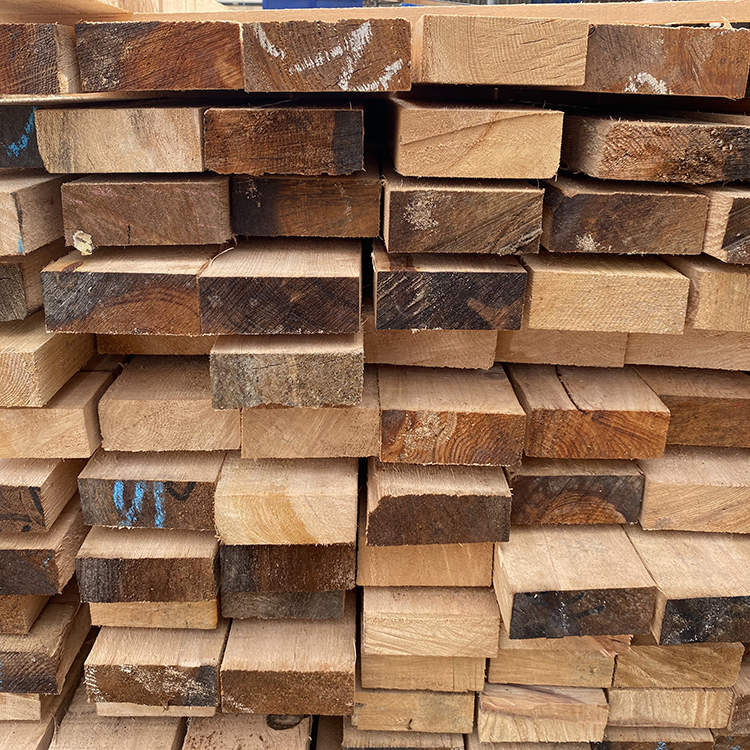
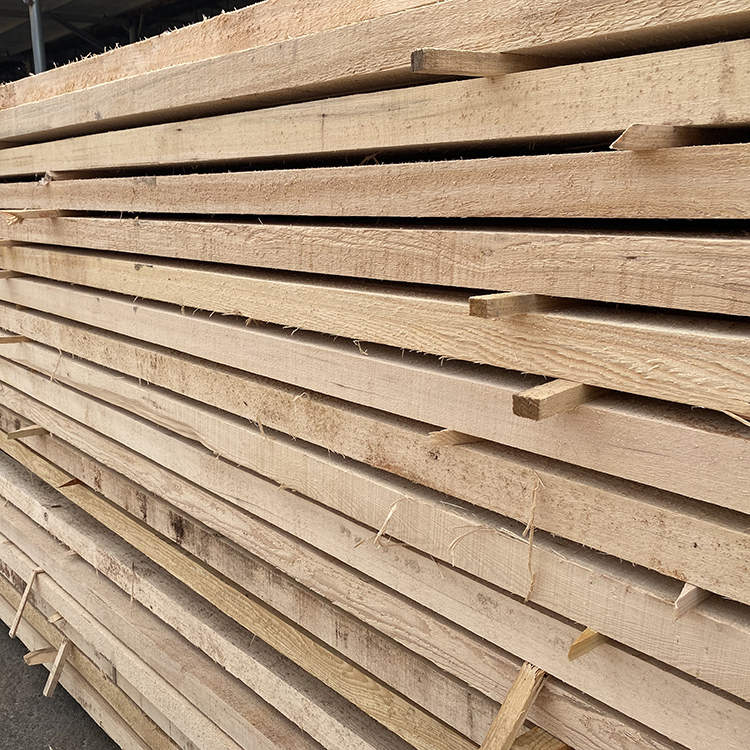
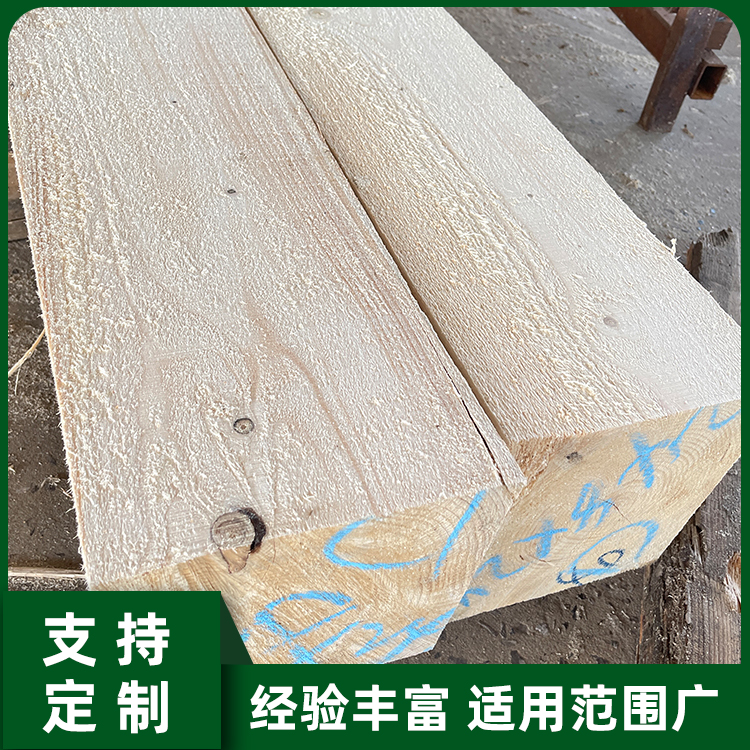
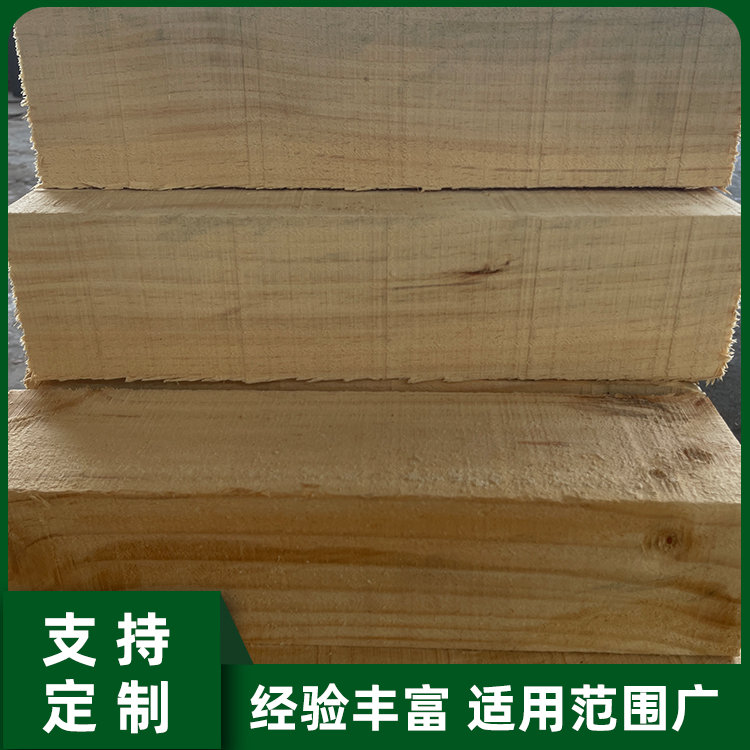
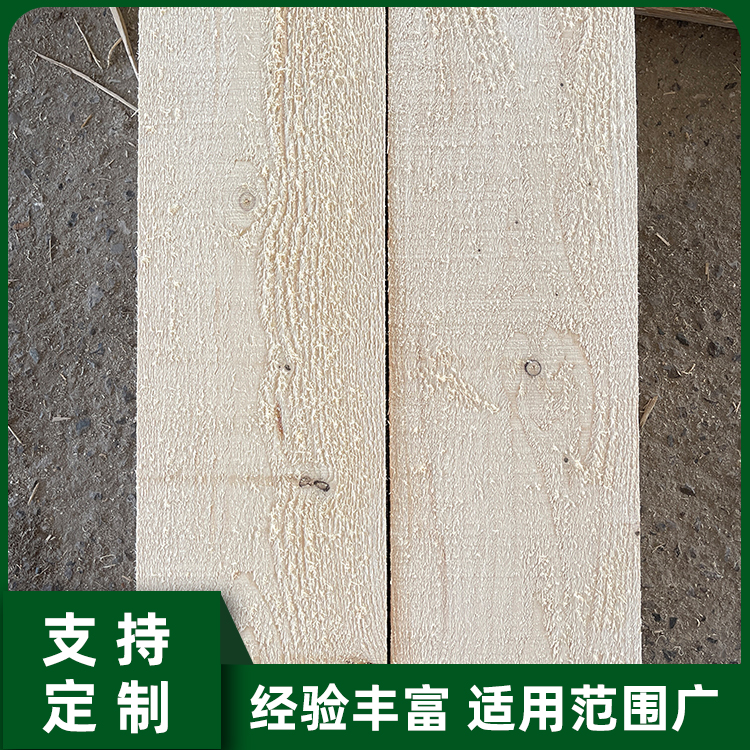
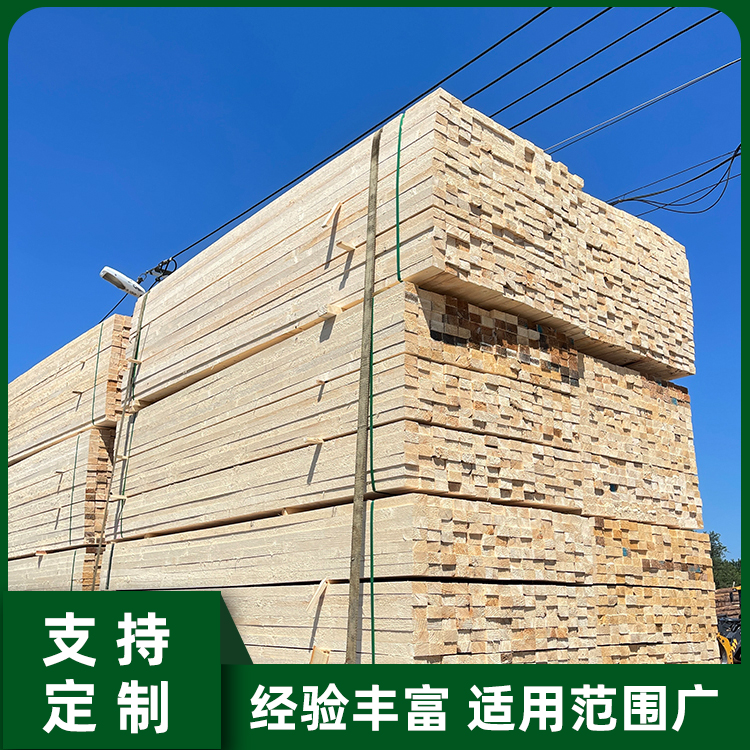
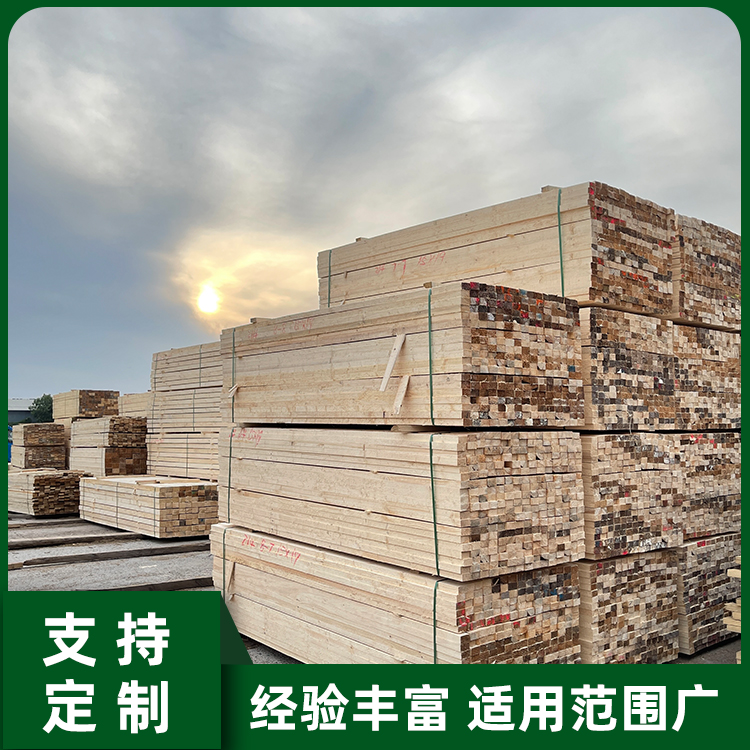
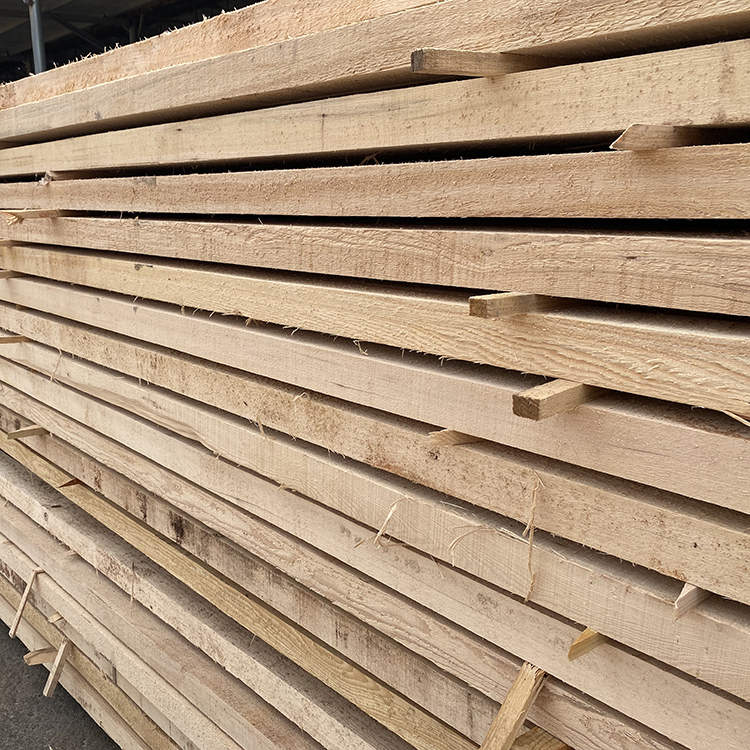
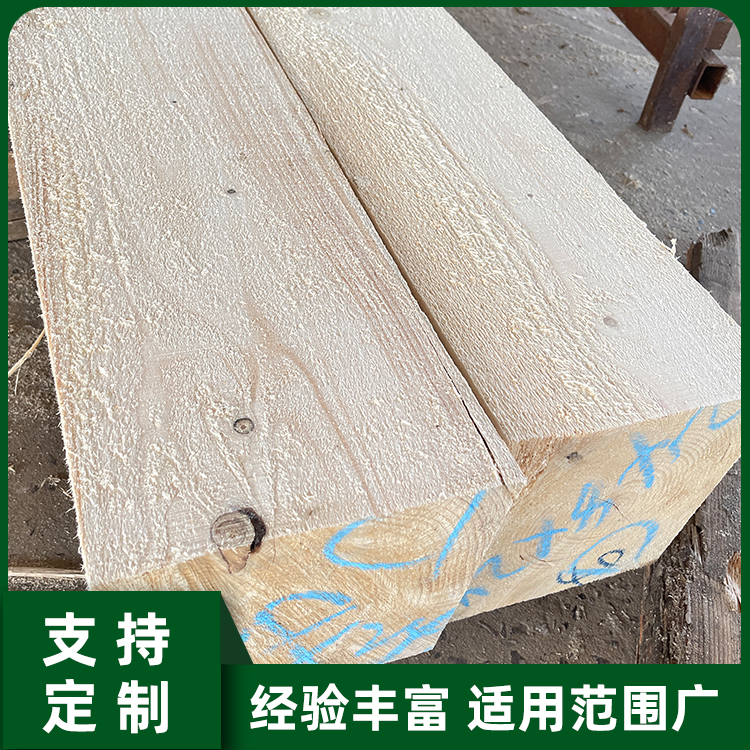
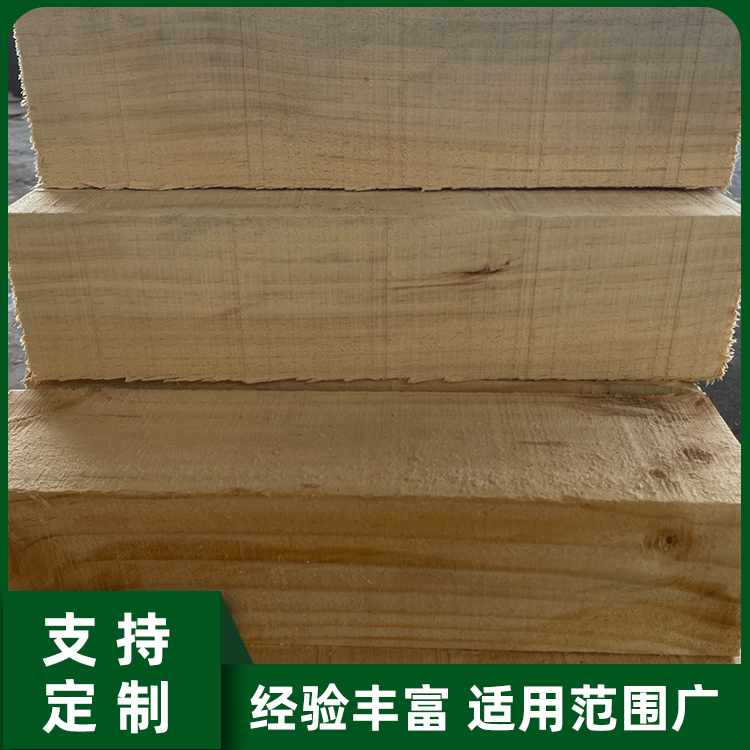
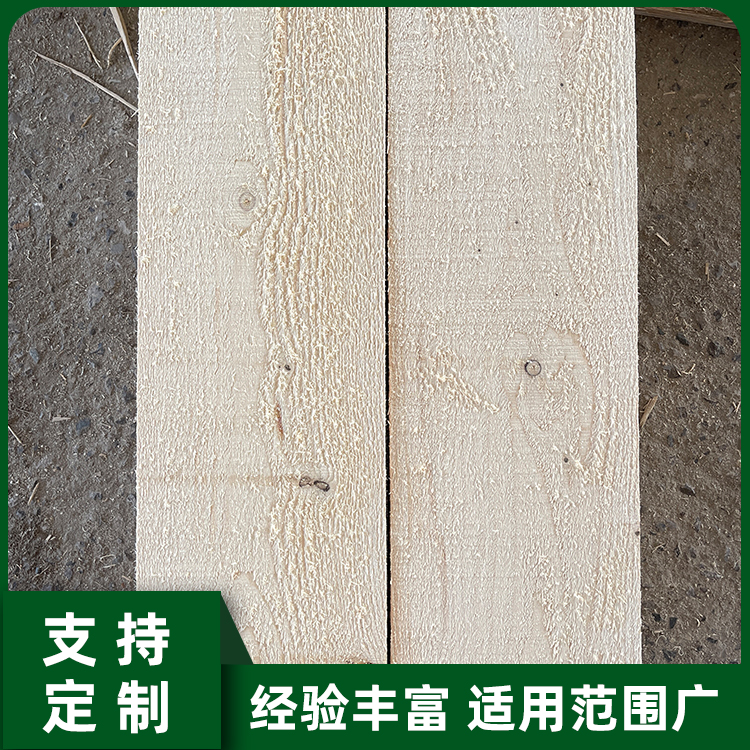
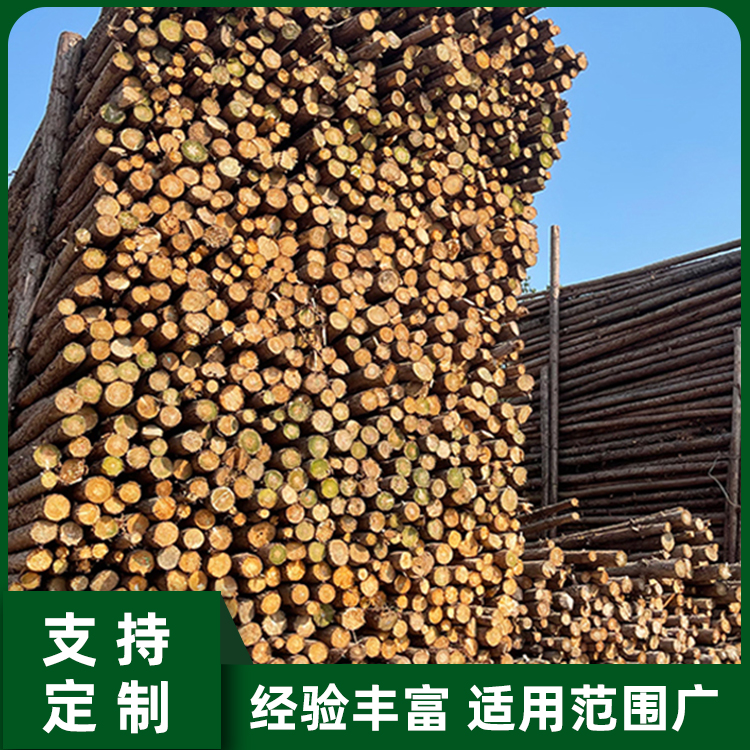
The ironwood treated with pressure and anti-corrosion is both beautiful and sturdy, comparable to the natural and durable red cedar. Dried hemlock can maintain a stable shape and size without shrinkage, expansion, warping, or distortion. Most wood will turn black after long-term sun exposure, but hemlock can maintain its newly sawn color even after years of sun exposure. Hemlock has strong nail grip and excellent bonding properties, can accept various surface coatings, and is very wear-resistant. It is an economical wood suitable for various outdoor uses and is popular in the North American market.
Economic use
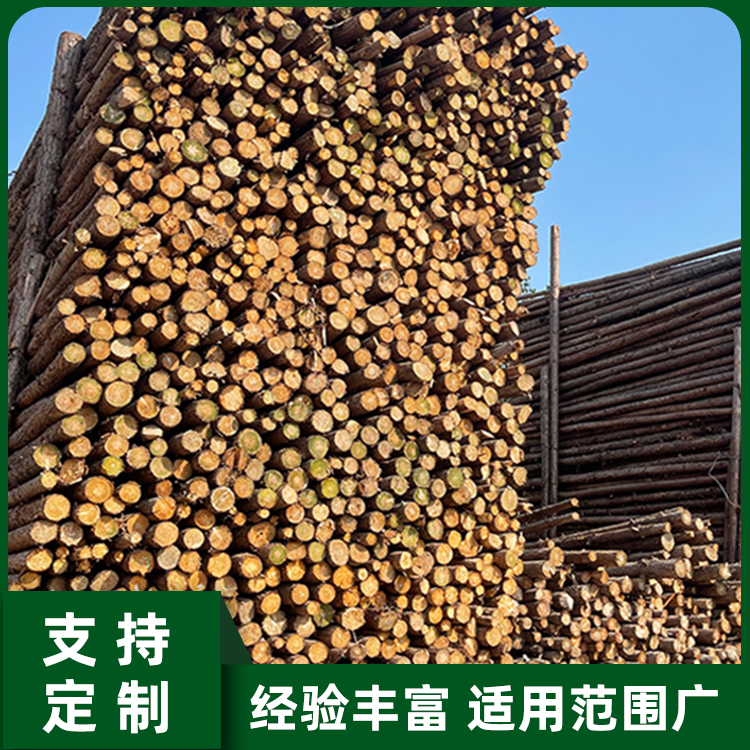
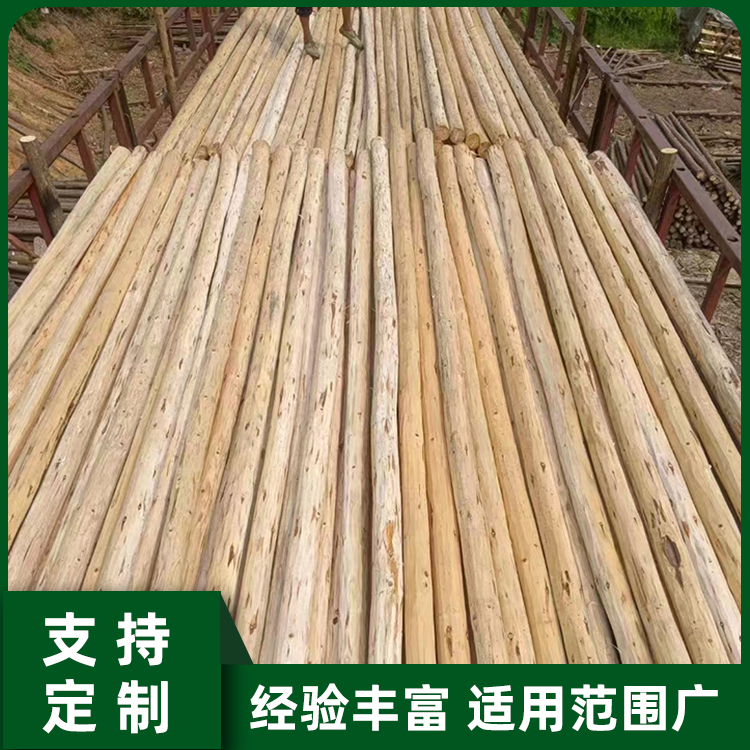
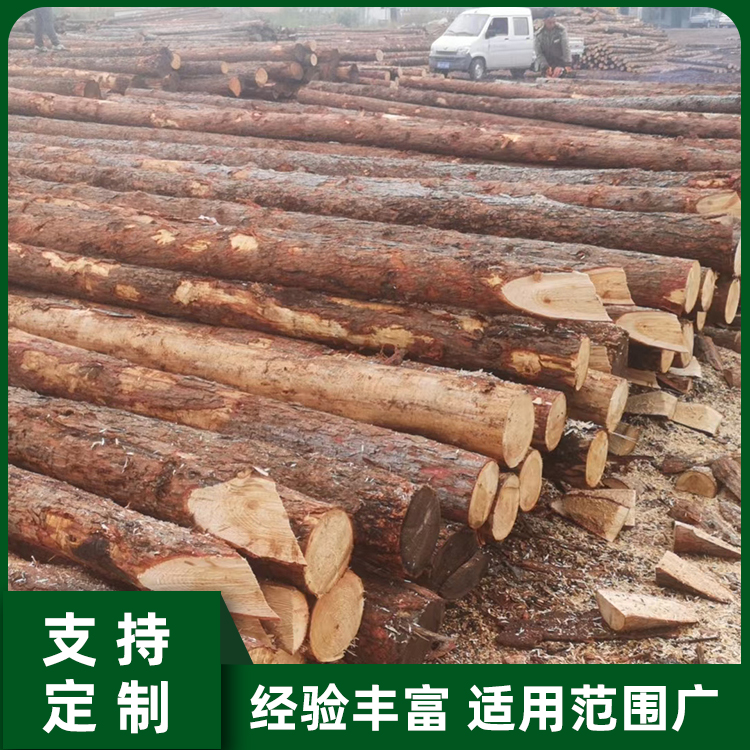
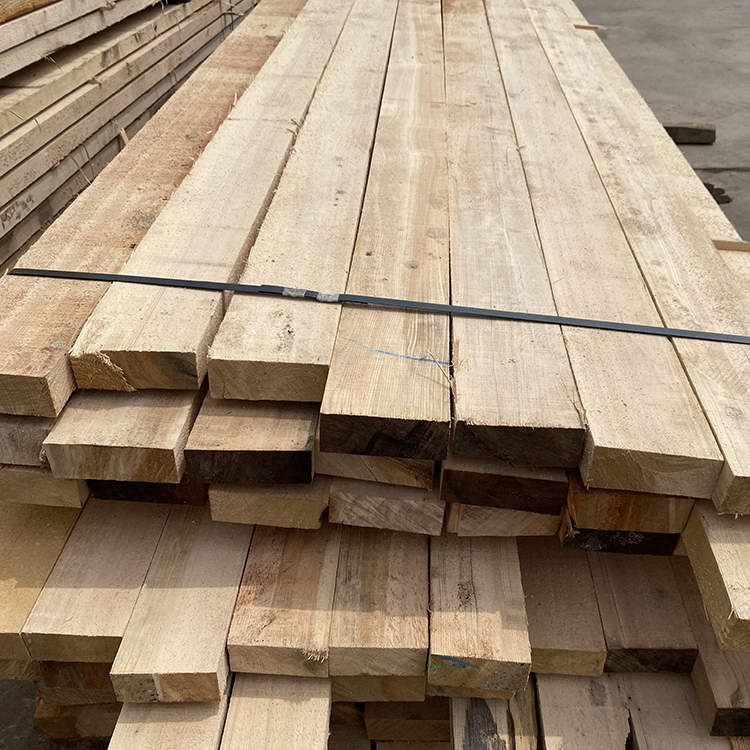
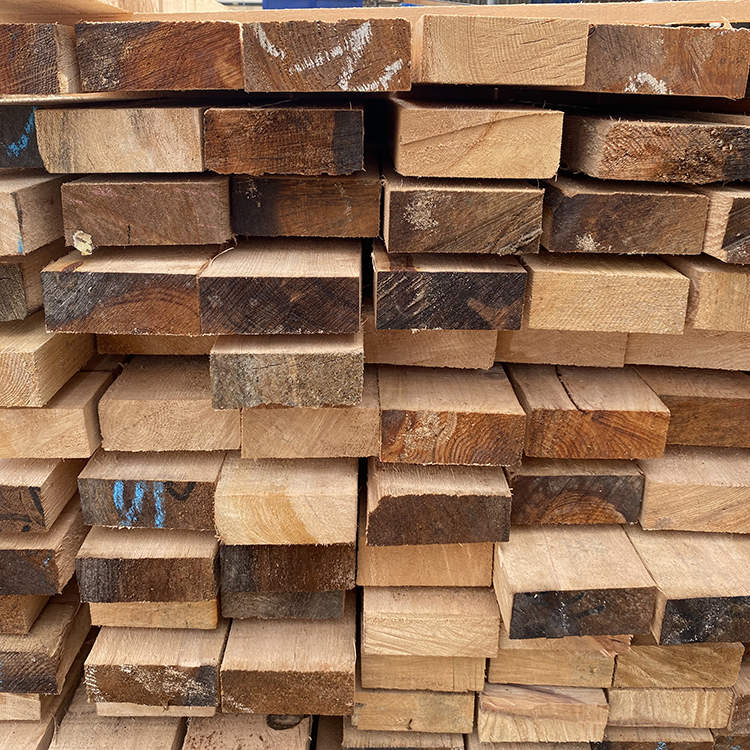
Natural wood can be used as raw materials for pulp and synthetic silk, as well as plywood, wooden barrels, sleepers, and pit logs. Medium strength, easy to process, suitable for building frames, wall panels, purlins, flooring, doors, windows, columns, blinds, furniture, wooden ladders, tools, and other agricultural tools. The texture is quite straight, the structure is medium and even, light to medium, the quality is soft, and the strength and impact toughness are moderate. The wood is solid, with fine and uniform texture, strong corrosion resistance, and especially water-resistant. It can be used as a raw material for construction, airplanes, boats, furniture, and wood fiber industry. In addition, the trunk can be cut for resin, and the bark can be extracted for tannin extract; Seeds can be used to extract oil. Wilson introduced hemlock seeds to England in 1900.