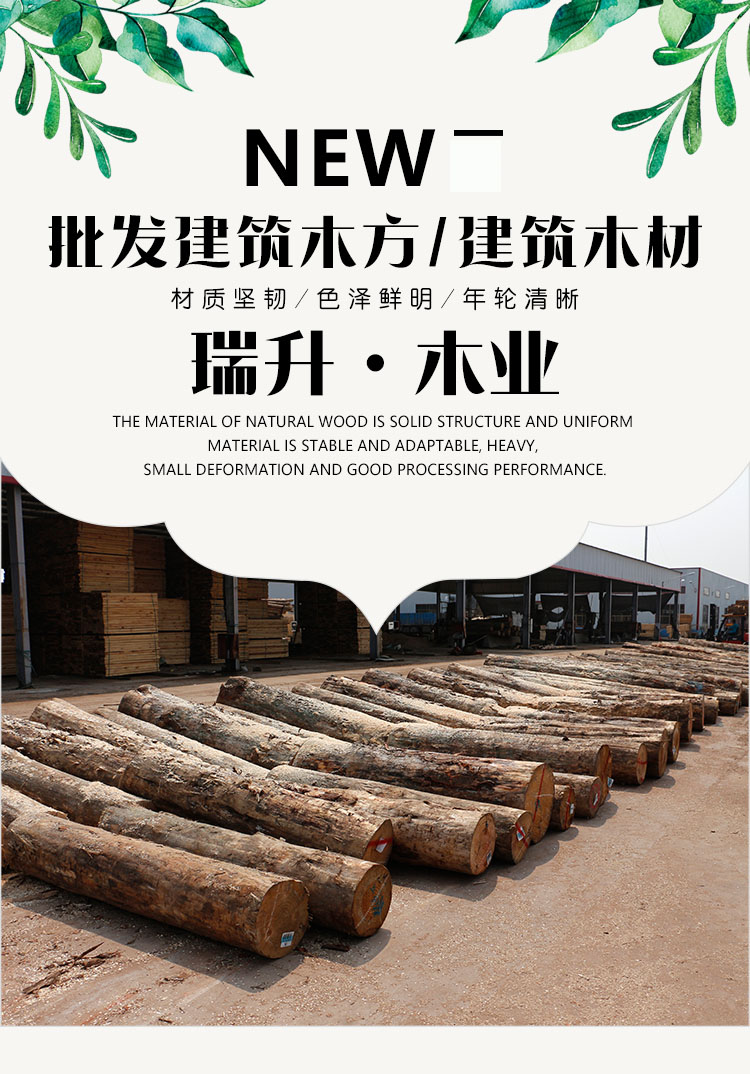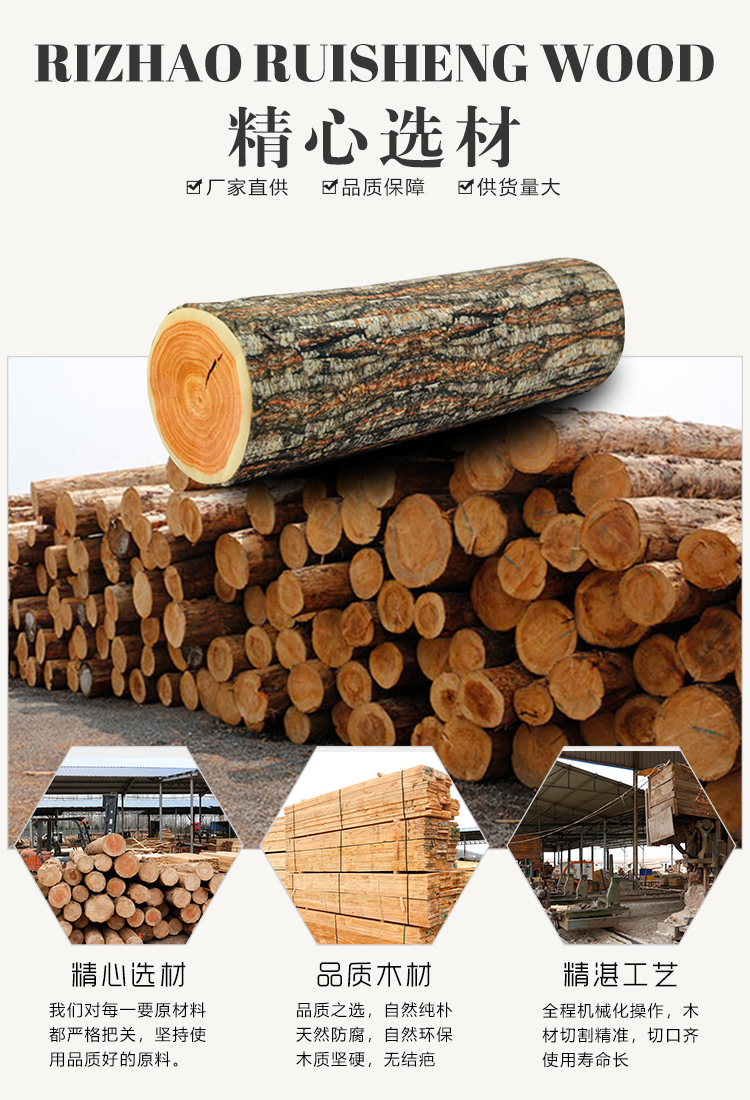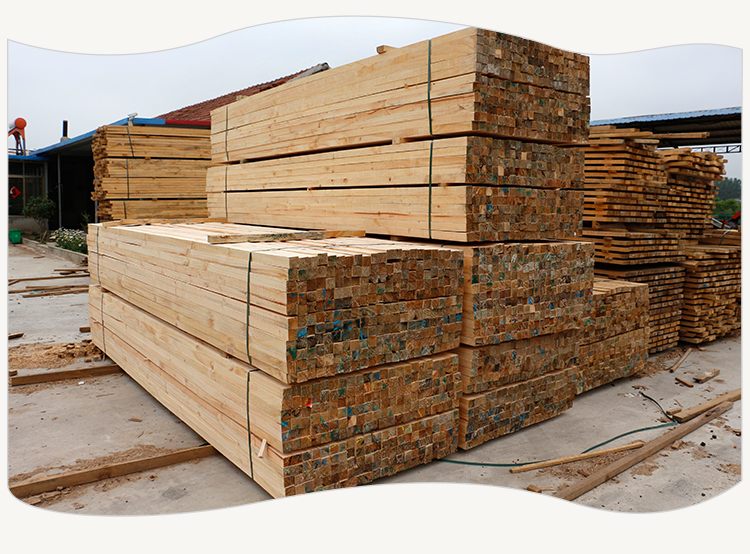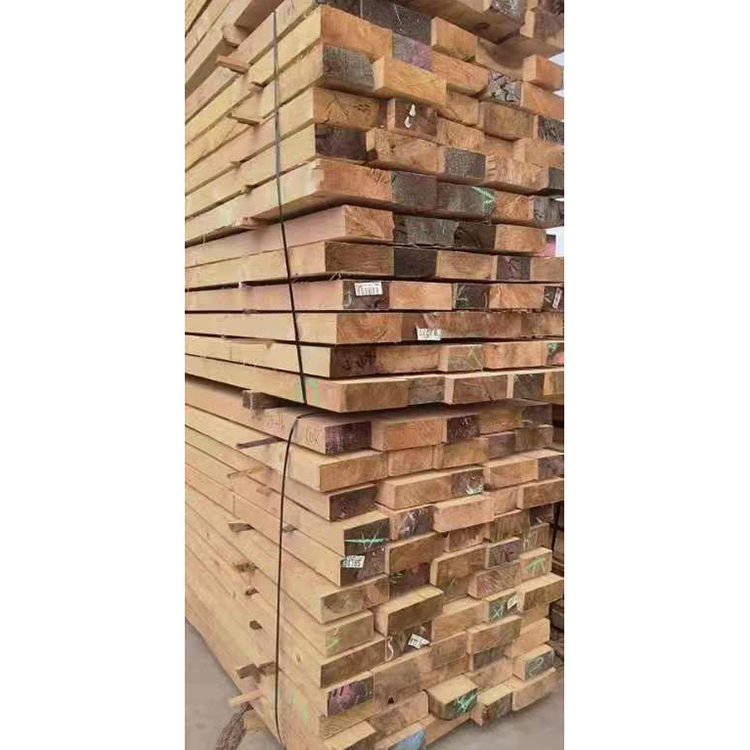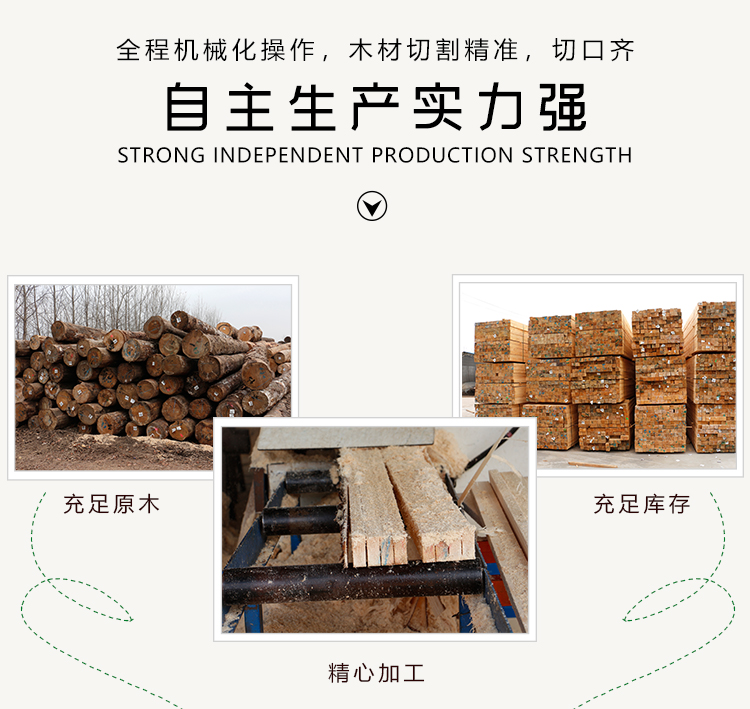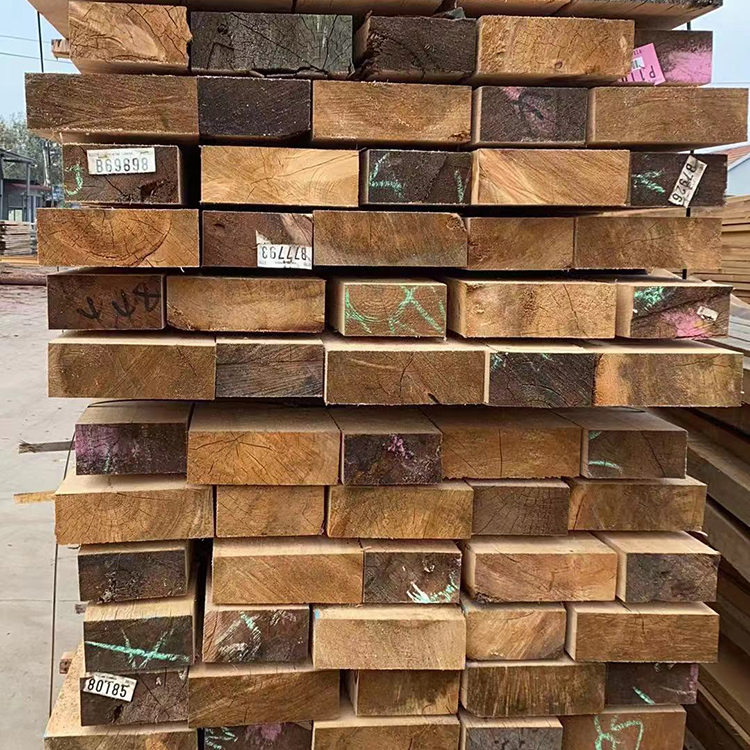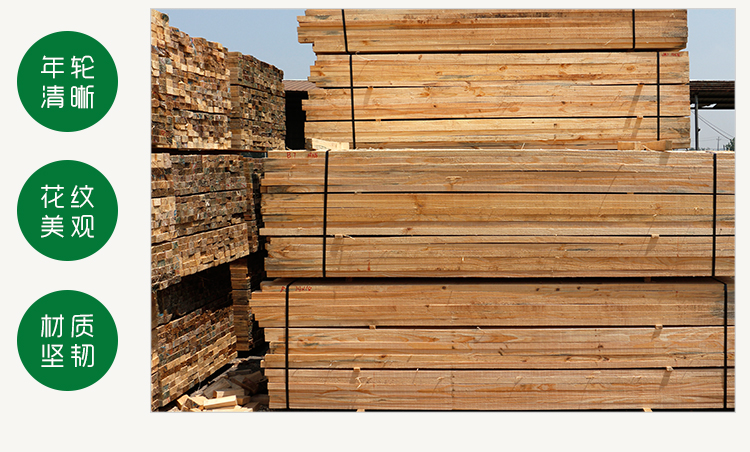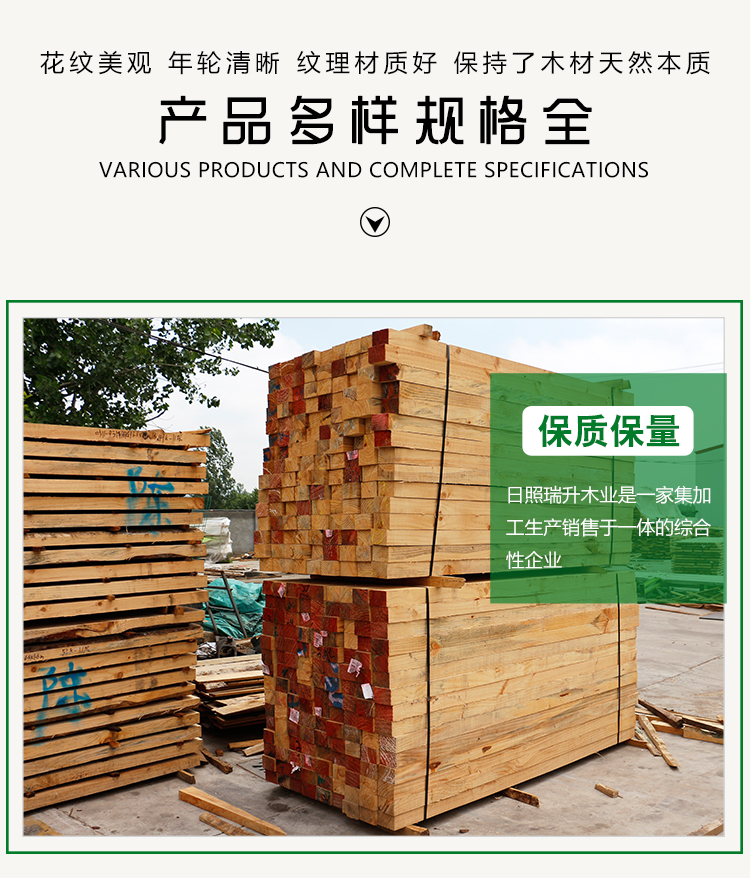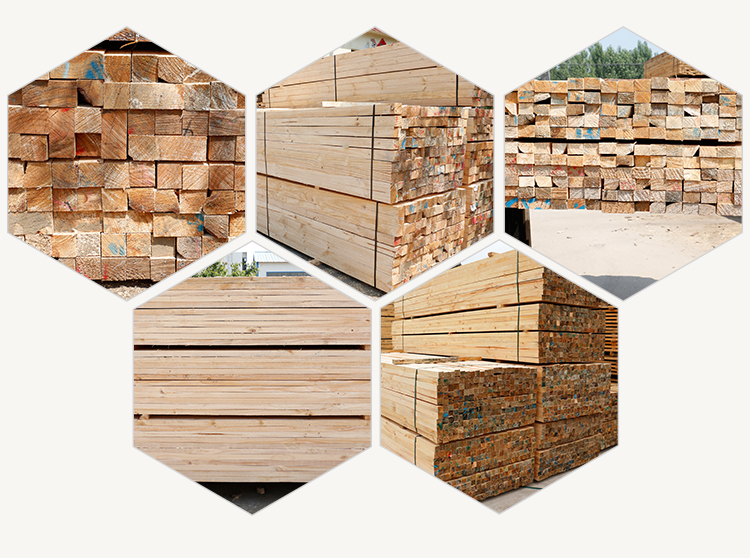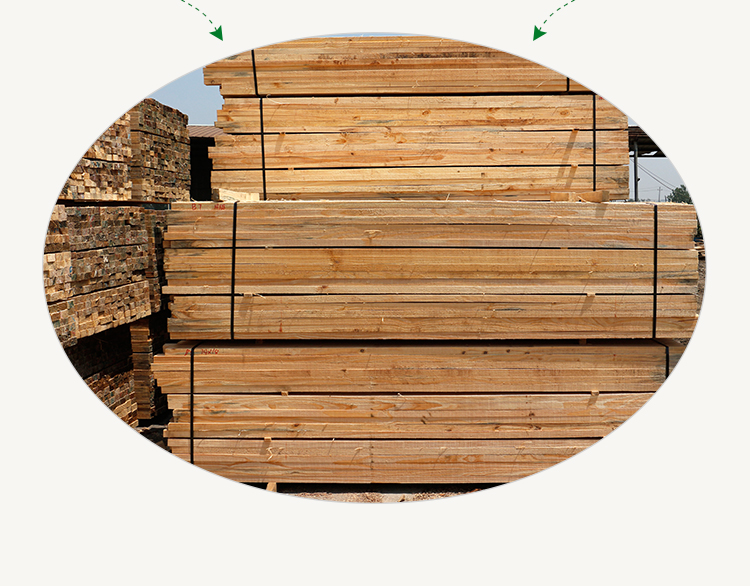

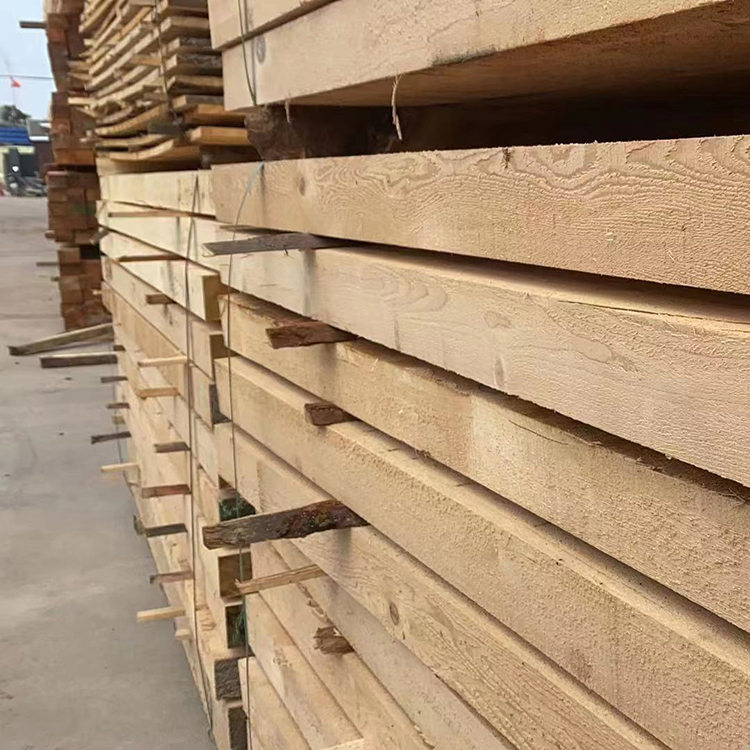
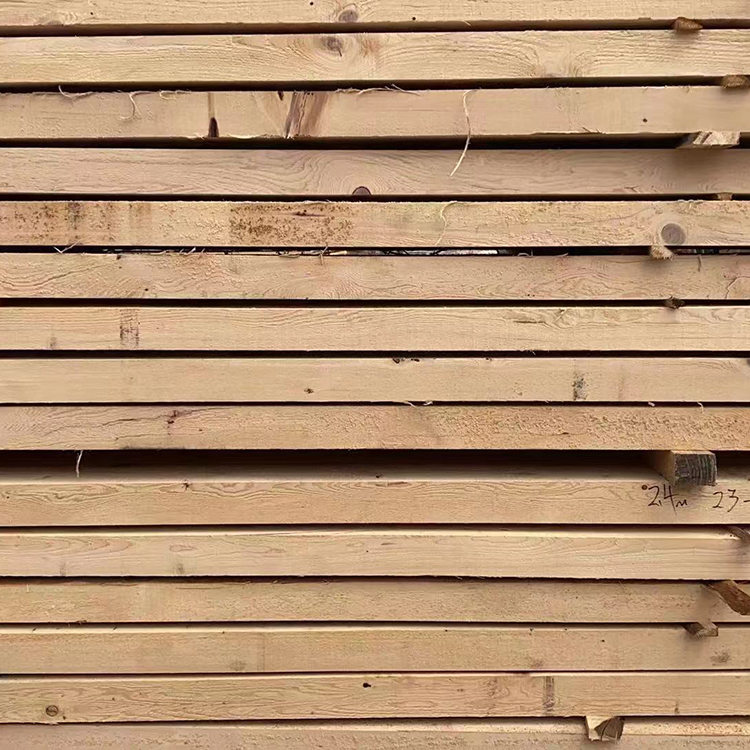








Hemlock is an evergreen tree, usually 25-30 meters tall and with a diameter at breast height of 40-80 centimeters. The bark peels off in patches, brown gray in color, with large branches spreading flat and drooping branches. The tree crown is tower shaped, standing tall and upright, and the large branches at the bottom of the trunk usually do not fall off. Side branches unfold, with linear leaves arranged in a spiral pattern on the branches, twisted into two rows at the base, in a strip shape, with a pure round tip, concave notches, and the entire margin. The leaf surface is green with light, the back of the leaf is light green, and there are 2 stomatal bands. Hemlock flowers from April to May every year, and the cones mature in October. Hemlock is a shade loving tree species, and young trees fear strong sunlight. Adult trees can grow at the edge of the forest. It has a well-developed root system, can resist wind and snow pressure, has a long lifespan, but grows slowly. [2]
Growing Environment
Temperate and cold zone tree species prefer mountainous environments with frequent rainfall, fog, high relative humidity, cool and moist climate, acidic soil, and good drainage. It is a strongly negative tree species with strong natural pruning ability and a lifespan of several years or more. Deep rooted and strong wind resistance. The distribution area spans from the middle zone to the northern tropical zone. The climate is warm and humid, with warm winters and cool summers, abundant rainfall, heavy clouds and mist, and high humidity. The annual average temperature is around 11 ℃, the annual precipitation is 2000 millimeters, and the average relative humidity is 85%. The soil is dark red yellow soil, with a pH value of 5.4, and is acidic, fertile, and deep.
Hemlock is mostly found in Maguan and Malipo in southeastern Yunnan, and grows in mixed coniferous and broad-leaved forests. Zhejiang Changhua, Anhui Mount Huangshan, Fujian Mount Wuyi, Jiangxi Wugong Mountain, Hunan Mangshan, Guangdong Ruyuan, Guangxi Xing'an, and central Guizhou are all distributed. The lower limit of altitude for growth is 600 meters, and the upper limit of altitude is 2100 meters. Its distribution area spans from the mid to the northern tropics, with a warm and humid climate, warm winters and cool summers, abundant rainfall, heavy clouds and mist, and high humidity. The suitable soil is fertile acidic black red yellow soil.
Distribution range
It is a self owned tree species in China, produced in the Bailongjiang River Basin of Gansu, southern Shaanxi, western Henan, western Hubei, northeastern Sichuan, upper reaches of the Minjiang River Basin, the Jinchuan River Basin, Dadu River Basin, Qingyi River Basin, lower reaches of the Jinsha River Basin, and northwestern Guizhou at an altitude of 1200-3200 meters. It prefers to grow in mountainous areas with high rainfall, abundant clouds and mist, high relative humidity, cool and moist climate, acidic soil, and good drainage. In Henan, Shaanxi, Gansu, Hubei, northeastern Sichuan, Guizhou and other places, it is mostly scattered. In western Sichuan, there are still large areas of forests in Ebian, Luding, Tianquan and other places. They often form coniferous mixed forests or pure forests with Yunnan hemlock and fir at an altitude of 2000-3000 meters; Tall trees, mostly over 500 years old, are one of the main tree species for forest development and timber production in western Sichuan. They are also the main tree species for forest renewal and afforestation in the region in the future.