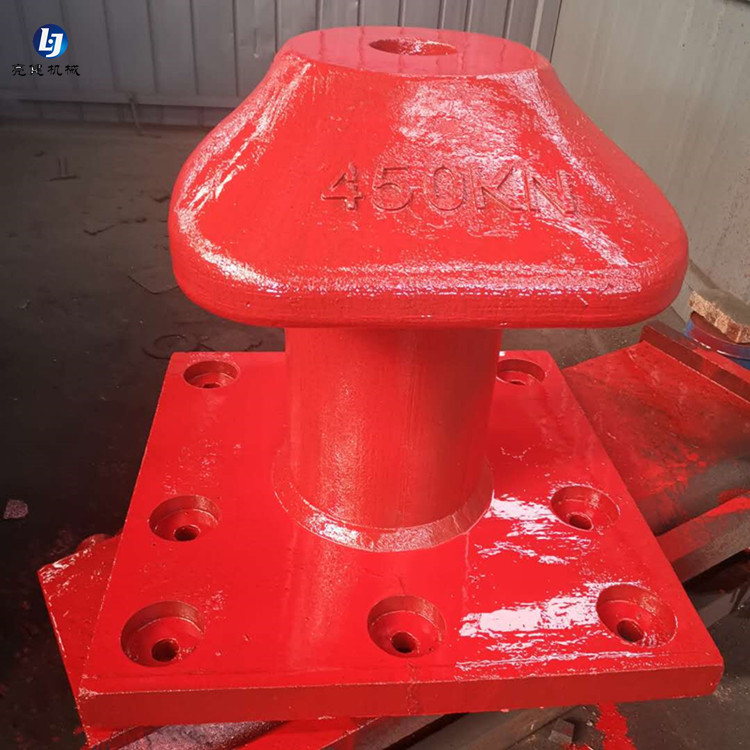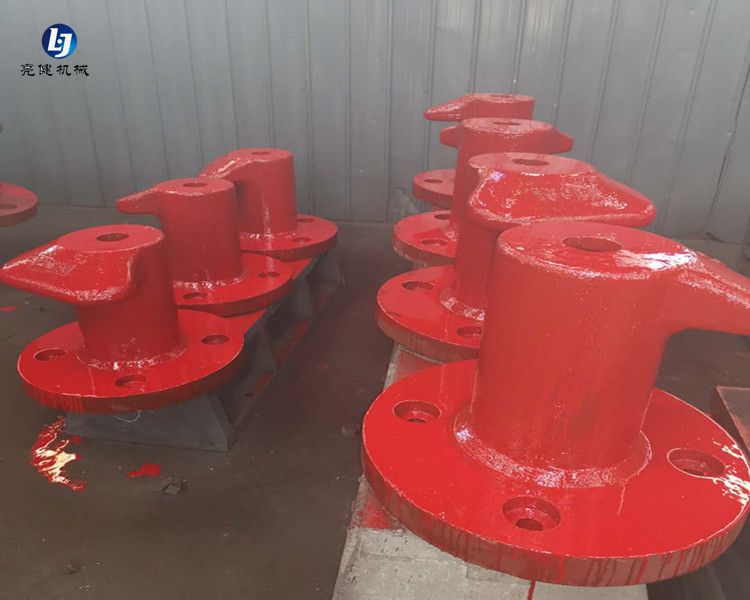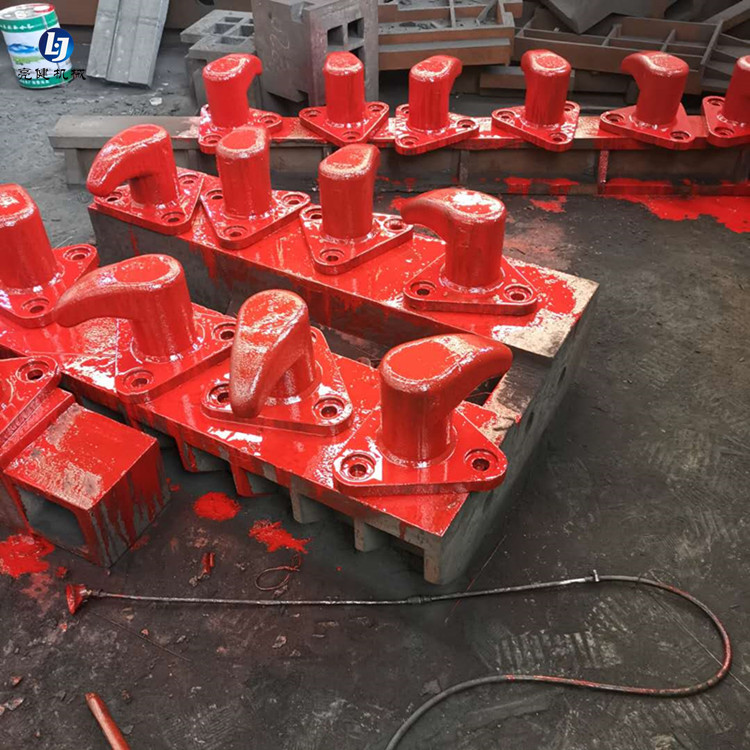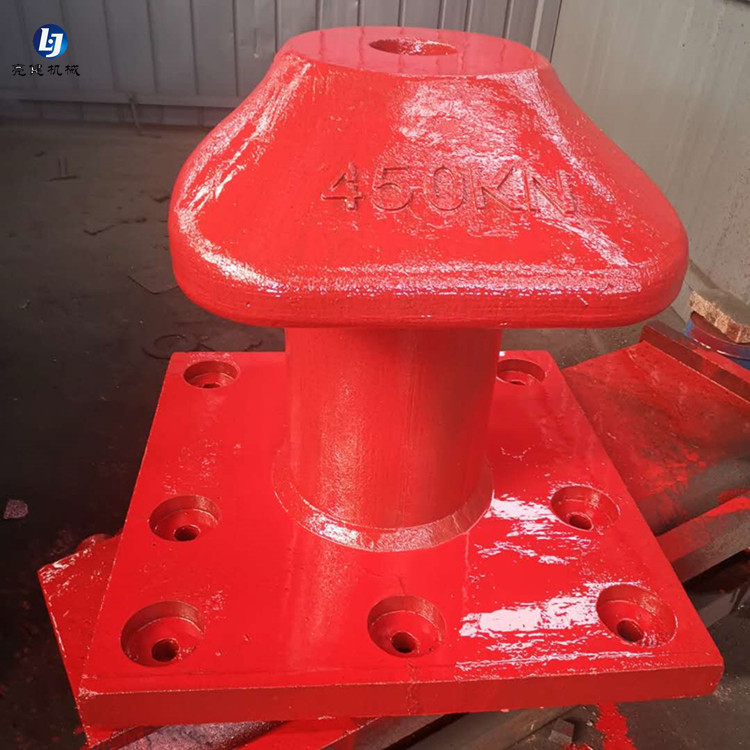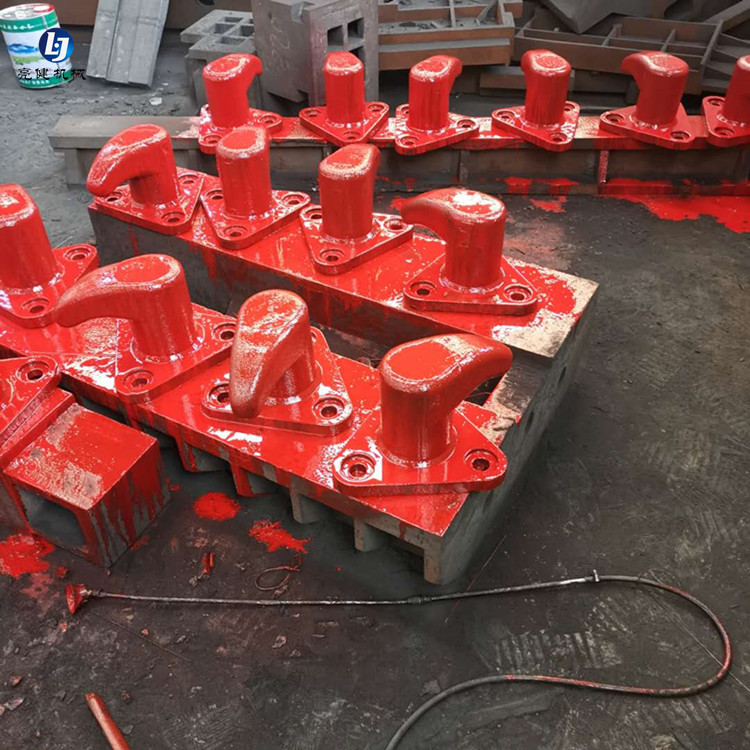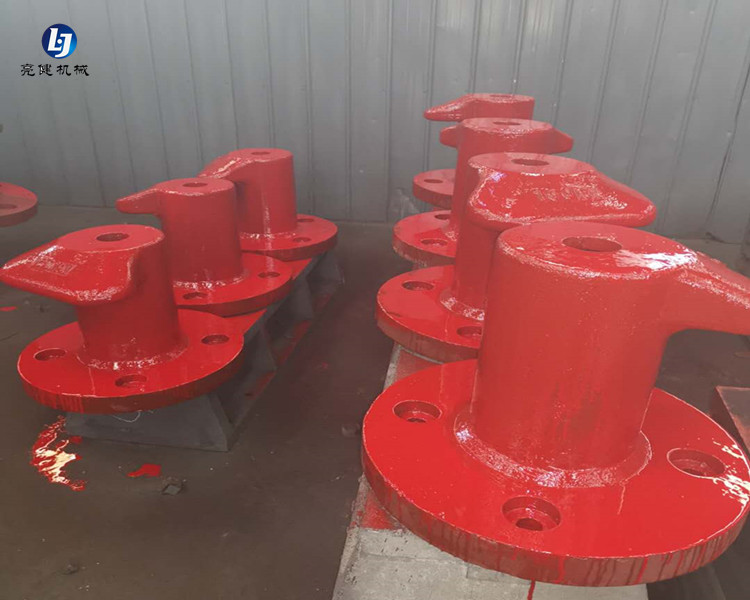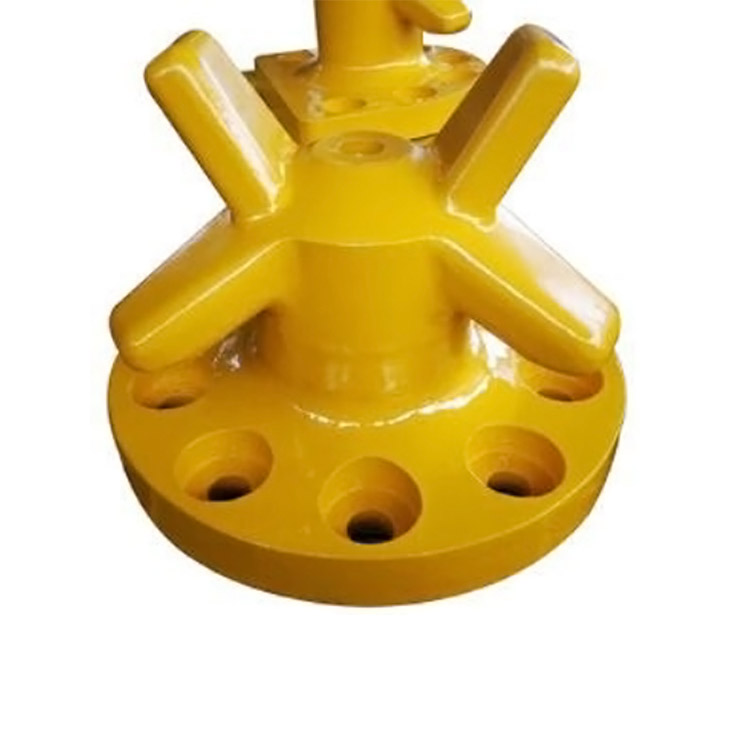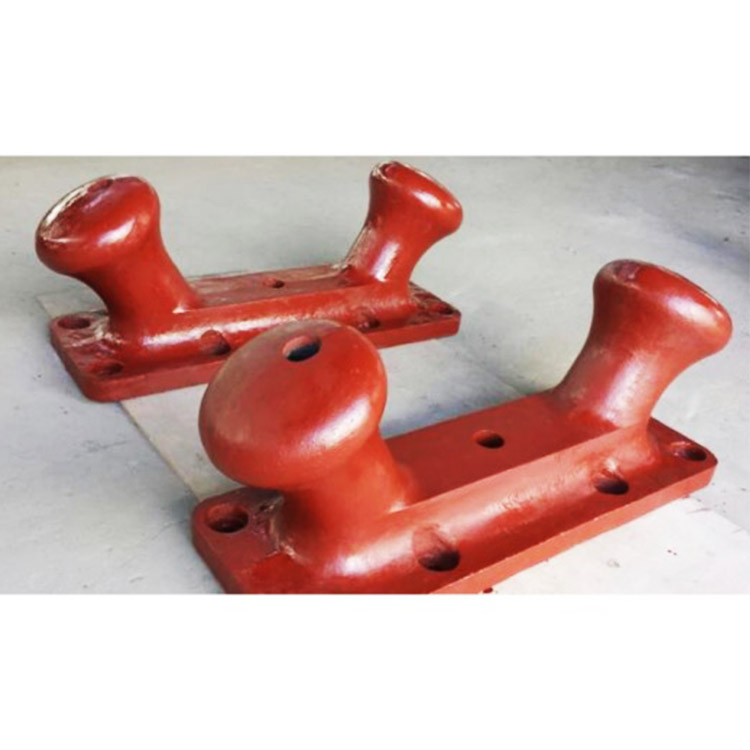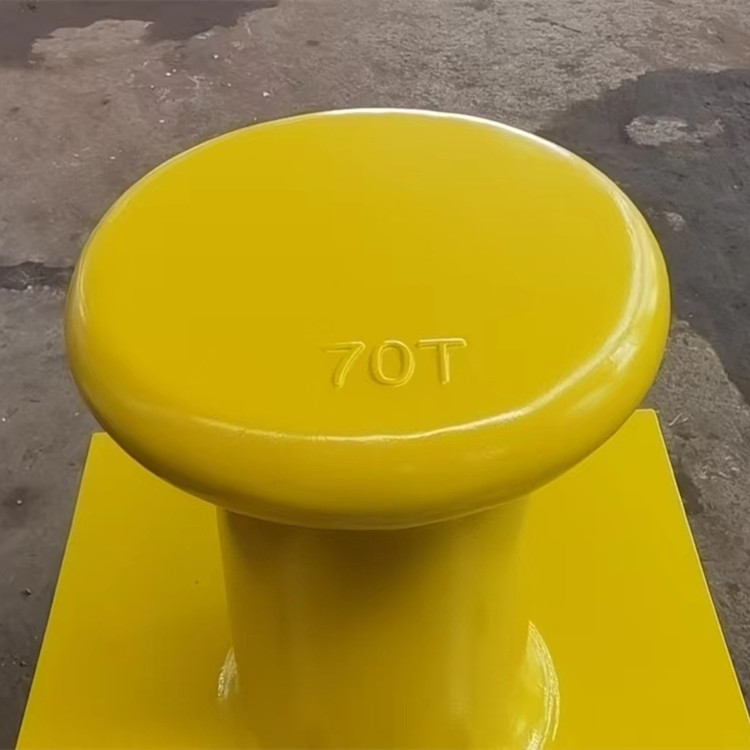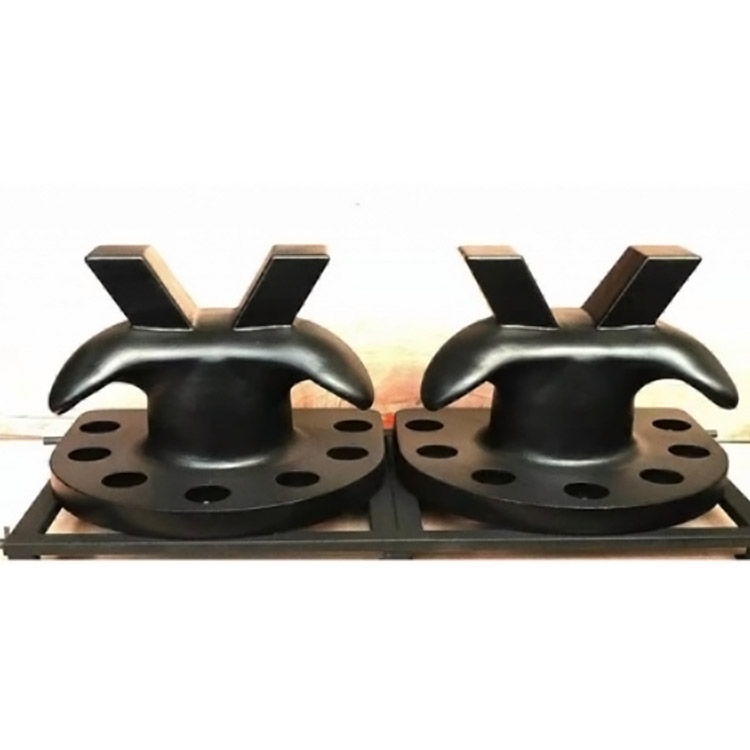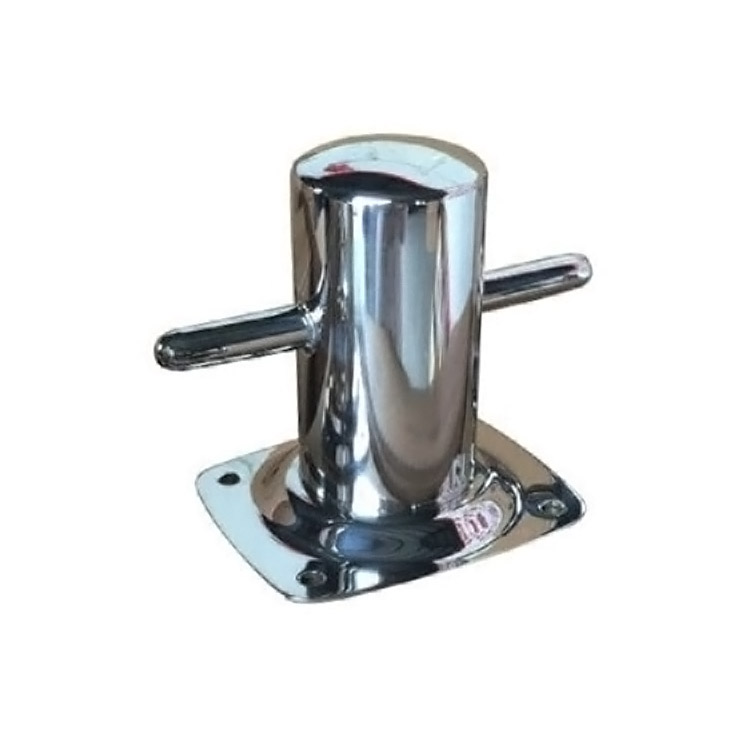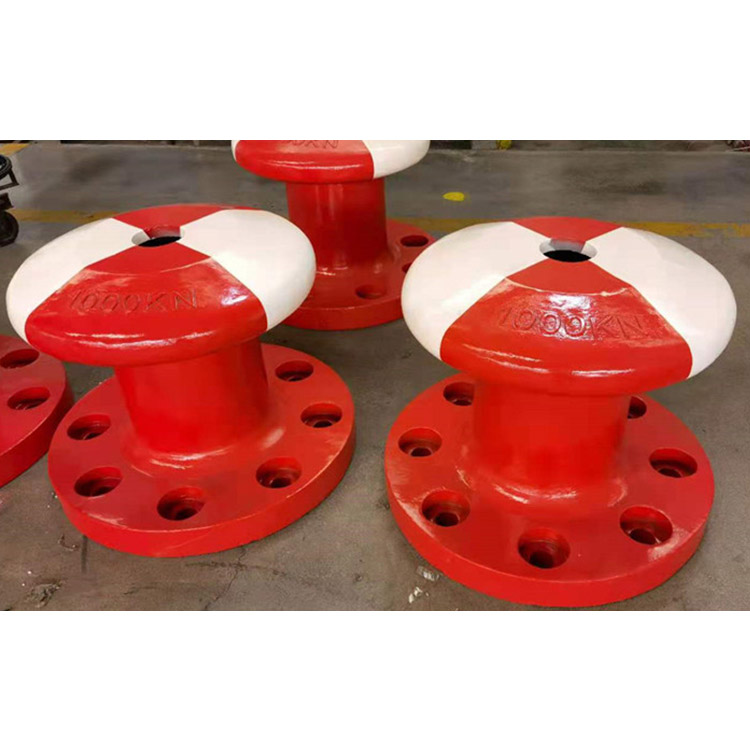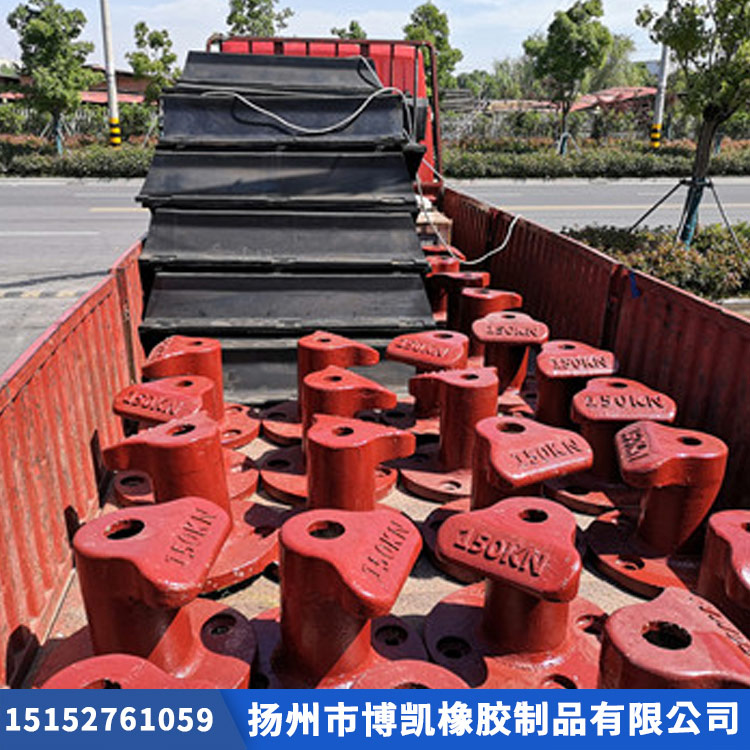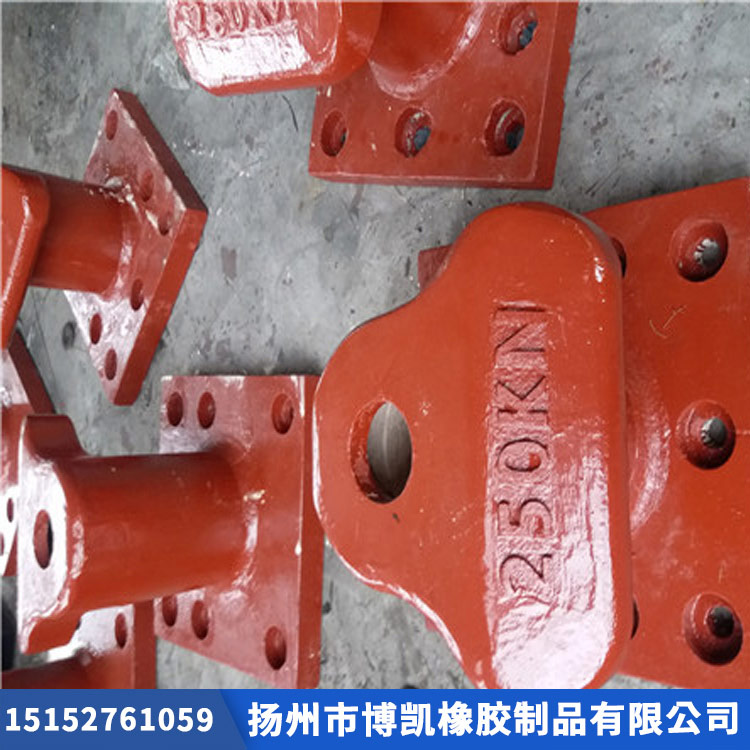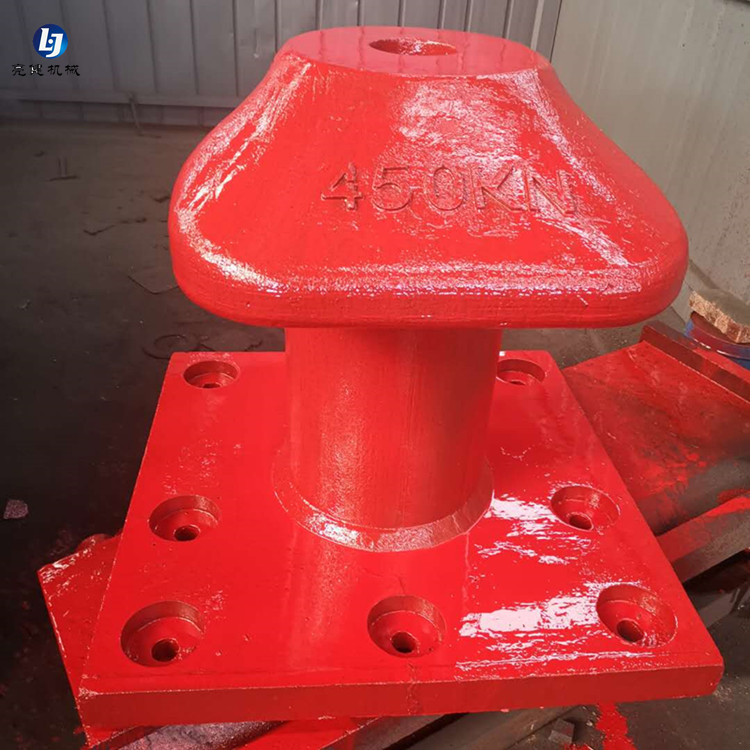

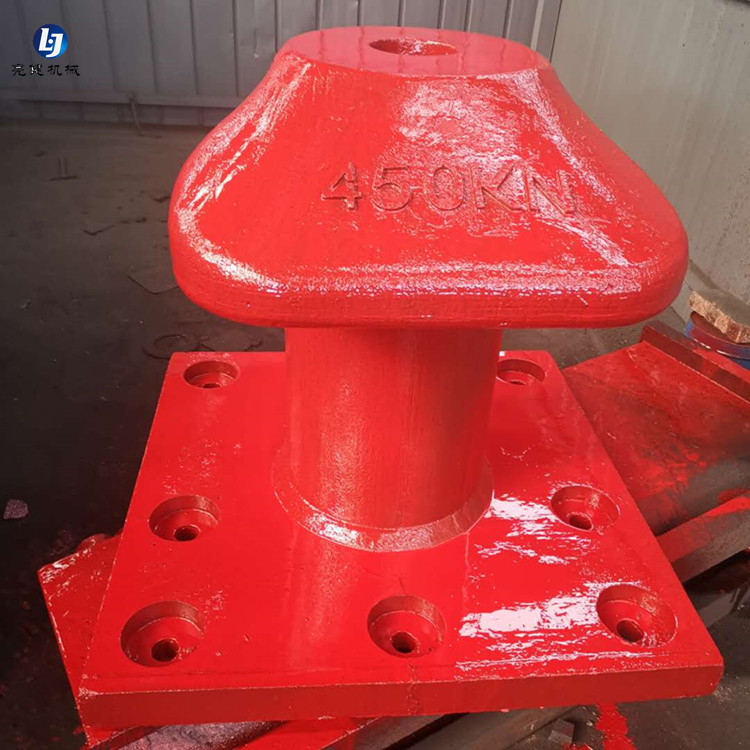
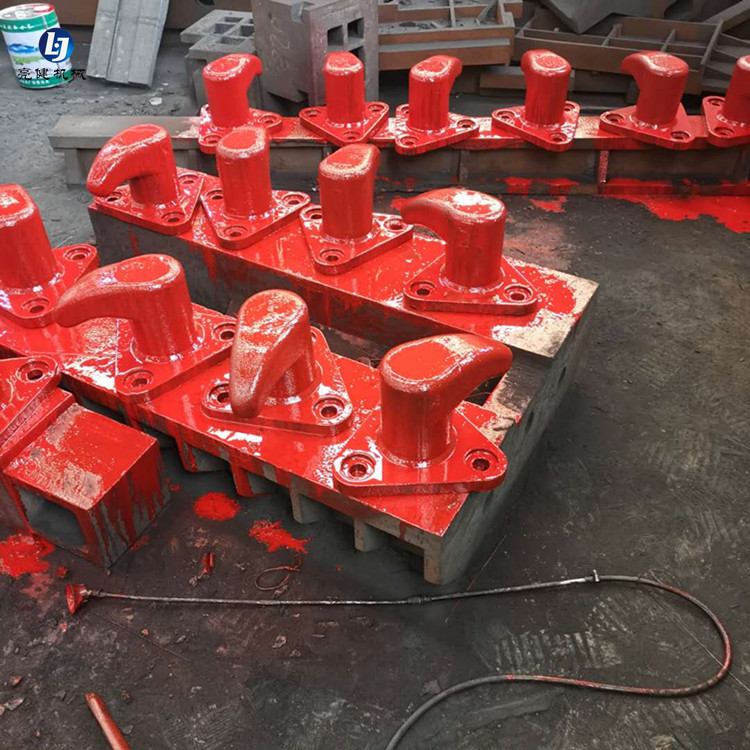
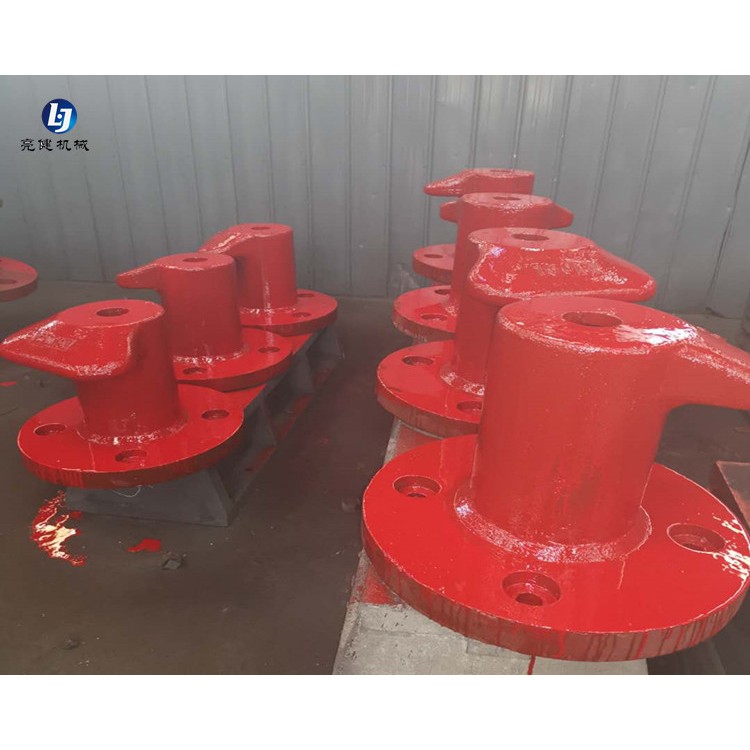


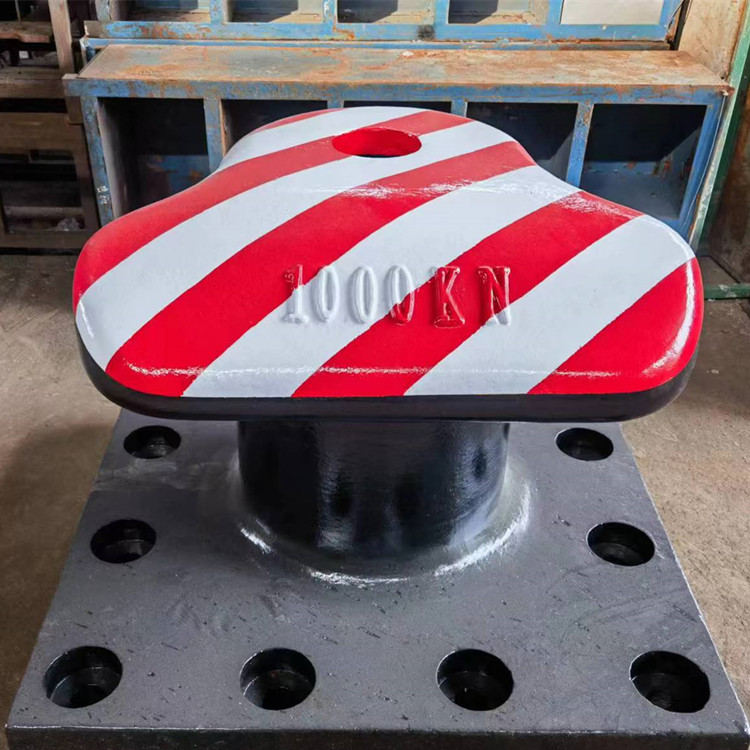
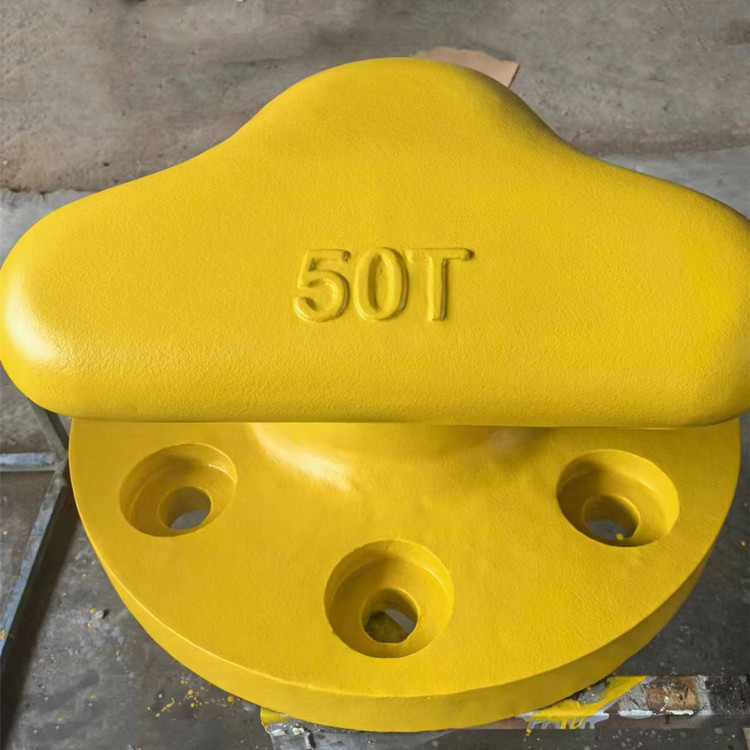
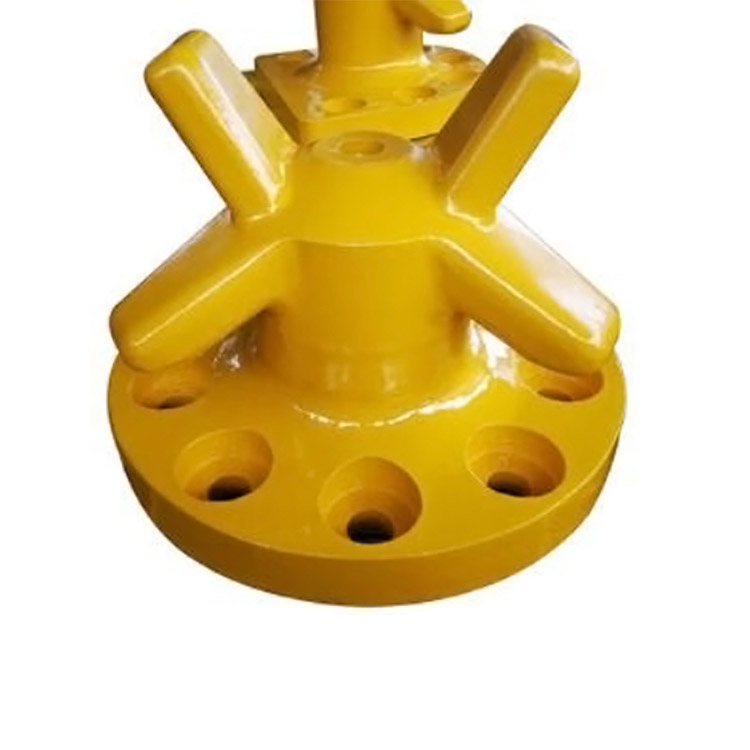
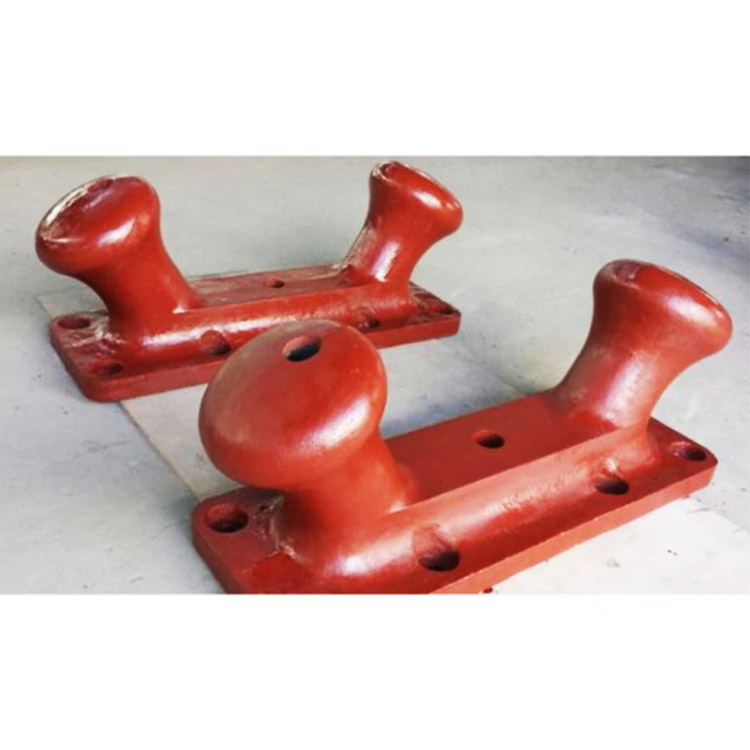
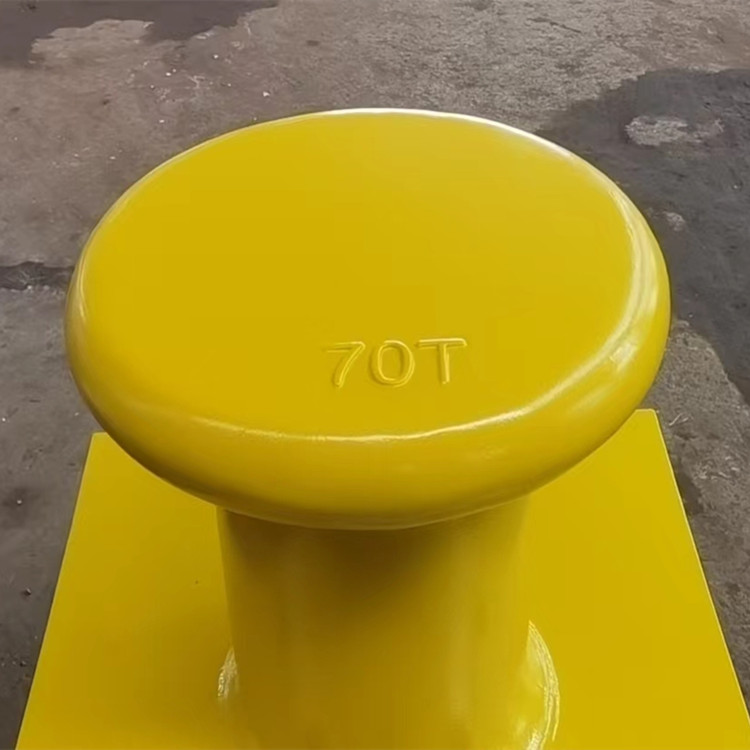





The selection of mooring columns is based on berth capacity and dock structure design, to meet the safety, reliability, and ease of use requirements for ship berthing, berthing, relocation, and turning operations. The mooring column consists of a shell, anchor rods, nuts, washers, anchor plates, and column core packing. The mooring column is divided into cast iron (HT200) and cast steel (ZG230-450), with specifications and models ranging from 50KN to 2000KN
According to their purposes, there are ordinary mooring bollards, storm mooring bollards, test mooring bollards, etc.
The position of ordinary mooring ships is generally about 0.5-0.8 meters away from the front line. If it is too close, it is easy to be hit by ships when they approach, and it is also unsafe to operate with cables; Being too far back can hinder the operation of loading and unloading machinery and damage the cables. For the loading and repair docks, due to the presence of electrical boxes and other facilities at the front edge, it is required that the mooring columns be slightly away from the front edge line, approximately 0.8-1.0 meters.
Storm bollards are used to anchor ships during storms and are usually located behind the dock. Some ports do not have storm bollards due to the low chance of being hit by typhoons or when ships are not sheltered in the harbor during strong winds; Some ports, in order not to hinder the operation of loading and unloading transportation machinery, do not install storm bollards behind the dock, but instead increase the size of ordinary bollards so that they can also be used in strong winds.