











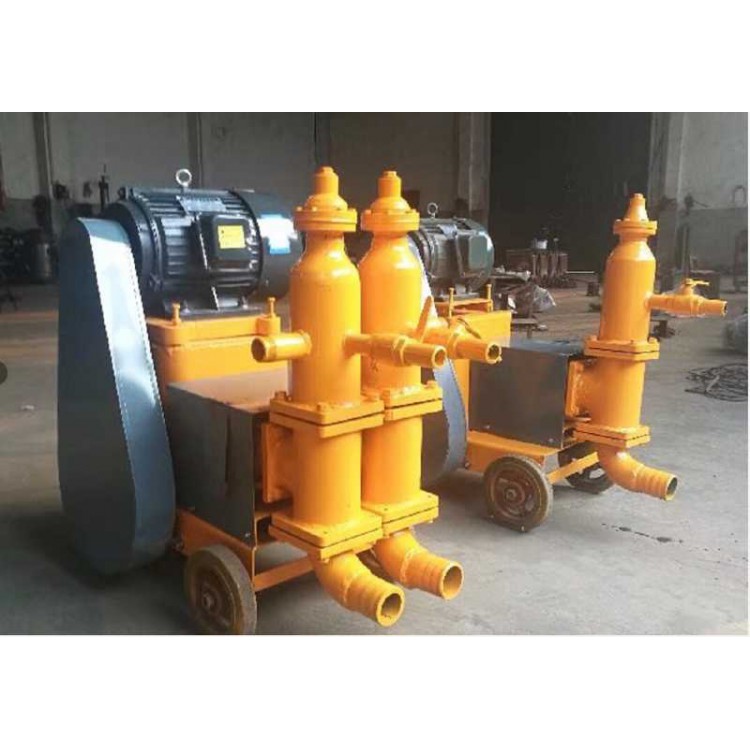
Specification of mortar pump
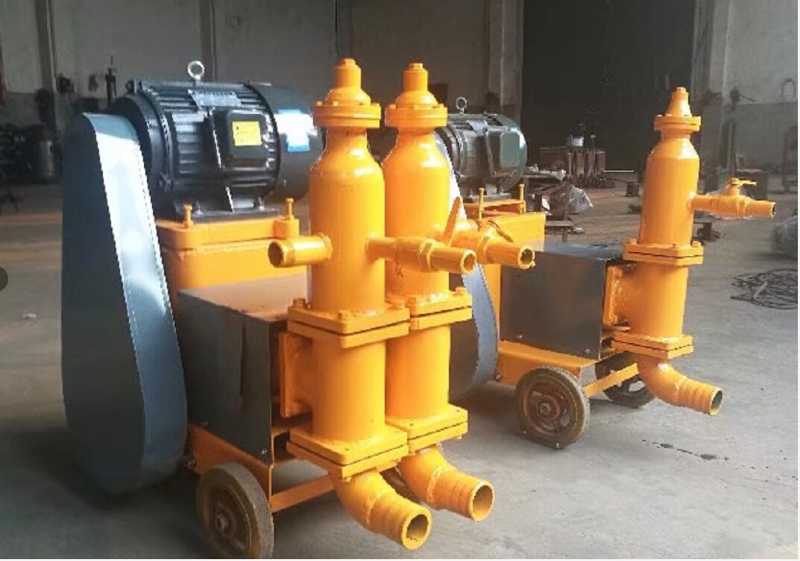
Product Features 1. The pump has an advanced structure, high rated output pressure, large displacement, high efficiency, easy to move, and convenient to use and maintain; 2. Fully functional, capable of injecting single component slurry or two-component slurry; It can be injected with chemical slurry or other slurries such as cement; Each cylinder works synchronously, the mixing ratio can be adjusted, and the mixture is uniform; And it can be used as an emulsion pump, hydraulic pump, etc. for other occasions; 3. Good safety, can be safely used in flammable, explosive, temperature and humidity changing places; 4. Parameters can be adjusted according to different customer needs. Meet the special requirements of different pressures, flow rates, and conveying media; 5. It can work with three or two cylinders, achieving the requirement of 4:1 or 1:1 slurry mixing ratio. The pump has high pressure and large output flow, which can meet the high-intensity injection application.
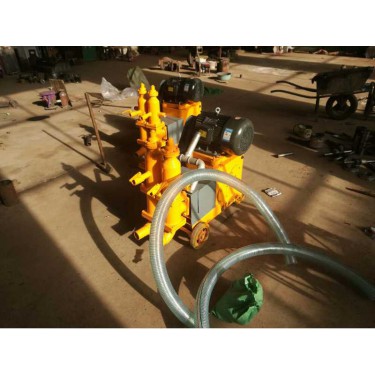
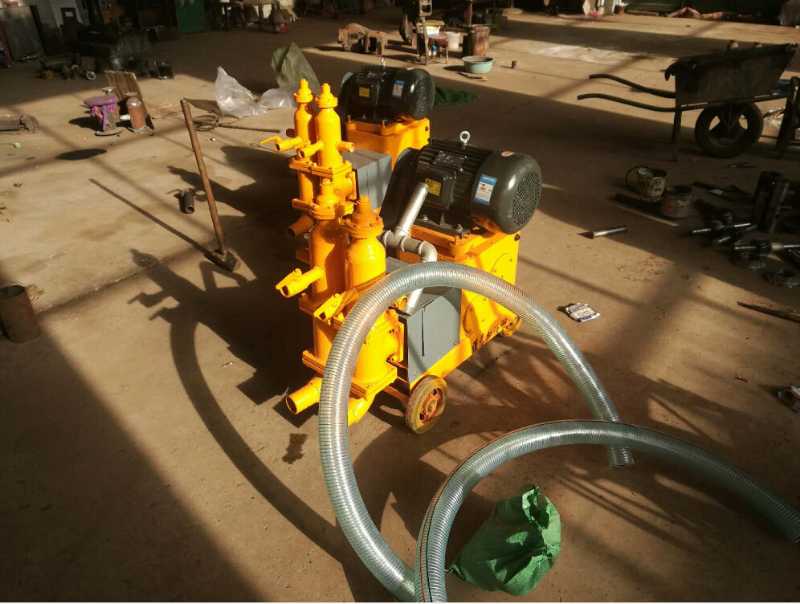
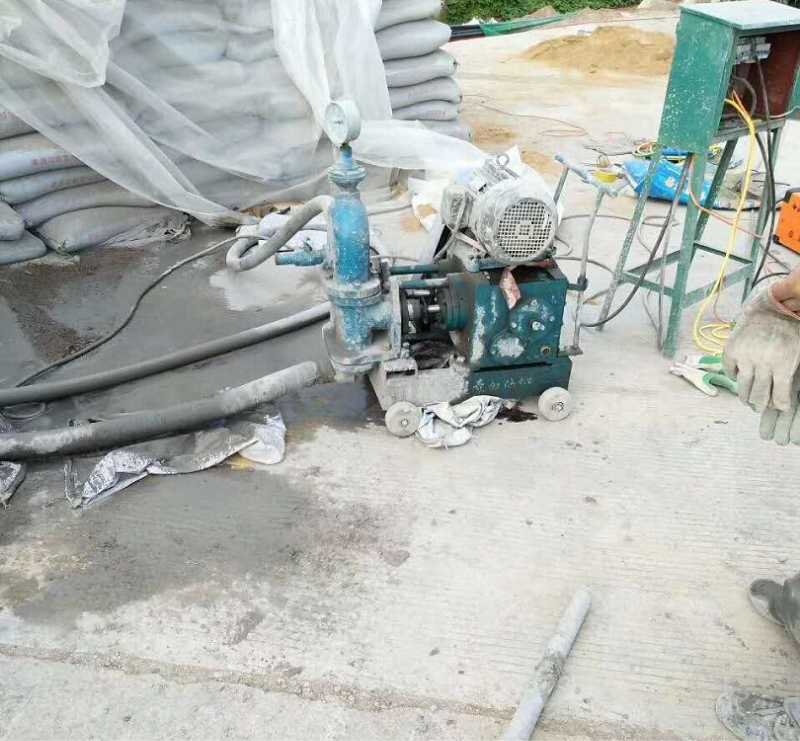
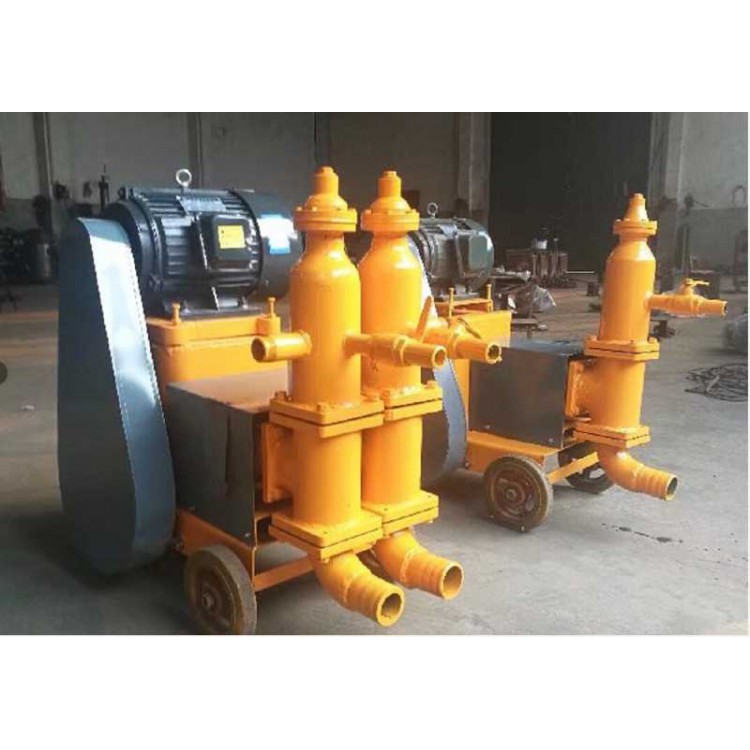
Style of mortar pump
2 pump casing The function is to enclose the impeller in a certain space, so that liquid can be sucked in and squeezed out by the action of the impeller. The pump casing is often made in the shape of a snail shell, hence it is also known as a snail shell. Due to the gradual expansion of the cross-sectional area of the flow channel, the high-speed liquid ejected from around the impeller gradually reduces its flow velocity, effectively converting some kinetic energy into static pressure energy. The pump casing not only collects the liquid thrown out by the impeller, but also serves as an energy conversion device
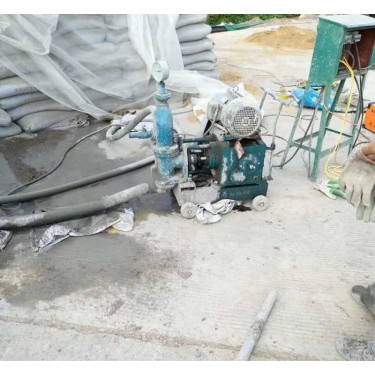
Description of mortar pump
2. Pump shaft broken The material used for the pump shaft of the mortar pump is 99% alumina porcelain. The main reason for the broken pump shaft is due to the dry wear of the bearings caused by the pump running empty. When disassembling the pump for inspection, it can be seen that the bearings are severely worn. The main way to prevent the pump from breaking is to avoid idling.