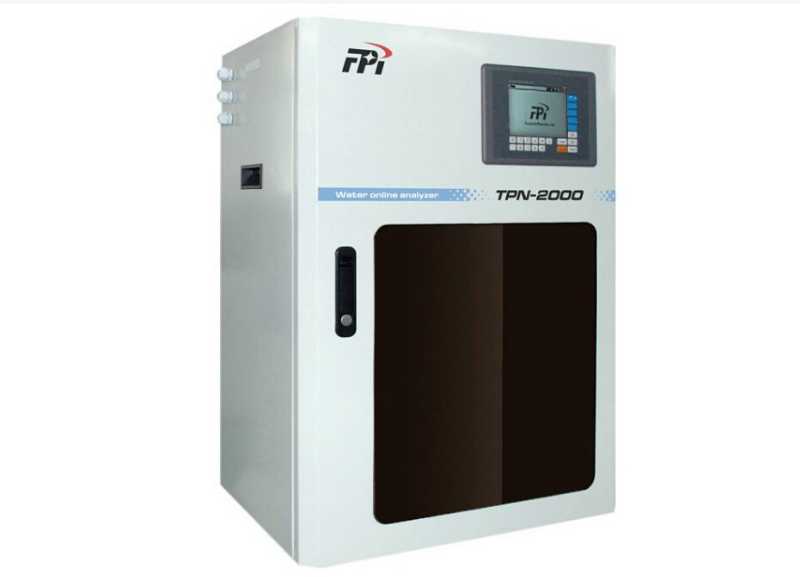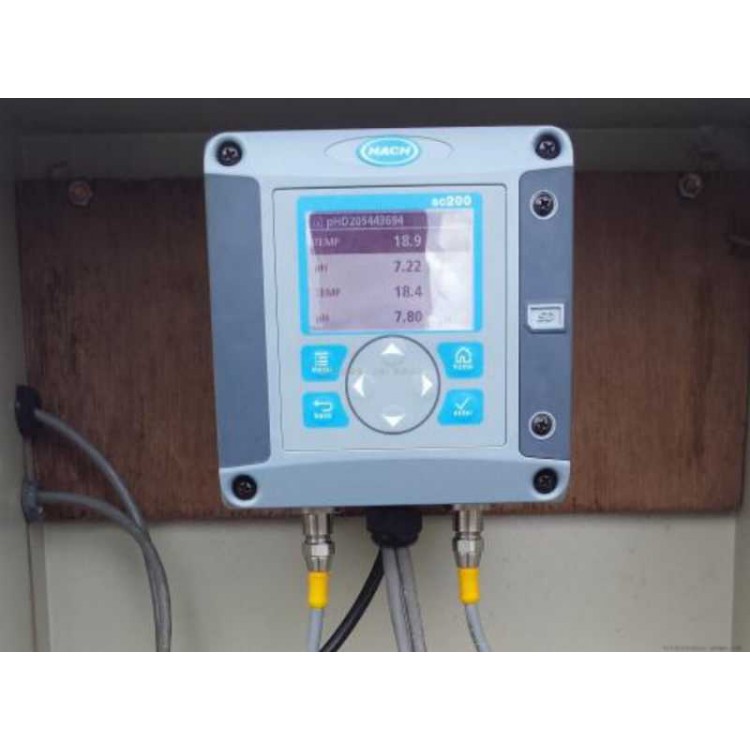












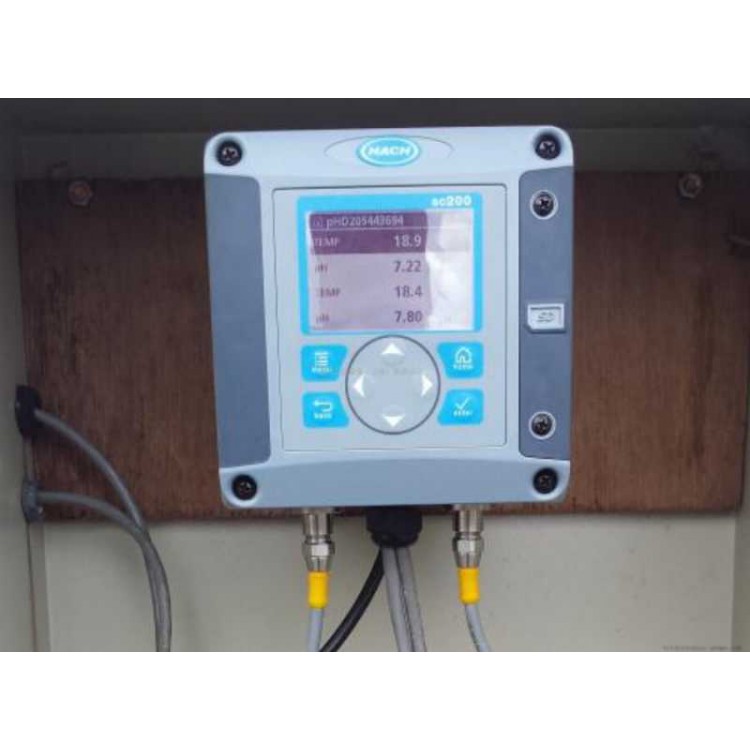
Introduction to Online Water Quality Analyzer
With the high attention of the government and the public to water environment protection and drinking water safety, as well as the increasing huge environmental protection funds from the government year by year, especially under the framework of the environmental monitoring technology route with Chinese characteristics of "automatic monitoring as the main mode and manual monitoring as the auxiliary mode", China has gradually developed into a single market for online water quality analysis instruments in the global field of surface water quality automatic monitoring and wastewater pollution source discharge automatic monitoring. The national environmental protection department issued and implemented the industry standard HBC 6-2001 "Technical Requirements for Environmental Product Certification - Chemical Oxygen Demand (CODCr) Water Quality Online Automatic Monitoring Instrument" on June 4, 2001. This is the online water quality analysis instrument standard used by China for automatic monitoring of wastewater pollution source emissions. In the following years, various relevant government departments also successively issued multiple online water quality analysis instruments and industry standards. The release and implementation of standards, coupled with the successful application of online water quality analysis instruments in actual water quality monitoring, have effectively promoted the development of China's water quality online analysis instrument market and technological progress.
Specification of online water quality analyzer
Later, standardization further supported the development of online water quality analysis instrument technology and industry. The International Organization for Standardization (ISO) developed the standard ISO 15839-2003 "Water Quality Online Sensors/Analytical Equipment - Water Quality Specification and Performance Testing" in 2003, which defines the performance characteristics of online water quality analysis instruments and establishes testing procedures for evaluating and determining performance characteristic parameters. This universal standard provides a basis for the development, production, and acceptance of online water quality analysis instruments. In the decade since entering the 21st century, China has also issued a large number of standards and a series of industry standards related to online water quality analysis instruments. The publication and implementation of these standards provide a reliable technical guarantee for the application and development of online water quality analysis instruments.
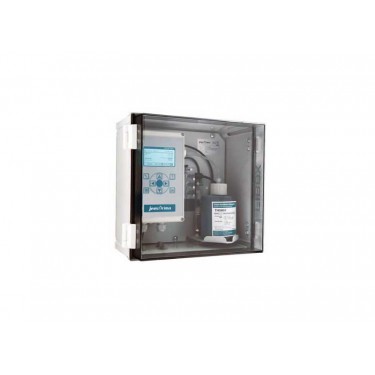
Customized online water quality analyzer
Optical analysis is a method of analyzing a test sample based on the emission or absorption of electromagnetic radiation by a substance, as well as the interaction between the substance and electromagnetic radiation (luminescence, absorption, scattering, photoelectron emission, etc.). It can be divided into two categories: spectral methods and non spectral methods. Non spectral analysis method is a quantitative and qualitative analysis method based on changes in the direction or physical properties of radiation caused by a substance, detecting a certain physical and optical property of the measured substance. Non spectral analysis method does not consider changes in the internal energy of the substance, including refraction method, scattered light method, etc. Spectral analysis is a method of qualitative, quantitative, and structural analysis based on the intrinsic relationship between light radiation energy and material composition and structure, or on the measurement of spectra or spectra, utilizing the spectral characteristics of substances. According to the transition of material energy levels, spectroscopic analysis can be divided into three basic types: luminescence spectroscopy (including molecular fluorescence analysis, X-ray fluorescence analysis, etc.), absorption spectroscopy (including UV visible spectrophotometry, infrared spectrophotometry, etc.), and scattering spectroscopy (such as the recently popular Raman scattering spectroscopy).