







Specification of air drying oven
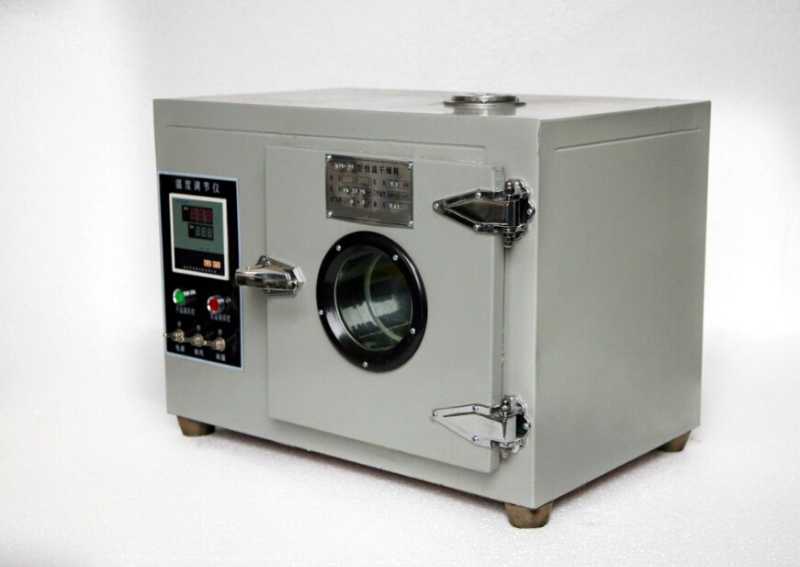
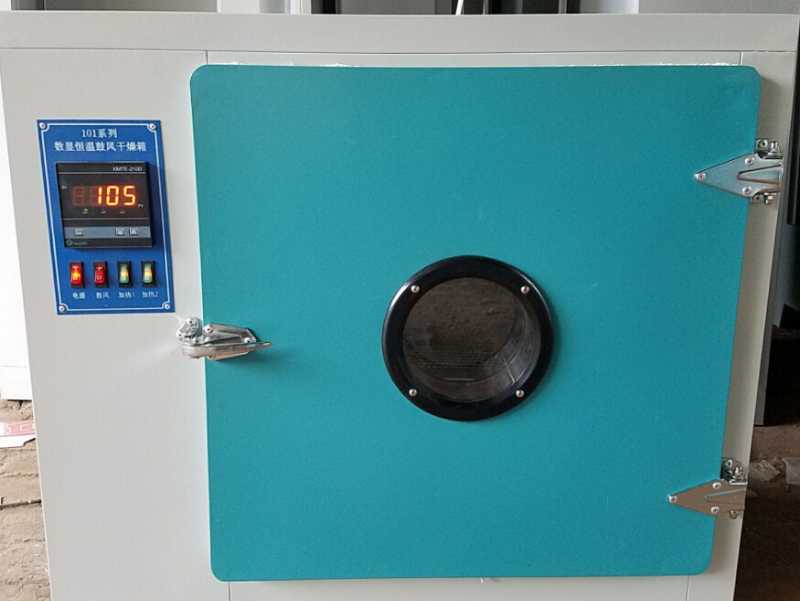
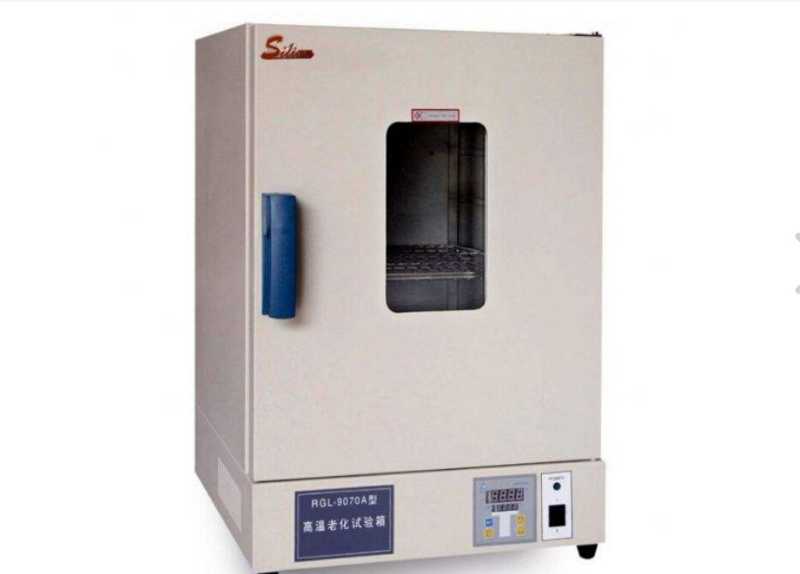
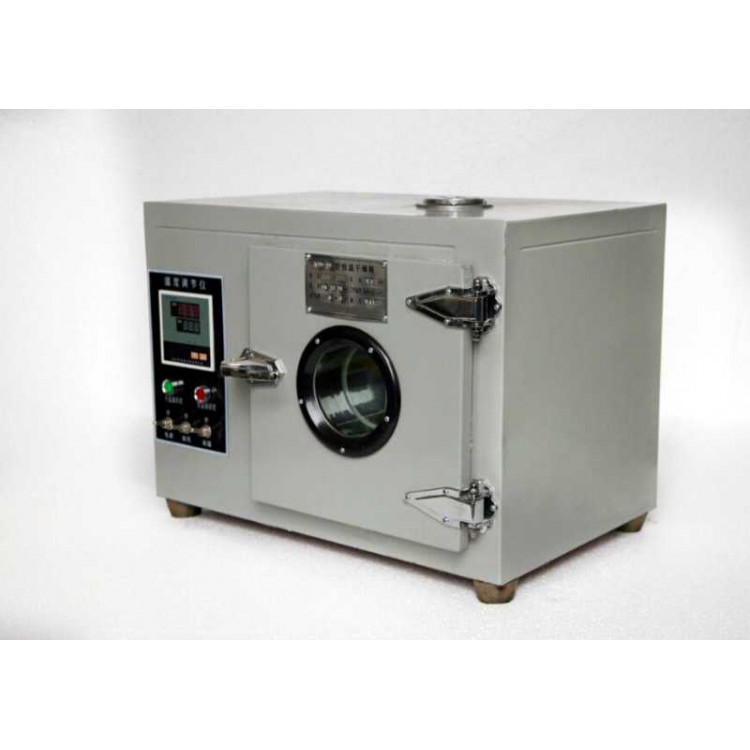
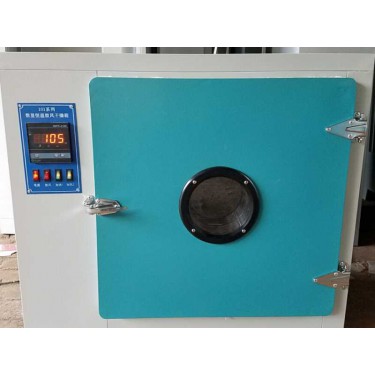
The difference between desktop and vertical air drying oven (1) Vertical air drying oven adopts a rectangular floor structure, usually placed directly on the laboratory floor, and the test instruments are usually placed on the drying oven for easy operation. Vertical forced convection in a vertical position to ensure uniform temperature inside the workspace. Generally applicable for drying and various temperature adaptability tests of various products or materials, as well as electrical, instrumentation, chemical, food, chemical, etc. under constant temperature environmental conditions. The desktop blast drying oven adopts a horizontal box structure, with the instrument on the right side of the box. The box is small and easy to move for testing. The hot air circulation system is composed of fans and special air ducts that can continuously operate at high temperatures. The temperature in the workshop is uniform, and it is used for drying, baking, melting, disinfecting, and sterilizing non flammable, explosive, and non-volatile materials in industrial and mining enterprises, colleges and universities, biopharmaceuticals, food processing, scientific research, medical institutions, and various laboratories.
Description of air drying oven
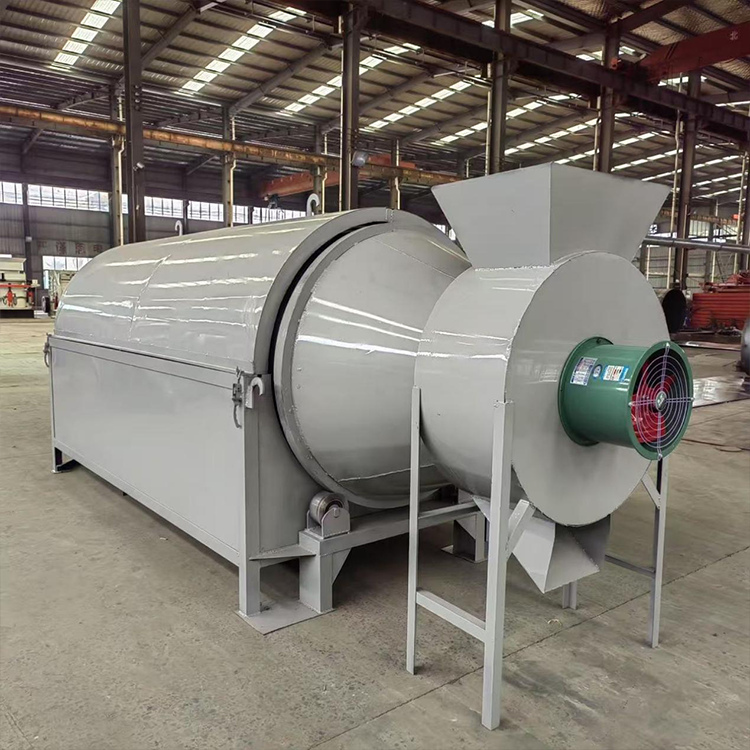
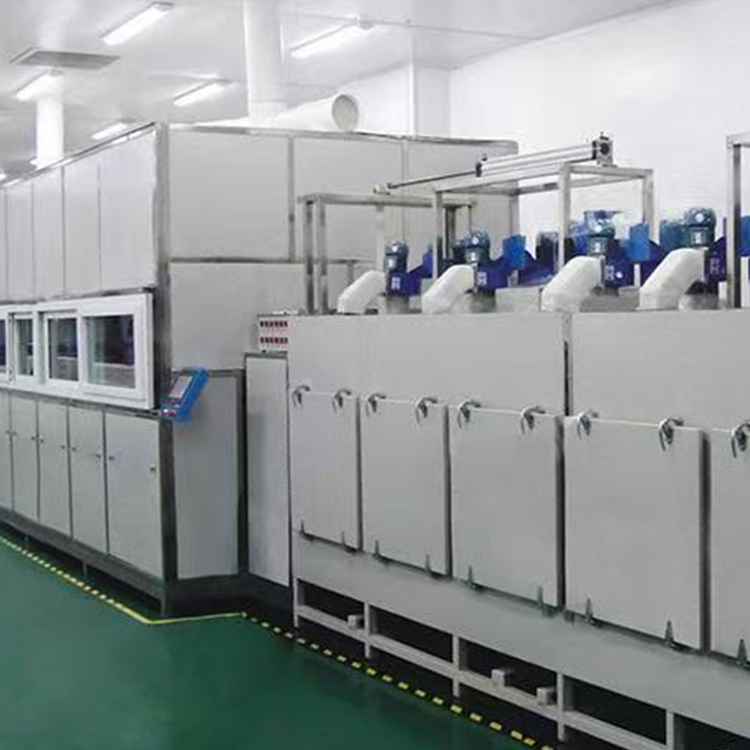
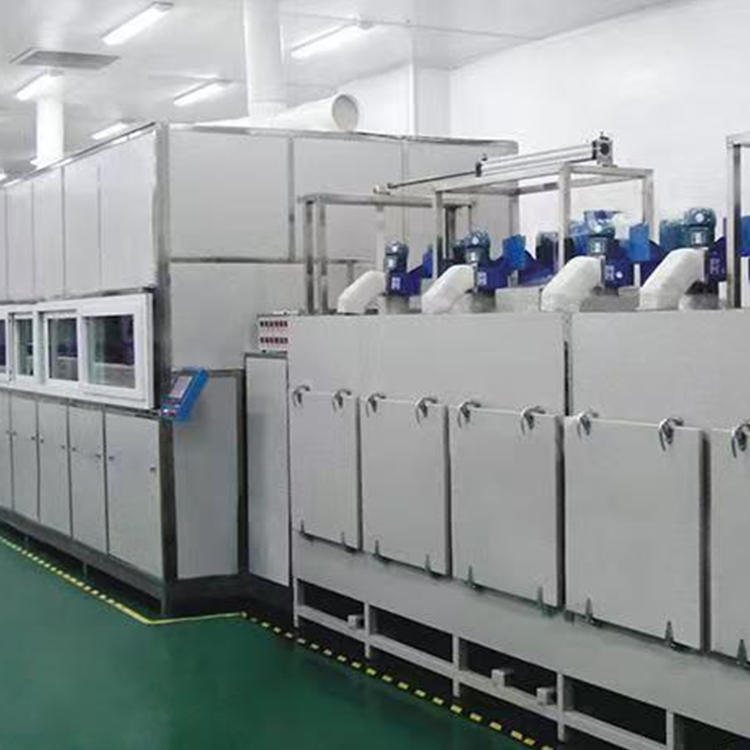
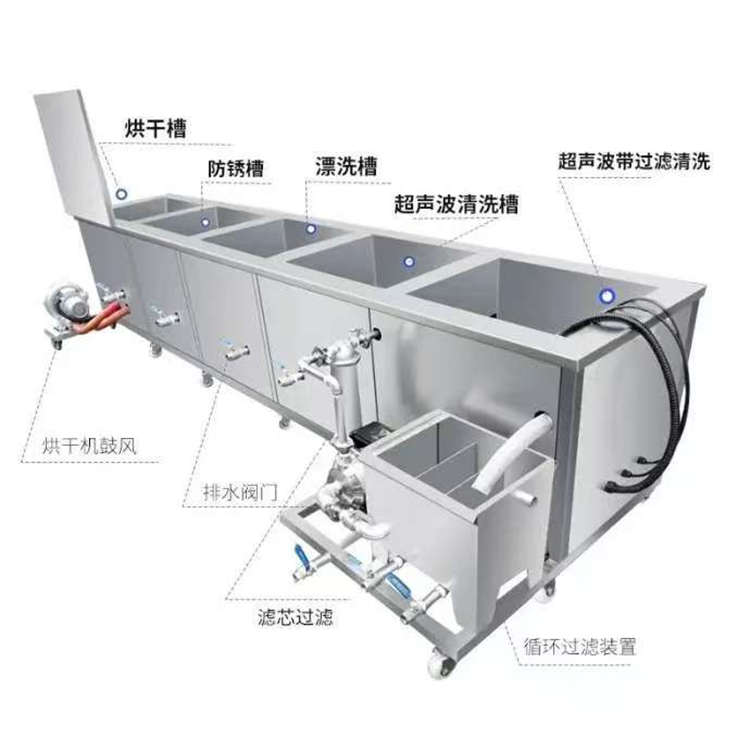
Everyone knows that high-temperature blast drying ovens are used in industries such as chemical, electronic communication, plastics, cables, electroplating, hardware, automotive, optoelectronics, rubber products, molds, spraying, printing, medical, aerospace, and higher education institutions. But do you know how many types their devices can be divided into? Next, let me introduce to you the common types: 1 High temperature blast drying oven; Combining the functions of curing and drying furnaces. 2. Reflux oven; A machine is mainly used for reflow soldering surface mount electronic components, printed circuit boards (PCBs). 3. Conveyor or continuous oven; Usually, as part of an automatic conveyor processing production line, the conveyor furnace allows for higher batch processing. 4. High temperature blast drying oven and curing oven; Once a specific temperature is reached, a substance that triggers a chemical reaction. Powder coating is used in a regular curing oven. 5. Batch ovens; Also known as a cabinet or oven, it is used for curing, drying, or baking small batches using wheeled shelves, carts, or trucks. Large quantities of ovens are often found in places such as supermarkets and bakeries. 6. High temperature blast drying oven; Remove moisture. Typical applications involve pre-processing and drawing. This type of oven is sometimes referred to as a kiln, although they do not reach the same high temperature used in ceramic kilns
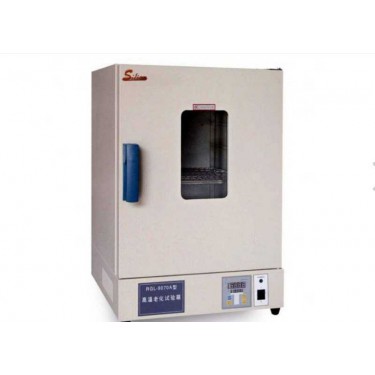
Customized air drying oven
If the blast drying oven is used for constant temperature testing, if there is a large difference between the displayed temperature and the actual temperature, it will definitely affect the test results. Calibration instruments can be used to narrow the difference between the two temperatures. Generally, the manufacturer of the blast drying oven needs to calibrate it before leaving the factory, and different manufacturers may calibrate it in different ways. The specific calibration method should be operated according to the instrument manual. Domestic drying oven manufacturers usually use temperature controllers with two temperature control accuracies, one is 0.1 degrees and the other is 1 degree. If a suitable drying oven is chosen, it mainly depends on the user's usage and experimental requirements. For example, the temperature indicators of the drying oven include temperature fluctuation, temperature control accuracy, and temperature uniformity. The temperature fluctuation is usually within plus or minus 1 degree, and better ones can reach plus or minus 0.5 degrees. The temperature control accuracy is 0.1 degrees or 1 degree, Temperature uniformity is controlled within plus or minus 3%, with better control at plus or minus 2.5%