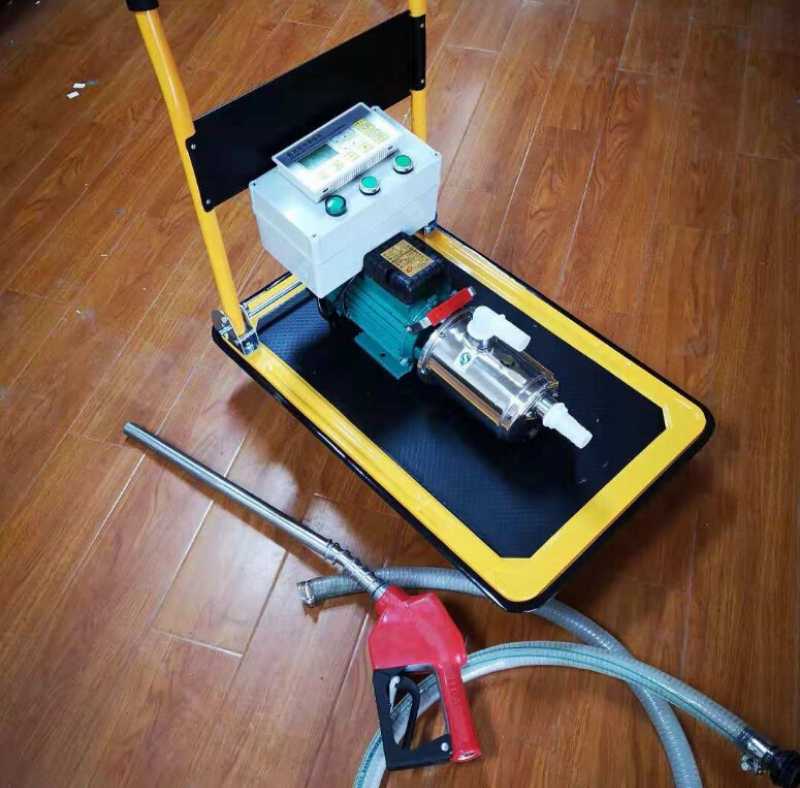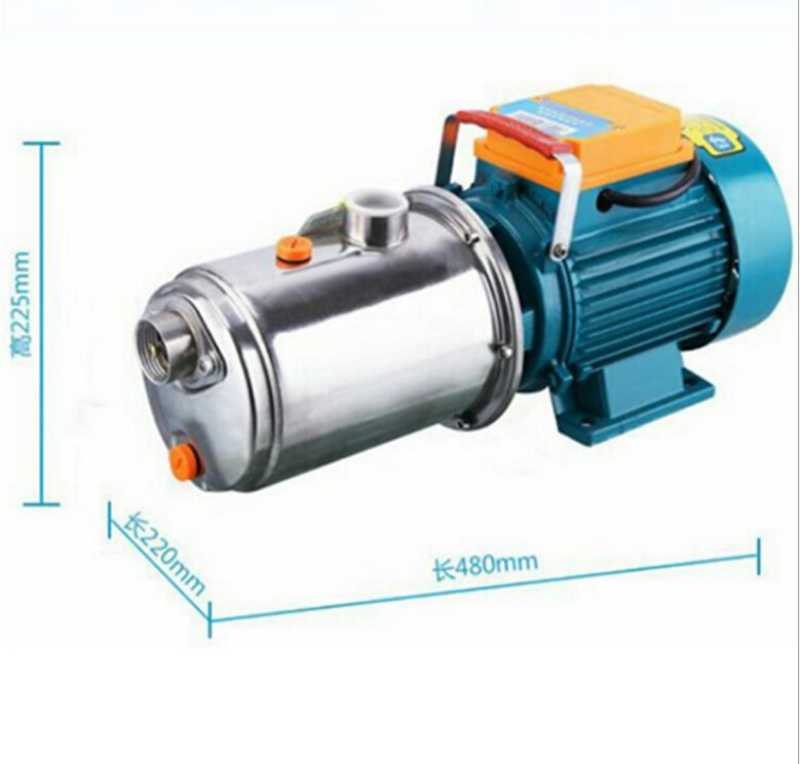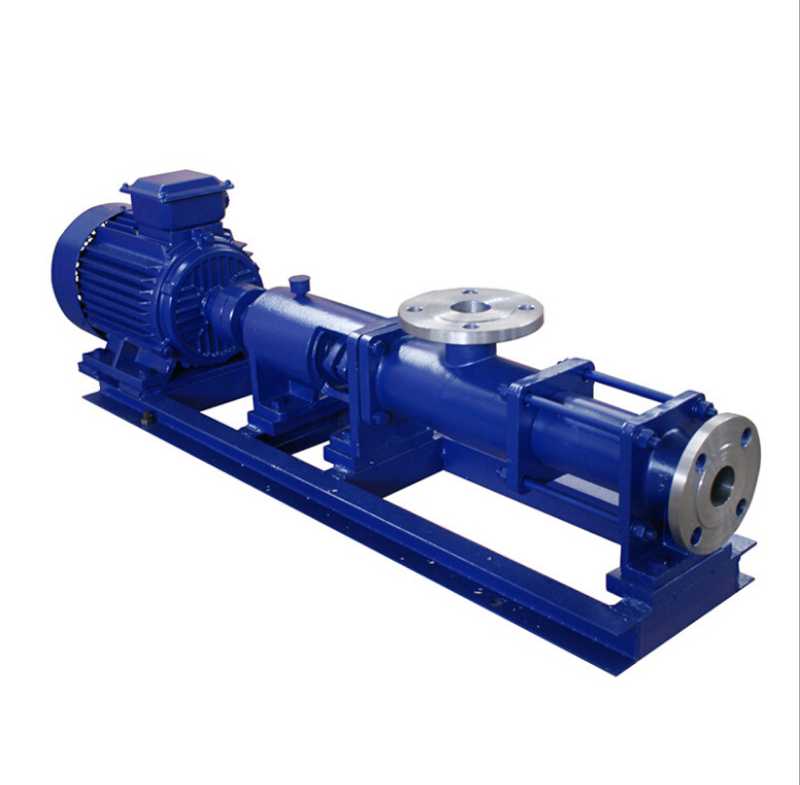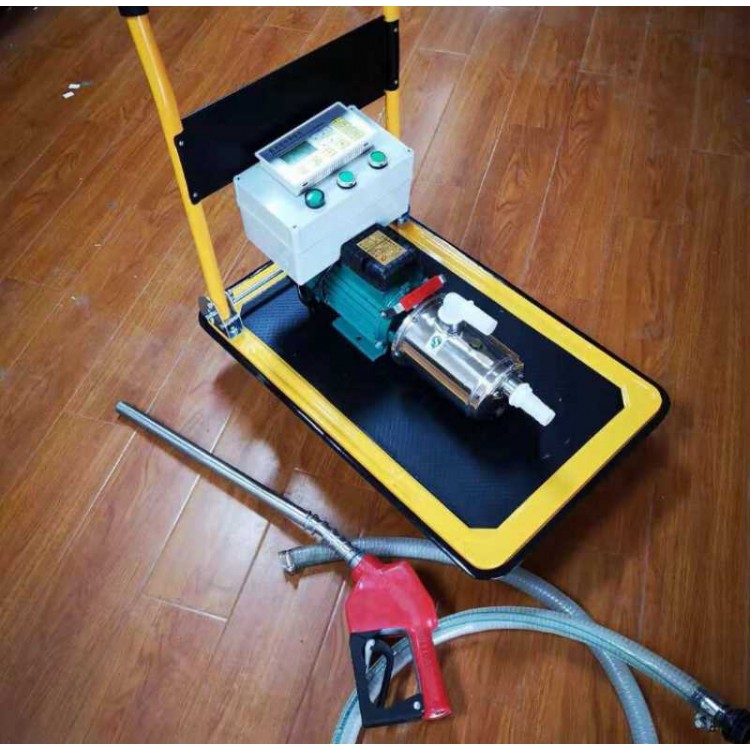













Explanation of screw pump
Single screw pumps have many advantages compared to piston pumps, centrifugal pumps, vane pumps, and gear pumps due to their structure and working characteristics
1. Capable of transporting media with high solid content;
2. Uniform flow and stable pressure, especially at low speeds;
3. The flow rate is directly proportional to the pump speed, thus having good variable adjustability;
4. A pump with multiple uses can transport media of different viscosities;
5. The installation position of the pump can be tilted arbitrarily;
6. Suitable for transporting sensitive items and items that are susceptible to damage such as centrifugal force;
7. Small size, light weight, low noise, simple structure, and easy maintenance.

Screw pump specifications
Quality of screw pump
There are many types of screw pumps, and relatively speaking, imported screw pumps have reasonable designs and excellent materials, but their prices are relatively high, some services are not up to par, accessory prices are high, and ordering cycles are long, which may affect the normal operation of production.
Most domestically produced products are imitations of imported products, and the quality of the products varies greatly. When selecting domestically produced products, when considering their cost-effectiveness, low speed, long lead, excellent transmission component materials, and long rated life are chosen.
Ensure that debris does not enter the pump body
The solid debris mixed in wet sludge can cause damage to the rubber stator of the screw pump, so it is important to ensure that the debris does not enter the pump chamber. Many sewage treatment plants have installed crushers before the pump, and some have installed grid devices or filters to prevent debris from entering the screw pump. The grid should be cleaned up in a timely manner to avoid blockage.
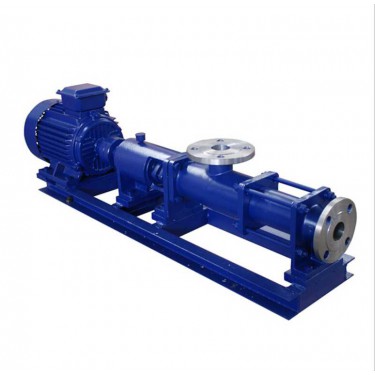
Screw pump style
The device of the screw pump includes three parts: the prime mover, the variable speed transmission device, and the screw pump. Specifically, it consists of screw blades 1, pump shaft 2, and bearing seat
Composed of 3 and shell 4. The screw pump is installed diagonally between the upper and lower water tanks, with the lower blades of the screw pump submerged below the water surface. When the pump shaft rotates, the spiral blades push the water in the pool into the blade groove. Under the action of the rotating blades of the spiral, the water rises step by step along the spiral shaft until it reaches the outlet of the spiral pump. Spiral pumps only change the potential energy of fluids, unlike blade pumps which convert mechanical energy into potential and kinetic energy for transporting liquids