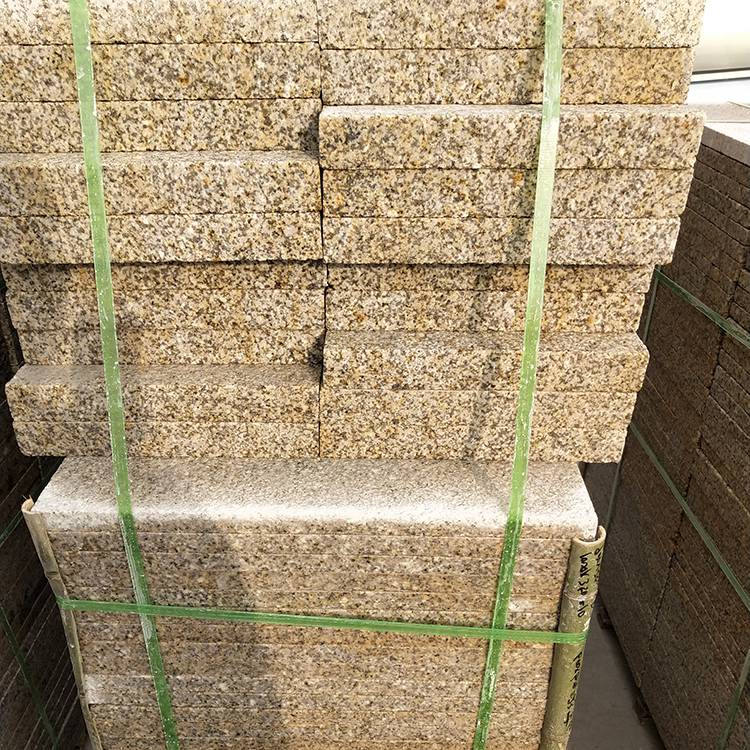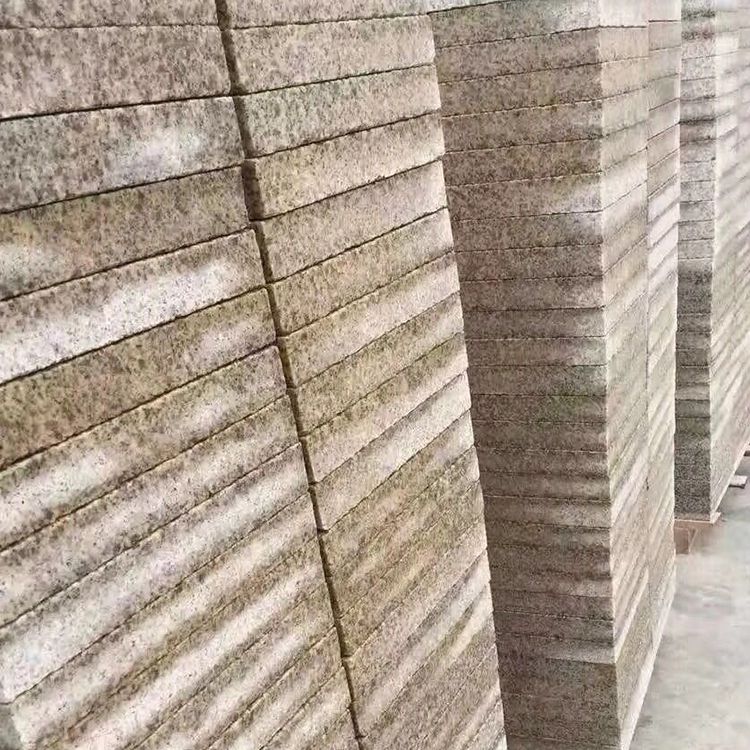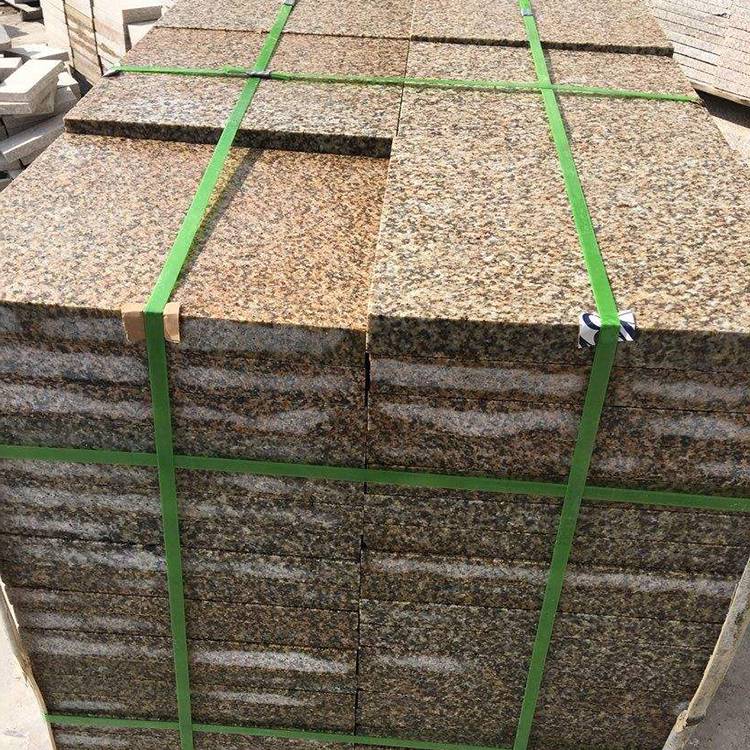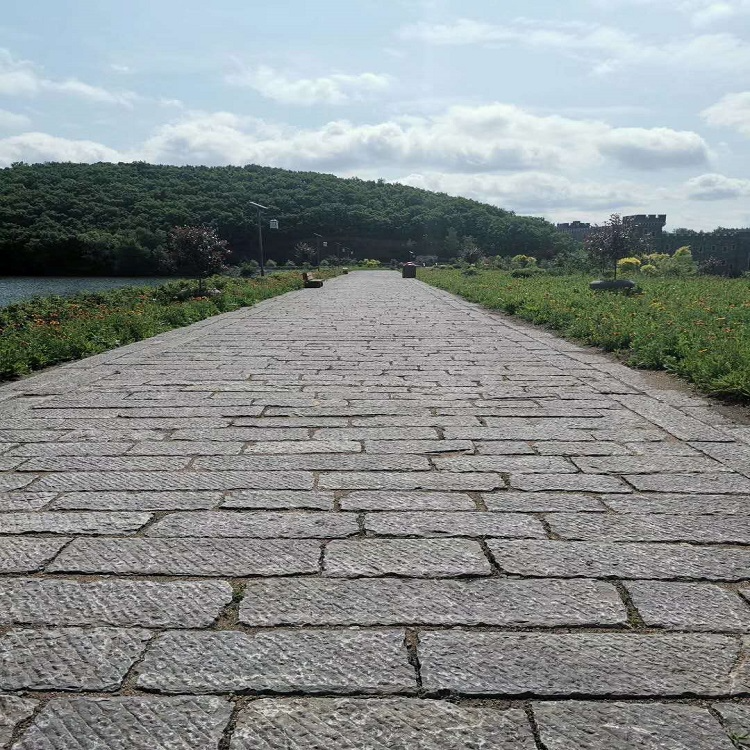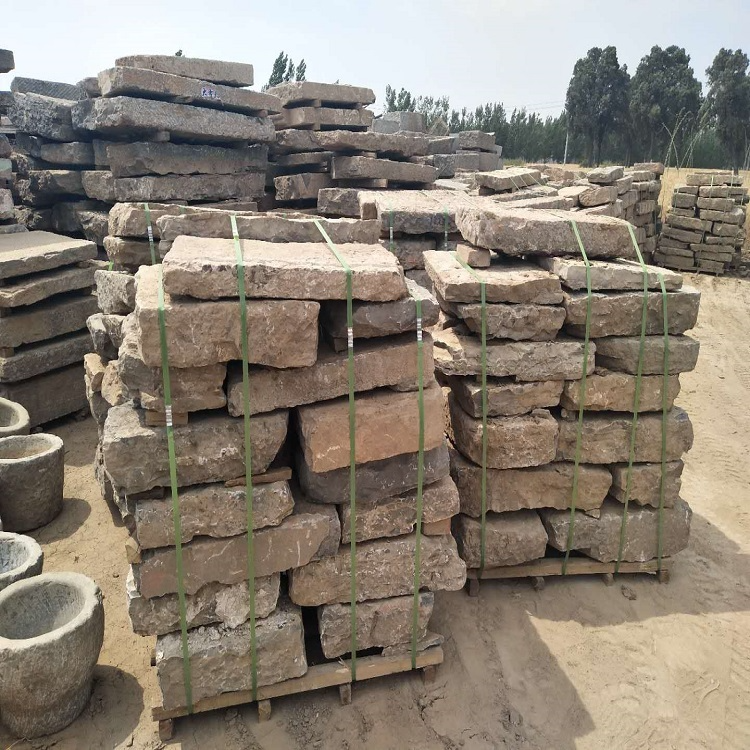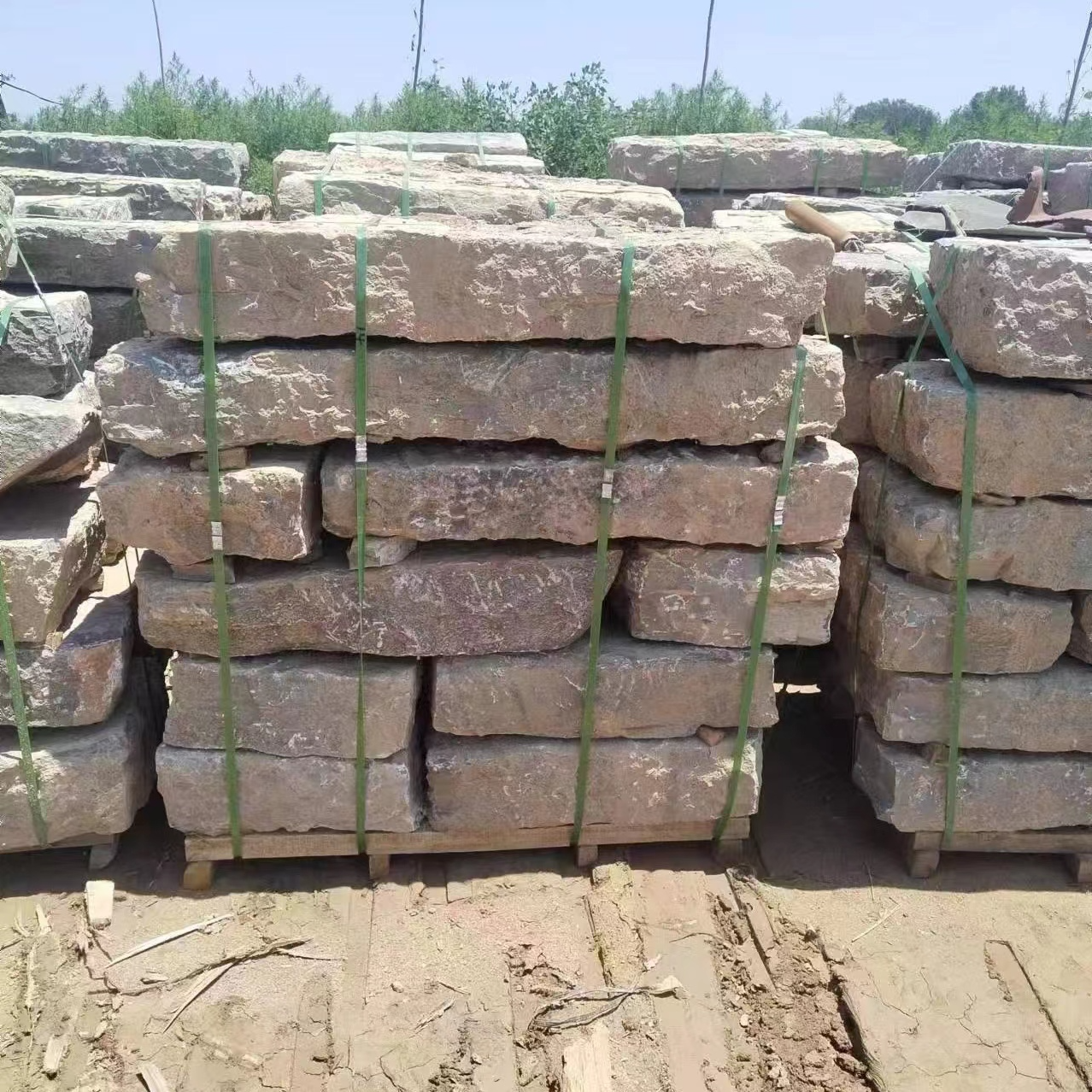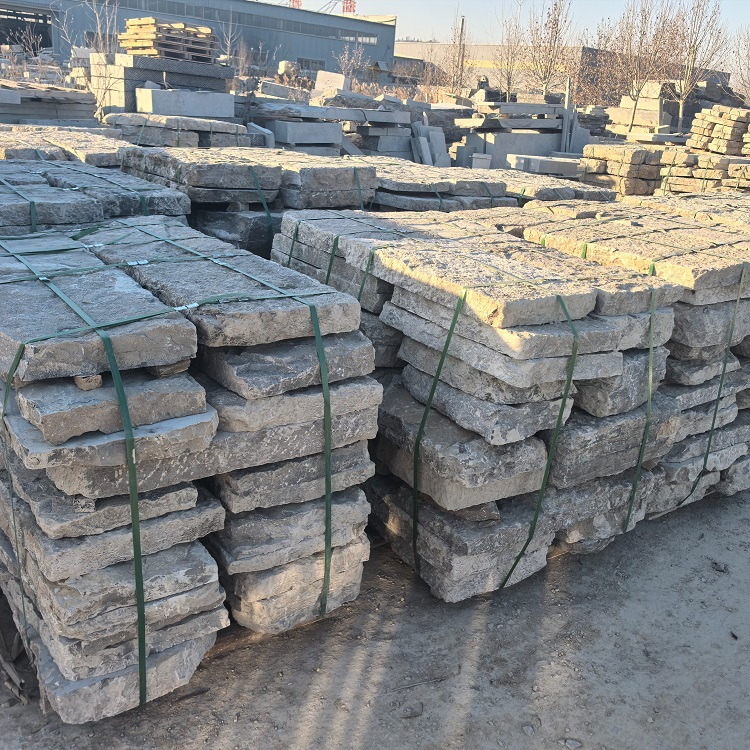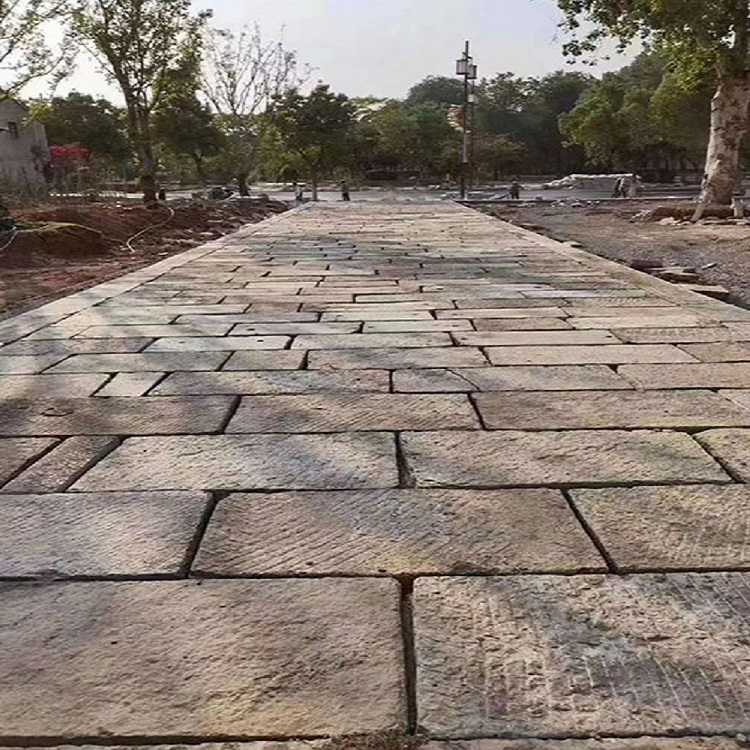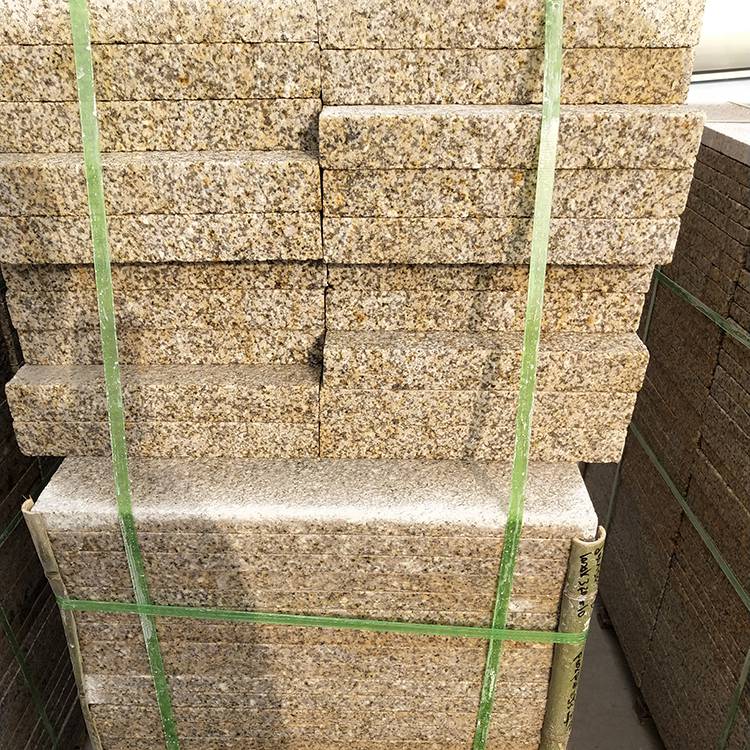

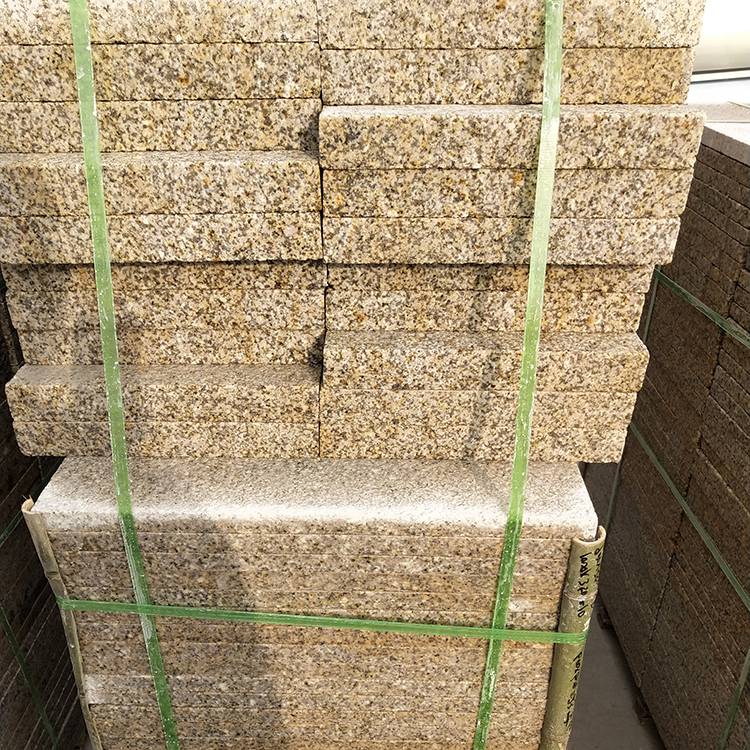
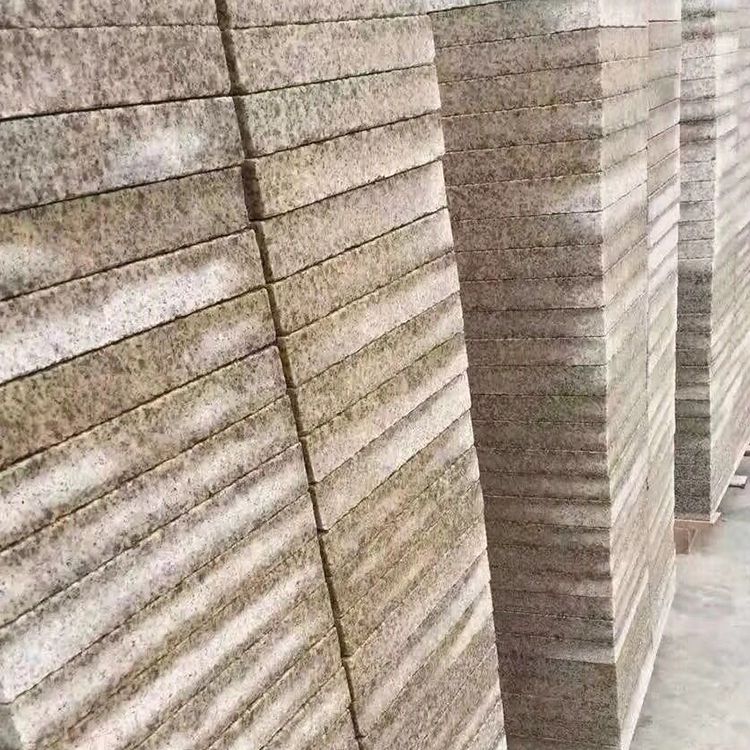
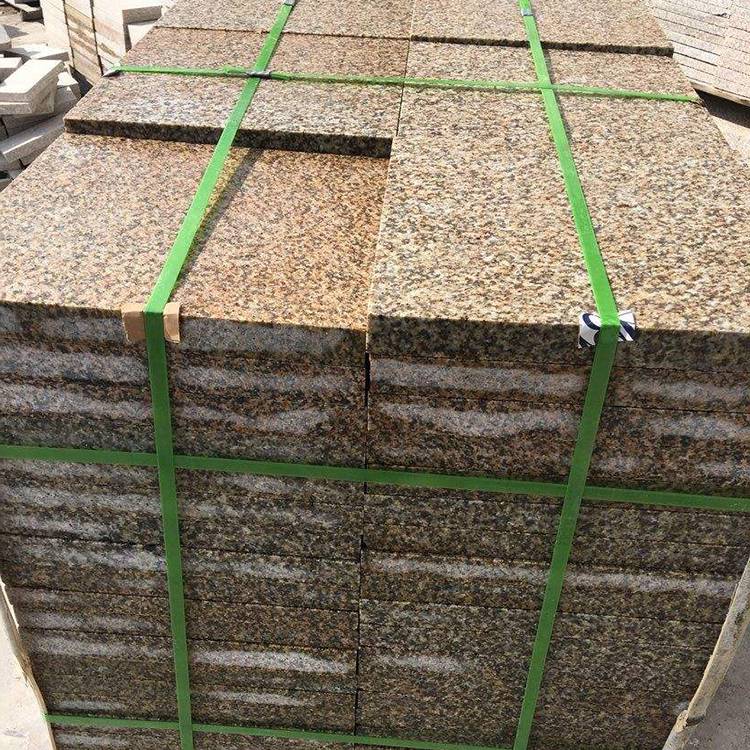


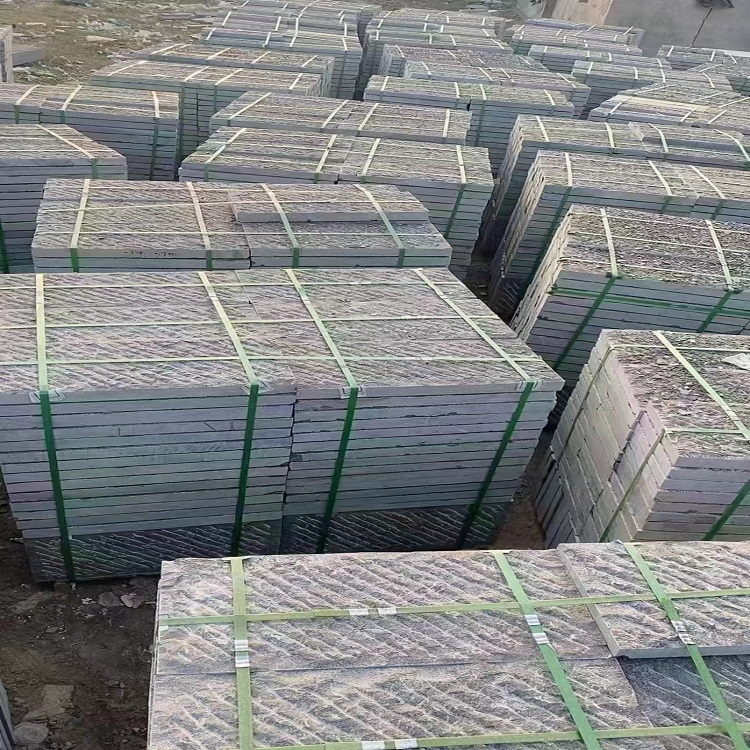
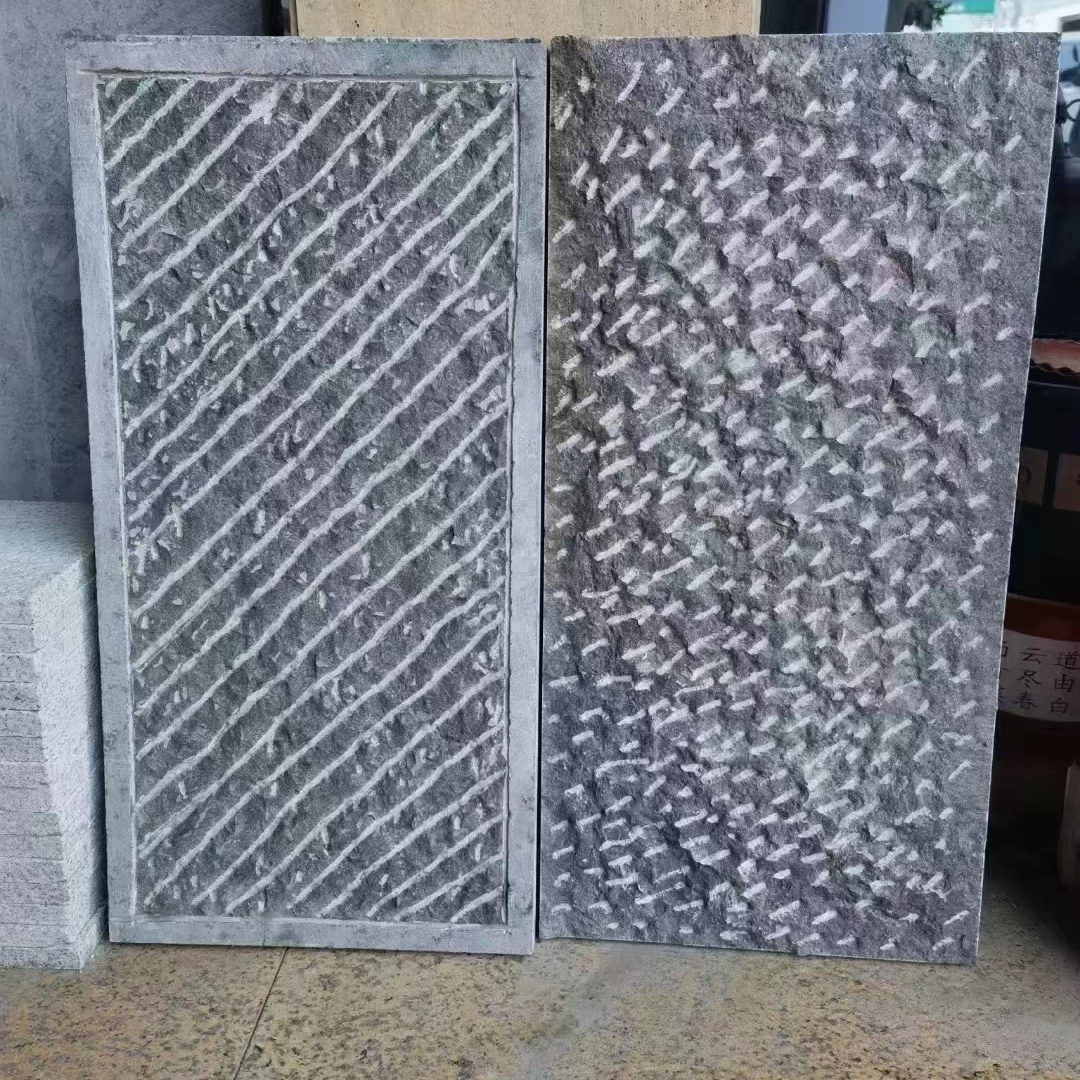
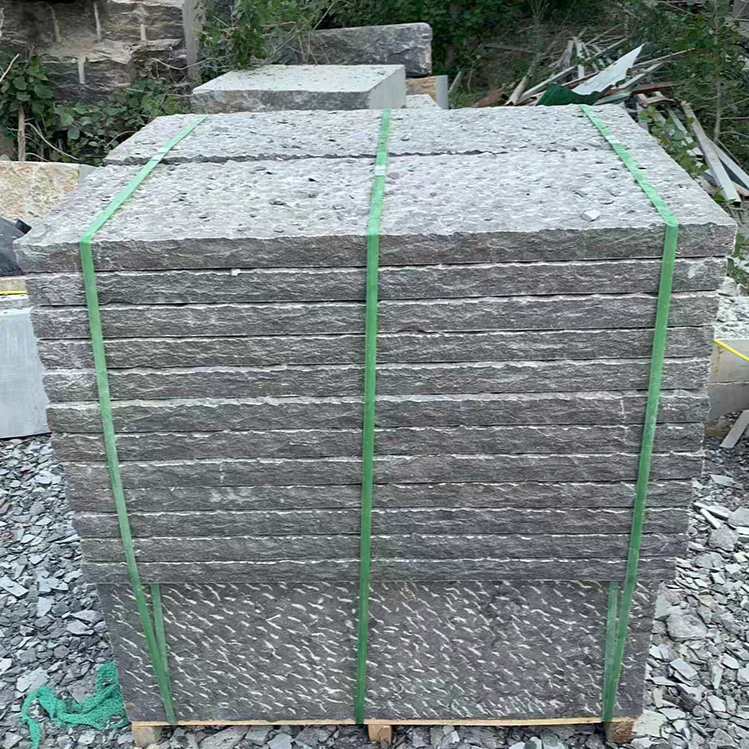
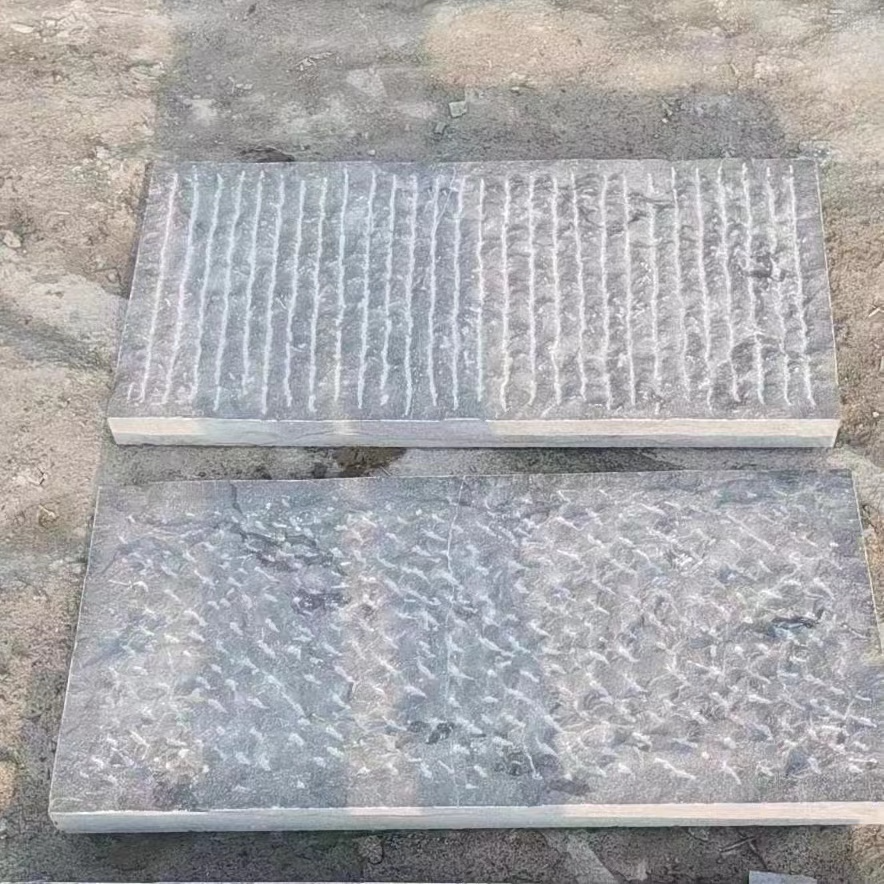
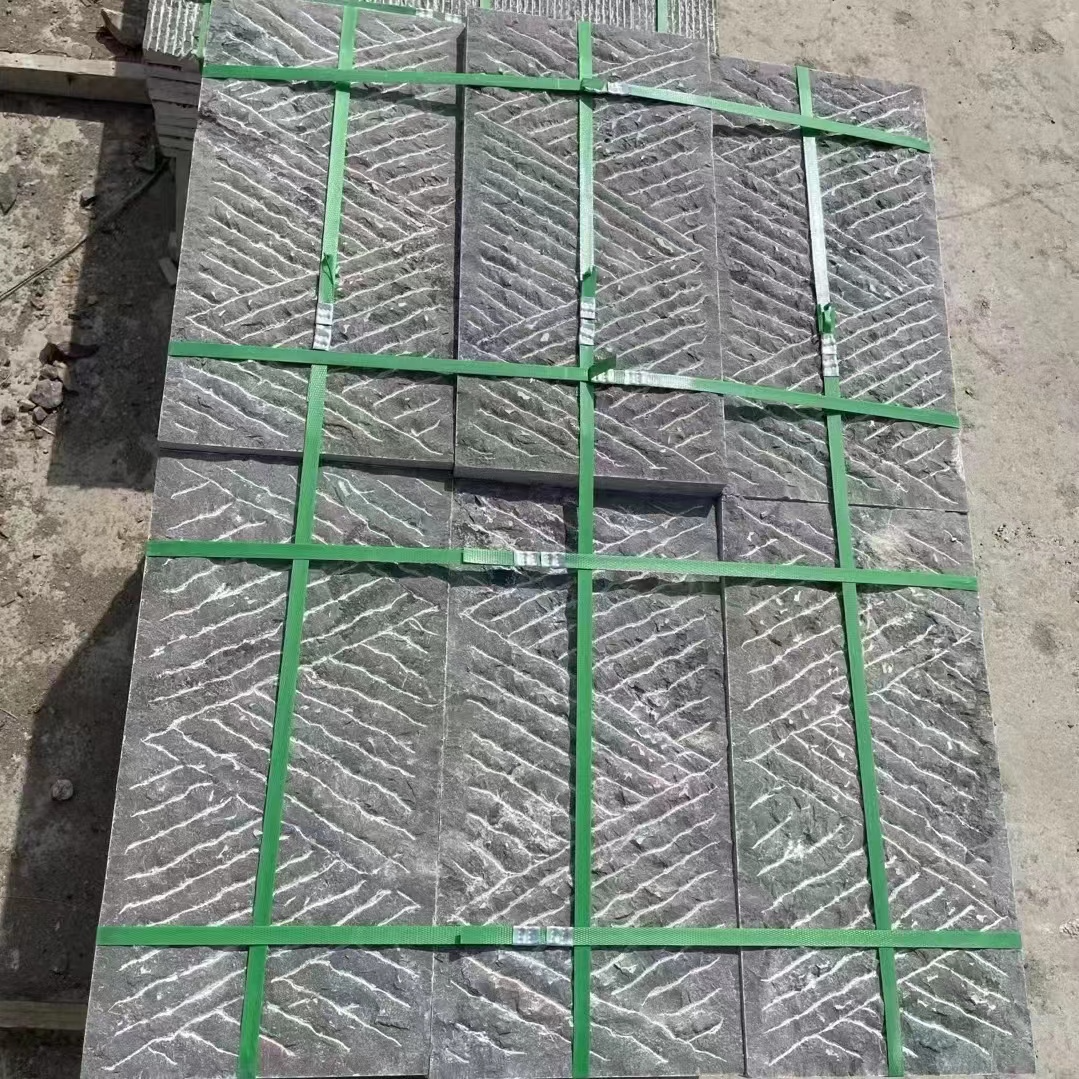





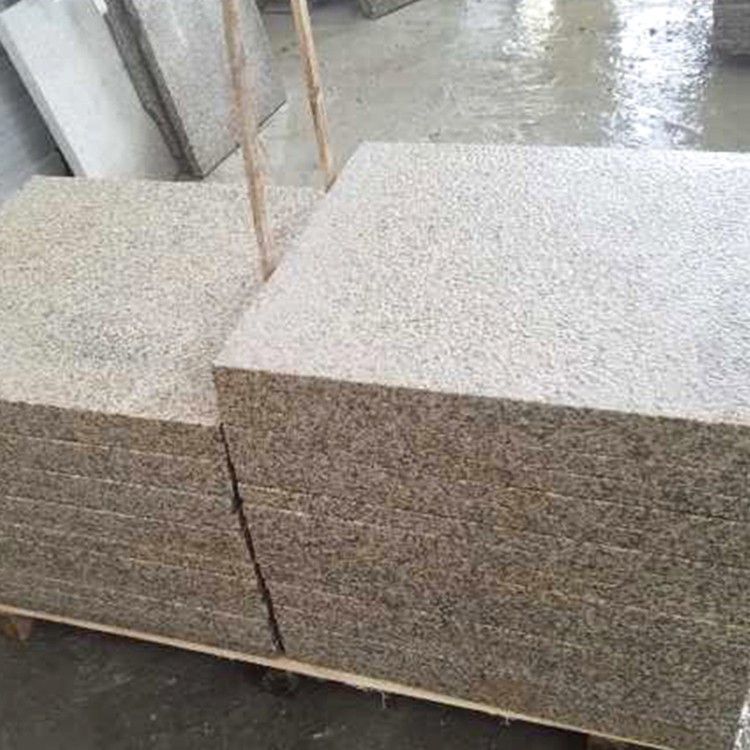
What is the difference between yellow rust stone and golden hemp stone? From two application cases, both gold hemp stone and yellow rust stone are granite and have similar colors. It is precisely for this reason that many people cannot distinguish the difference between them.
In fact, as long as we understand their respective characteristics, we can distinguish them well. Now let me introduce the difference between golden hemp stone and yellow rust stone.
1. There are many types of rust stones, both in the north and south. Fujian rust stones are the main ones in the south, while Shandong Wenshang rust stones are more famous in the north. Huangjin Ma, also known as Huangma, is mainly produced in Laizhou and Pingdu in Shandong, Suizhou in Hubei, Henan and other places. Due to the fact that both gold hemp stone and yellow rust stone belong to granite, their colors are relatively similar.
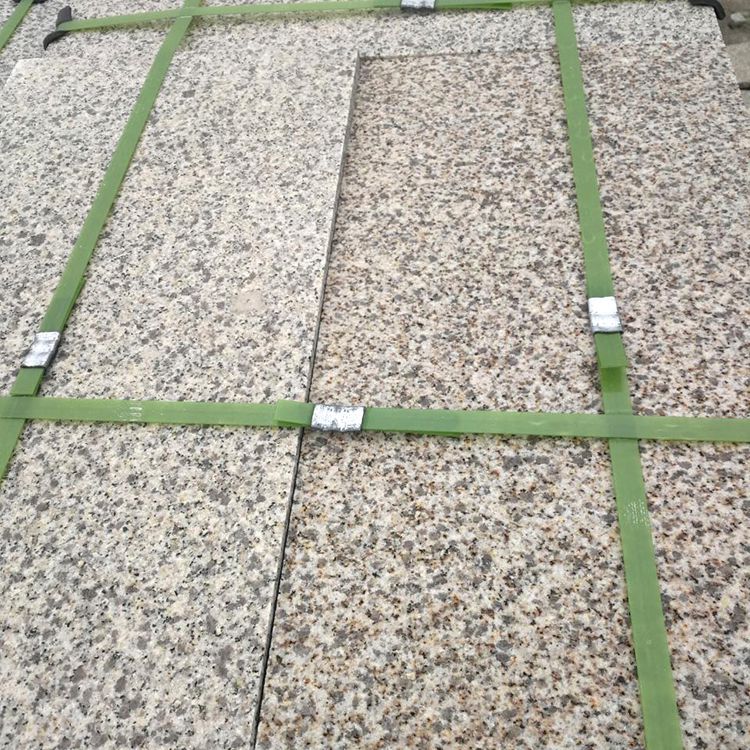
2. The color of golden hemp stone varies from golden yellow or dark yellow to white, with beautiful spotted patterns of different shades of color. The pattern particles are small and uniform, with star shaped mica bright spots and crystal clear quartz crystals distributed. High hardness, no debris falls off after polishing, not easy to scratch, not afraid of high temperature, both color and glossiness will not easily fade or darken, acid and alkali resistant, corrosion-resistant, high iron content, non radioactive, with scattered yellow gray spots on the surface of the stone and a relatively yellow color.
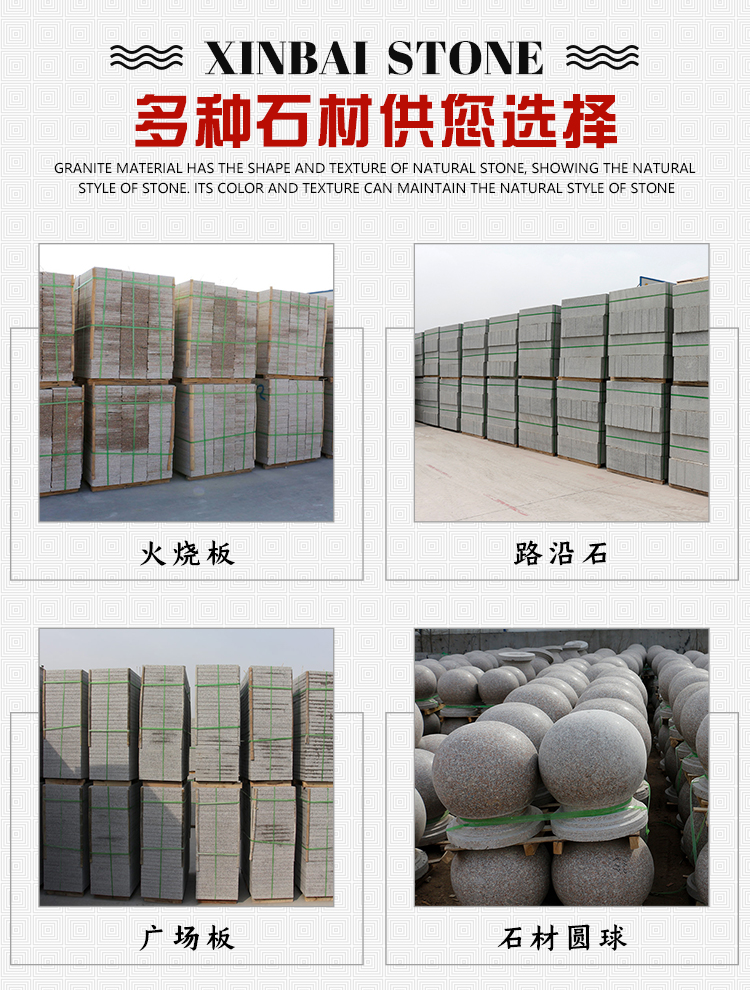
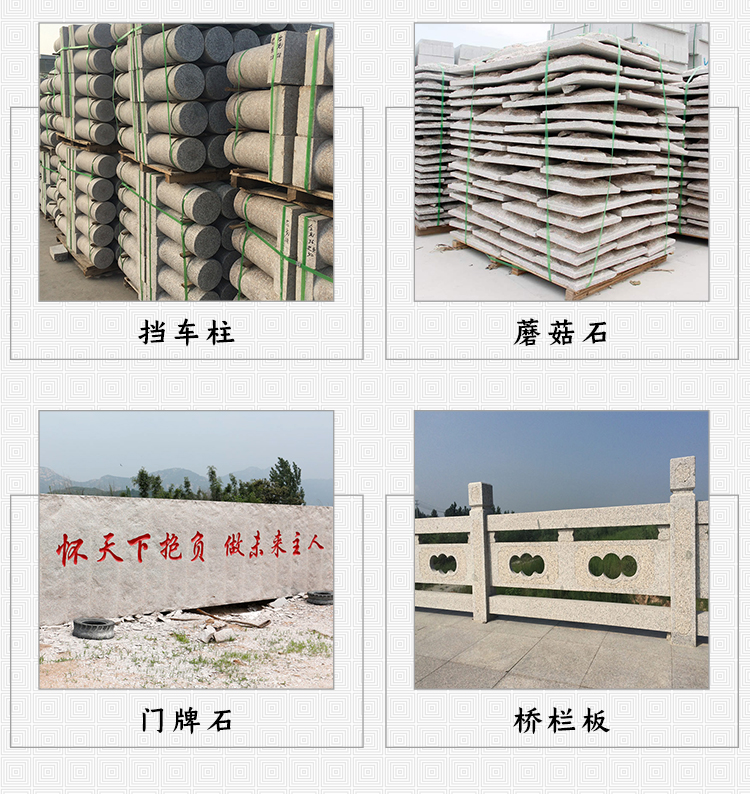
3. Yellow rust stone is non radioactive and has a high surface smoothness. It can be used to make polished boards, fire burned boards, thin boards, countertops, environmental stones, roadside stones, small squares, wall stones, stone furniture, stone carvings, etc. The color of golden hemp stone is relatively uniform, and the colors are divided into large flowers, medium flowers, and small flowers. The colors of yellow rust stone are mostly small flowers, with dense patterns, which are very popular among customers. But due to limited reserves, most of them have been replaced by gold and gravel materials.
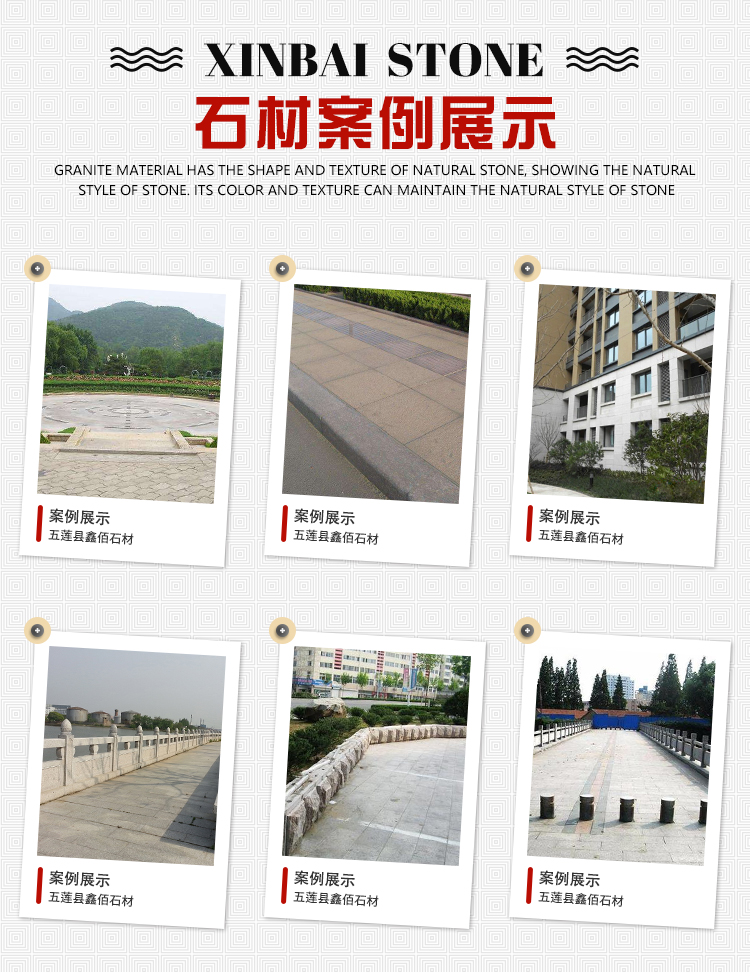
4. Golden hemp stone, due to its hard texture, dense structure, acid and alkali resistance, and good weather resistance, can be used outdoors for a long time. Therefore, it can be used for decoration of interior and exterior walls, floors, and countertops of buildings.
In fact, as long as we understand their respective characteristics, we can distinguish them well. Now let me introduce the difference between golden hemp stone and yellow rust stone.
1. There are many types of rust stones, both in the north and south. Fujian rust stones are the main ones in the south, while Shandong Wenshang rust stones are more famous in the north. Huangjin Ma, also known as Huangma, is mainly produced in Laizhou and Pingdu in Shandong, Suizhou in Hubei, Henan and other places. Due to the fact that both gold hemp stone and yellow rust stone belong to granite, their colors are relatively similar.
2. The color of golden hemp stone varies from golden yellow or dark yellow to white, with beautiful spotted patterns of different shades of color. The pattern particles are small and uniform, with star shaped mica bright spots and crystal clear quartz crystals distributed. High hardness, no debris falls off after polishing, not easy to scratch, not afraid of high temperature, both color and glossiness will not easily fade or darken, acid and alkali resistant, corrosion-resistant, high iron content, non radioactive, with scattered yellow gray spots on the surface of the stone and a relatively yellow color.
3. Yellow rust stone is non radioactive and has a high surface smoothness. It can be used to make polished boards, fire burned boards, thin boards, countertops, environmental stones, roadside stones, small squares, wall stones, stone furniture, stone carvings, etc. The color of golden hemp stone is relatively uniform, and the colors are divided into large flowers, medium flowers, and small flowers. The colors of yellow rust stone are mostly small flowers, with dense patterns, which are very popular among customers. But due to limited reserves, most of them have been replaced by gold and gravel materials.
4. Golden hemp stone, due to its hard texture, dense structure, acid and alkali resistance, and good weather resistance, can be used outdoors for a long time. Therefore, it can be used for decoration of interior and exterior walls, floors, and countertops of buildings.