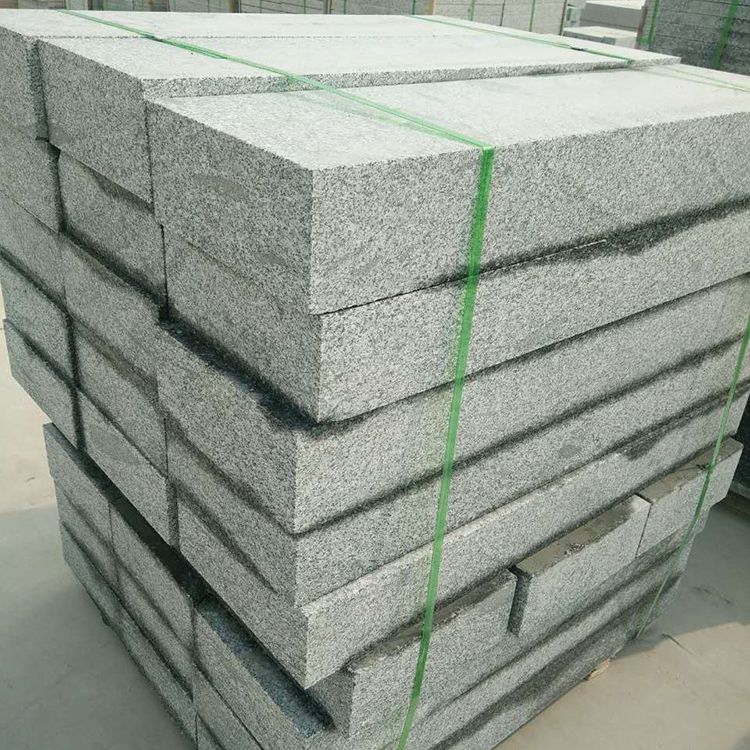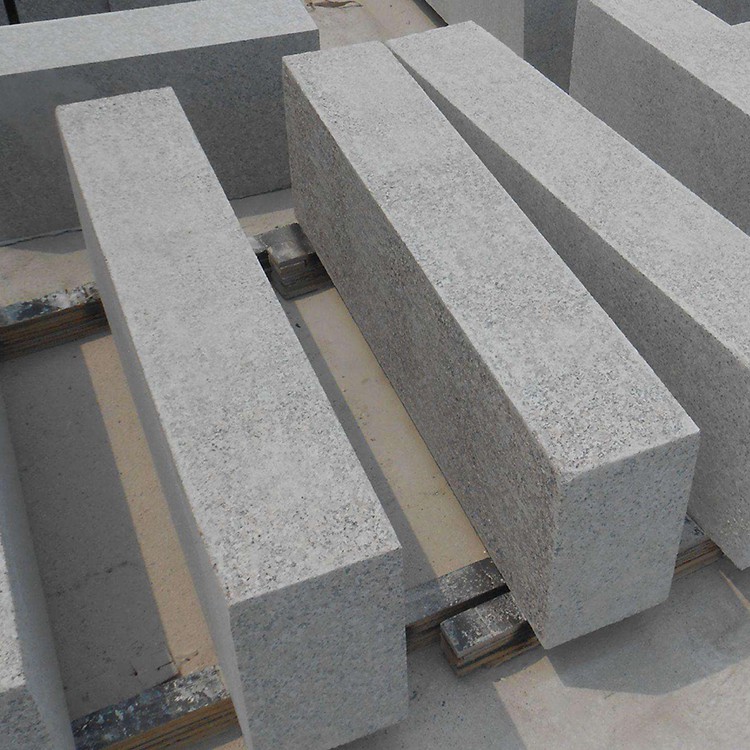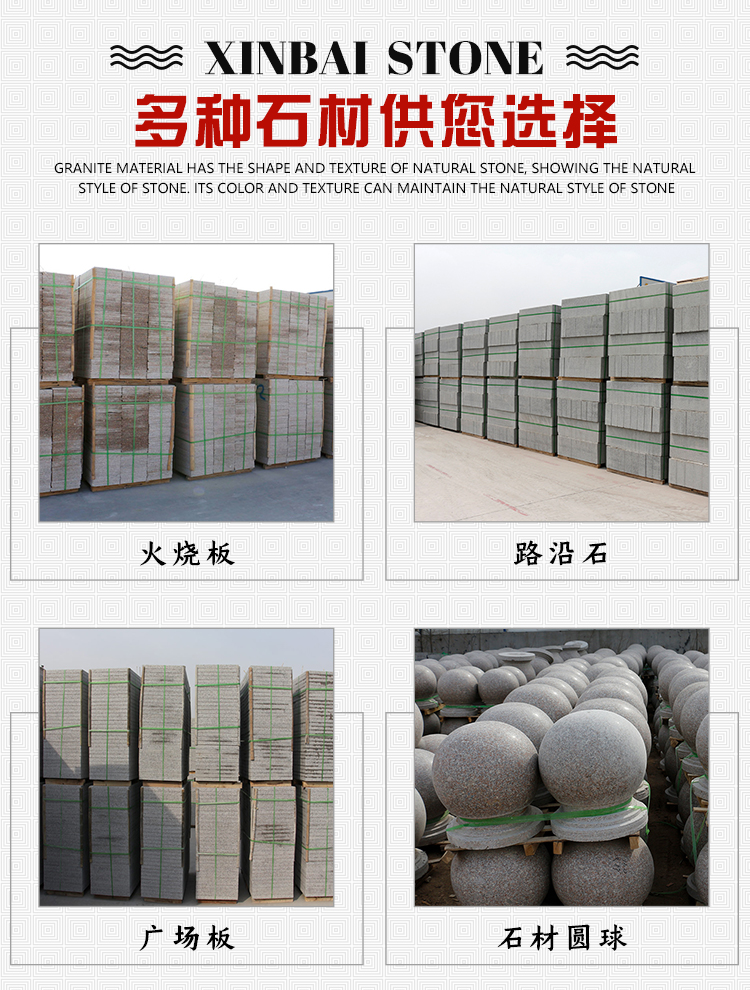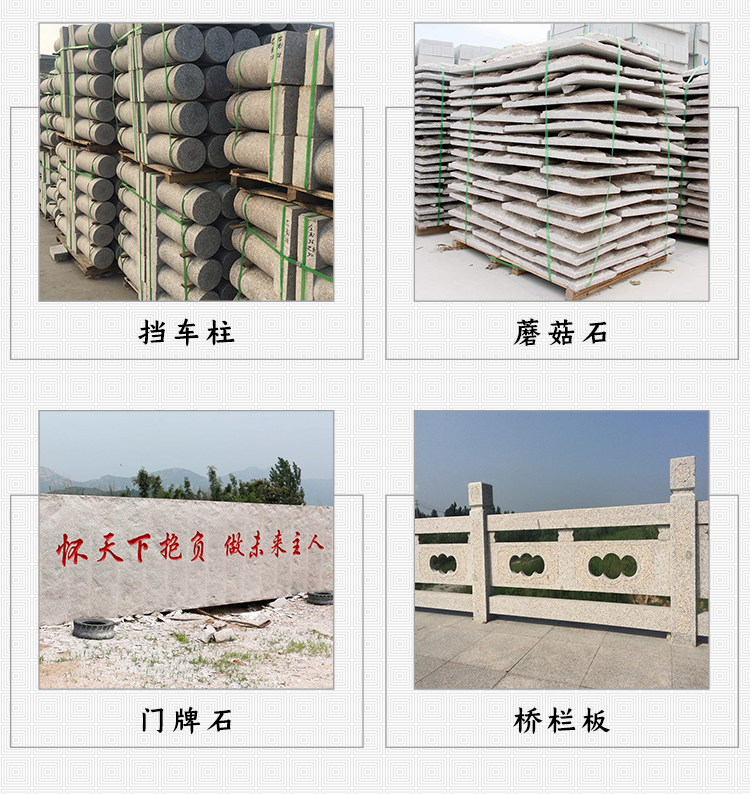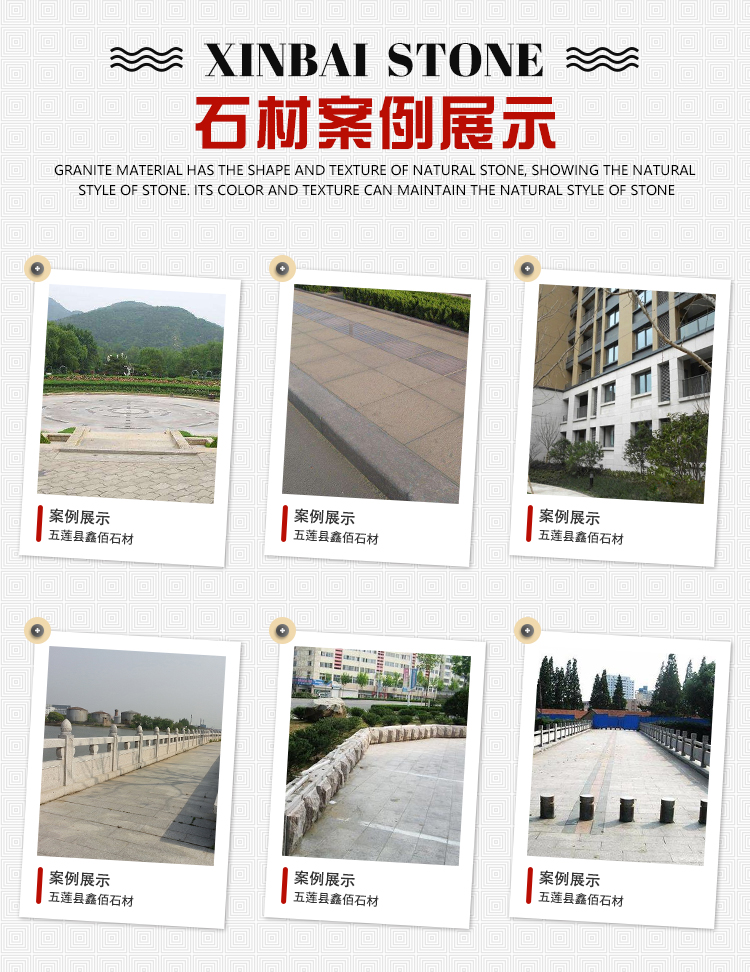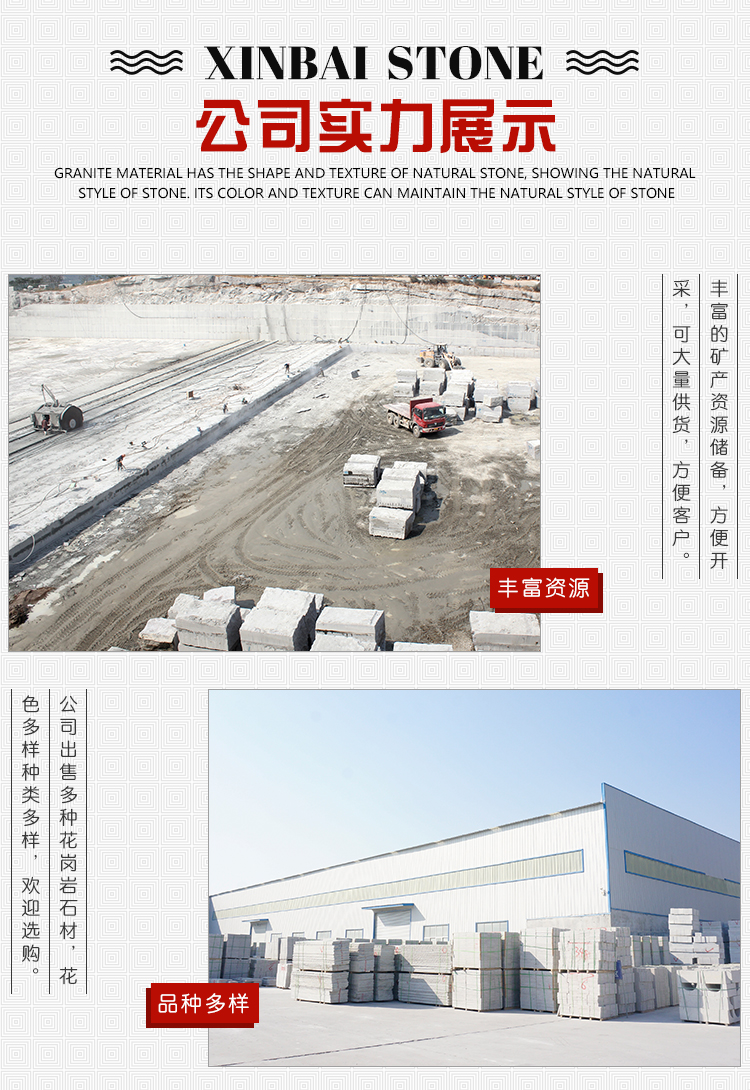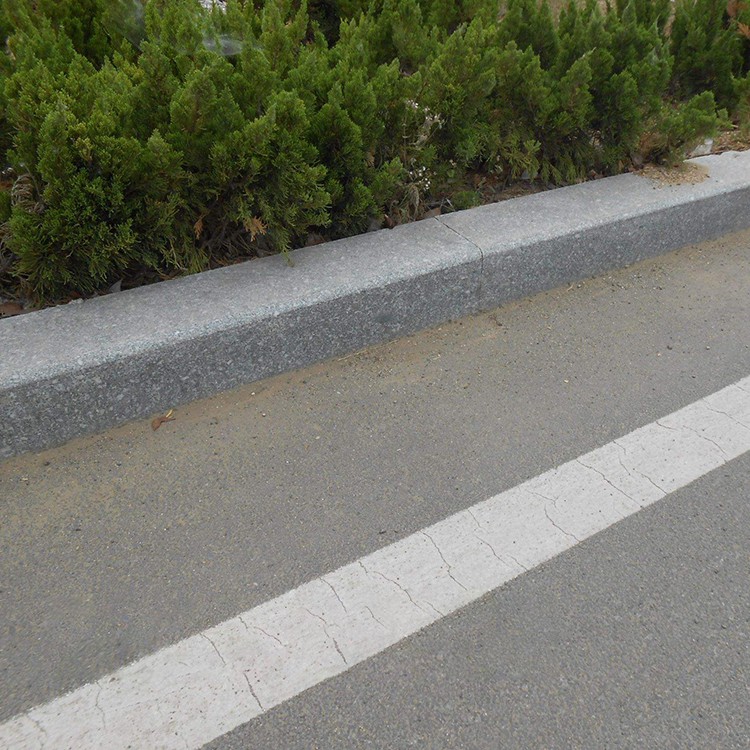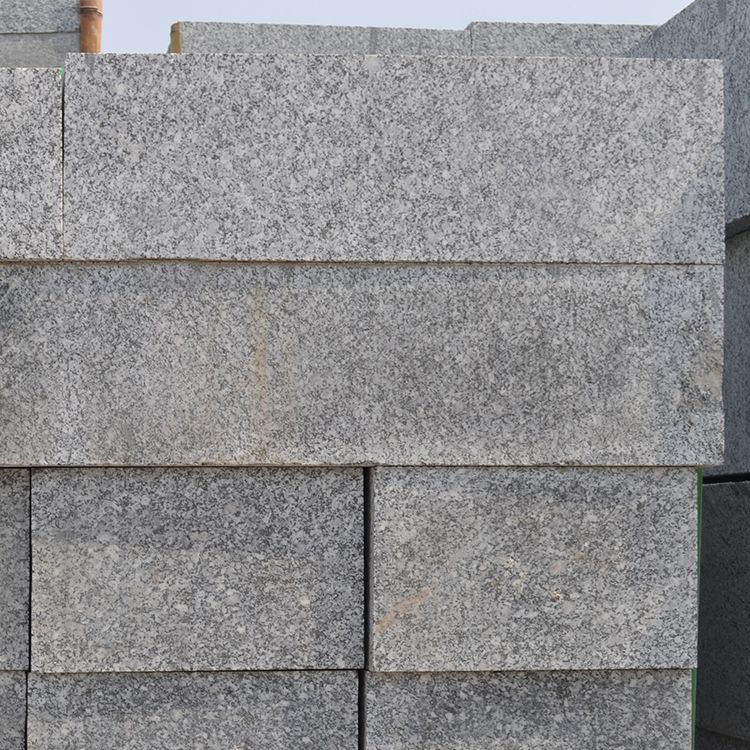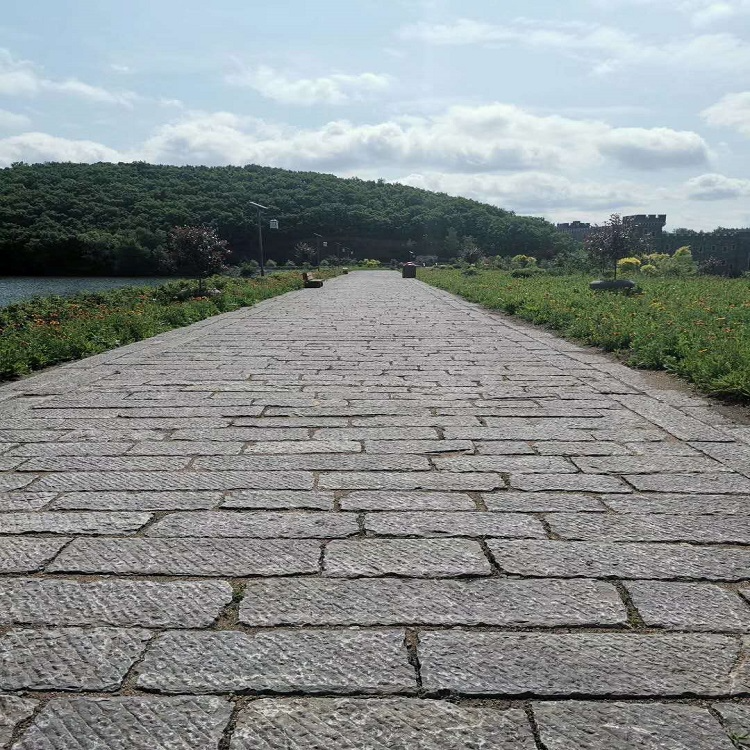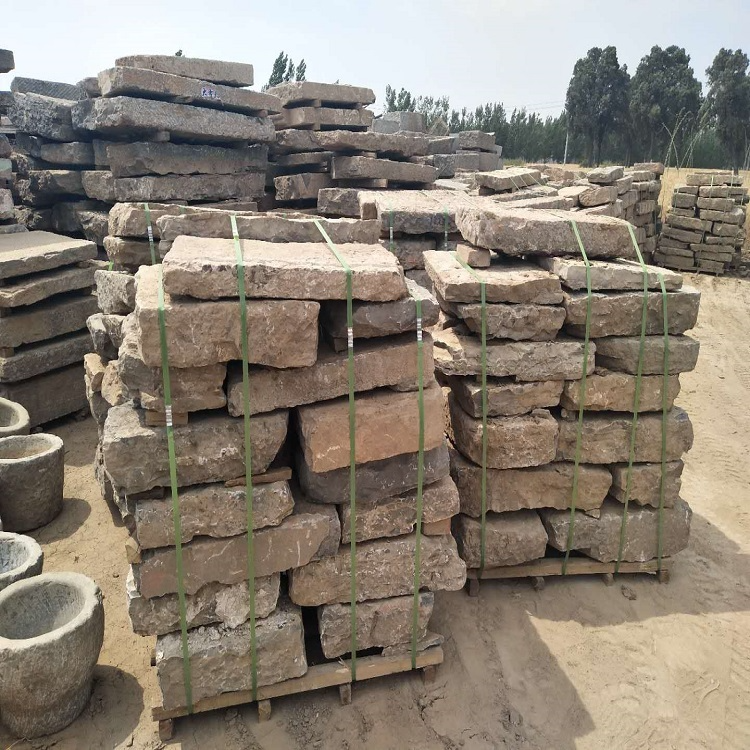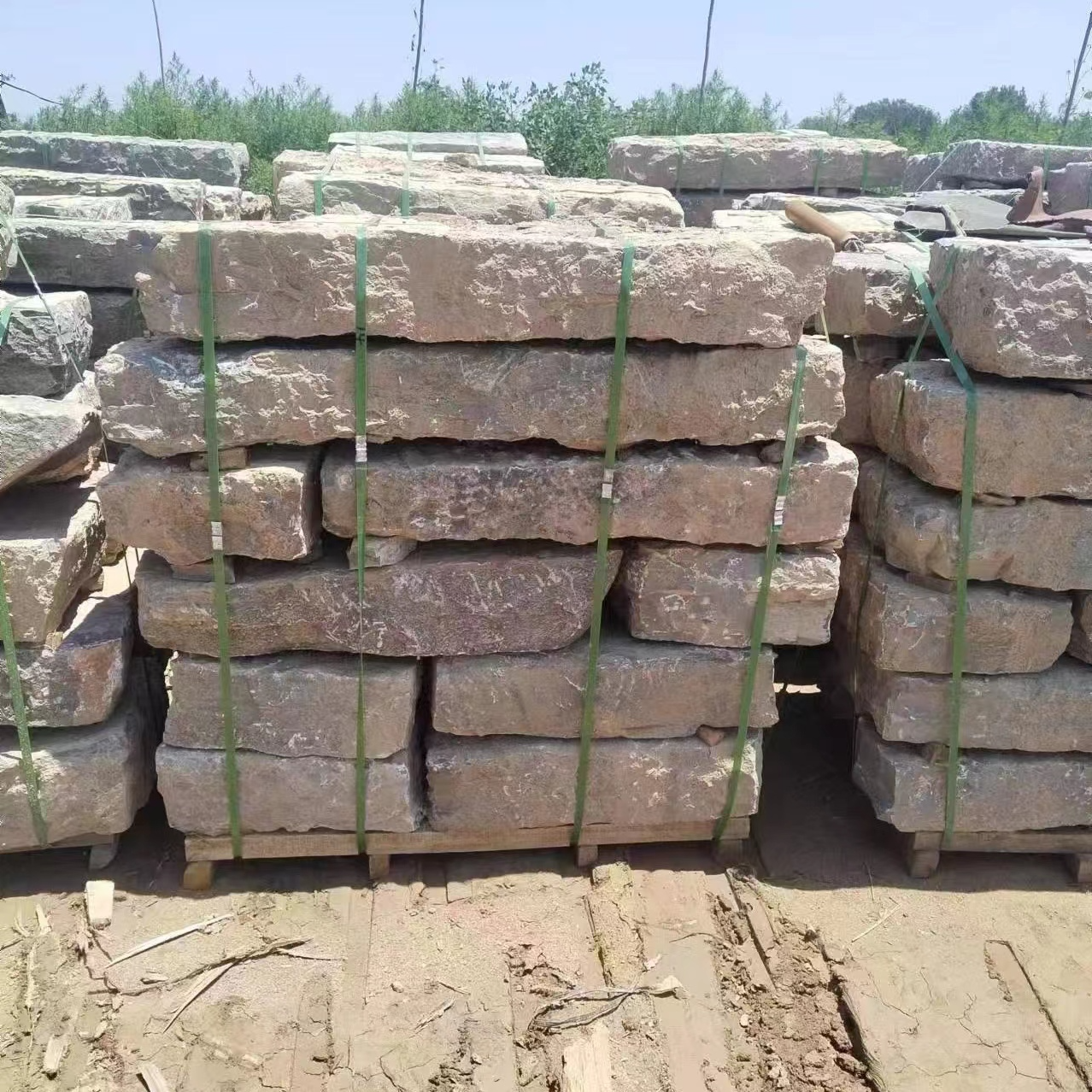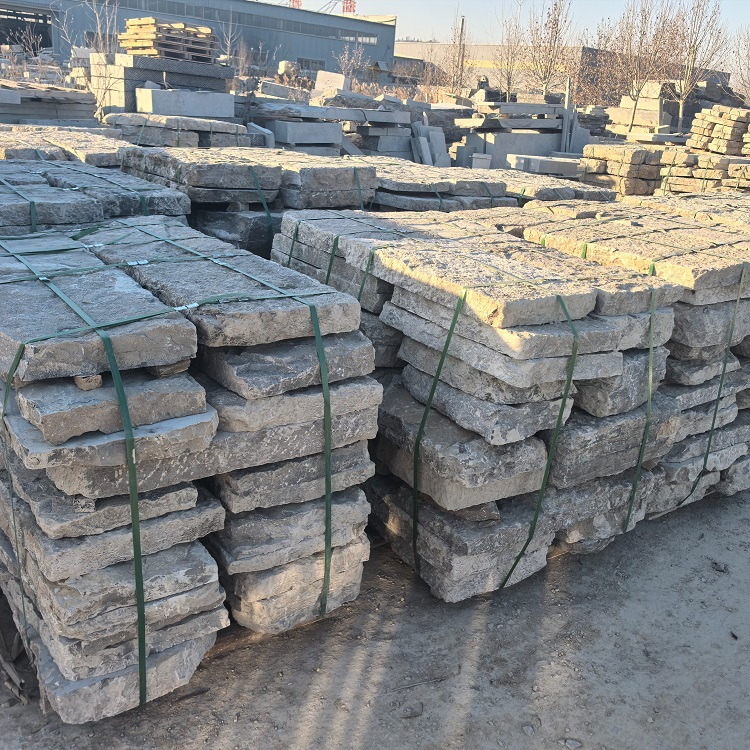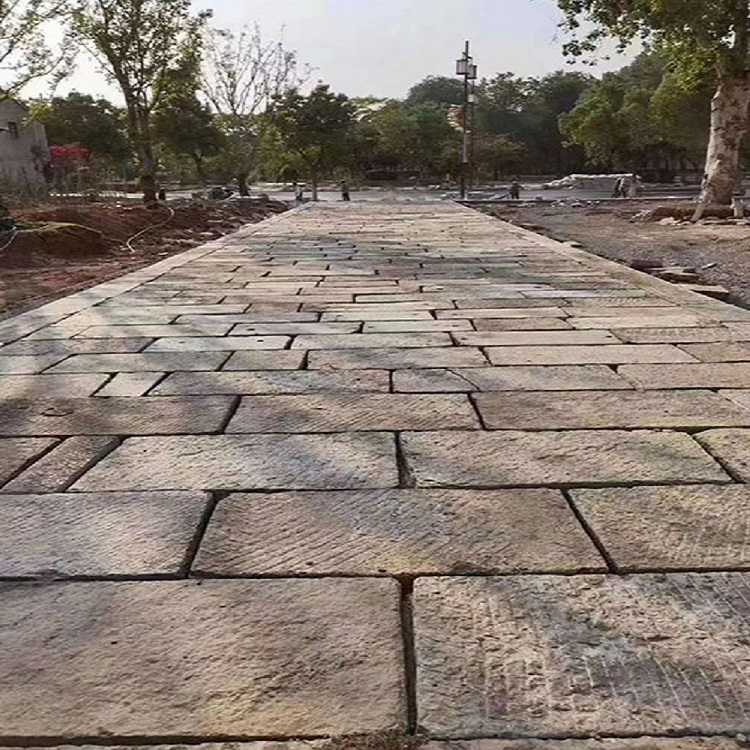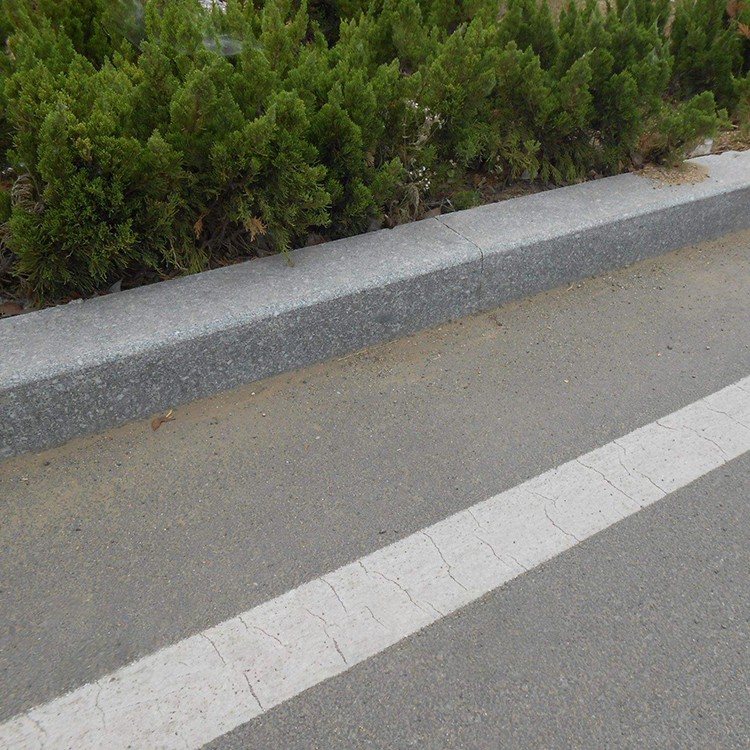

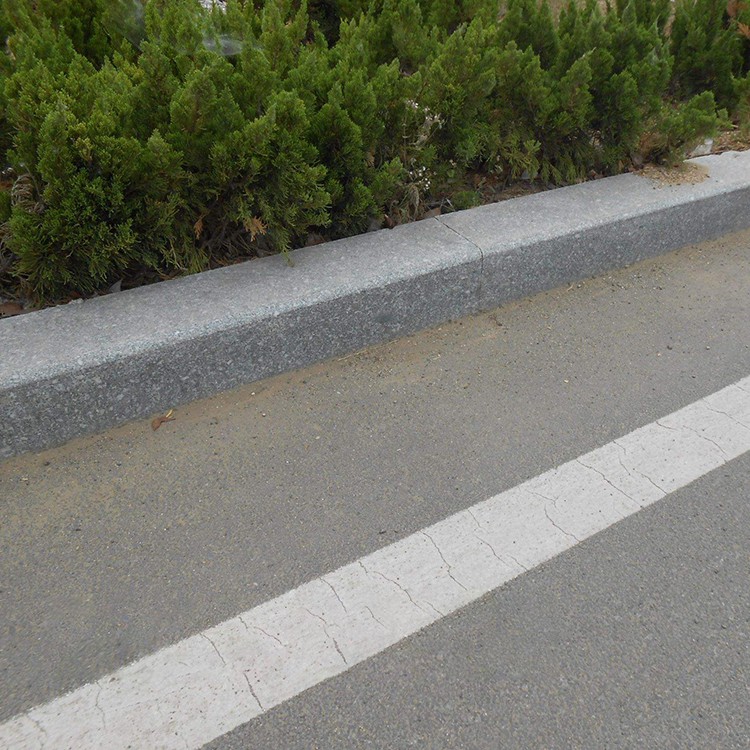
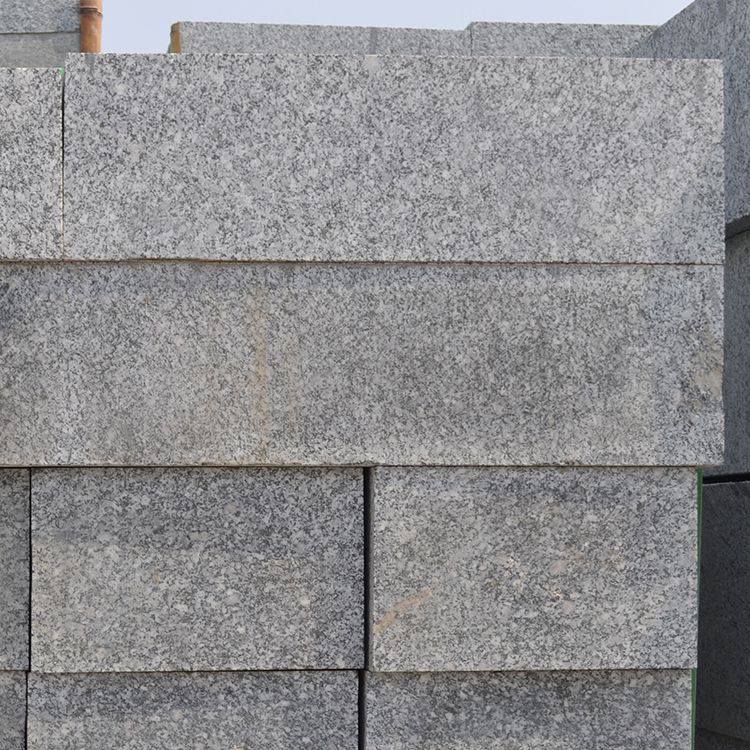
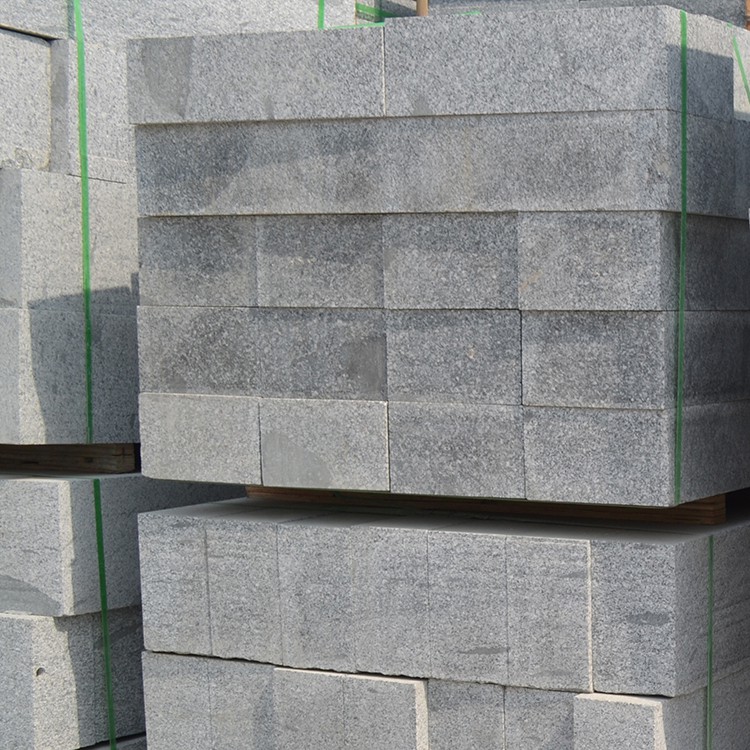


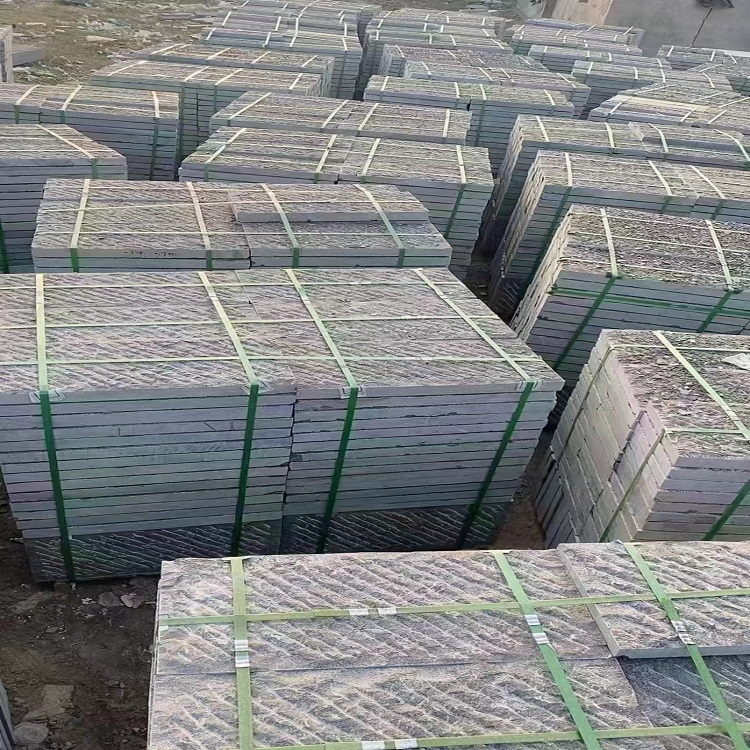
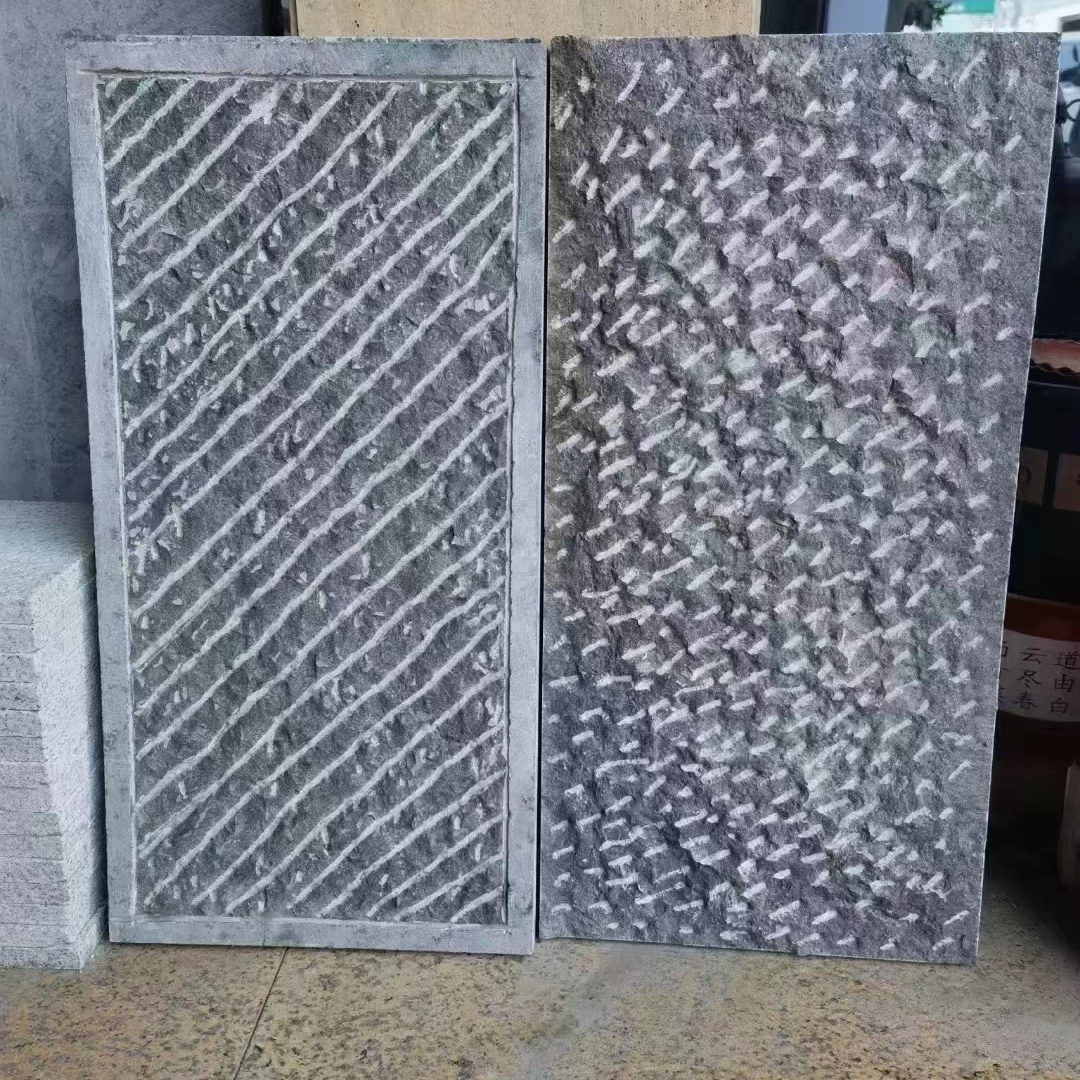
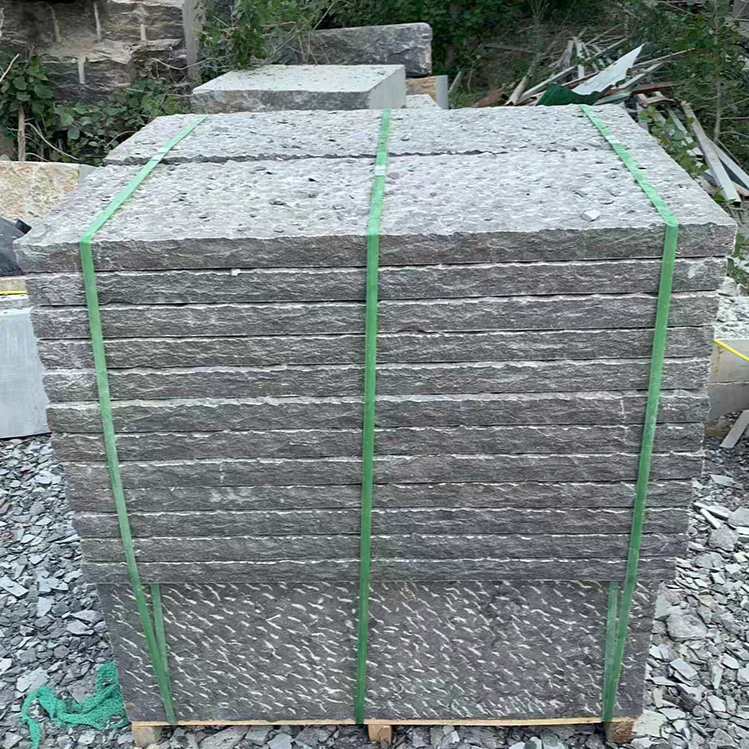
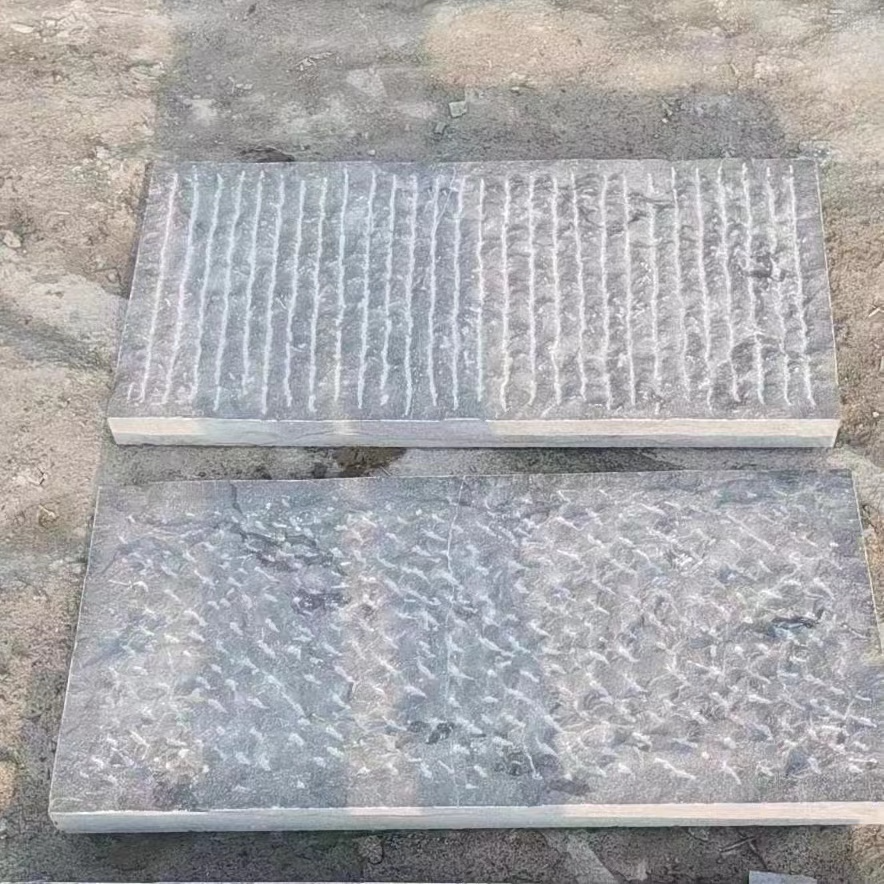
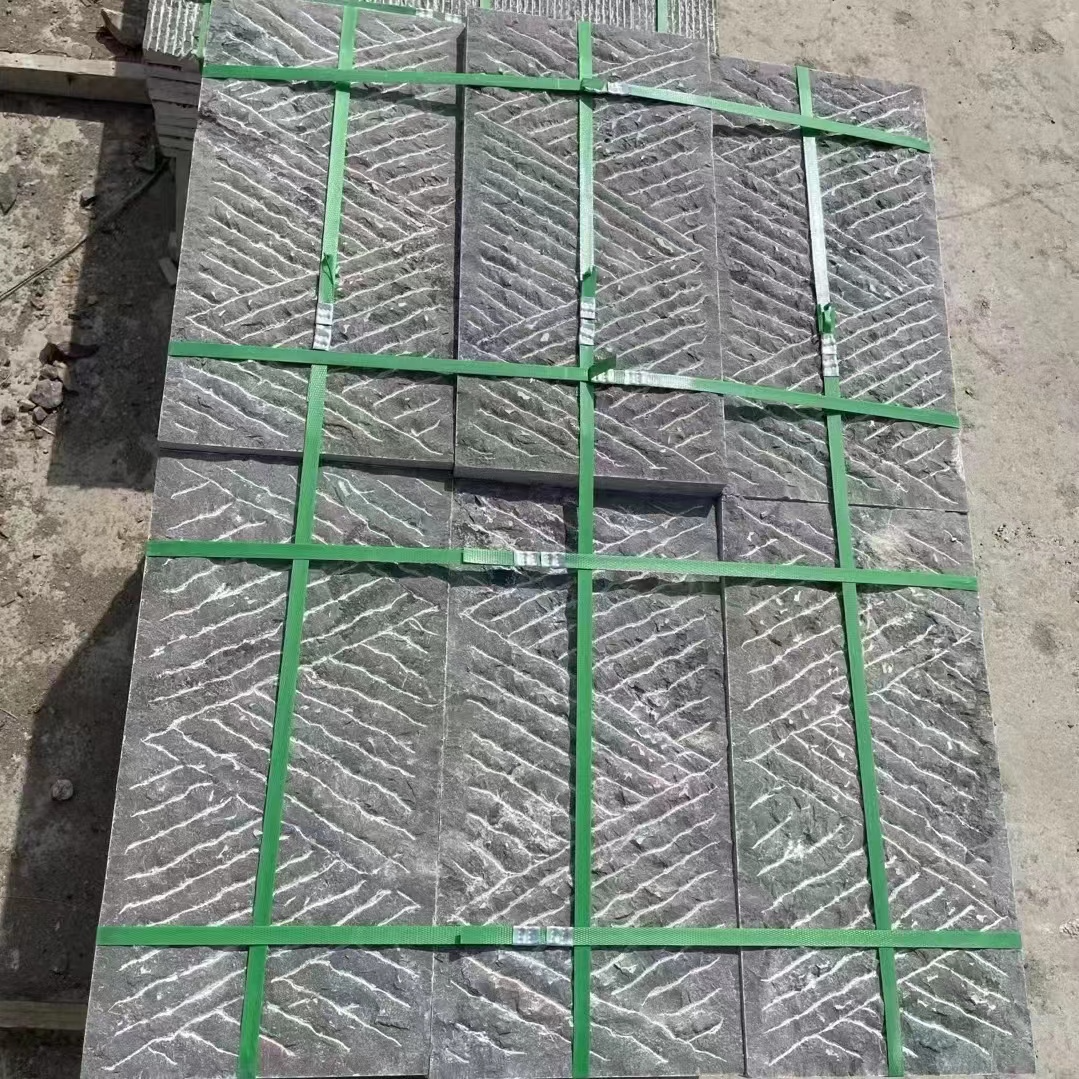





How to treat the wet roadside stones? Rainwater still has a significant impact on the stone materials along the roadside, so it is something worth paying attention to and addressing. Usually, curbstones are produced according to standard manufacturing processes, but it should be noted that as a natural mineral, curbstone stones come in different specifications in terms of variety, performance, composition, and other aspects. If you want to master the protective measures for each variety, you need to understand many detailed protective details.
1. As we mentioned earlier, it is very important to avoid using curbstones. If moisture seeps into the interior of the stone, it cannot be completely removed. Therefore, the stone that has been wet should be quickly dried.
2. Proper maintenance procedures must be in place to prevent the occurrence of "algal blooms" in a timely manner.
3. Prevention work should be done well. In order to prevent the infiltration of soluble salt and alkali into cement, mortar, nearby soil or groundwater inside the stone, the capillary pores at the bottom of the stone can be filled as bottom protection.
4. Surface protection infiltration treatment should be carried out on the front and side of the stone. Therefore, once the stone is wet by rainwater, it should be treated in a timely manner, and measures should be taken to prevent and maintain the water erosion of the roadside stones. When selecting roadside stones, we should also pay attention to choosing stones with low water absorption. This is because if the water absorption rate of the stone is high, it means that more protective work needs to be done in the later stage, which is not only time-consuming but also costly. Attention should also be paid to the patterns of stone, with simple and natural colors that are clear and visible, thick and rich in connotation.
We should learn something about the effects of curbstones on roads, which is also valuable for our lives.