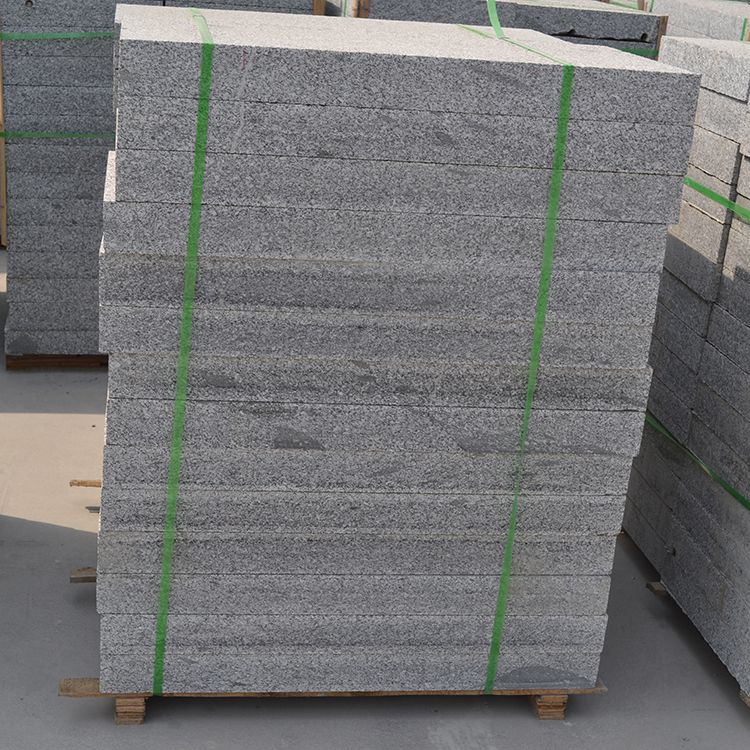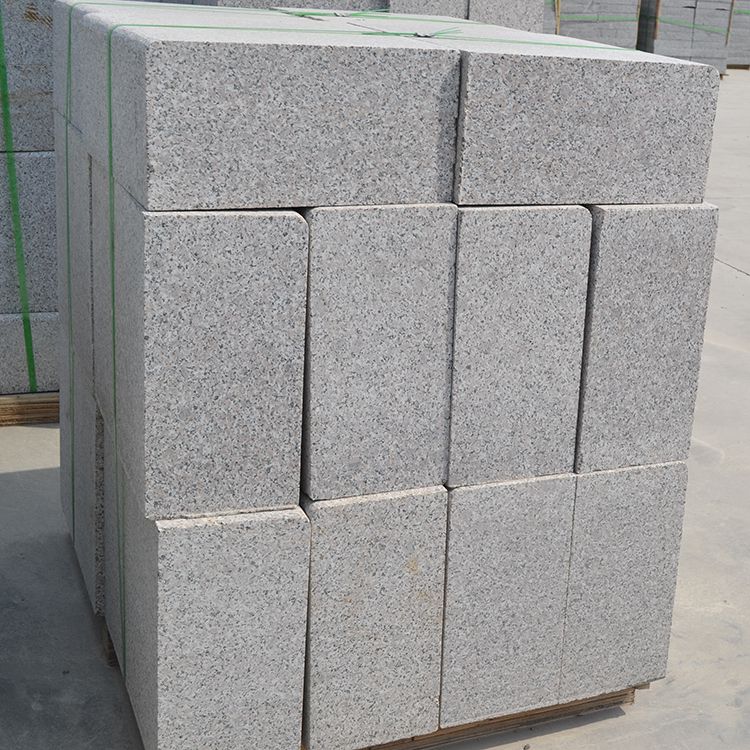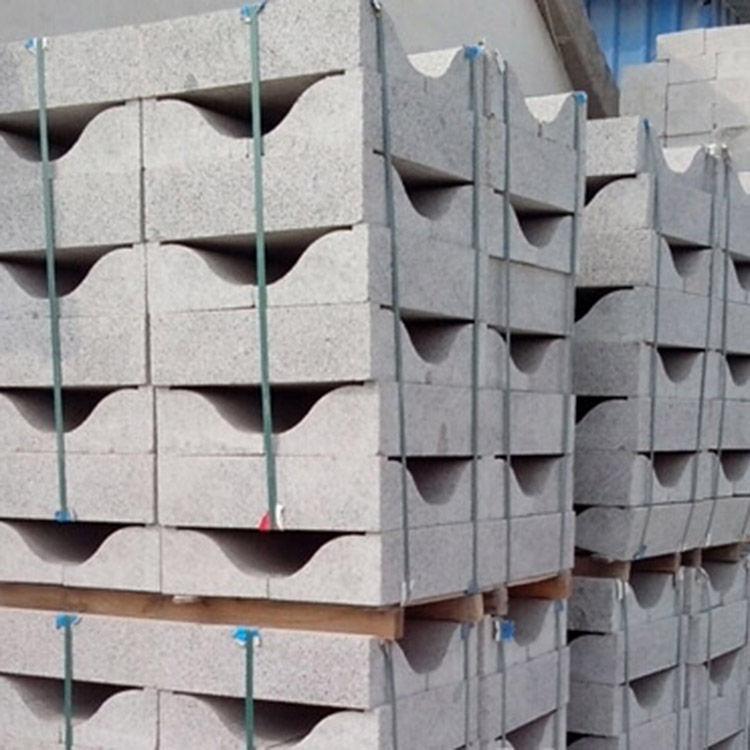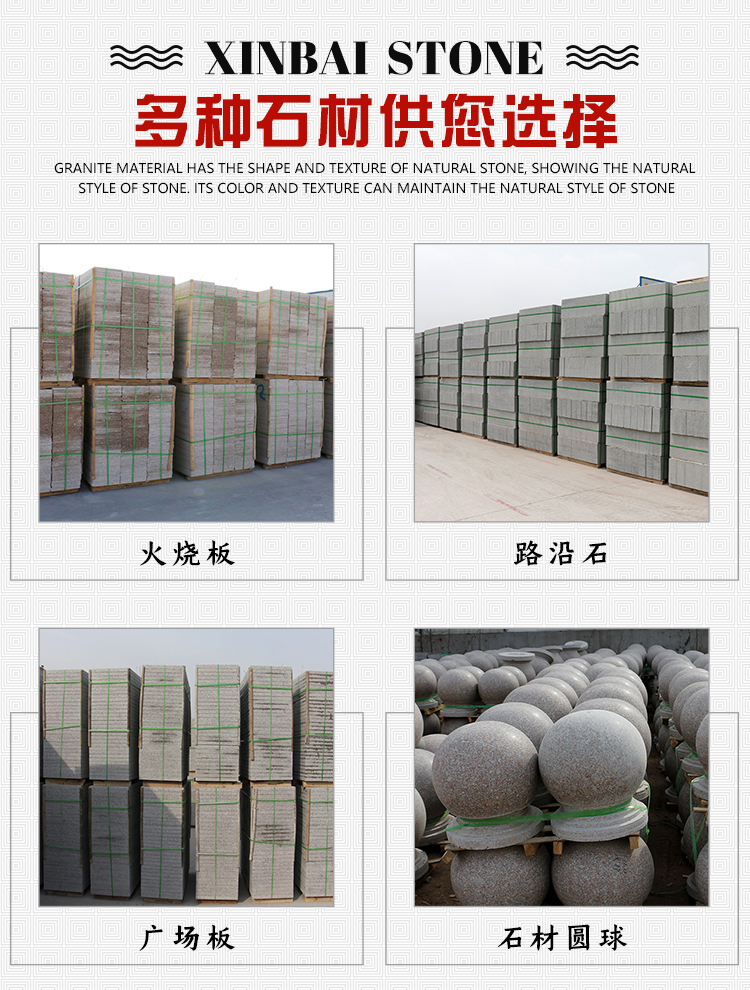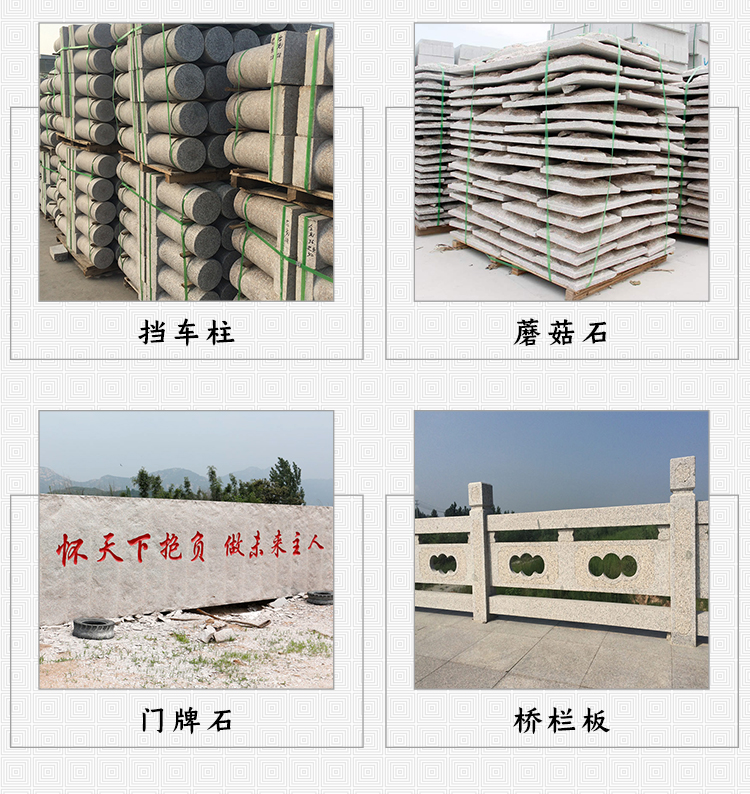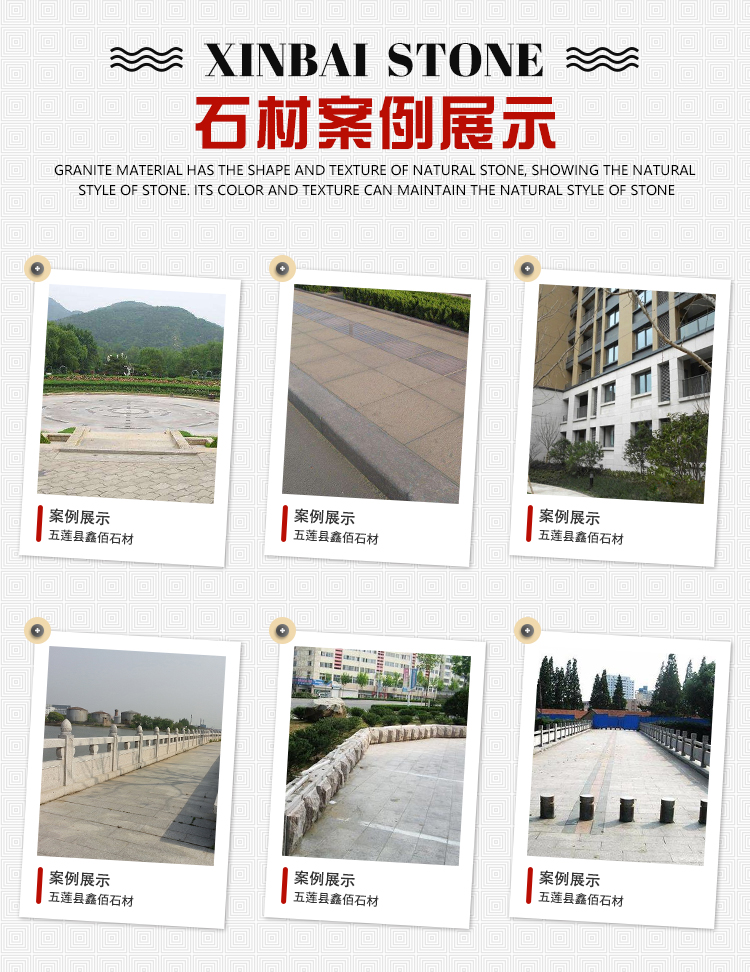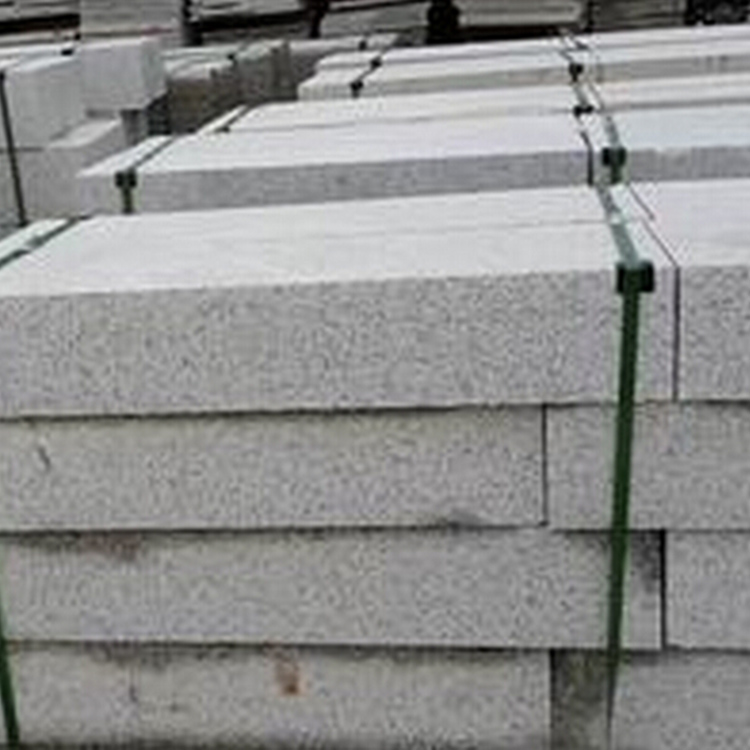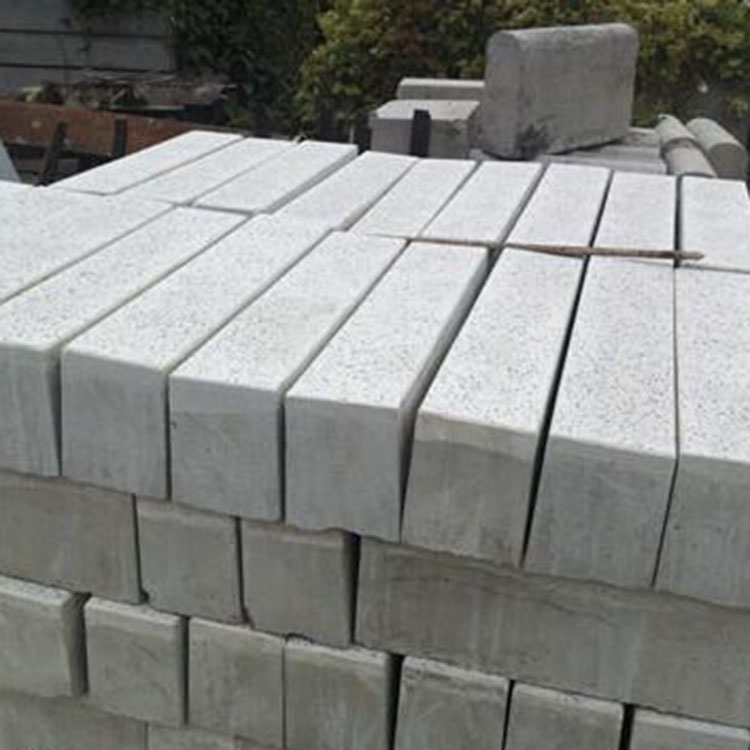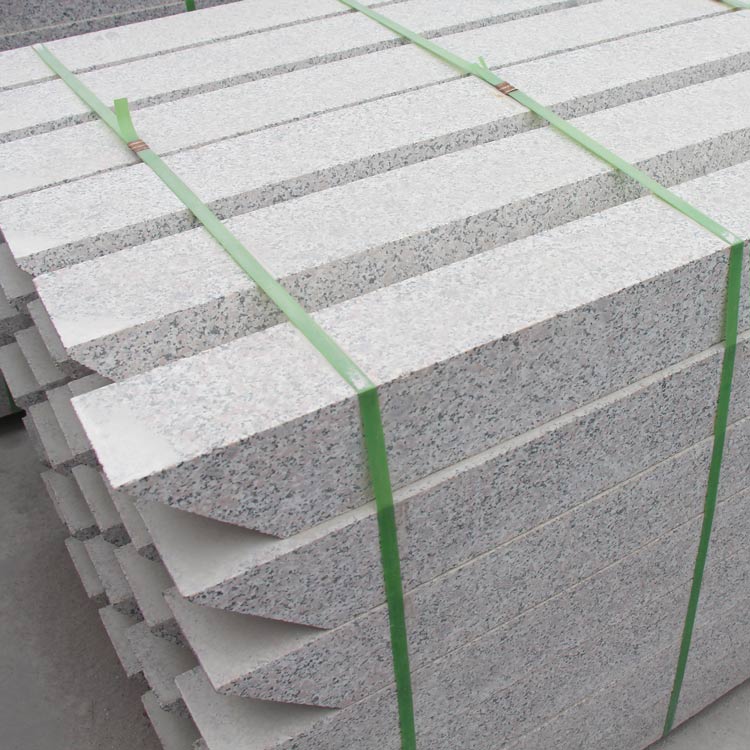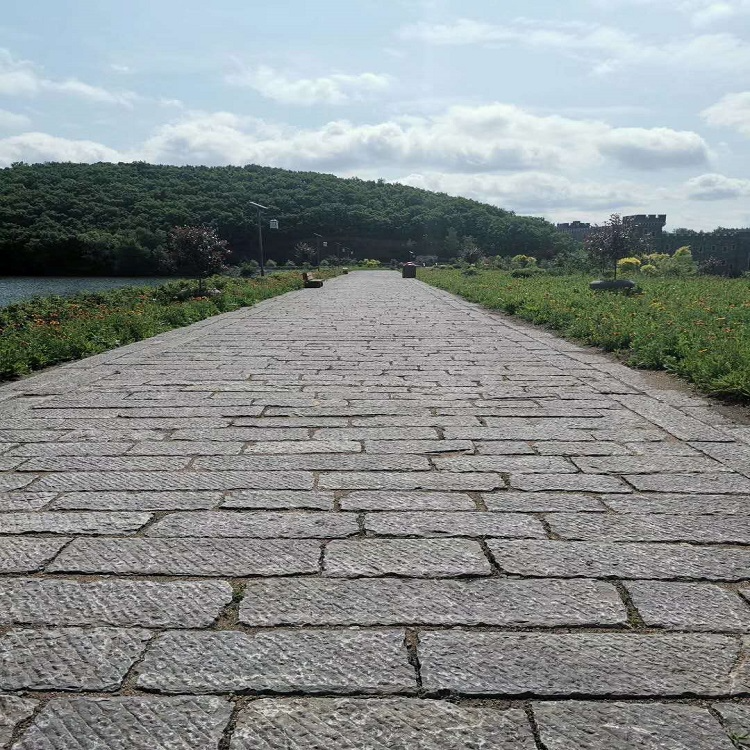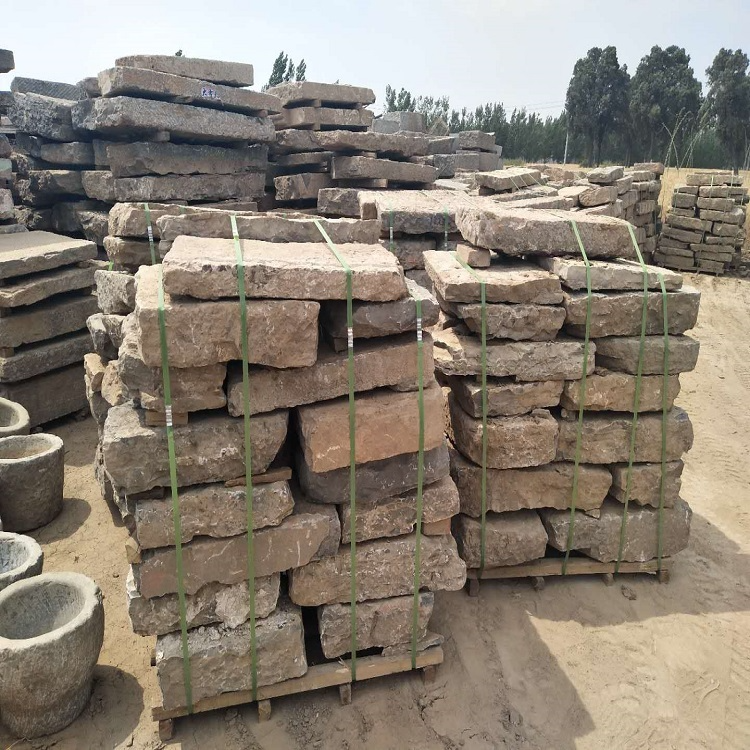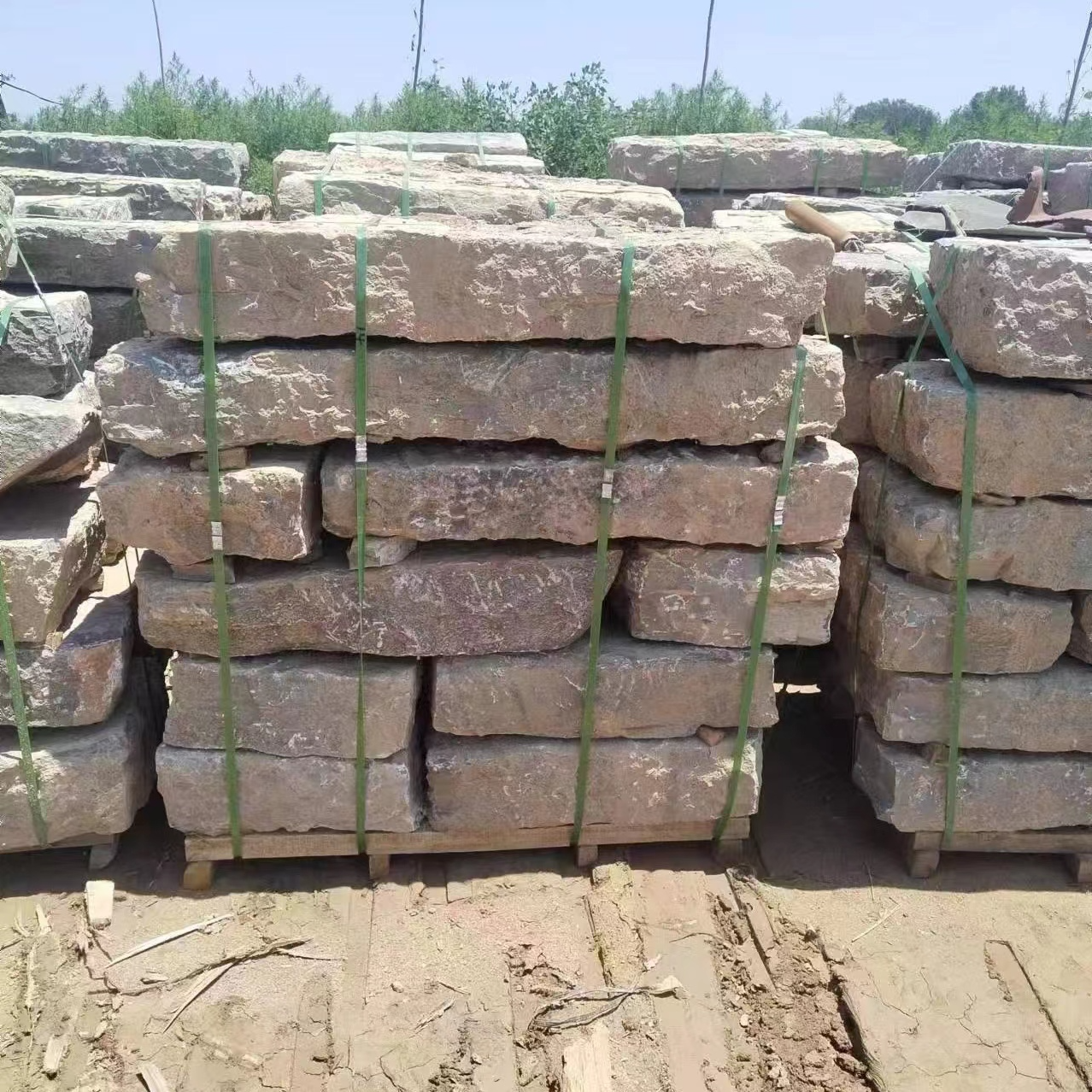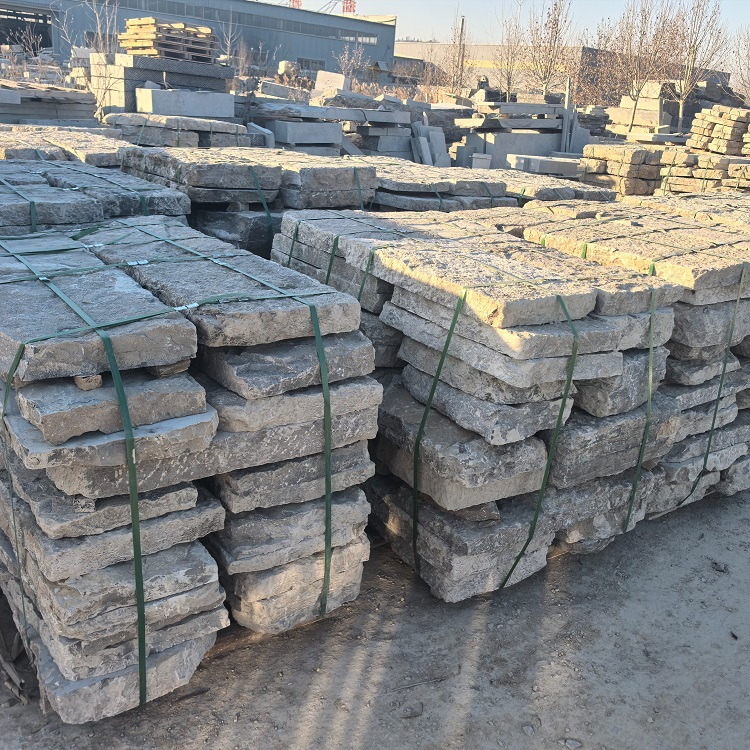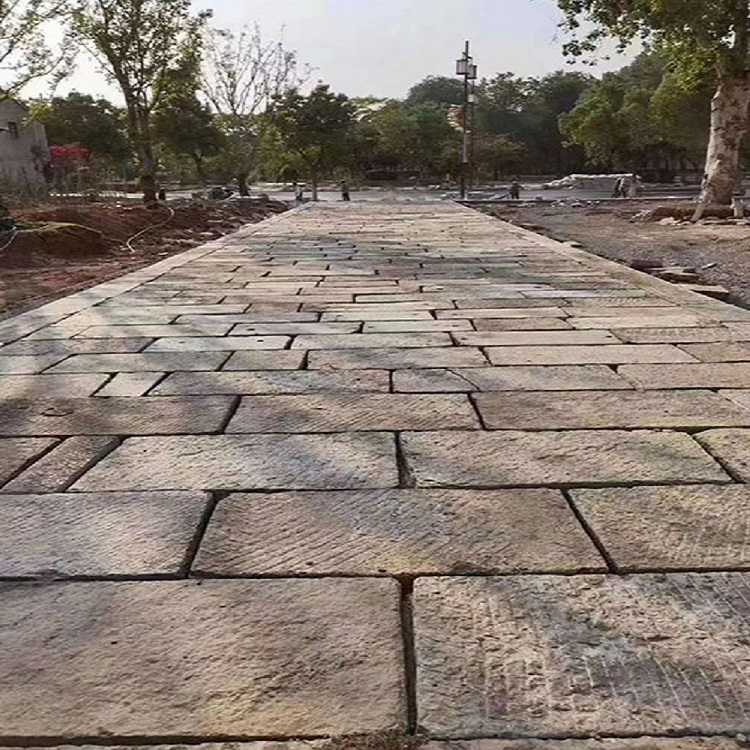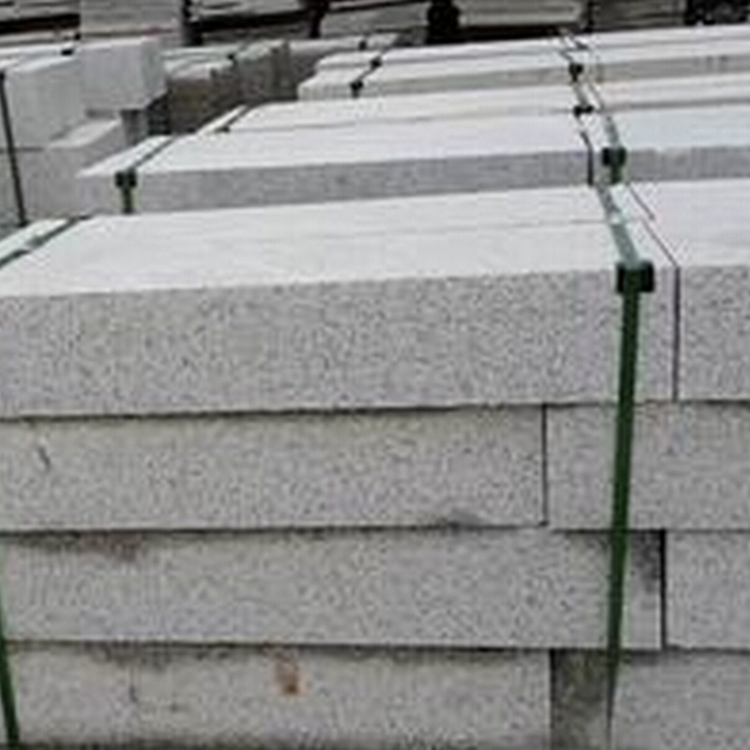

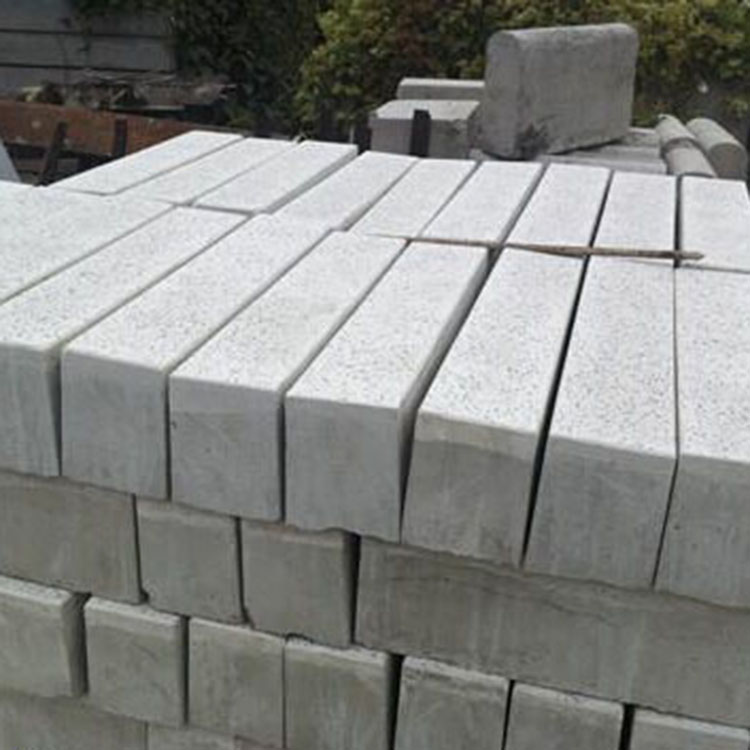
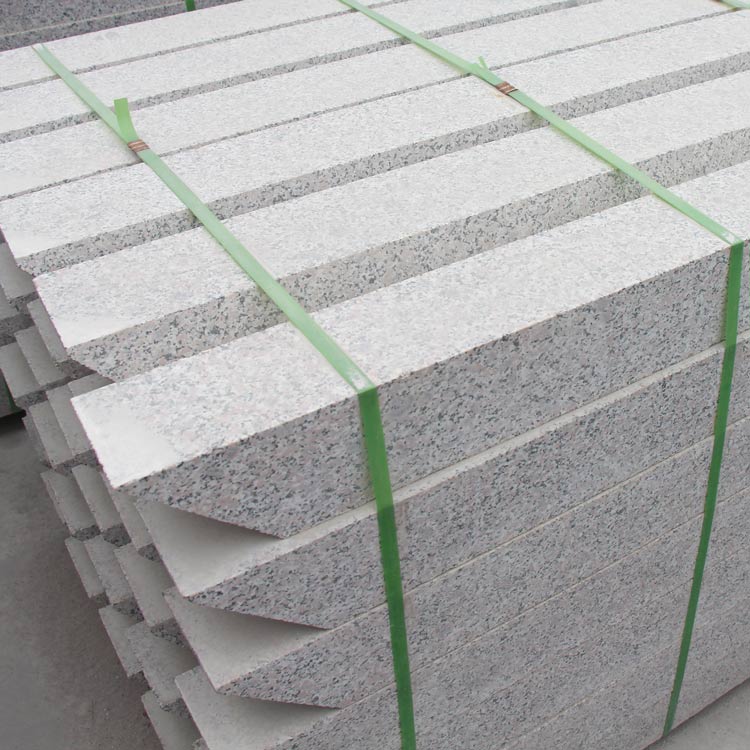


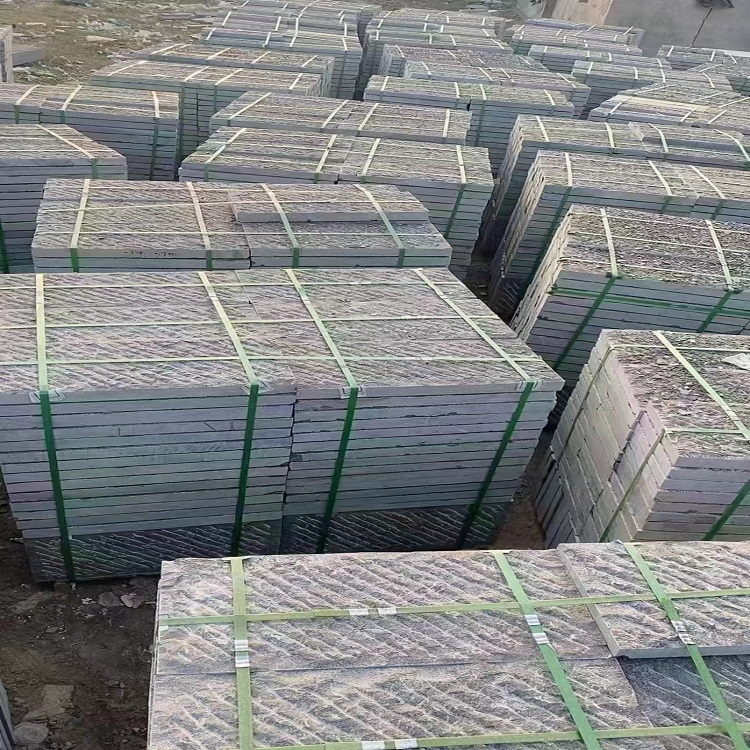
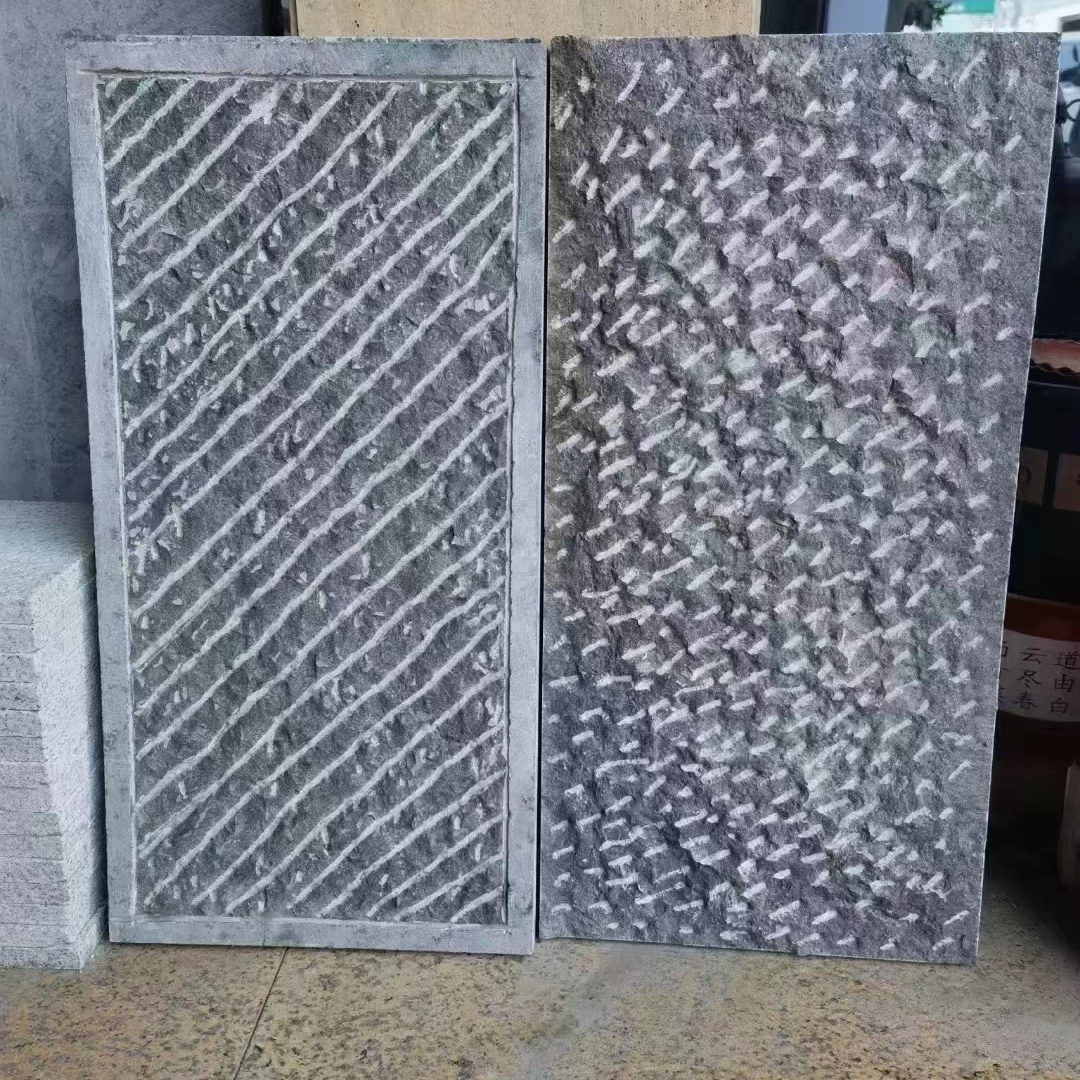
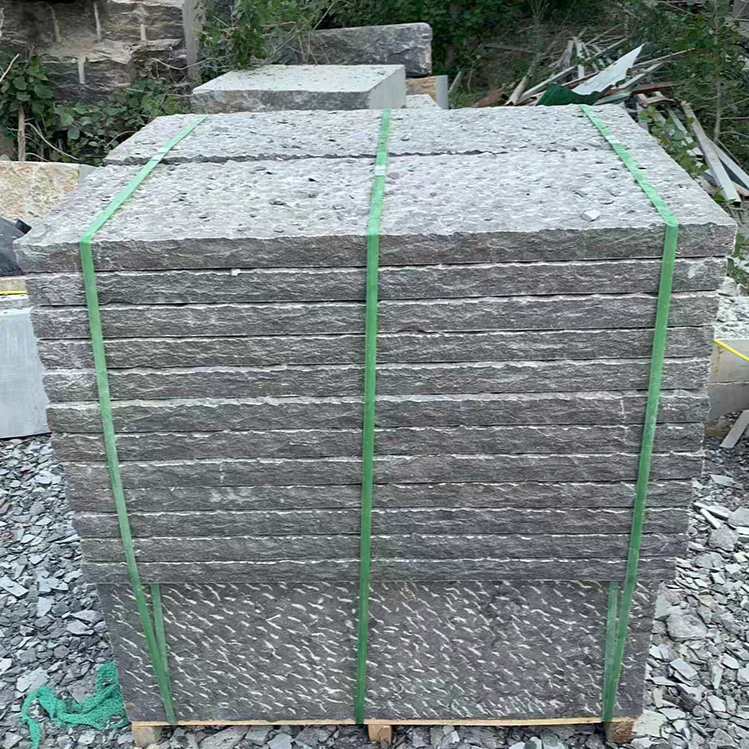
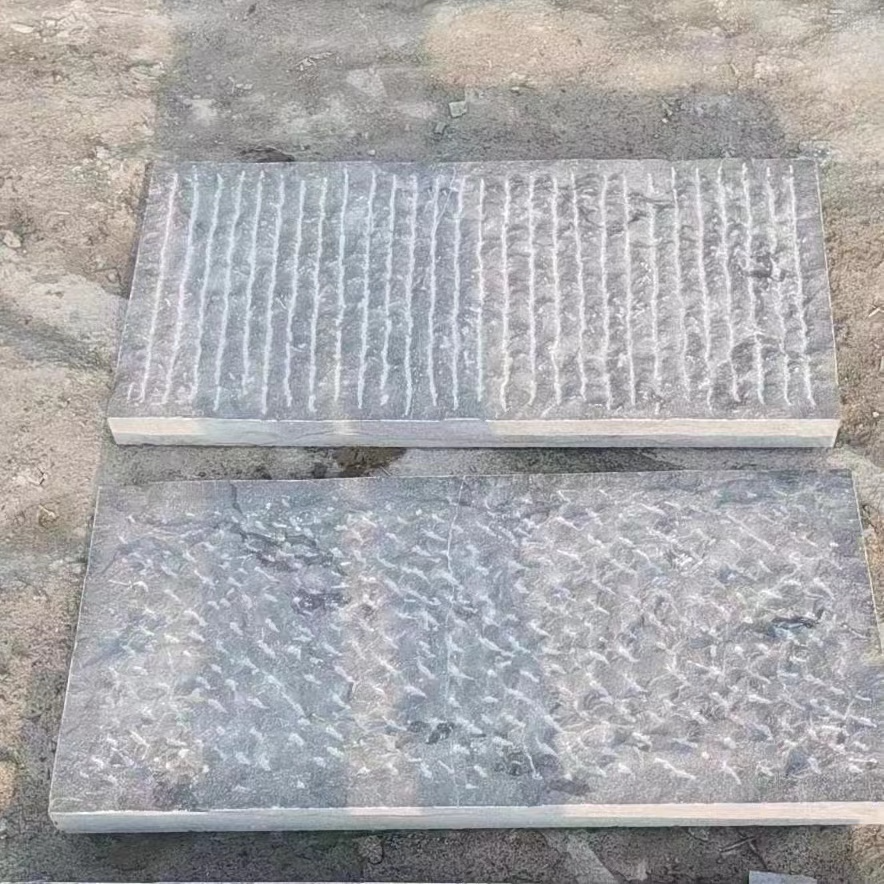
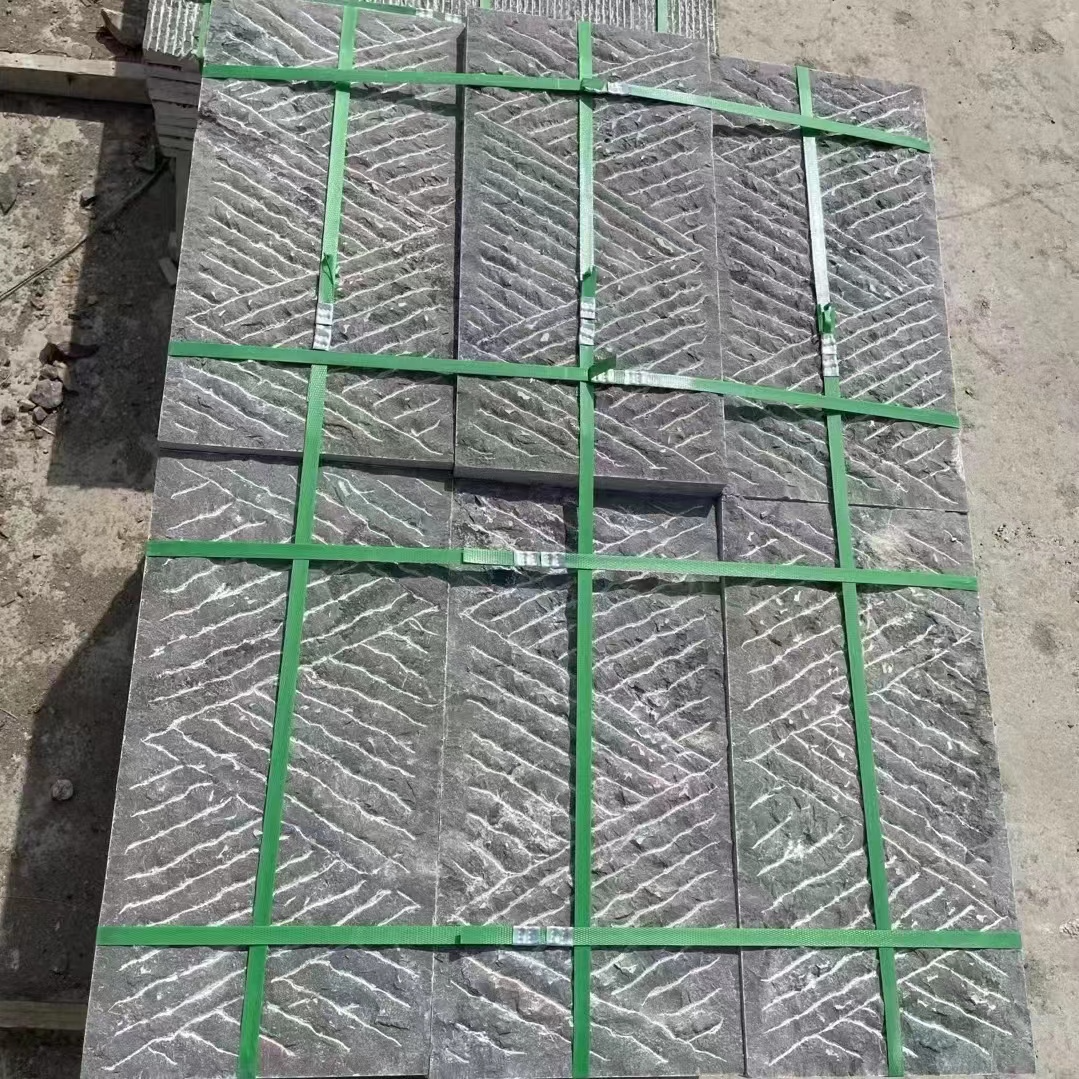





Due to its abundant reserves, convenient mining, and low price, pearl flower stone is suitable for large-scale installation. Pearl flower stone can not only be used in municipal construction, square paving, building staircase steps, but also in road stone, flooring and other aspects. Attention should be paid to the impact of moisture on stone. Like natural stone, pearl flower stone is very prone to absorbing moisture or invading pollution through water dissolution. Therefore, it is advisable to avoid excessive exposure to moisture during the maintenance of pearl flower stone as much as possible. Below is a brief introduction on how to deal with the moisture resistance of pearl flower stone.
To maintain smooth breathing of pearl flower stone, it is not advisable to cover its surface with carpets and debris for a long time, as this can cause pearl flower stone to become diseased due to excessive moisture and increased moisture content. If unavoidable, it is necessary to frequently move carpets or debris on pearl flower stone. You can use some quality assured waterproofing agents on pearl flower stone appropriately. But waxing should not be done casually, because the acidic and alkaline substances contained in wax not only block fine pores, but also form wax deposits with dirt and dust, causing yellowing on the surface of pearl flower stone. In addition, as wax is an ammonia containing substance, it not only has adverse effects on the body but also on the environment after volatilization and decomposition.
Pearl flower stone is afraid of high environmental humidity, so attention should be paid to maintaining ventilation and dryness. High environmental humidity not only causes hydration, hydrolysis, and carbonation of the stone, but also causes diseases such as whitening, weathering, erosion, water spots, and rust yellowing. If residual pollutants such as tea, coffee, cola, soy sauce, oil, ink, etc. are found on the stone, they should be cleaned immediately to prevent them from penetrating into the pores of the stone. Stone has natural pores, and if these dirt are not treated in a timely manner, they can easily penetrate into the stone along the pores and form stains.