







Question 1: What is a water strainer?
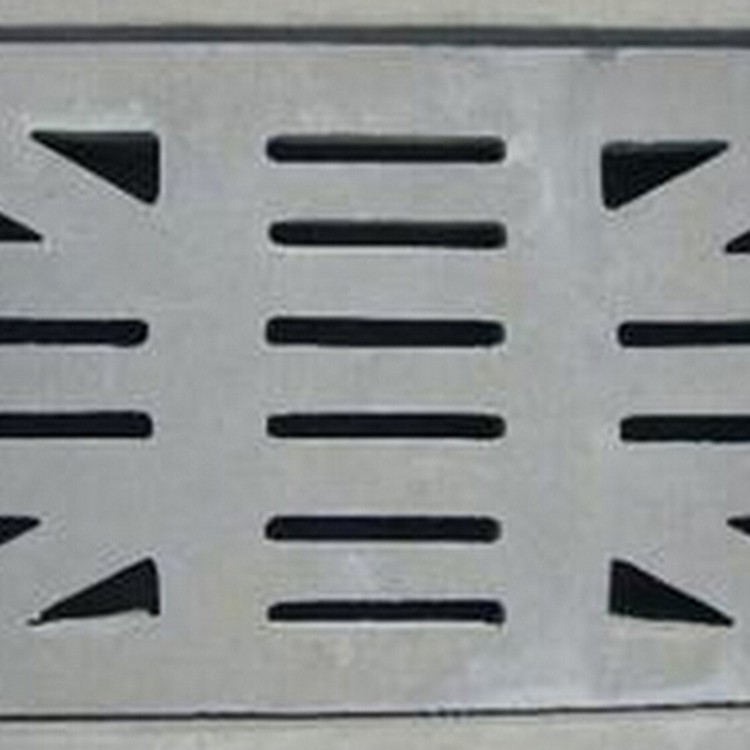
Rainwater grates are welded from flat steel and twisted square steel or flat steel. Due to their beautiful appearance, good drainage performance, high strength, multiple specifications, and low cost, steel water grates are usually used. With the development of science and technology, a new type of composite water grate has been formed by reinforcing steel bars with resin or plastic and adding inorganic fillers. Its advantages are lighter weight than cast iron water grates, lower cost, and lower strength compared to cast iron water grates.
Question 2: Which side of the water grate is on top and why?
Whether square or circular, the filter cover at the entrance of the sewer is usually flat, which not only does not hinder traffic and vehicle passage, but also beautifies the road and prevents theft.
Question 3: The difference between water grates and drainage ditch cover plates
Water grates and drainage ditch covers are the same product, but they are called differently in different regions.
The material is Q235A or stainless steel, with ordinary flat type, anti slip tooth type, and section type I. The commonly used specifications are 20 * 5, 25 * 5, 25 * 3, 32 * 5, 32 * 5, 40 * 5, 40 * 3, 50 * 5, 65 * 5, 75 * 6100 * 8100 * 10, etc., to adapt to different span loads and requirements. It is widely used in municipal roads, garden facilities, residential areas, schools, sports venues and other places. Depending on the type of groove (well) cover used, the surface can be hot-dip galvanized, cold dip galvanized (electroplated), or untreated.
Question 4: What is the material of the drainage grate?
It is made of Q235 low carbon steel or stainless steel. Flat steel, toothed flat steel and Fried Dough Twists steel are its raw materials.
.jpg)