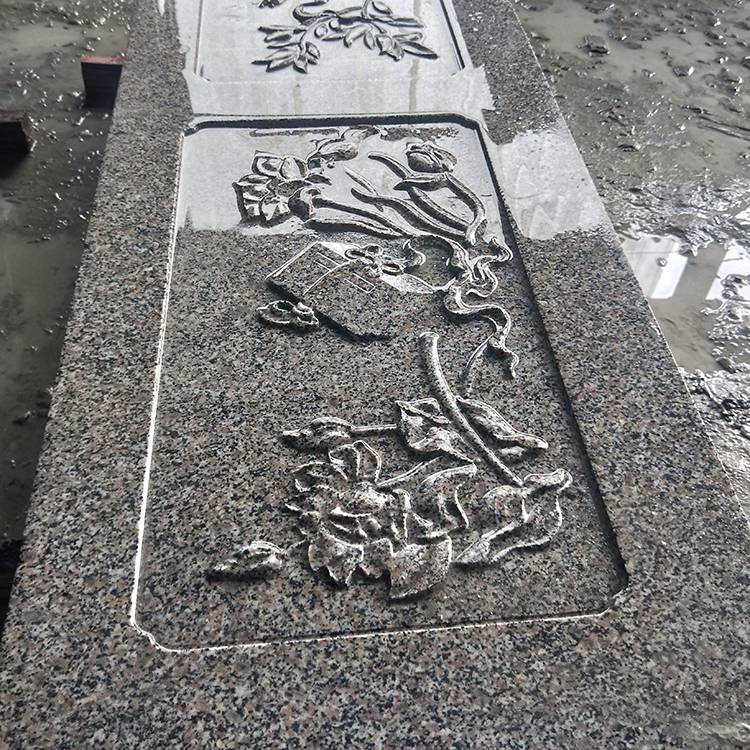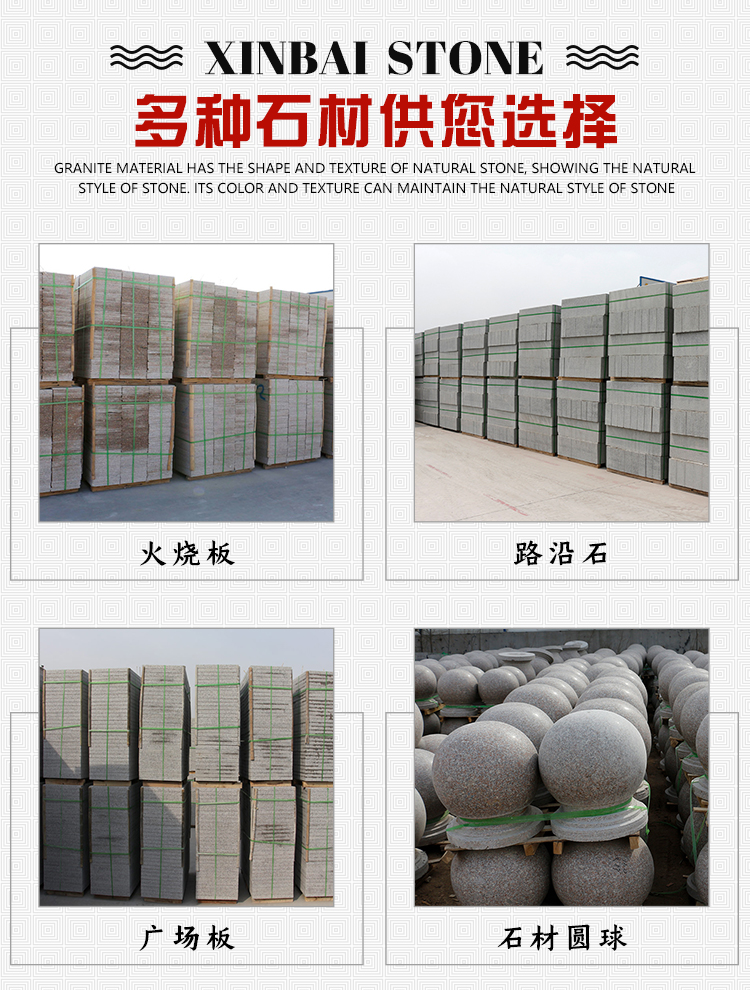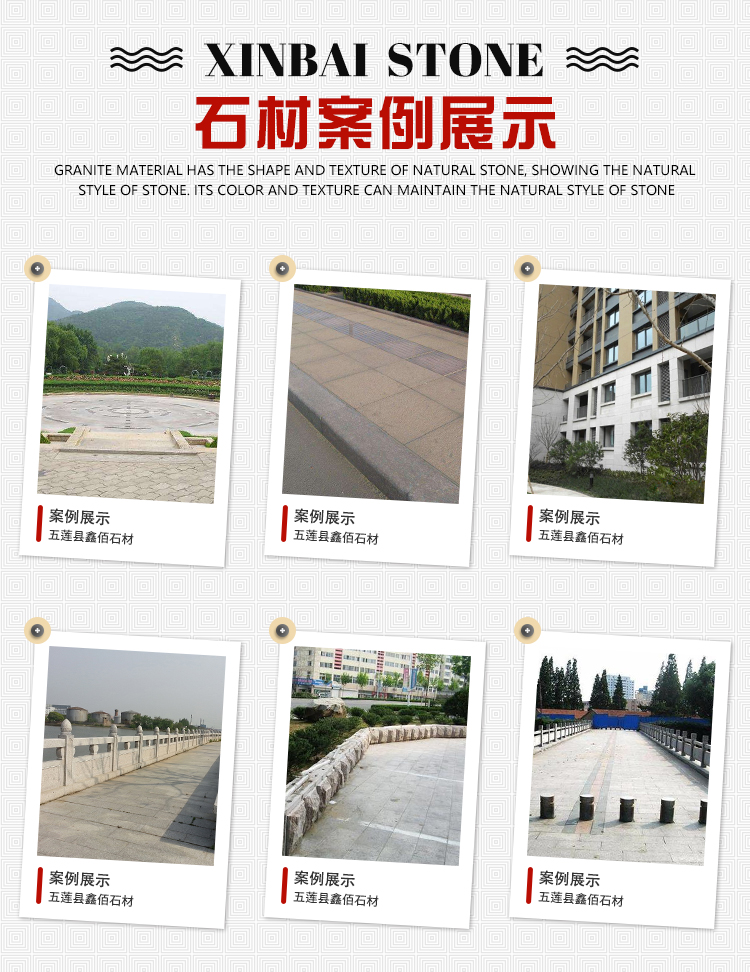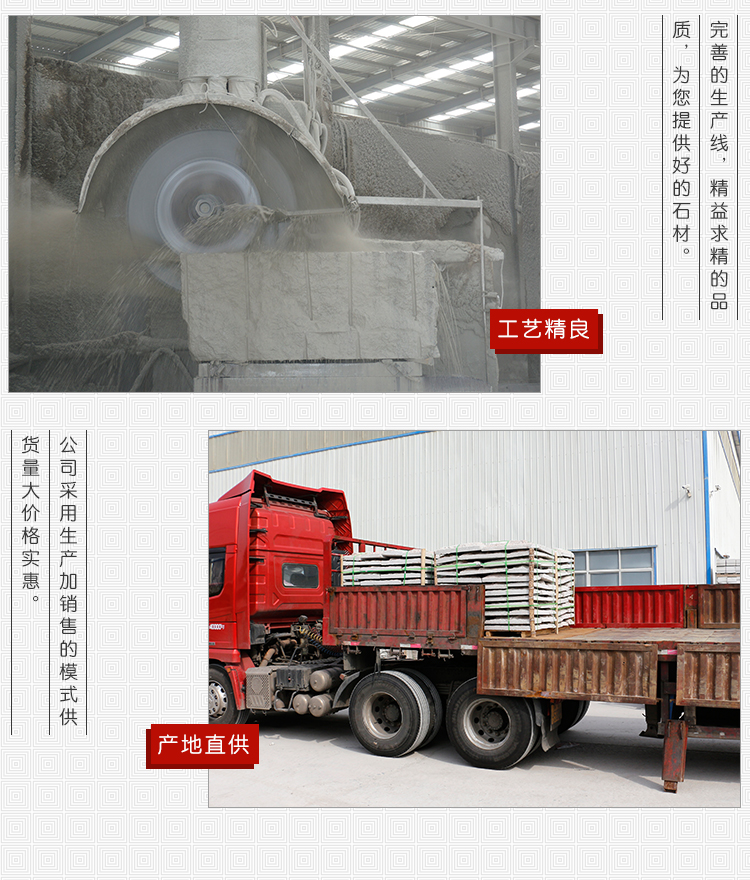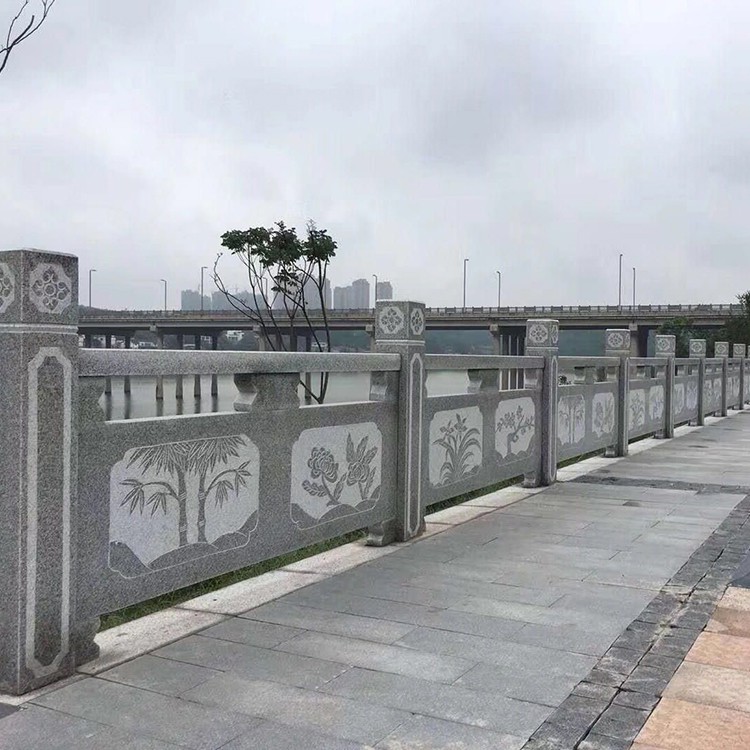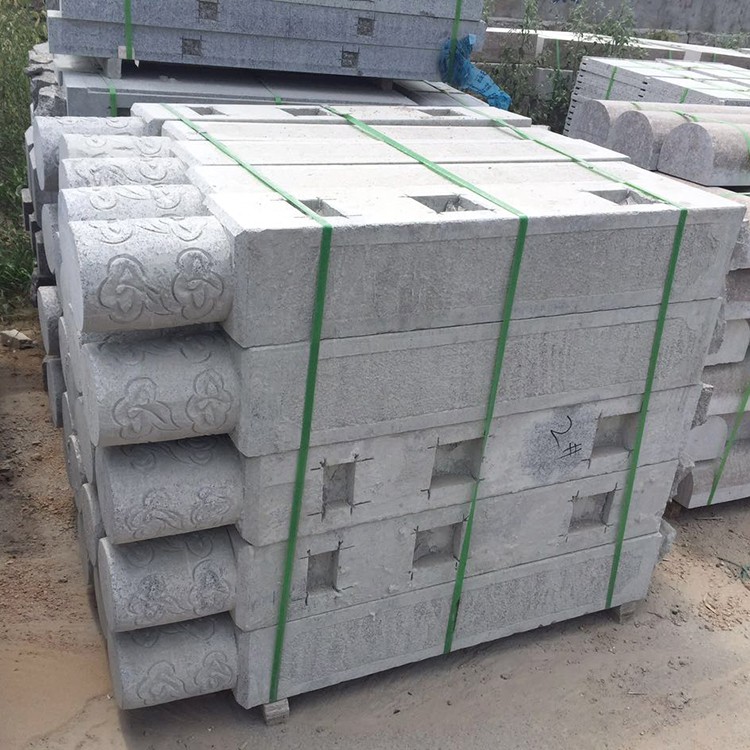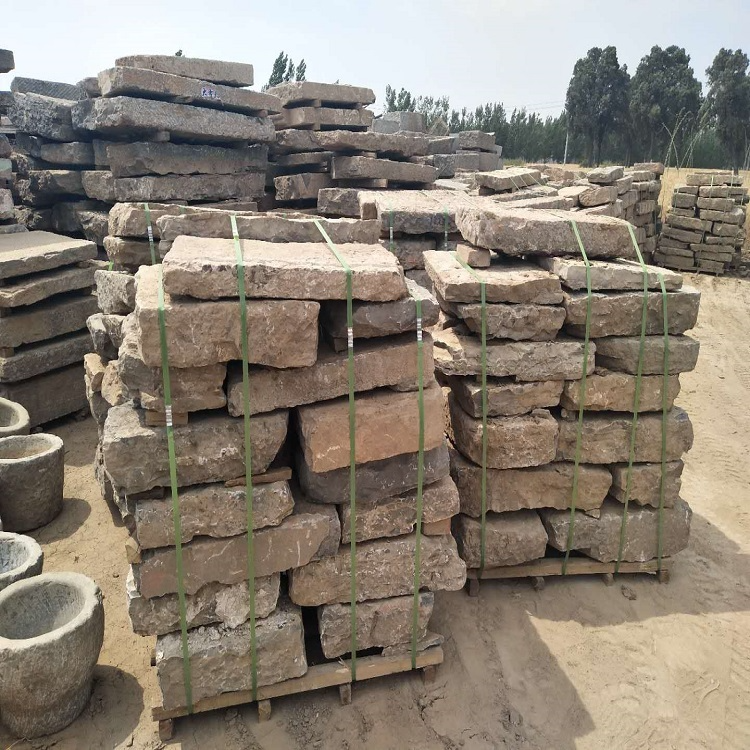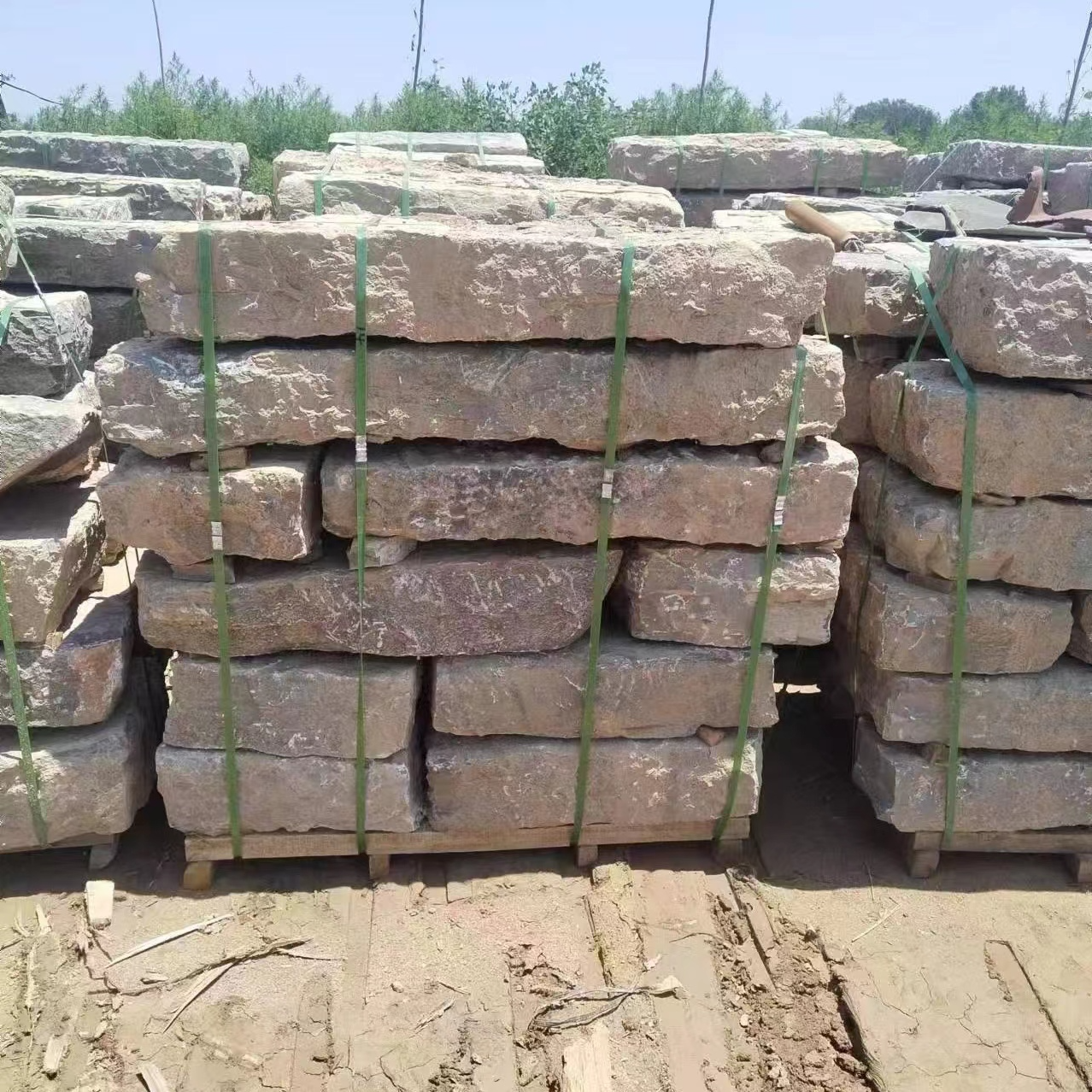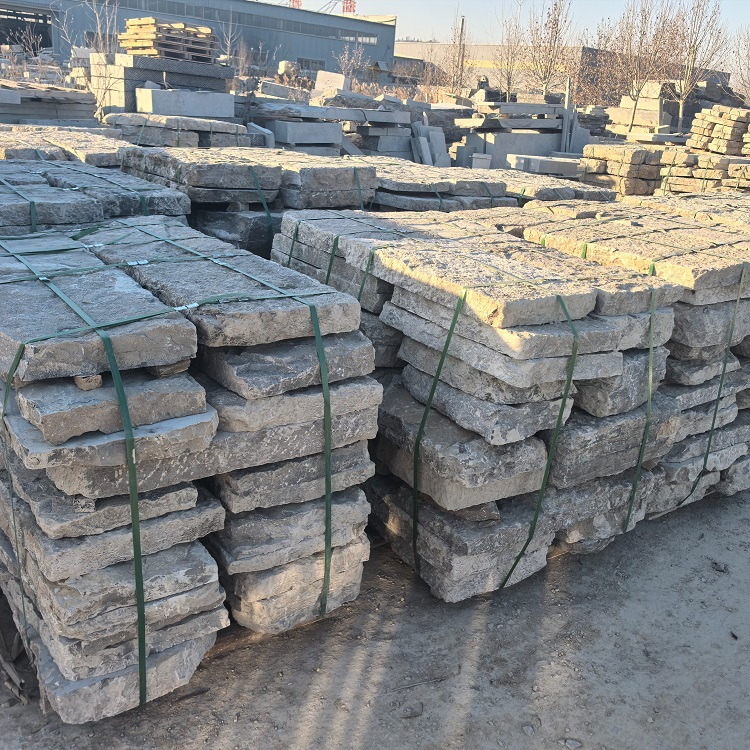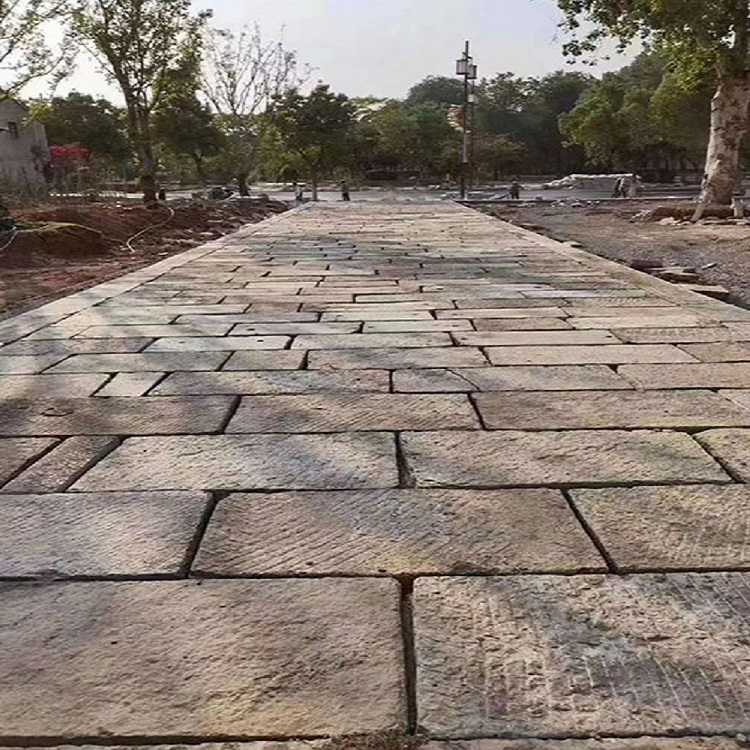


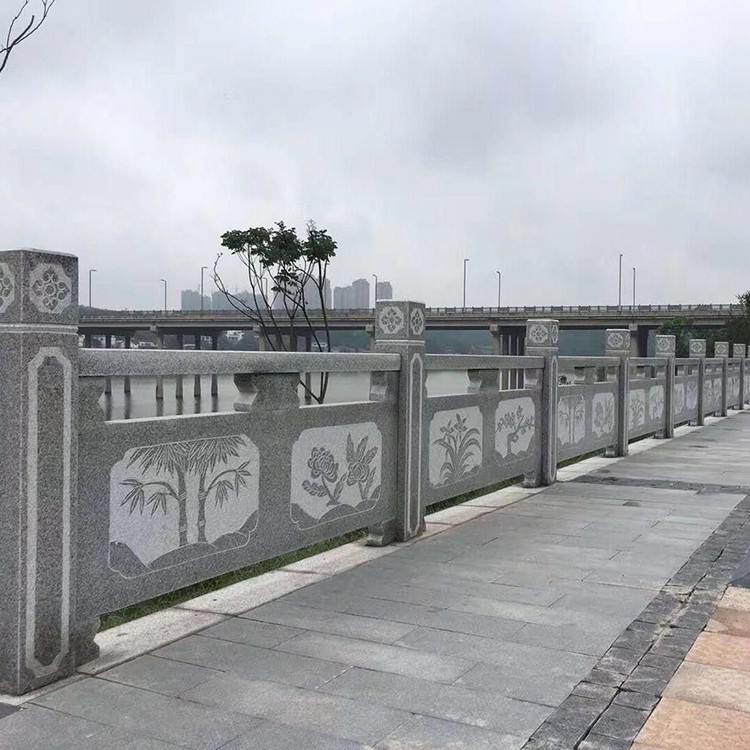
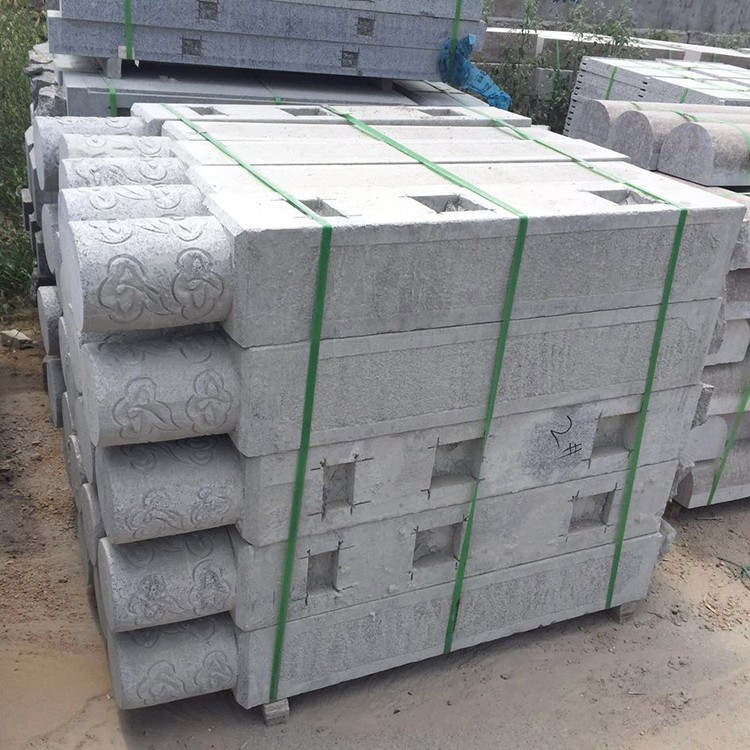


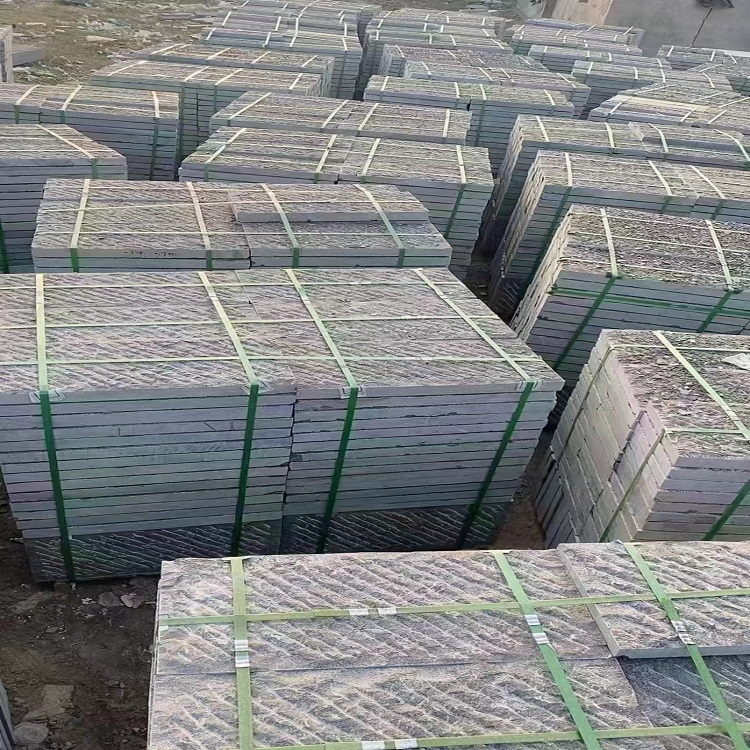
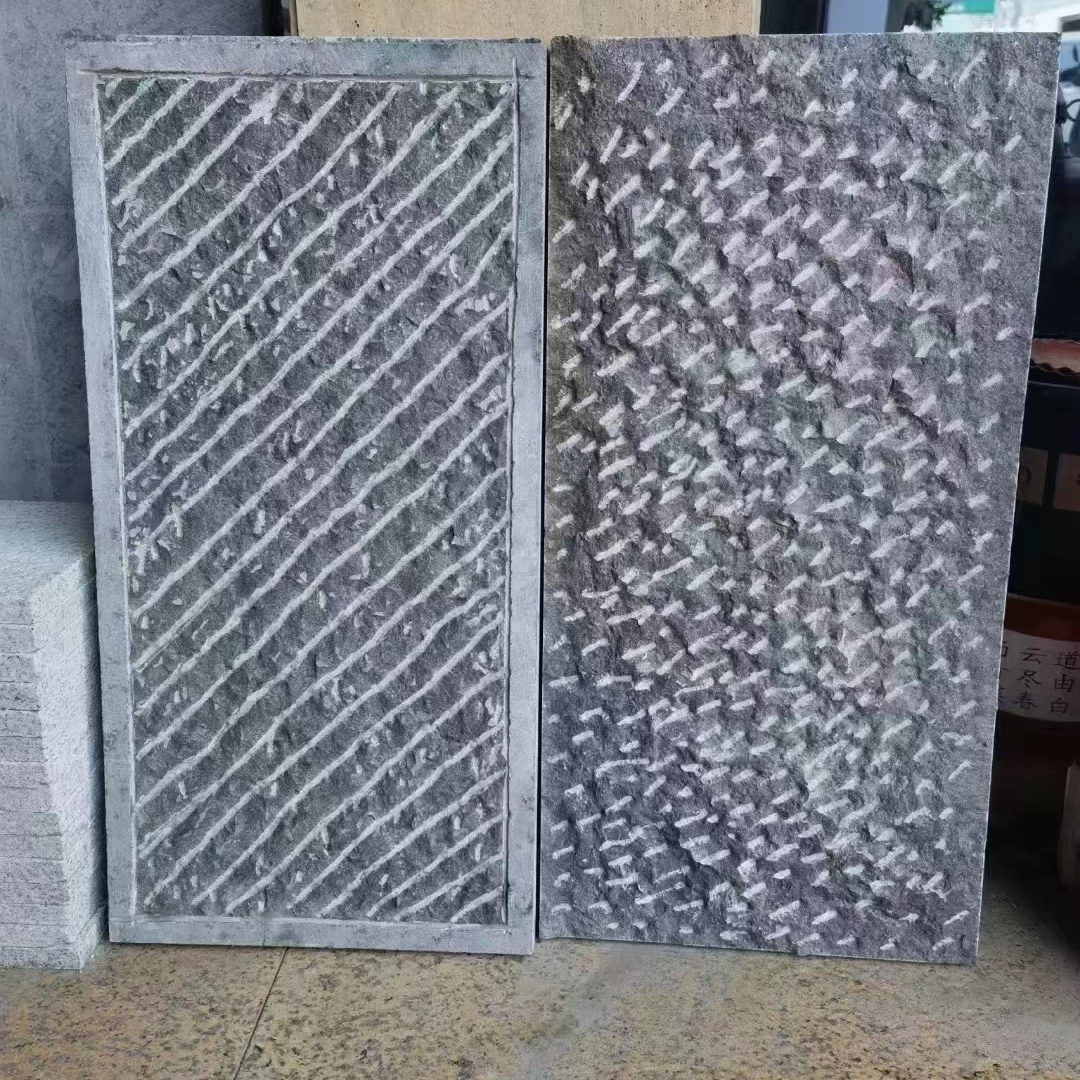
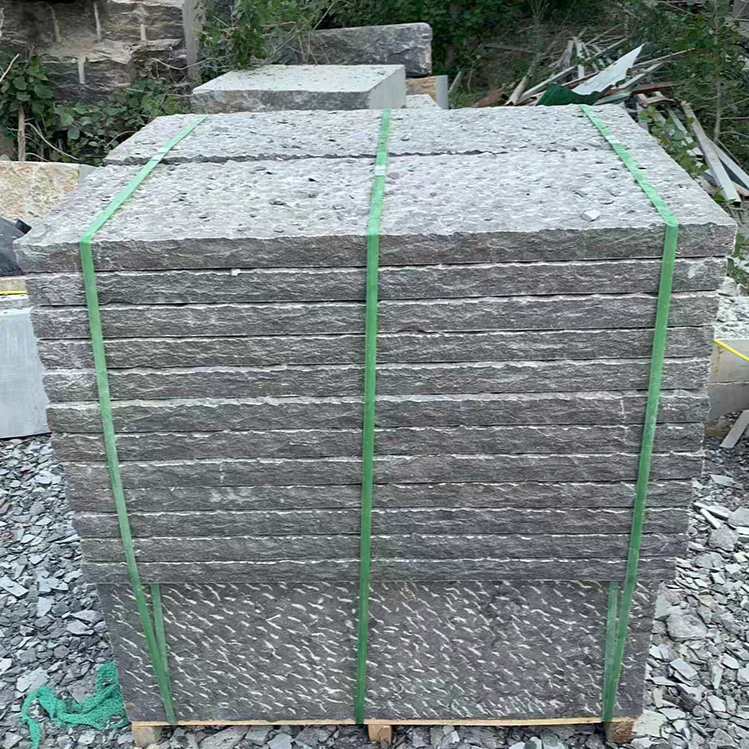
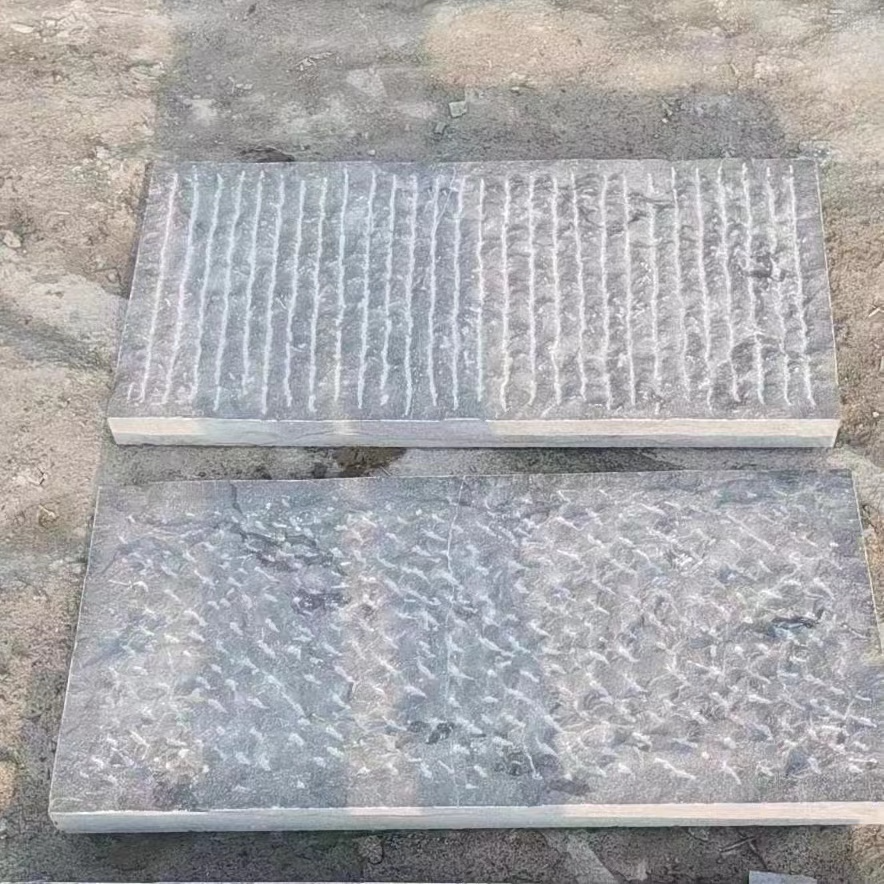
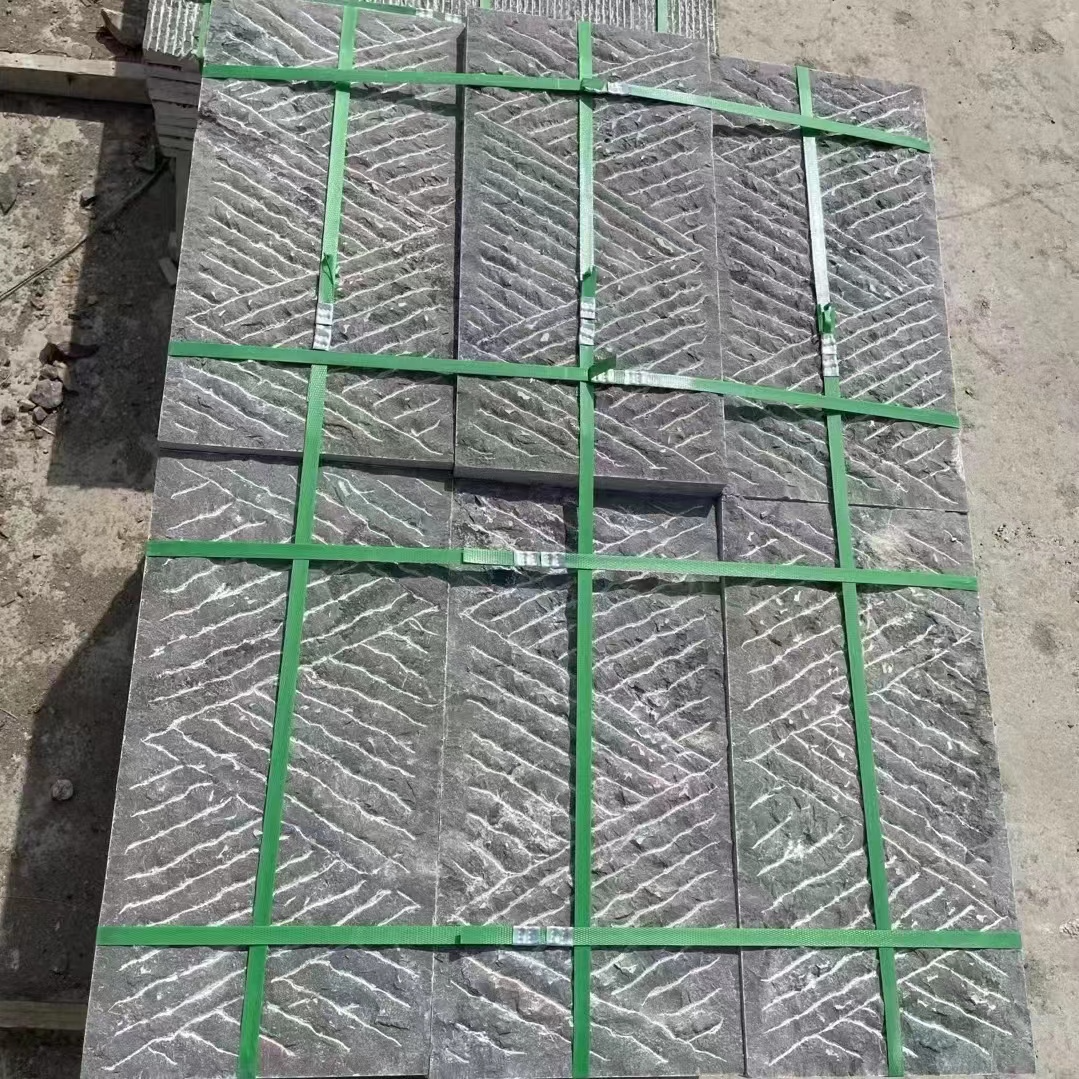





1. Carefully observe the surface of the stone with the naked eye. Generally speaking, stones with uniform fine structure and delicate texture are excellent stones. The coarse and uneven grain structure of stone has poor appearance and quality, characterized by uneven mechanical properties. In addition, due to the influence of geological processes, fine veins and micro cracks often appear in natural stone, which are very prone to breakage and should be eliminated. When choosing stone, attention should be paid to the aspect of missing corners and edges, as it can affect its aesthetics.
2. Measure the specifications and dimensions of the stone. This is related to whether the patterns, patterns, and lines are deformed during and after splicing, which affects the decorative effect of the stone.
3. Listen to the knocking sound of the stone. Generally speaking, stones with good quality, dense and uniform interior, and no micro cracks have clear and pleasant sound; On the contrary, if there are micro cracks or fine veins inside the stone, or if the contact between particles is loose due to weathering, the knocking sound will be rough and hoarse.
4. Use simple testing methods to check the quality of stone. Drip a drop of ink onto the stone. If the ink quickly disperses, it means that the particles inside the stone are loose or have microcracks, indicating poor quality of the stone; On the contrary, it indicates that the internal structure of the stone is dense and the texture is excellent
In the selection of finished boards, due to the natural nature of the stone raw materials, it is impossible to have the same texture, and there are also differences in mining level and processing technology. Most stones are graded. The surface of the five lotus stone does not have colored stripes, most of them only have color spots, and some only have solid colors. The finer the mineral particles, the better.