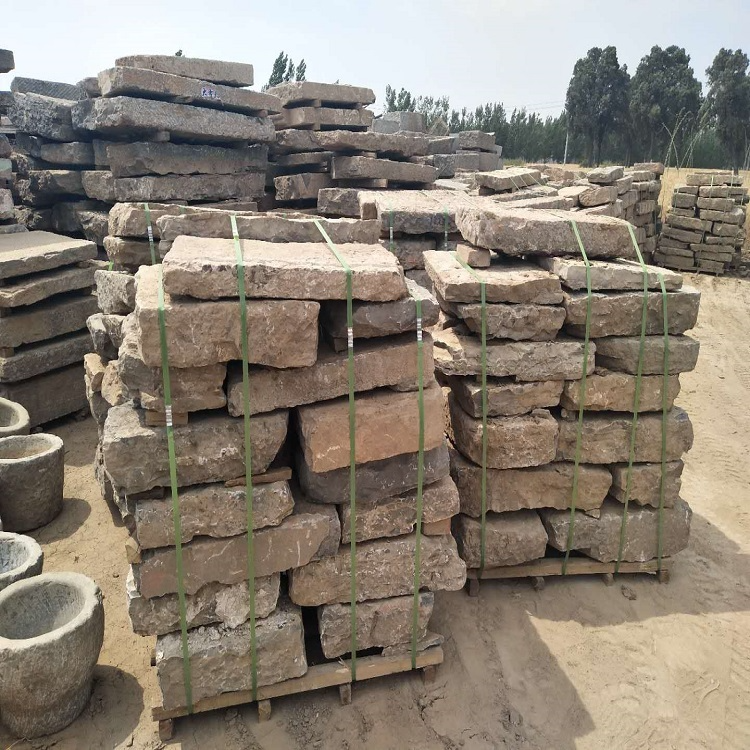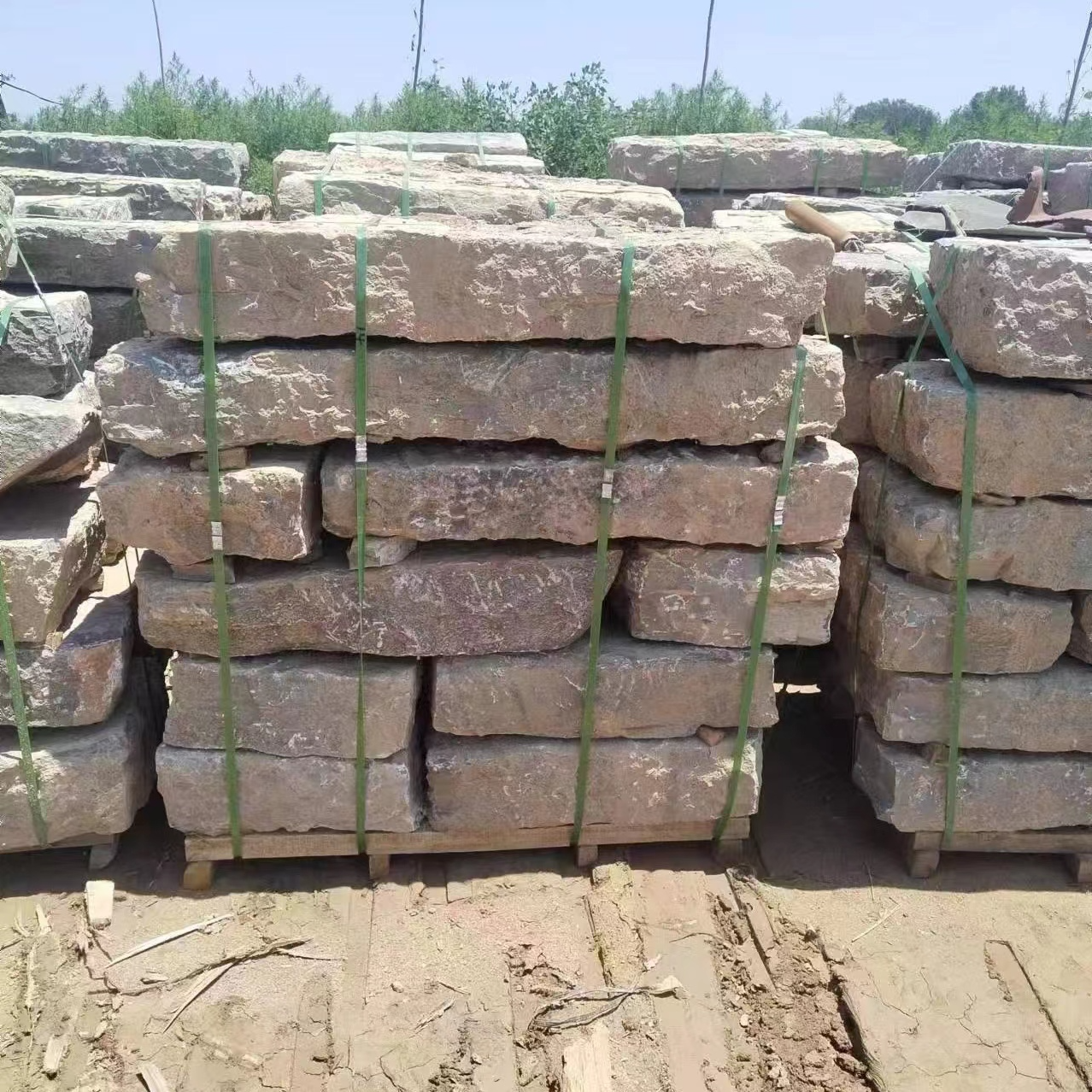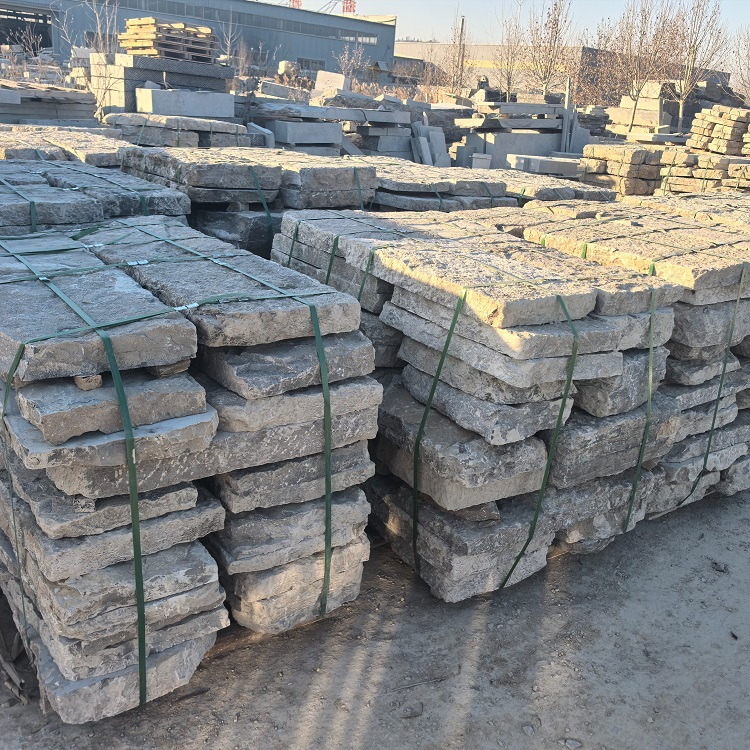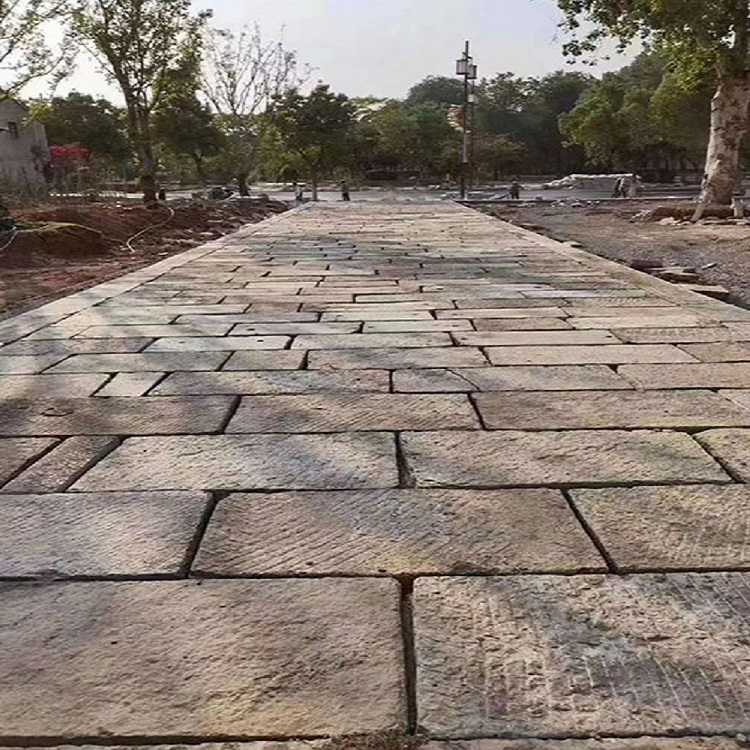









How to clean and renovate yellow rust stone?
The gloomy and humid weather not only affects our lives, but also damages yellow rust stones. Below, we will explain the cleaning techniques and renovation measures for yellow rust stones.
The lesions of stone can be roughly divided into two categories: one is that the microstructure of the stone itself is not significantly damaged, but the micropores of the stone are occupied by foreign objects, such as white spots, water stains, rust yellow spots, oil stains, etc. For this type of situation, cleaning should be prioritized. Another type is to cause damage to the microstructure of the stone to some extent, such as surface pulverization, peeling, loss of luster, and cracks. This type of lesion is usually treated with refurbishment. Specialized cleaning methods should be used for different causes and objects of stone lesions, mainly focusing on cleaning the dirt that has penetrated into the micropores of the stone or stone artifacts. We call this the 'deep cleaning' of stone. The following steps are how to deeply clean stone: 1. First, enter the micropores of the stone through infiltration. 2. Subsequently, dirt molecules and cleaning agents undergo physical or chemical interactions within the micropores of the stone. 3. Then clean the residue after cleaning by suction or dilution steps. What is needed to complete the basic operation of deep cleaning here are 1 and 3. 2 requires careful design and testing based on the nature of the dirt, the material of the stone, and the convenience of the process, so that the dirt molecules can interact with the cleaning agent.
The method for dealing with surface or surface microstructure damage caused by stone lesions is refurbishment. Grinding, sandblasting, and coating are the basic techniques for refurbishment, and a simple refurbishment method is polishing or applying a layer of masking material. The method to restore the natural appearance of stone that has lost its luster, powdered and peeled off, and dissolved on the surface is through grinding and polishing. A combination of new abrasives and chemical additives can be used to achieve a mirror gloss of over 90 Gauss in the renovated stone. Rough and irregular surface stones such as rough boards and fire burned boards can be restored to their original natural appearance by sandblasting, and all have good effects. The sandblasting refurbishment method has been widely used abroad, but similar high-quality sandblasting machinery products have not yet been seen in China.
The impact comes from multiple aspects, so if you want to quickly demonstrate its value, you must use it with care and love in your daily life.