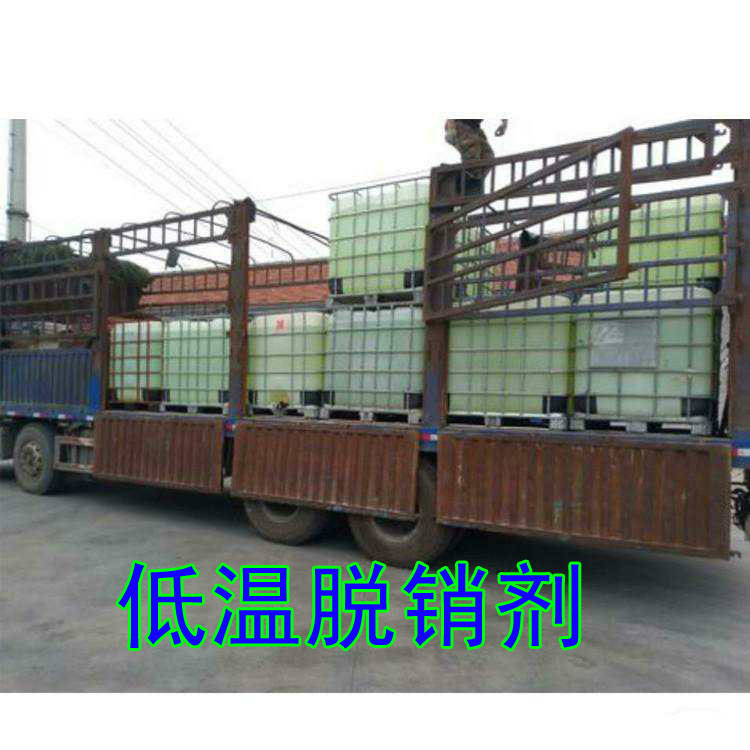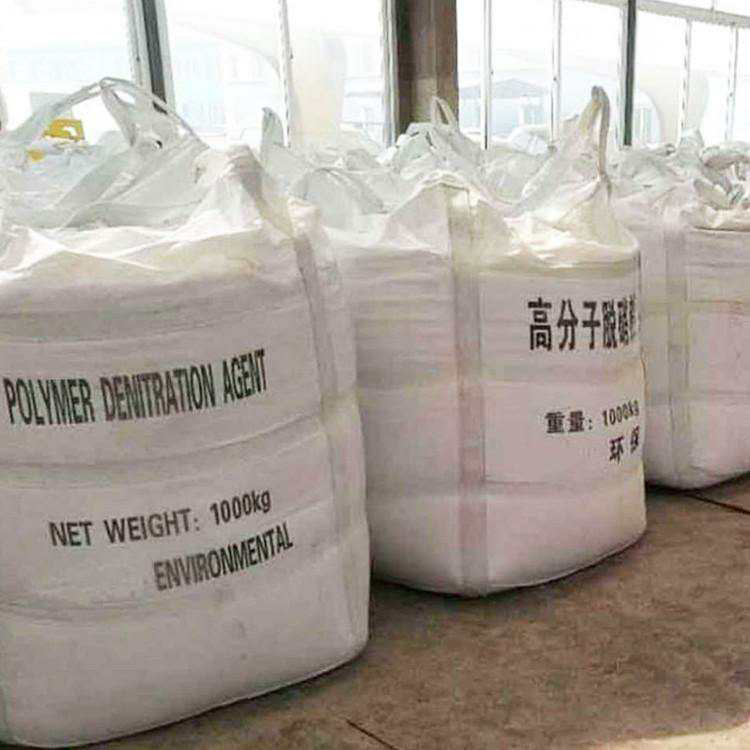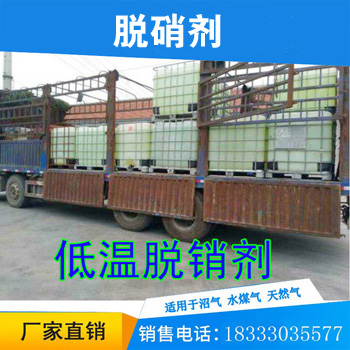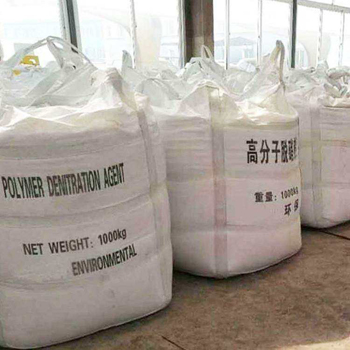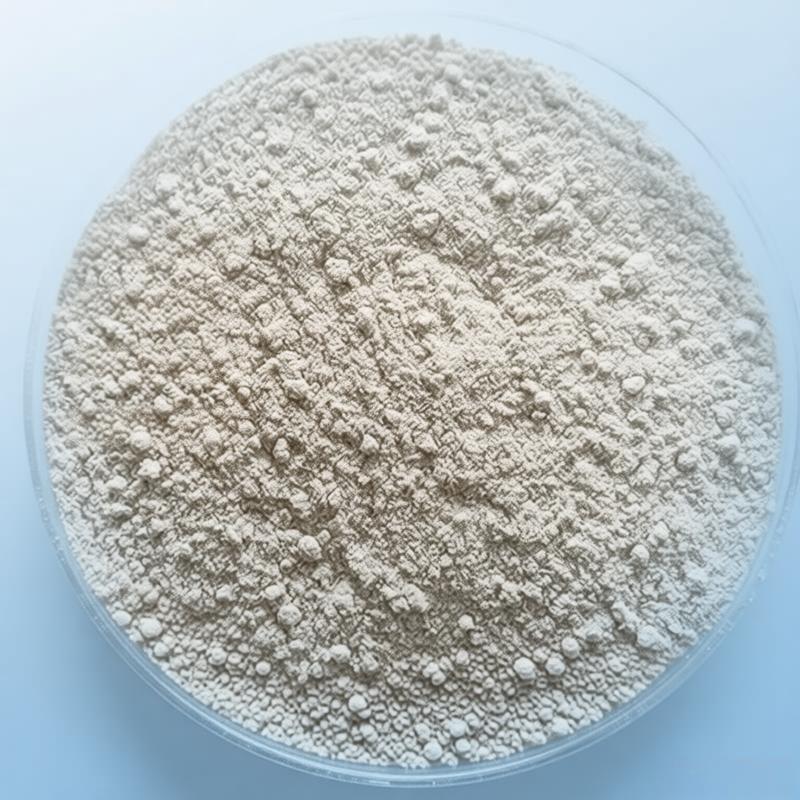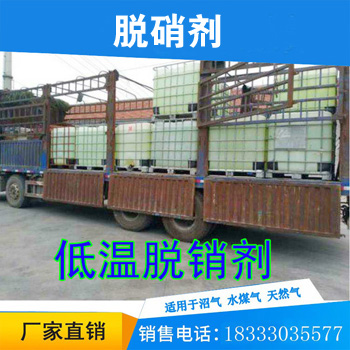

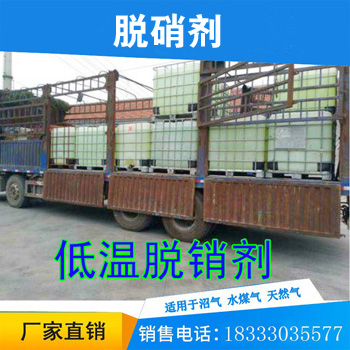
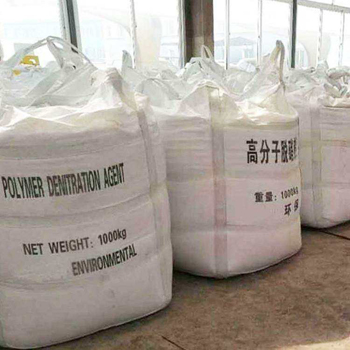










Denitrification additive, denitration additive oxidation-reduction method, using wet flue gas denitration agent to oxidize NO to NO2, and then reducing NO2 to N2 with aqueous solution. This method can be combined with wet desulfurization technology using CaCO3 (limestone) as desulfurizer, and the reaction product of desulfurization can also be used as a reducing agent for NO2. The denitration of wet flue gas denitration agent
The rate can reach 95% and desulfurization can be achieved simultaneously.
As early as the late 1970s, foreign flue gas denitrification institutions studied the absorption of NOX by wet flue gas denitrification agent solutions. In the 1990s, they used flat panel gas
Half batch stirred container with liquid interface. Similar experimental studies were conducted using packed columns and stirred tanks, and based on this, attempts were made to use spray towers and bubble columns, respectively
Conduct research on simultaneous desulfurization and denitrification. There are two types of denitrification methods: dry denitrification and wet denitrification. Dry denitrification has an efficiency of about 80%, requires a large investment, and occupies a large area,
High cost and operating expenses; Wet denitrification has the advantages of low investment, small footprint, low cost, low operating expenses, and can be organically combined with existing desulfurization technologies
Denitrification is easy to operate and convenient to use.