







Market trends
Wholesale price trend of blast resistant door manufacturers
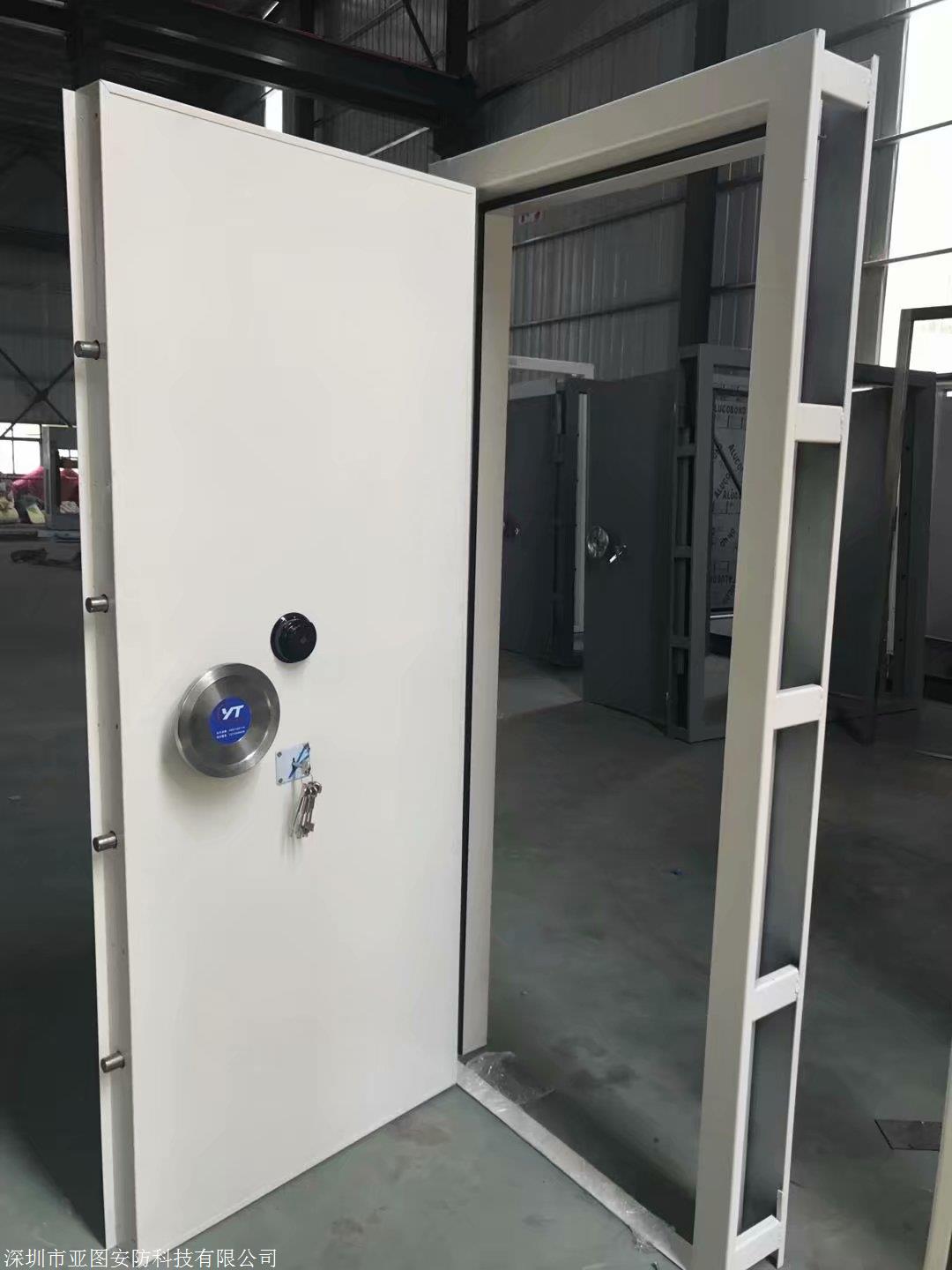
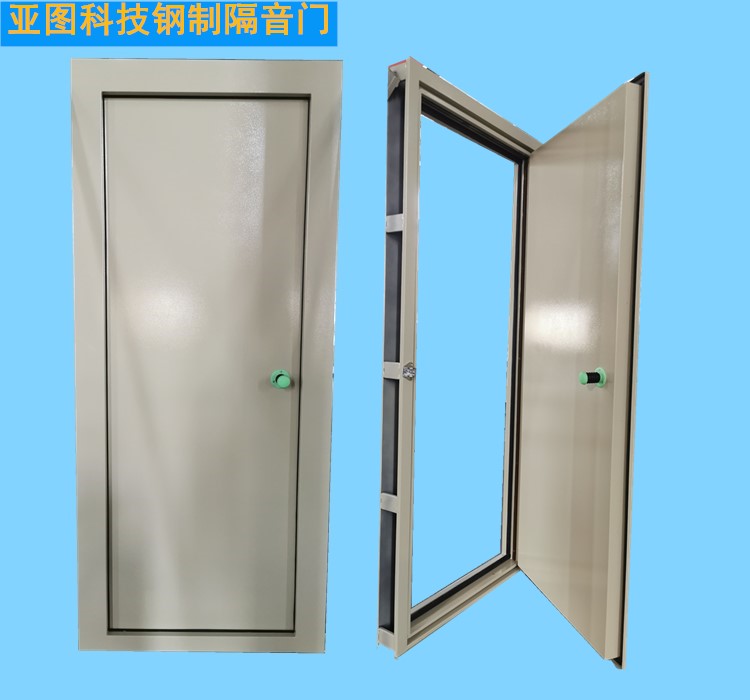
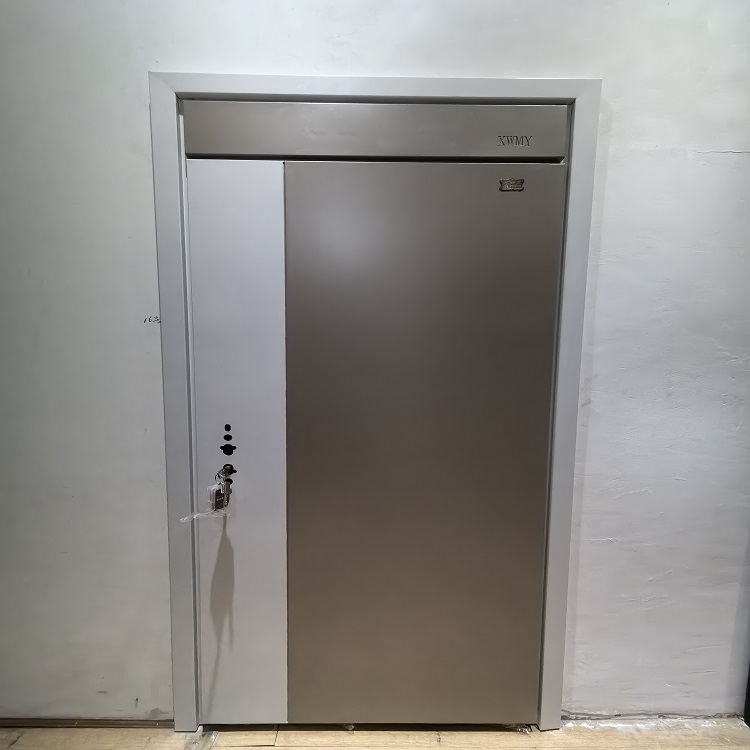
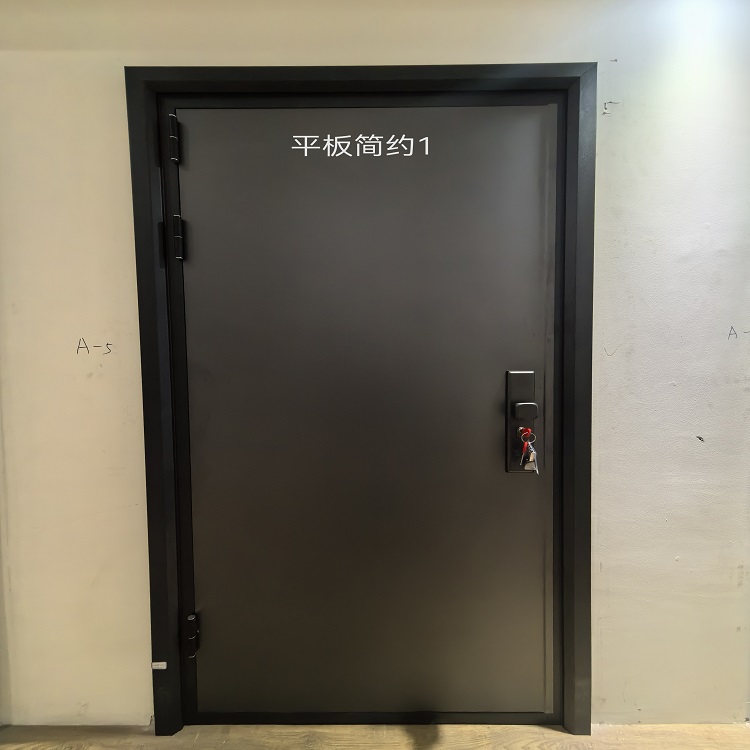
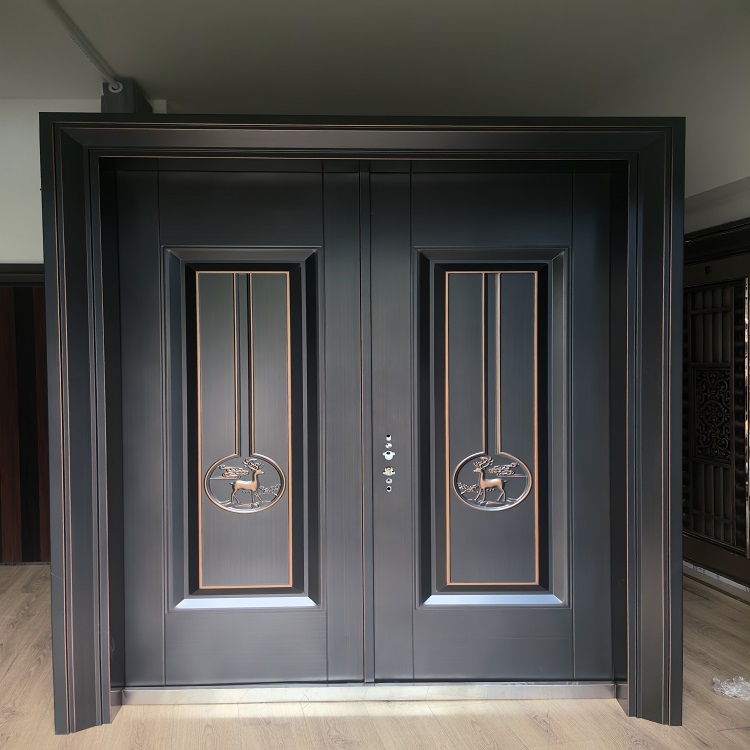
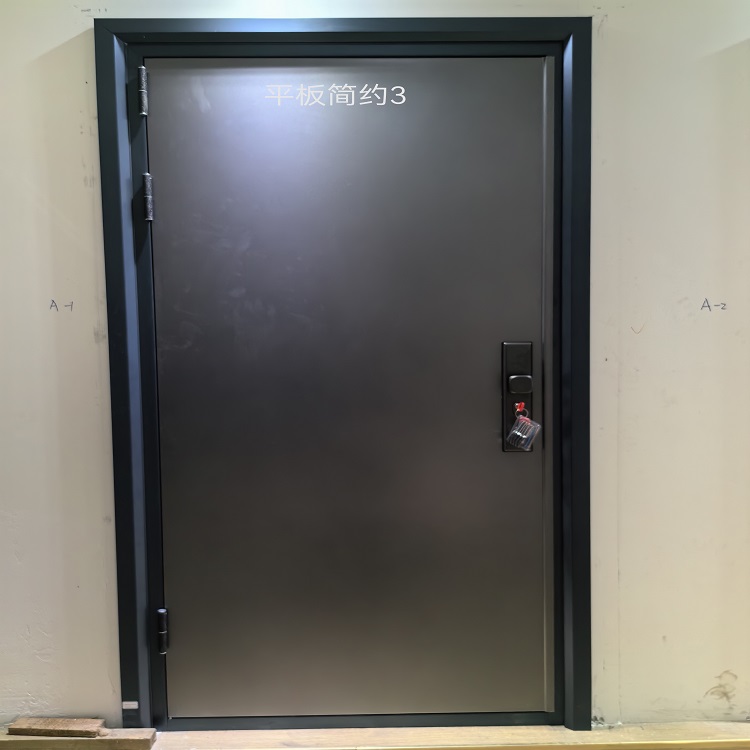
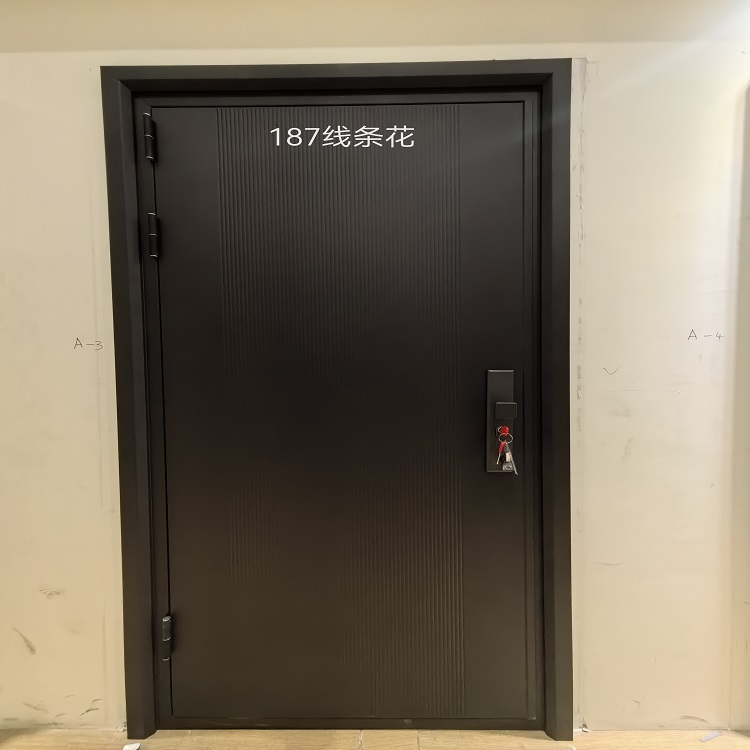
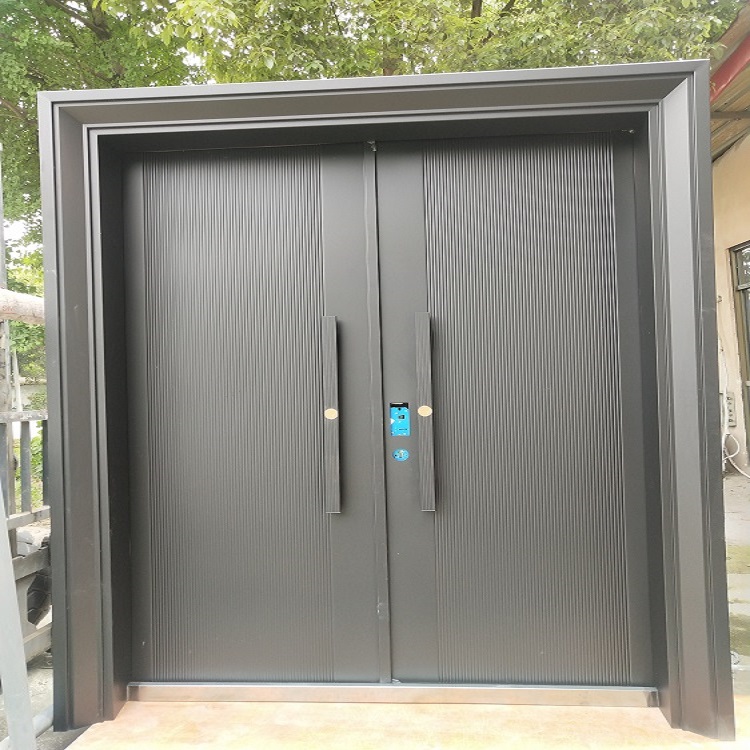
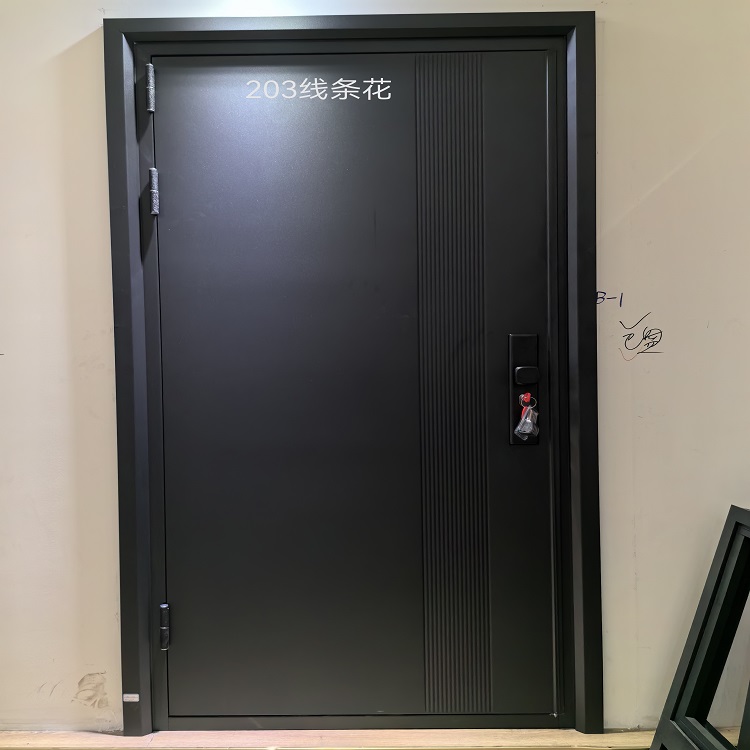
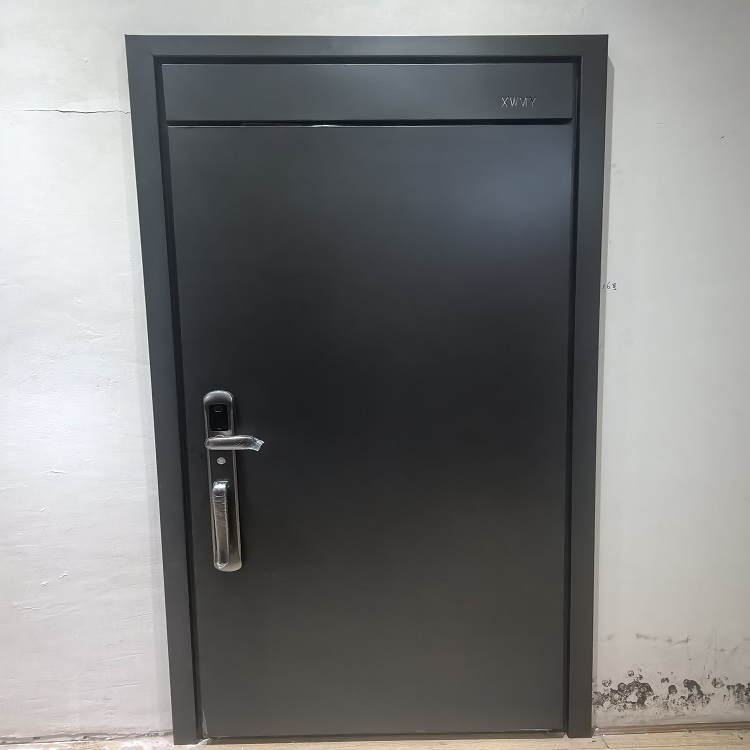
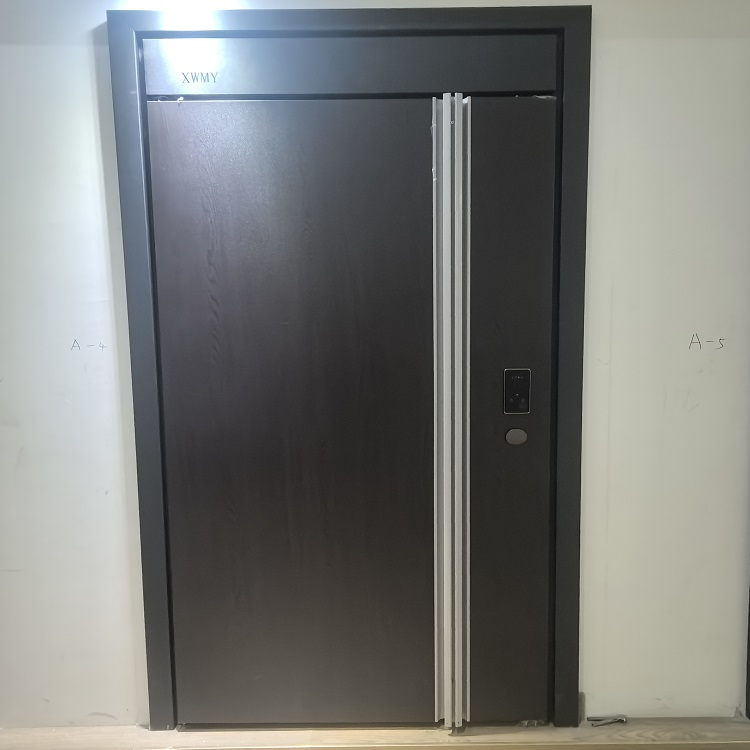
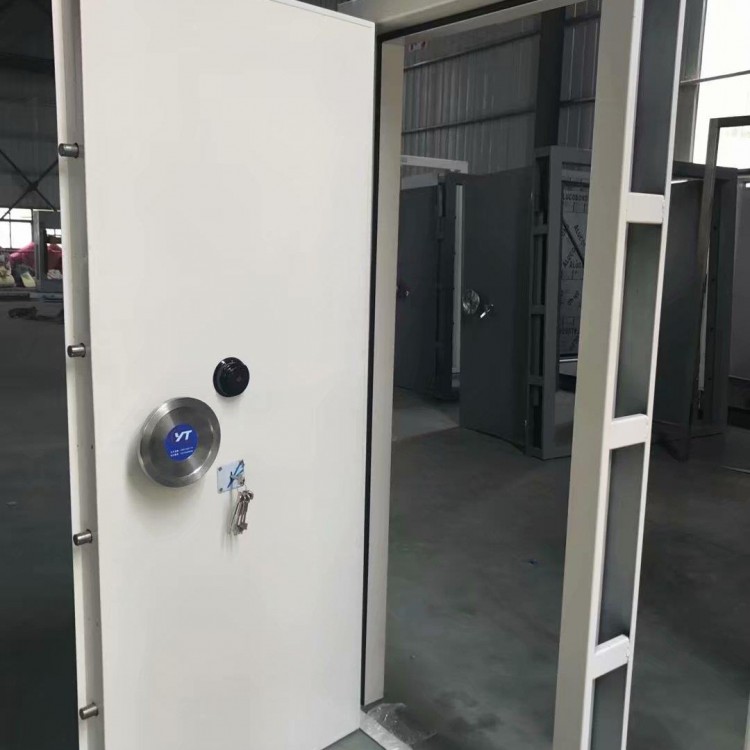
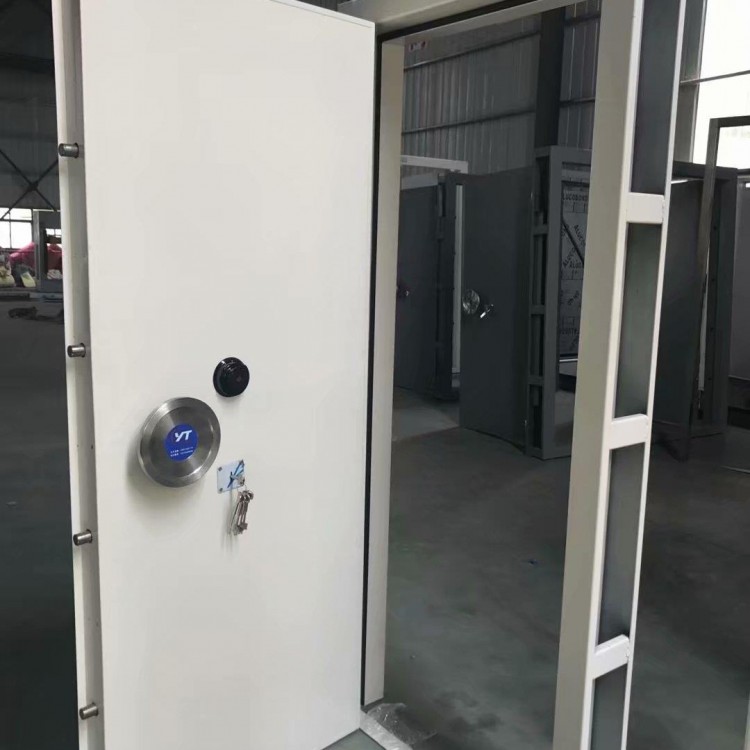
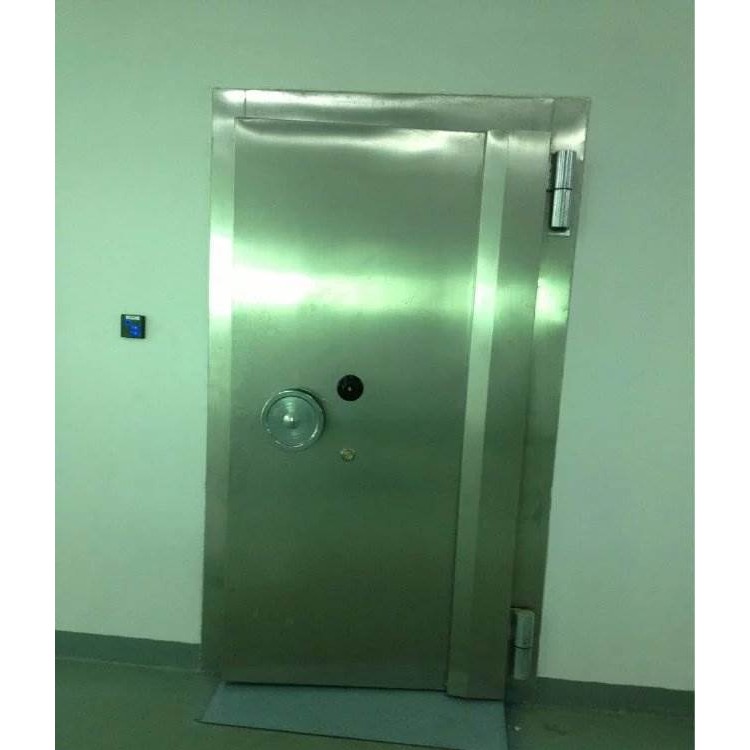
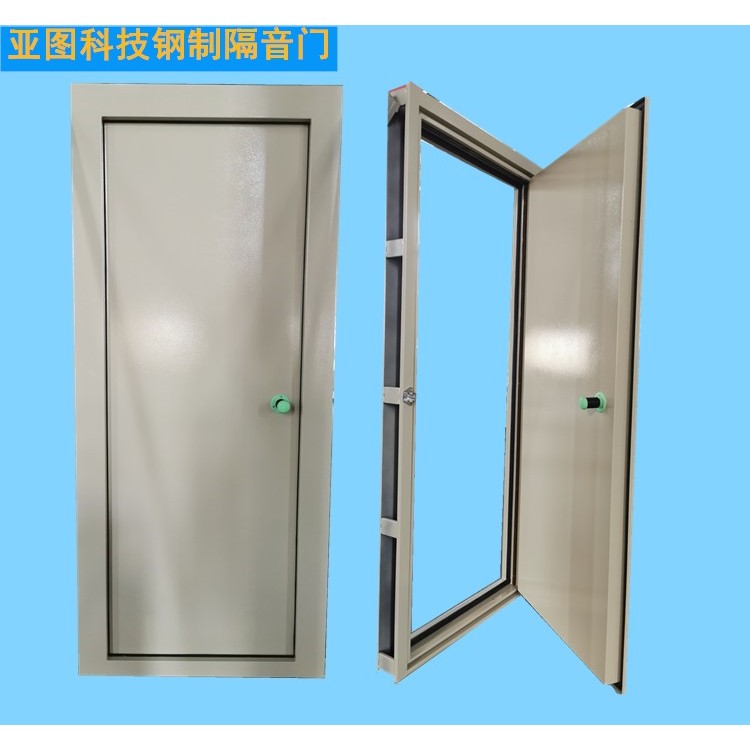
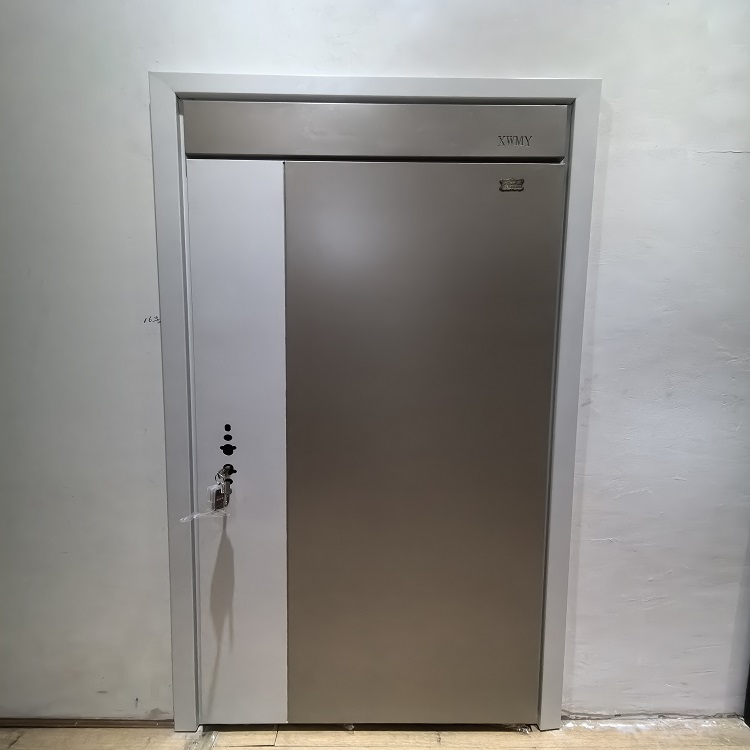
Reference for quotation from blast resistant door manufacturers: The door panel material adopts GBT1230-92 standard steel plate, and the door frame material adopts GBT1449-93 standard steel pipe. The outer surface of the explosion-proof door is coated with paint that meets national standards, the inner surface of the door panel is high-pressure spray powder, and the inner surface of the door frame is high-pressure spray powder. The product has properties such as weather resistance, corrosion resistance, impact resistance, wear resistance, thermal insulation, sound insulation, and strong light resistance, and is widely used in hazardous areas such as petroleum, chemical, metallurgical, power plants, nuclear power plants, aerospace, automobiles, and rail transit.
Explosion proof door product standard
GB12476-89 Explosion proof door
National standards
GB12476-2005 Explosion proof door
Petrochemical industry standards
SYT5037-92 Explosion proof door
New energy industry standards
DLT515-2007 Explosion proof door
Chemical industry standards
HGT21635-87 Explosion proof door
Electricity industry standards
DLT514-2007 Explosion proof door
Nuclear Industry Standards
JBT4735.1-2007 Explosion proof door
Construction industry standards
GB50211-98 Explosion proof door
Mechanical industry standards
GBT23440-2009 Explosion proof door
Transportation industry standards
TBT2945-2008 Explosion proof door
Light industry industry standards
HGT21636-87 Explosion proof door
Industry standards
JBT473-2007 Explosion proof door
hg3089-2010 Explosion proof door
GBT23440-2010 Explosion proof door
SYT5441-2011 Explosion proof door
GB12476.5-2010 Explosion proof door
Purpose of explosion-proof door
1. Suitable for hazardous areas such as petroleum, chemical, metallurgical, power, nuclear industry, construction, automotive, aviation, etc.
3. As entrances and exits for public facilities such as underground parking lots, subway stations, airports, stations, shopping malls, hotels, etc;
4. As an entrance and exit for residential, commercial, office and other buildings;
5. As the entrance and exit of isolation rooms such as firewalls, seismic walls, explosion-proof walls, and interlayer walls;
6. As the inlet and outlet of reservoirs, canals, water gates, and pump stations;
7. As the import and export of bulk warehouses for liquids, gases, solids, dust, radioactive substances, etc;
8. As a container for the import and export of trains, automobiles, and airplanes;
Classification of explosion-proof doors
1. Classification method
(1) According to the explosion-proof level
According to the explosion-proof level of the explosion-proof door, it can be divided into Ex D Ⅰ Ex D II Ex tD A21 T100 ℃ Ex tD A21 T135 ℃ Ex tD A21 There are a total of 5 explosion-proof levels, including T150 ℃;
(2) According to the explosion-proof level and explosion-proof type
According to the explosion-proof level and explosion-proof type of the explosion-proof door, it can be divided into Ex d IIC T4、Ex d IIC T6、Ex tD A21 T135°C IP66、Ex tD A21 T135°C IP67、Ex tD A21 T135°C IP68、Ex tD A21 T150°C IP66、Ex tD A21 T150°C IP67、Ex tD A21 T150°C IP68;
(3) According to the protection level of explosion-proof electrical equipment
According to the protection level of explosion-proof electrical equipment, it can be divided into 7 protection levels: IP54, IP55, IP56, IP65, IP66, IP67, and IP68;
(4) According to the product purpose of explosion-proof doors
According to the product usage of explosion-proof doors, they can be divided into internal and external explosion-proof gates, exposed explosion-proof doors, horizontal explosion-proof doors, sealed explosion-proof doors, explosion-proof walls, explosion-proof gates, explosion-proof valves, explosion-proof control boxes, explosion-proof distribution boxes, etc.
WeChat Official Account

Scan to follow Official Account