
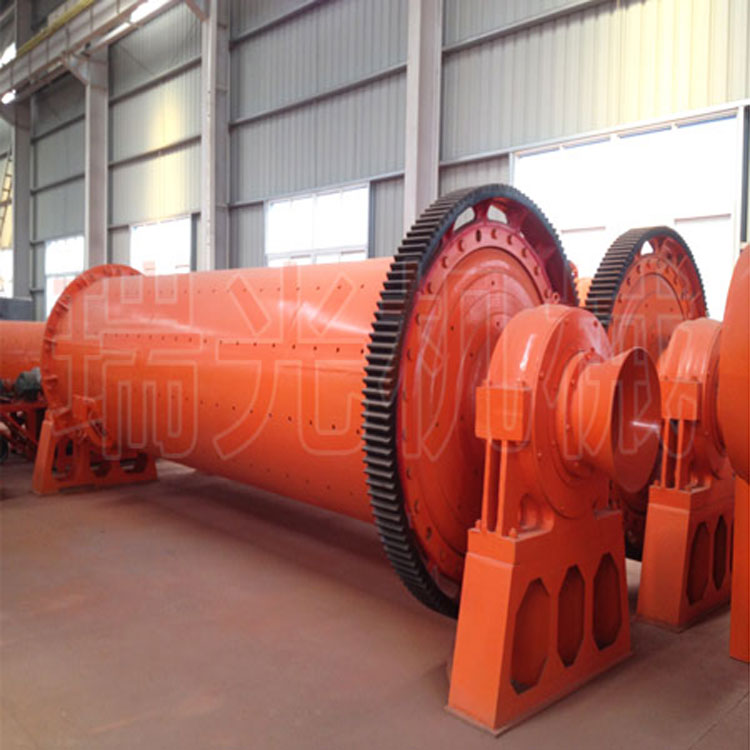
 Mining Ball Mill
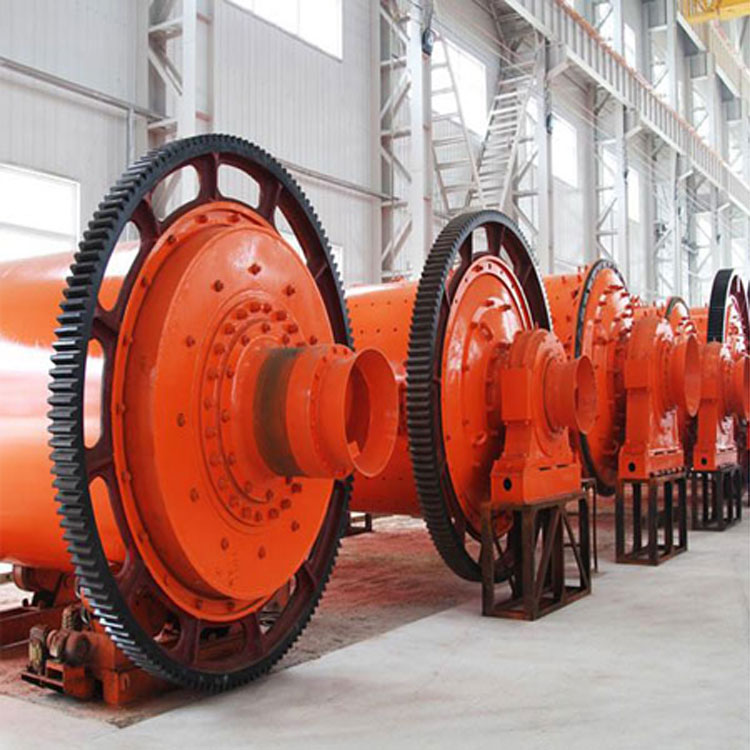 Ball mill
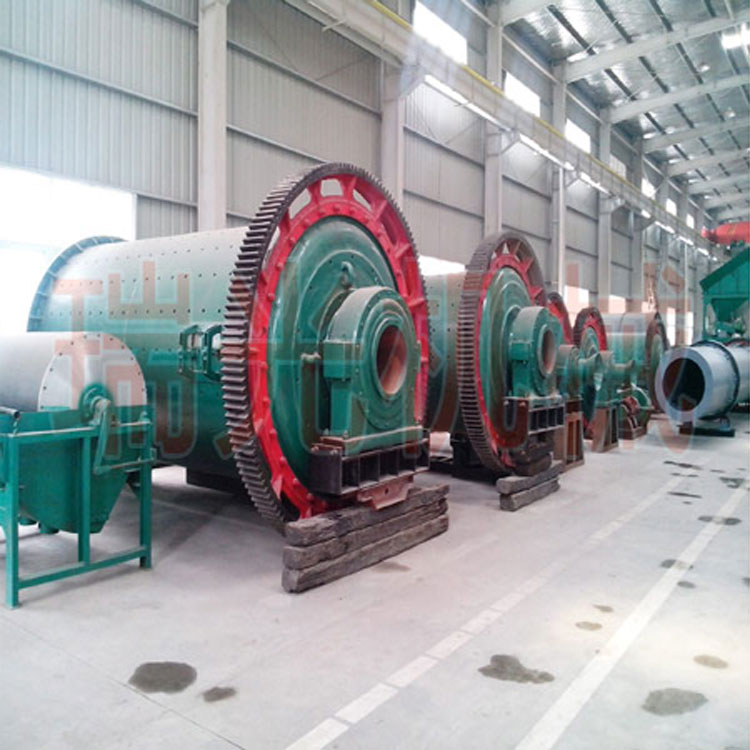 Ball Mill
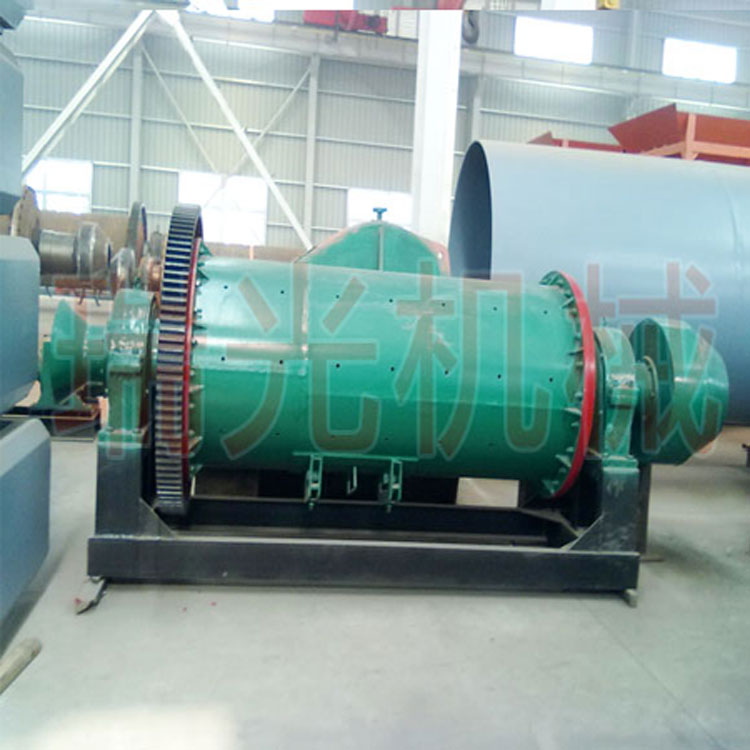 Energy-saving Ball Mill
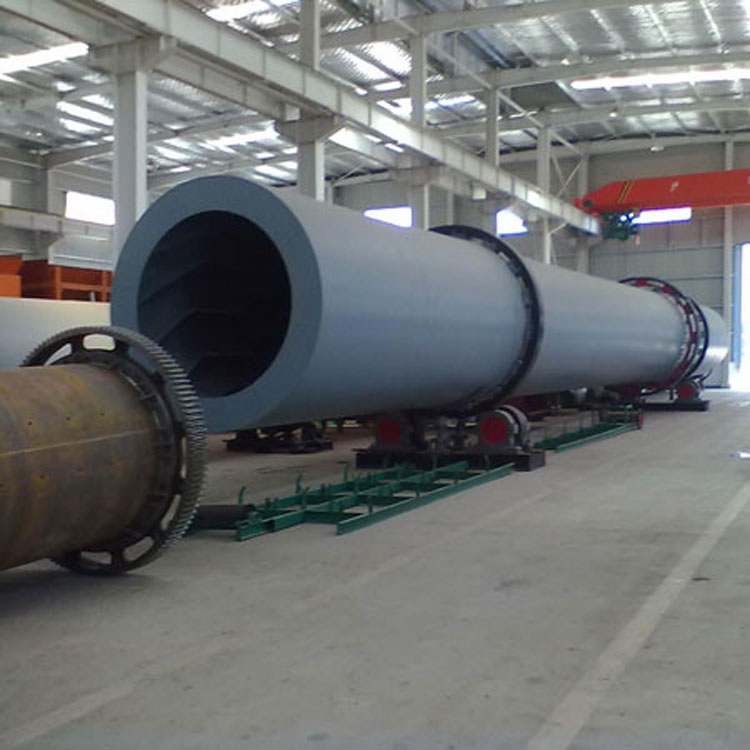 Chicken manure drying machine
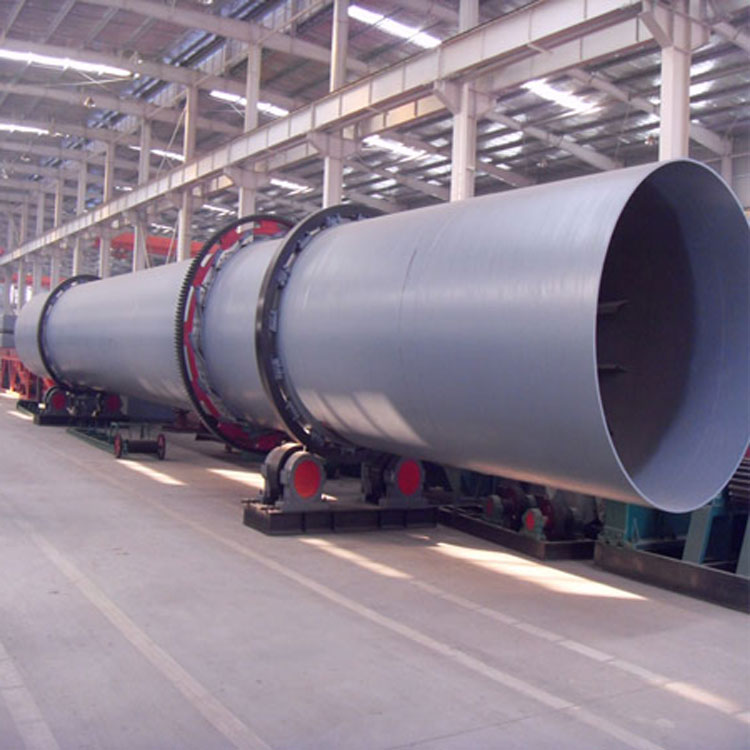 Fly Ash Drying Machine
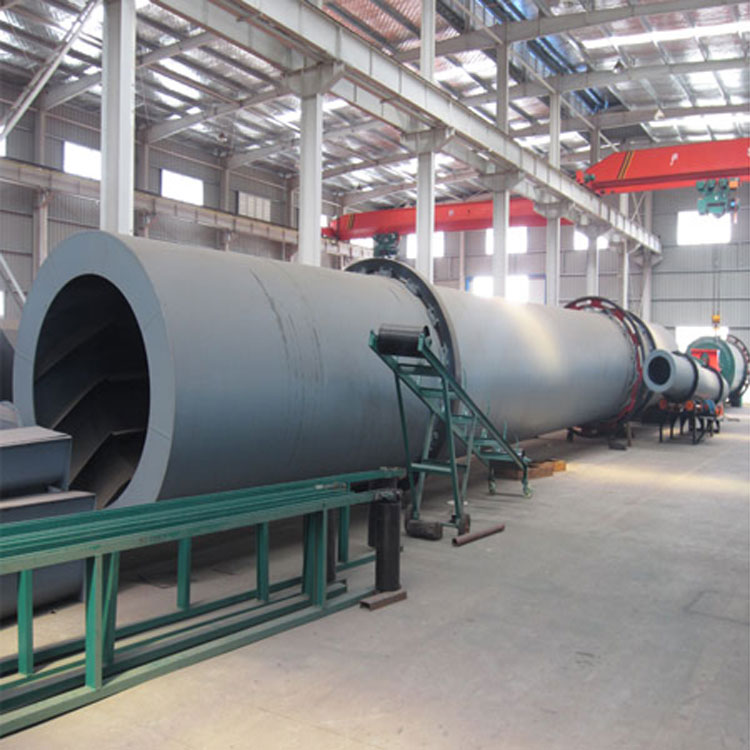 Coal Slime Drying Machine
Product Details




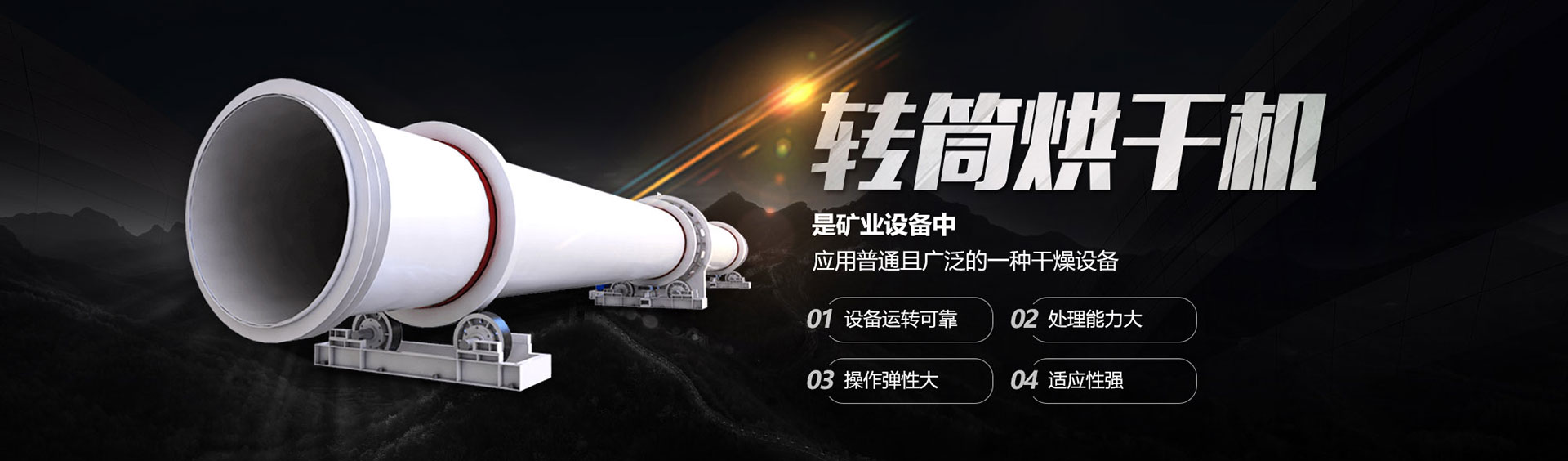


产品Price Negotiable
最小起订Quantity:1 Tai 供货总Quantity: 999 Tai


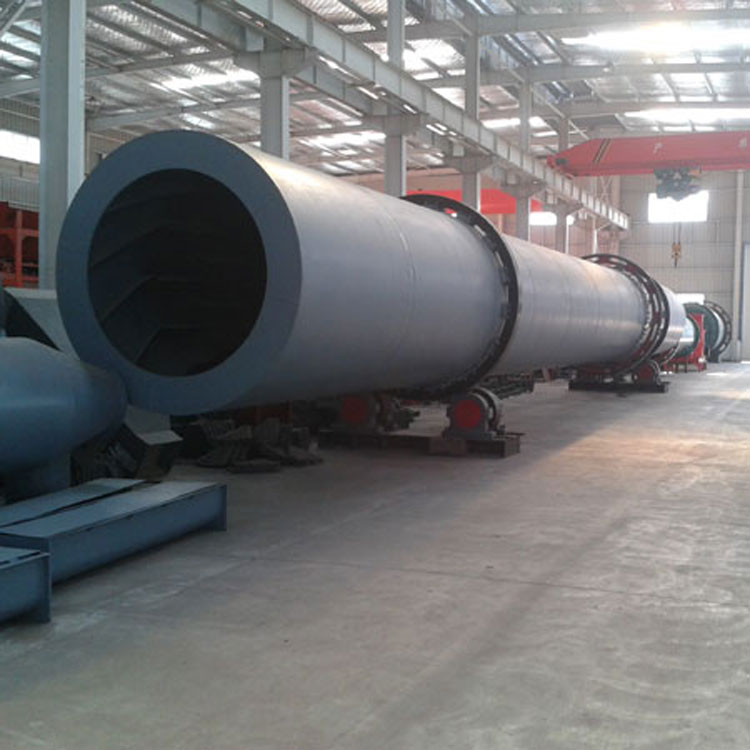
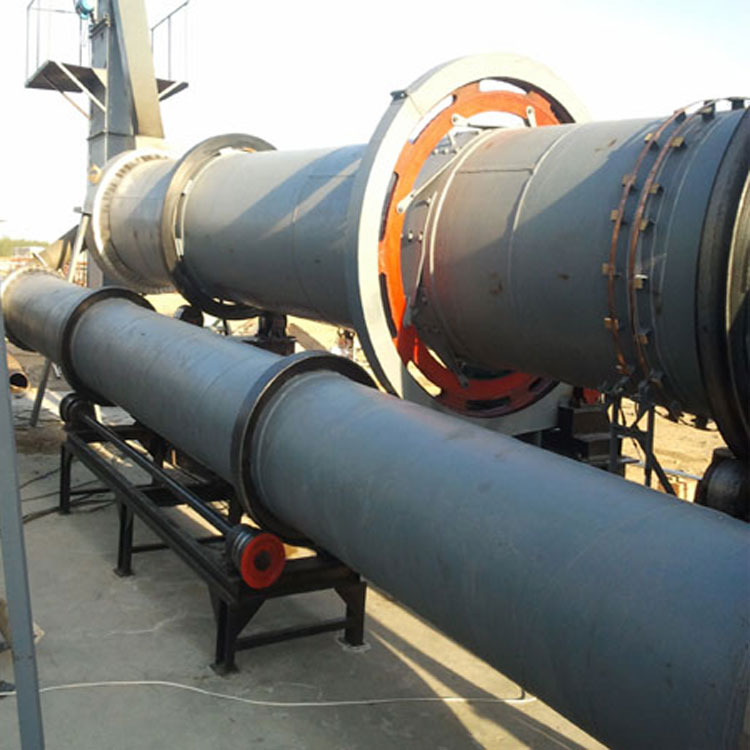
One. Application of the rotary drum dryer Tunnel dryer (rotary dryer), abbreviated as the dryer, is a dryer for processing large quantities of material. Due to its reliable operation, great flexibility in operation, strong adaptability, and high processing capacity, it is widely used in metallurgy, building materials, food, light industry, chemical industry, coal, and mining industries. The rotary drum dryer is generally suitable for granular materials and can also be used to dry sticky paste-like materials or materials with high moisture content by partially mixing them. Its advantages include high production capacity, wide application range, low flow resistance, a large allowable range of operation fluctuations, and ease of operation. It is commonly used for drying sand, mineral powder, coal slime, chicken manure, cow manure, and other materials. Section 2: Structure and Principle of the Drum Drying Machine 1. Structural Diagram: The rotary drum dryer consists of the following components: 1. Drum body; 2. Front roller ring; 3. Rear roller ring; 4. Gear; 5. Stop roller; 6. Drag roller; 7. Small gear; 8. Discharge section; 9. Distributing plate; 10. Reducer; 11. Motor; 12. Hot air duct; 13. Feed chute; 14. Furnace body, etc. Additionally, a gas generator furnace, combustion chamber, or accessories such as hoists, belt conveyors, feeders, cyclone dust collectors, and induced draft fans can be designed according to customer requirements. 2. Operating Principle of the Rotating Drum Drying Machine: Section 3: Technical Parameters of the Drum Rotation Drying Machine Dry Dry No content provided for translation. Same Item Material Alive Product Available Power Available Please provide the Chinese content you would like translated into American English. No content provided for translation. Same IV. Characteristics of Various Drying Equipment: When selecting a rotary drum drying equipment, it is essential to first understand the characteristics of the drum dryer.。 1. The rotary dryer's adaptability to the drying material, such as whether it can achieve the required dryness level of the material and the evenness of the dried product. 2. Does the drum dryer damage the quality of the product? Some products require maintaining their crystalline shape and color, while others must not deform or crack during the drying process. 1) If the treated solid material is not afraid of high temperatures and is not a product, it can be slightly contaminated during the process, and heat from a hot air furnace or flue gas can be used as a heat carrier, resulting in higher volumetric evaporation rate and thermal efficiency. For example, in the drying of imported materials with high moisture content, when the gas inlet temperature is 300 degrees, the dryer's volumetric evaporation rate is 5 kg/M3/h, and the thermal efficiency is 30% to 50%; if the gas inlet temperature is 500 degrees, the volumetric evaporation rate is 35 kg/M3/h, and the thermal efficiency is 50% to 70%. Therefore, for drum dryers processing materials like ore, sand, gravel, coal, and calcium superphosphate, the drums are equipped with combustion furnaces that directly produce flue gas. The gas fuel can be coal, oil, natural gas, liquefied gas, and more. 2) If the processed material cannot be contaminated and requires high temperatures, our company's new gas producer can be used as a heat carrier. If local requirements are stringent and hygiene is a priority, choosing a gas producer will be an optimal solution. Gas producers are at least 20% more efficient than combustion furnaces in terms of cost and labor. Generally, one worker can operate a gas producer, and there is no need for continuous coal addition. Additionally, gas producers can be turned on and off as needed, allowing for up to 10 days of inactivity and still be ready for continued use.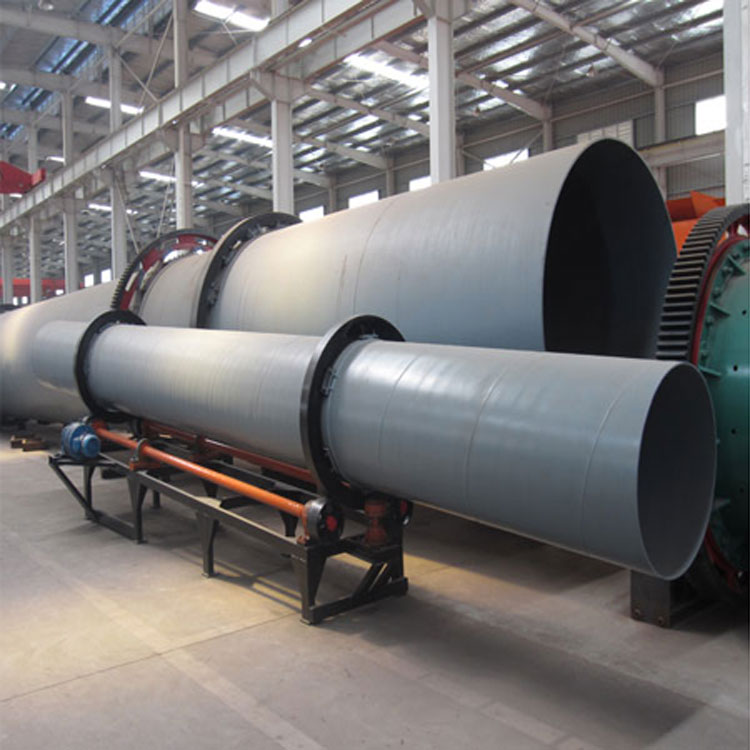
Dry wet material is conveyed to the hopper by a belt conveyor or a bucket elevator, then it enters the feeding end through the feeding pipe of the hopper feeder. The slope of the feeding pipe must be greater than the natural angle of repose of the material to ensure smooth flow into the dryer. The drum dryer drum is a rotating drum slightly inclined from the horizontal line. Material is added from the higher end, while the heat carrier enters from the lower end, contacting the material in a countercurrent manner; there is also a situation where both the heat carrier and the material enter the drum concurrently. As the drum rotates, the material moves under gravity to the lower end. During the forward movement of the wet material within the drum, it is directly or indirectly heated by the heat carrier, allowing for drying. Then, it is discharged at the outlet end via a belt conveyor or a screw conveyor. Scrapers are mounted on the inner wall of the drum, which function to lift and scatter the material, increasing the contact surface with the airflow to enhance drying speed and promote material movement. Heat carriers are generally classified as hot air, flue gas, etc. After passing through the rotary drum dryer, it is typically necessary to use a cyclone separator to collect the material carried by the gas. To further reduce the dust content in the exhaust gas, it should be passed through a bag filter or a wet scrubber before being released.Model (mm) Tilt Percentage (%) RPM (revolutions per minute) Inlet temperature (°C) Power (kW) Production Capacity (t/h) Note MGT600 Model 3-5 3-8 ≤850 3 MGT800 Model 3-5 3-8 ≤850 4 MGT1000 Model 3-5 3-8 ≤850 5.5 MGT1200 model 3-5 3-8 ≤850 11 MGT1500 model 3-5 3-8 ≤850 15 MGT1800 Model 3-5 3-8 ≤850 18.5 MGT2000 Model 3-5 3-8 ≤850 22 MGT2200 model 3-5 3-8 ≤850 30 MGT2400 Model 3-5 3-5 ≤850 37 MGT2600 Model 3-5 3-5 ≤850 40 MGT2800 Model 3-5 3-5 ≤850 55 MGT3000 model 3-5 3-5 ≤850 75 MGT3200 Model 3-5 3-5 ≤850 90 MGT3400 model 3-5 3-5 ≤850 110 MGT3600 Model 3-5 3-5 ≤850 150
V. Selection of Heat Carriers: The choice of heat carriers and their high temperatures depend on the properties of the solid material being processed and factors such as whether it allows contamination.
3) There is also indirect heating, where heat is transferred from the metal wall to the material being dried, such as in externally heated drum dryers.
4) If the dried substance is not to be contaminated and must not be diluted by air, heat should be introduced through the drum wall. In this case, the drum is loaded in the brick chamber, with flue gas passing outside. Alternatively, a central pipeline or a series of pipes, and surface heat exchangers such as jacketed tubes can be installed inside the drum. Heat transfer is achieved through the metal wall. The heat carrier can be flue gas, steam, or electrically heated. In the drying process, only clean gas is used to carry away the evaporated moisture from the dried material.
In summary, the selection of heat-conducting materials should be based on material requirements and local natural advantages; otherwise, it may affect production efficiency and economic benefits.

Phone Consultation