
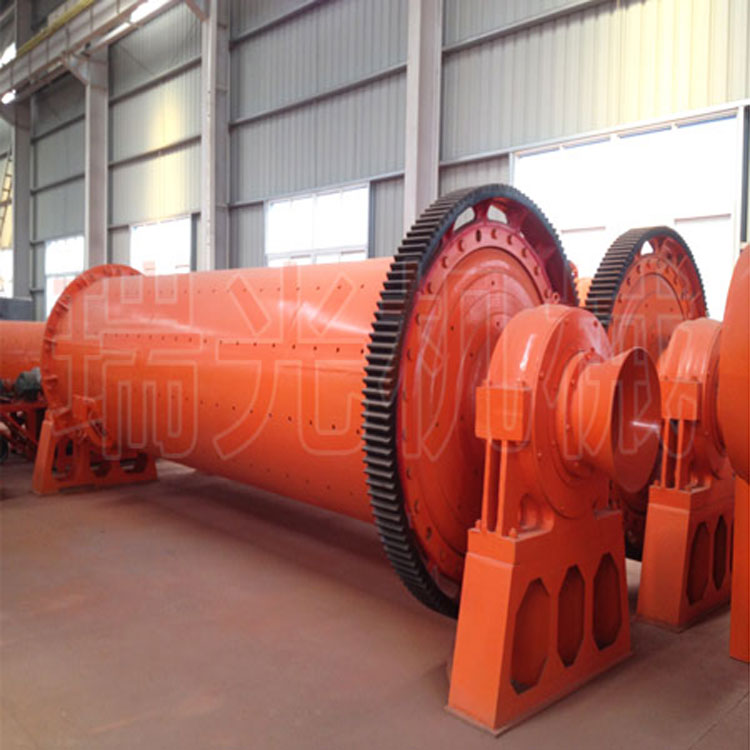
 Mining Ball Mill
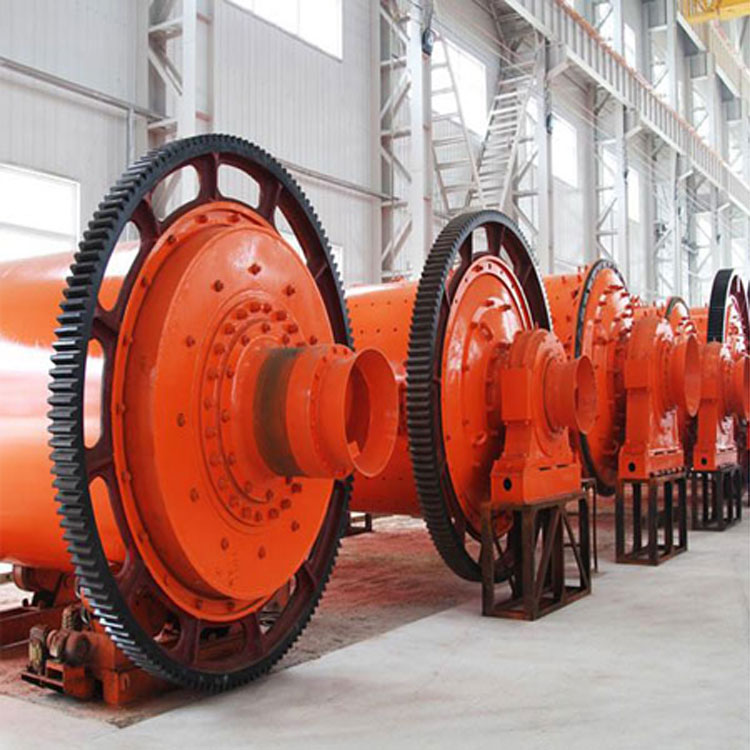 Ball mill
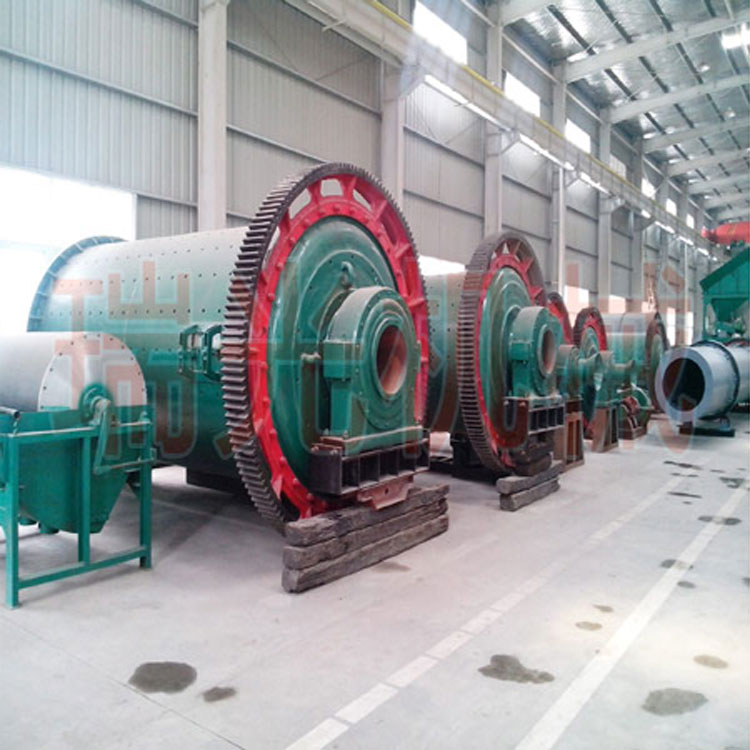 Ball Mill
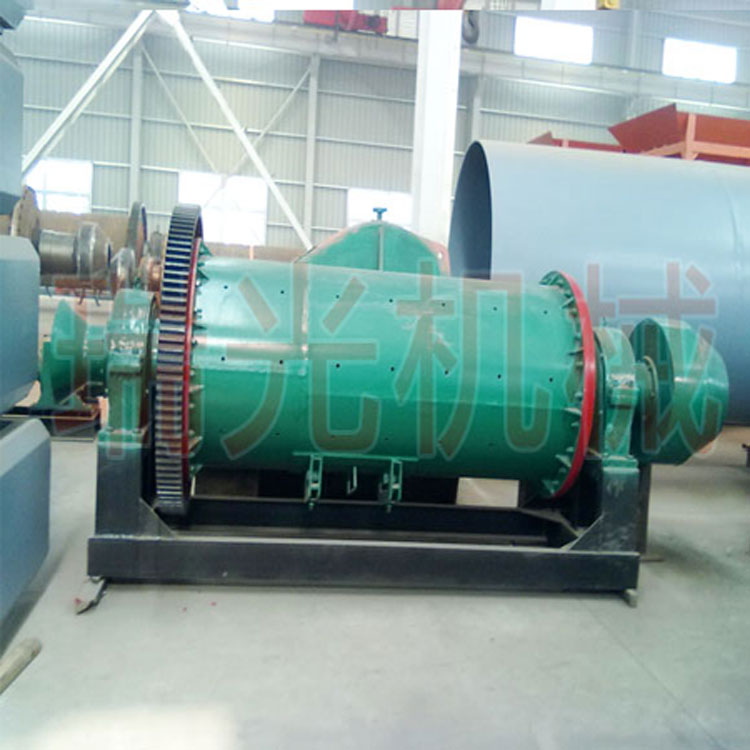 Energy-saving Ball Mill
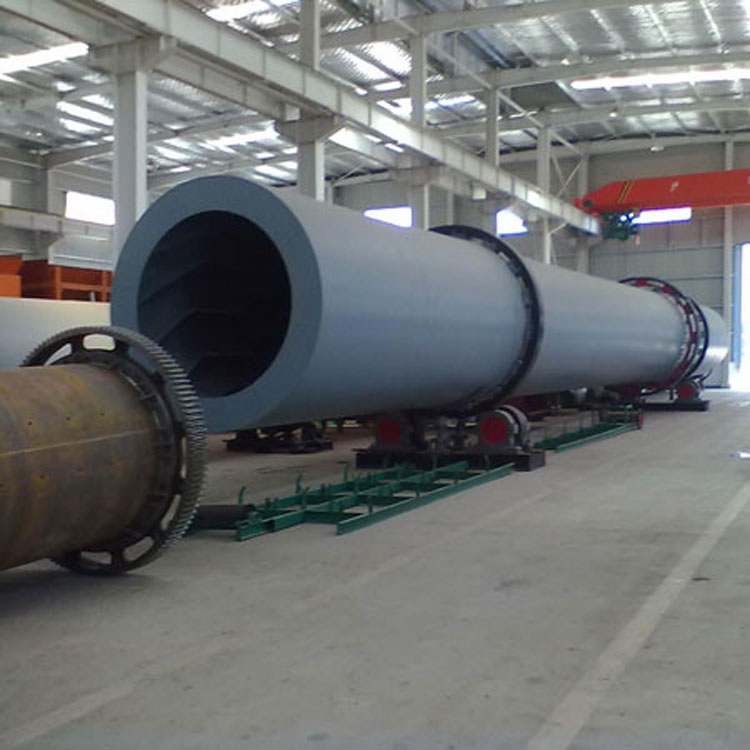 Chicken manure drying machine
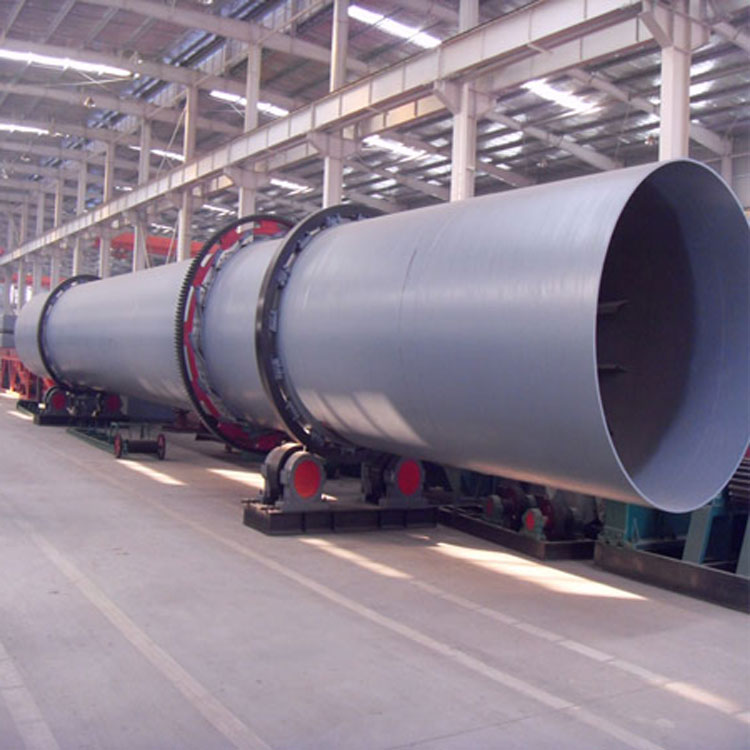 Fly Ash Drying Machine
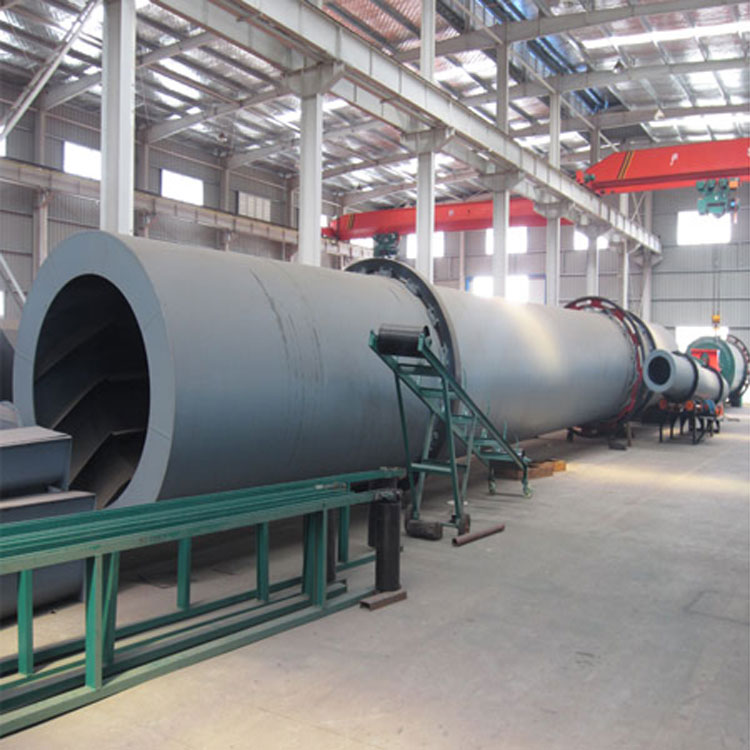 Coal Slime Drying Machine
Product Details




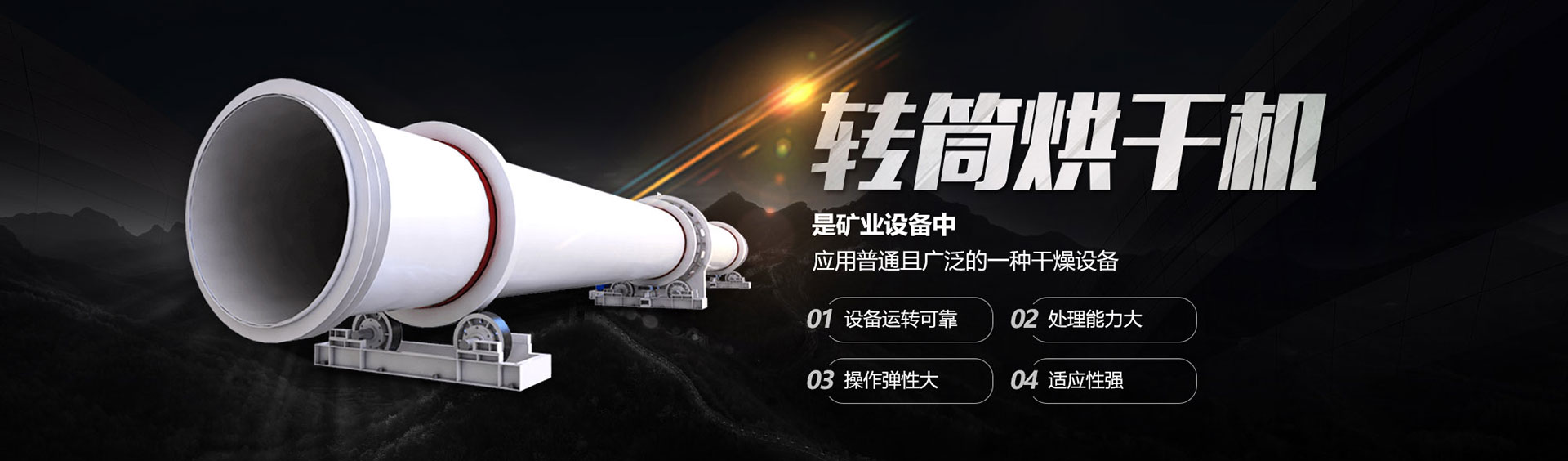


产品Price Negotiable
最小起订Quantity:1 Tai 供货总Quantity: 999 Tai


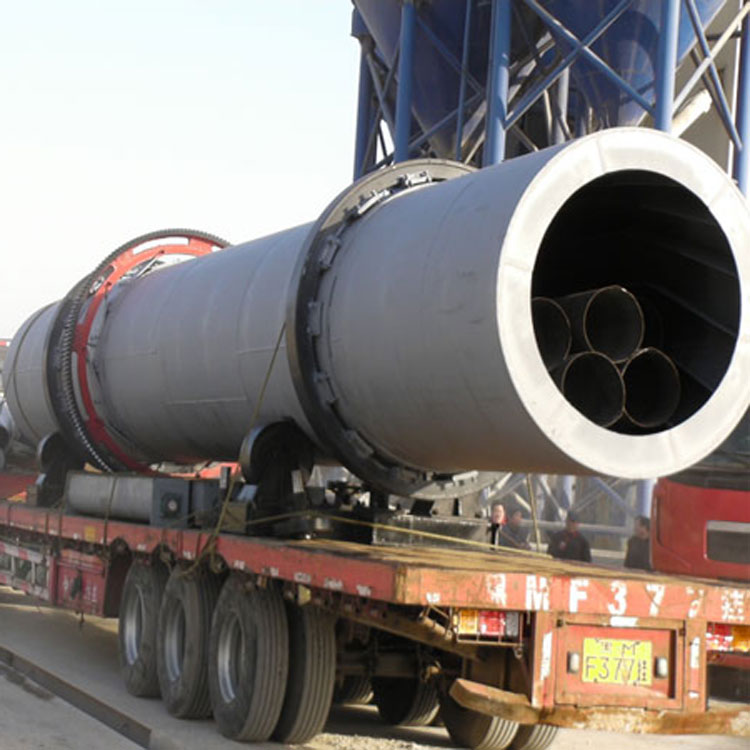
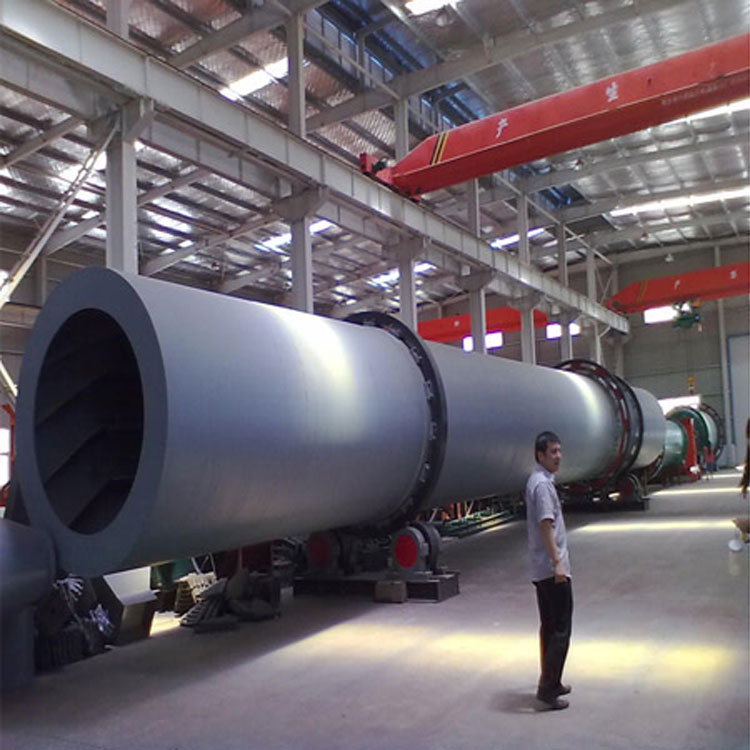
Introduction to Mining Drying Machine Wet materials are conveyed to the hopper via a belt conveyor or a bucket elevator, and then they enter the charging end through the hopper's feeding machine via a charging pipeline. The slope of the charging pipeline must be greater than the natural angle of repose of the material to ensure smooth flow into the dryer. The dryer is a rotating cylindrical drum slightly inclined from the horizontal line. Materials are added to the higher end, and the heat carrier flows in parallel with the materials into the drum. As the drum rotates, the materials are gravity-fed to the lower end. During their forward movement within the drum, the wet materials receive direct or indirect heating from the heat carrier, enabling them to dry. They are then discharged at the outlet end via a belt conveyor or a spiral conveyor. Scrapers are mounted on the inner wall of the drum, which function to lift and scatter the materials, increasing the contact surface with the airflow to enhance the drying rate and promote material movement. The heat carriers are typically hot air, flue gas, and so on. After passing through the dryer, the gas usually requires a cyclone separator to collect the material carried within it. To further reduce the dust content of the exhaust gas, it should pass through a baghouse or a wet scrubber before being released. Features of Mining Drying Machines 1. High overload capacity, strong processing power, low fuel consumption, and low drying costs. 2. Utilizing a concurrent drying method, the flue gas and wet material enter the dryer from the same side, enabling a high evaporation intensity with the help of high-temperature flue gas, and the exit temperature of the dryer is low. 3. Utilizing a disassembling device, feeding device, discharge device, and cyclone dust removal device, we have effectively eliminated issues such as feed blockage, discontinuity, uneven feeding, and backflow in the dryer, thereby reducing the load on the dust removal system. 4. The dryer employs a "centering-type support wheel device," ensuring linear contact between the support wheel and the roller ring, thereby significantly reducing wear and power loss. 5. Features an open gear drive mechanism, offering a well-structured design, easy operation, long service life, and convenient maintenance. During the drying production process, the most common operation is in a downstream manner, characterized by: 1. At the heat end of the drying machine, there's a significant temperature difference between the material and the hot gases, resulting in a rapid heat exchange process and easy evaporation of a large amount of moisture, making it suitable for materials with a high initial moisture content. 2. After sticky materials enter the drying machine, due to the easy evaporation of surface moisture, adhesion can be reduced, which is beneficial for material movement. When used to dry wet coal, it can prevent the dry coal from igniting by direct contact with high-temperature gases. 3. Low hot-end vacuum in downstream operation reduces the amount of air leakage into the drying process, which is beneficial for stabilizing the temperature and flow rate of the hot gases inside the dryer. 4. Feeding and coal supply are located at the hot end of the dryer, making the workshop layout more convenient. 5. The dryer discharge temperature for downstream operations is low, typically suitable for conveyance by a belt conveyor. Mining dryer technical specifications Specification (m) (Diameter × Length) Tubular volume (m³) Production Capacity (t/h) Installation Angle (%) Higher intake air temperature (℃) Main Motor (kw) Total Weight (t) Indirect Heat Transfer Drying Machine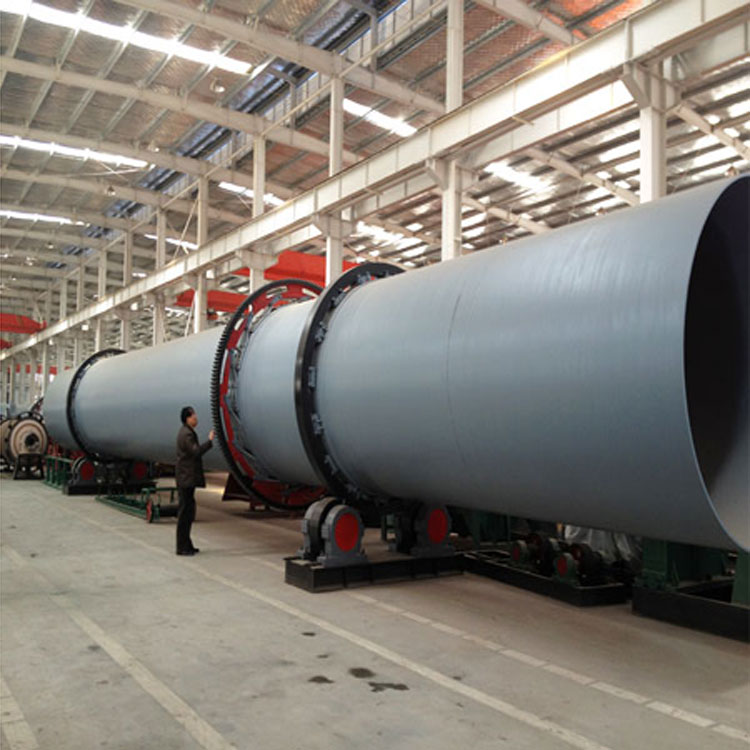
Φ1.2×8.0 9.0 1.9-2.4 3-5 700-800 7.5 9 Φ1.2×10 11.3 2.4-3.0 3-5 700-800 7.5 11 Φ1.5×12 21.2 4.5-5.7 3-5 700-800 15 18.5 Φ1.5×14 24.7 5.3-6.6 3-5 700-800 15 19.7 Φ1.5×15 26.5 5.7-7.1 3-5 700-800 15 20.5 Φ1.8×12 30.5 6.5-8.1 3-5 700-800 18.5 21.5 Φ1.8×14 35.6 7.6-9.5 3-5 700-800 18.5 23 Φ2.2×12 45.6 9.7-12.2 3-5 700-800 22 33.5 Φ2.2×14 53.2 11.4-14.2 3-5 700-800 22 36 Φ2.2×16 60.8 13.0-16.2 3-5 700-800 22 38 Φ2.4×14 63.3 13.5-16.9 3-5 700-800 37 45 Φ2.4×18 81.4 17.4-21.7 3-5 700-800 37 49 Φ2.4×20 90.4 19.3-24.1 3-5 700-800 45 54 Φ2.4×22 99.5 21.2-26.5 3-5 700-800 45 58 Φ2.6×24 127.4 27.2-34.0 3-5 700-800 55 73 Φ3.0×20 141.3 30.1-37.7 3-5 700-800 75 85 Φ3.0×25 176.6 37.7-47.1 3-5 700-800 75 95 Φ3.2×25 201 42.9-53.6 3-5 700-800 90 110 Φ3.6×28 285 60.8-76.0 3-5 700-800 160 135 Bore Diameter × Bore Length - Item Outer Diameter of Cylinder (mm) Inner Tube Diameter (mm) Tubular Length (m) Tubular Volume (m³) Body Slope Feed Plate Type Higher Intake Air Temperature (°C) Dimensions (m) Φ1.5×15m 1500 500 15 20.27 3-5% Lifting mechanism 850 16.2×2.7×2.7 Φ1.5×17m 17 22.97 18.2×2.7×2.7 Φ1.5×19m 19 25.68 20.0×2.9×2.9 Φ1.8×21m 1800 650 21 35.91 3-5% Lifting mechanism 850 22.5×2.7×2.7 Φ1.8×23m 23 39.33 24.5×2.9×2.9 Φ1.8×25m 25 42.75 26.5×2.9×2.9 Φ2.2×21m 2200 800 21 58.10 3-5% Lifting mechanism 850 ---- Φ2.2×23m 23 63.61 Φ2.2×25m 25 69.15

Phone Consultation