
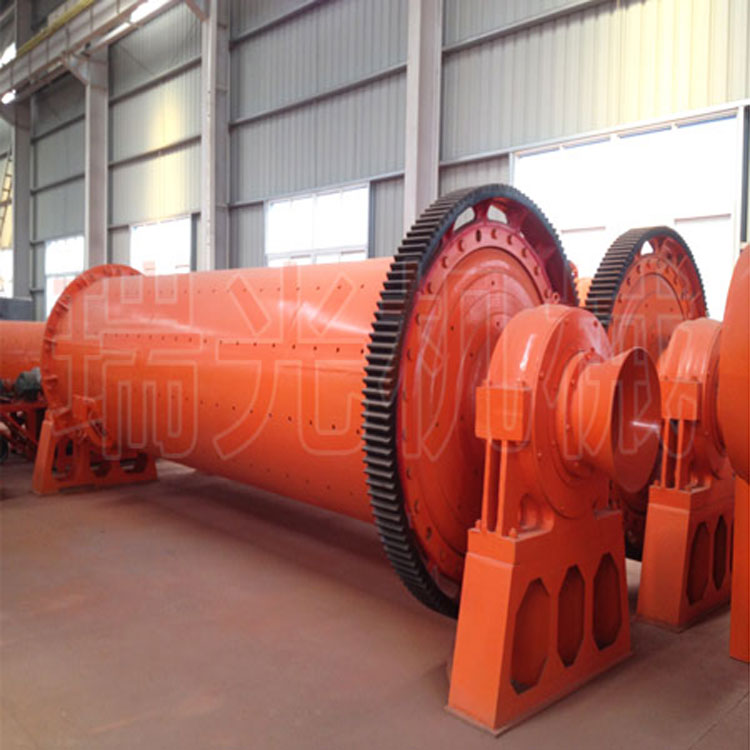
 Mining Ball Mill
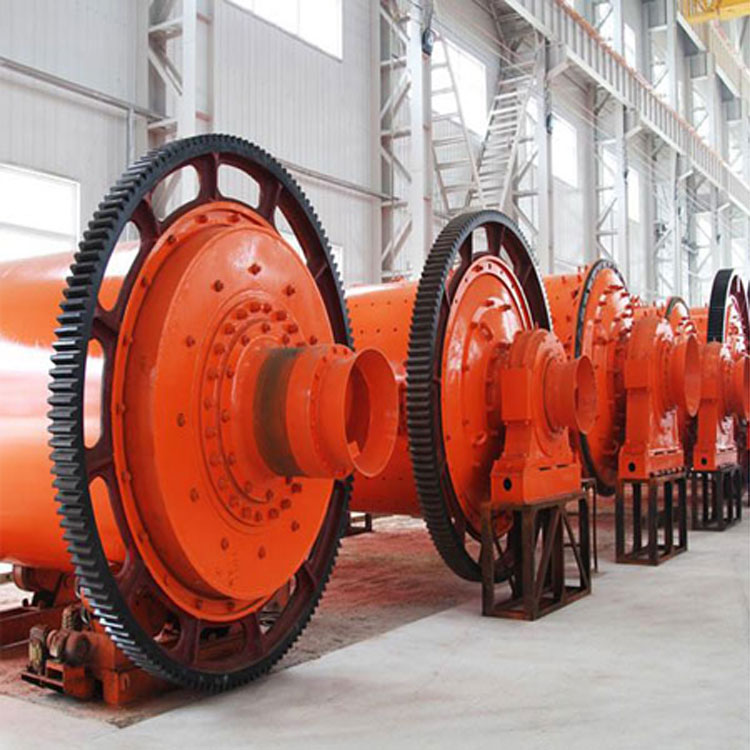 Ball mill
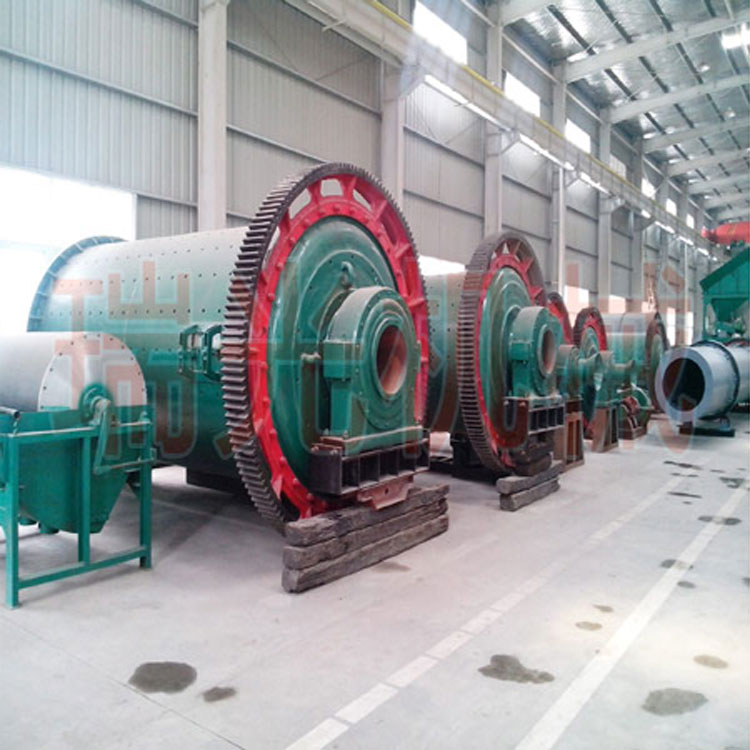 Ball Mill
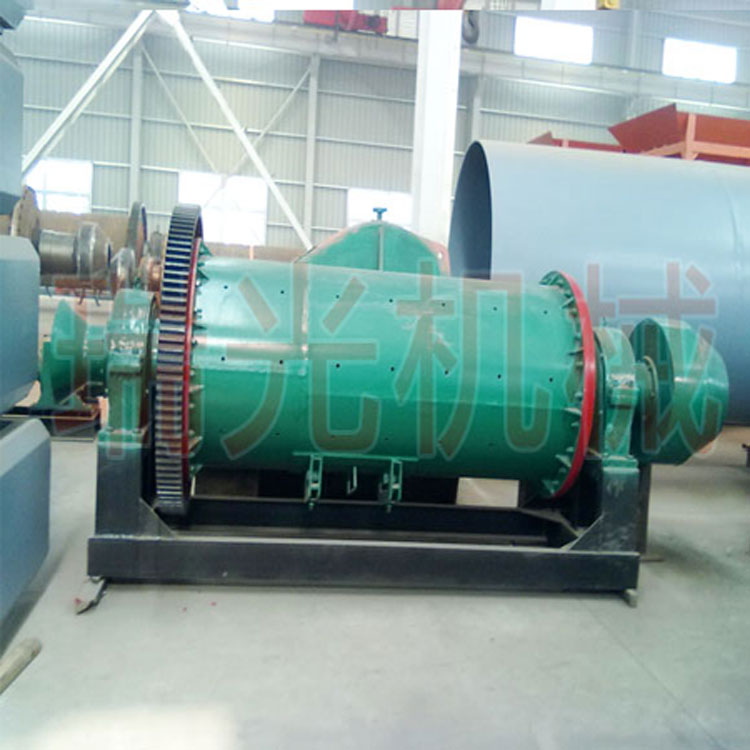 Energy-saving Ball Mill
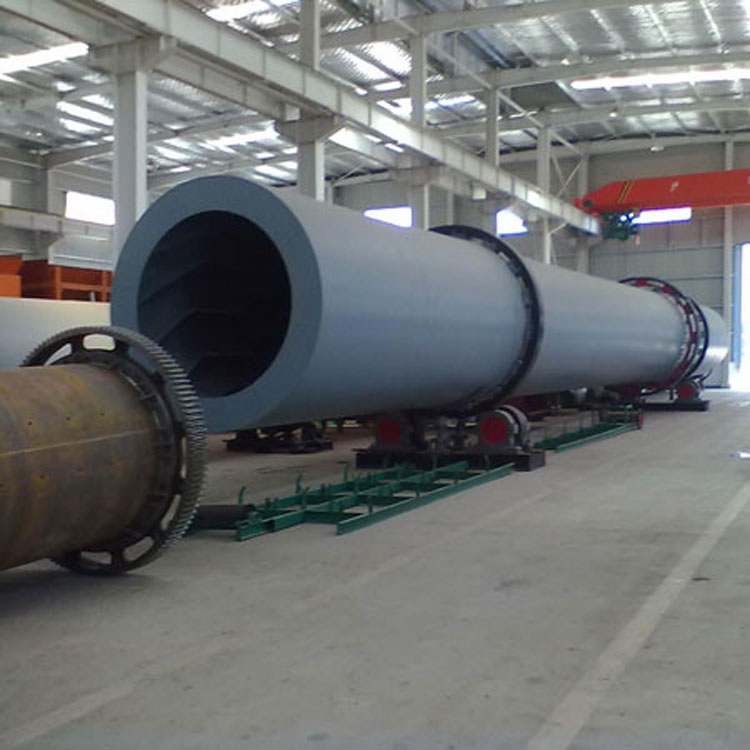 Chicken manure drying machine
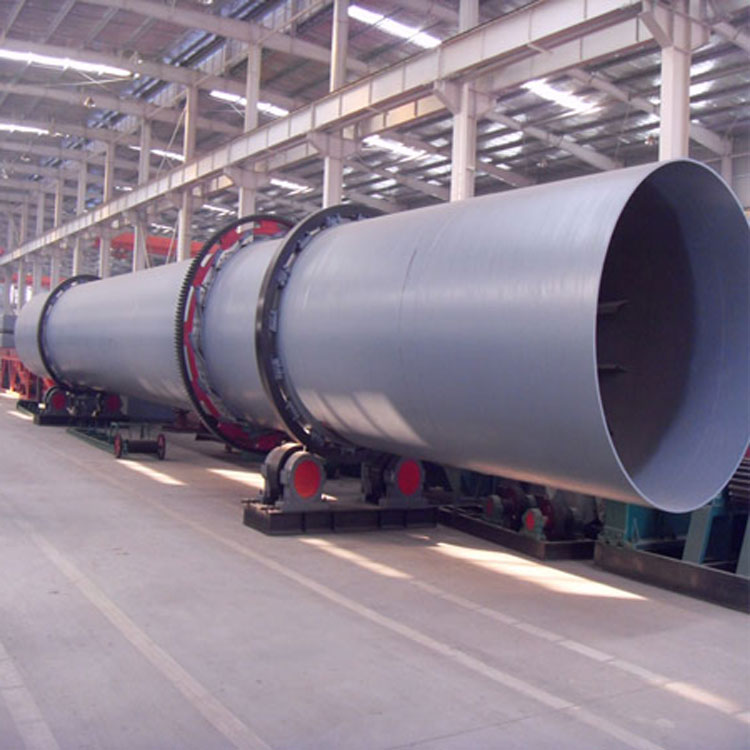 Fly Ash Drying Machine
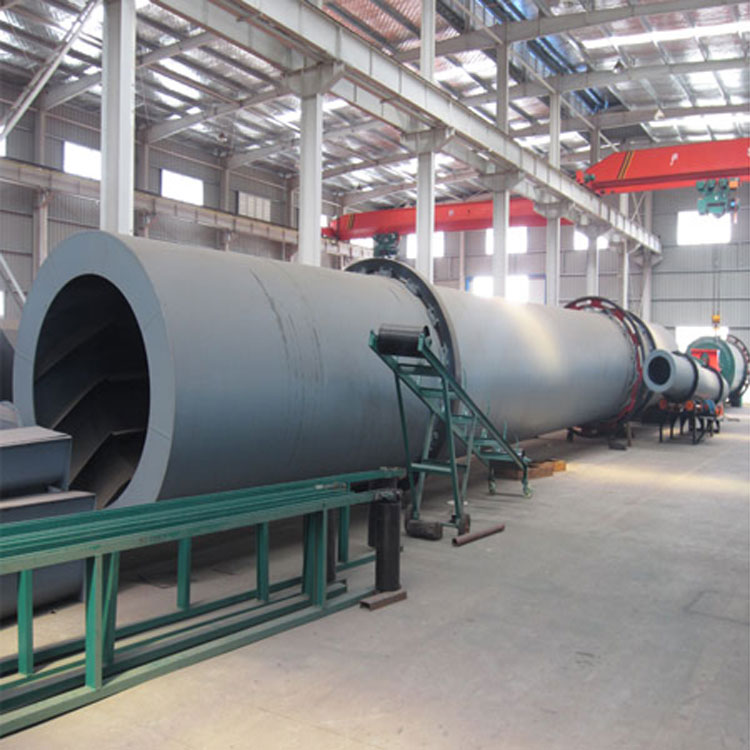 Coal Slime Drying Machine
Product Details





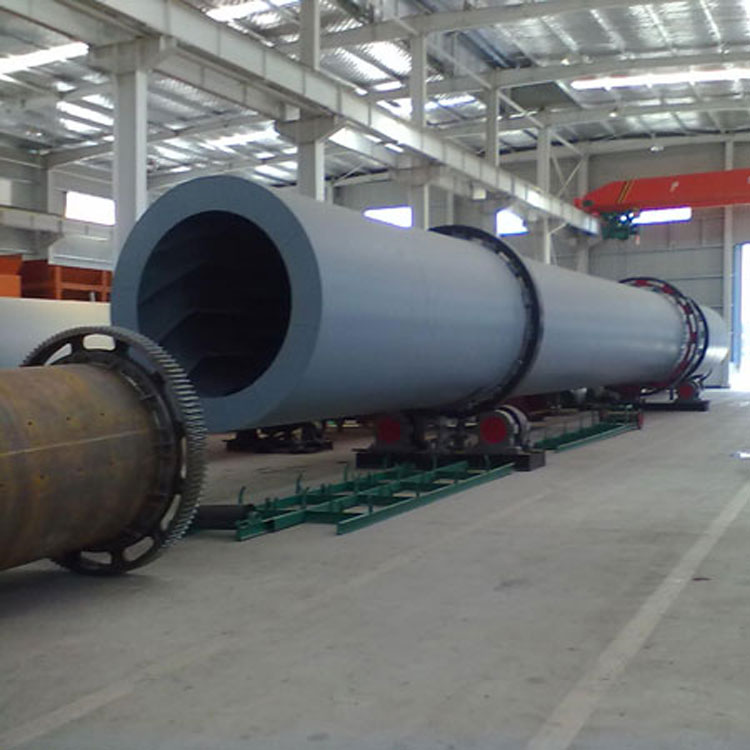


产品Price Negotiable
最小起订Quantity:1 Tai 供货总Quantity: 999 Tai


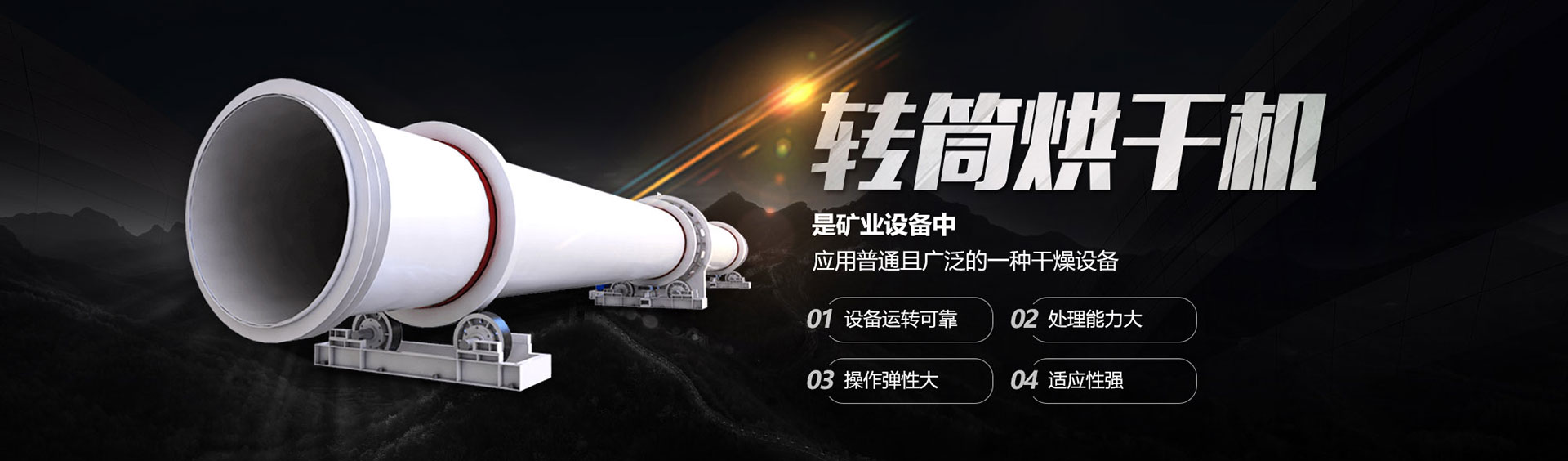
River sand dryer application: River sand dryer or yellow sand dryer is a dryer for processing large quantities of material. Due to its reliable operation, high operational flexibility, strong adaptability, and large processing capacity, it is widely used in the construction materials, metallurgy, food, chemical, coal, and mining industries. River sand dryer or yellow sand dryer belongs to the drum dryer category. Generally, it is suitable for granular materials and can also be used to dry sticky paste-like materials or materials with high moisture content by partially blending them. Especially for drying sand, the river sand dryer offers excellent drying results. The advantages of river sand or yellow sand dryers include large production capacity, wide applicability, low flow resistance, a wide range of operational fluctuations allowed, and ease of operation. River sand drying equipment composition: 1. Cylinder; 2. Front Roller Ring; 3. Rear Roller Ring; 4. Gear; 5. Stop Roller; 6. Drag Roller; 7. Small Gear; 8. Discharge Section; 9. Hoister Plate; 10. Reducer; 11. Motor; 12. Hot Air Duct; 13. Feed Chute; 14. Furnace Body, etc. Additionally, gas producers, combustion chambers, or matching equipment such as hoists, belt conveyors, feeders, cyclone dust collectors, and induced draft fans can be designed according to customer requirements. River sand drying machine working principle: Riversand is transported to the hopper by a belt conveyor or a bucket elevator, then fed into the charging end through a charging pipeline by the hopper's charging mechanism. The slope of the charging pipeline must be greater than the natural angle of repose of the material to ensure smooth flow into the river sand dryer (yellow sand dryer). The dryer drum is a rotating cylinder slightly inclined from the horizontal. Material is added at the higher end, with heat carriers entering from the lower end in counterflow, or sometimes flowing together with the material into the drum. As the cylinder rotates, gravity causes the material to move to the lower end. Wet material moves forward within the drum, receiving direct or indirect heating from the heat carriers, enabling it to dry. It is then discharged at the outlet end via a belt conveyor or a spiral conveyor. Rake blades are installed on the inner wall of the sand dryer drum to lift and sprinkle the material, increasing the contact surface area with the air flow to enhance drying speed and promote material movement. Heat carriers are typically hot air or flue gas. After passing through the dryer, a cyclone separator is usually employed to collect the material carried by the gas. To further reduce dust content in the exhaust gases, a bag filter or wet scrubber should be used before discharge. River sand drying machine technical specifications: Model (mm) Tilt (%) RPM (revolutions per minute) Inlet Temperature (°C) Power (Kw) Volume (m3) Production Capacity (t/h) Weight (t) Φ600×6000 3-5 3-8 ≤700 3 1.69 0.5-1.5 2.9 Φ800×8000 3-5 3-8 ≤700 4 4.01 0.8-2.0 3.5 Φ800×10000 3-5 3-8 ≤700 4 5.02 0.8-2.5 4.5 Φ1000×10000 3-5 3-8 ≤700 5.5 7.85 1.0-3.5 5.6 Φ1200×10000 3-5 3-8 ≤700 7.5 11.30 1.8-5 14.5 Φ1200×12000 3-5 3-8 ≤700 11 13.56 2-6 14.8 Φ1500×12000 3-5 2-6 ≤800 15 21.19 3.5-9 17.8 Φ1800×12000 3-5 2-6 ≤800 18 30.52 5-12 25 Φ2200×12000 3-5 1.5-6 ≤800 18.5 45.59 6-15 33 Φ2200×18000 3-5 1.5-6 ≤800 22 68.38 10-18 53.8 Φ2200×20000 3-5 1.5-6 ≤800 30 75.98 12-20 56 Φ2400×20000 3-5 1.5-5 ≤800 37 90.43 18-30 60 Φ3000×20000 3-5 1.5-5 ≤800 55 141.3 25-35 78 Φ3000×25000 3-5 1.5-5 ≤800 75 176.6 32-40 104.9

Phone Consultation