

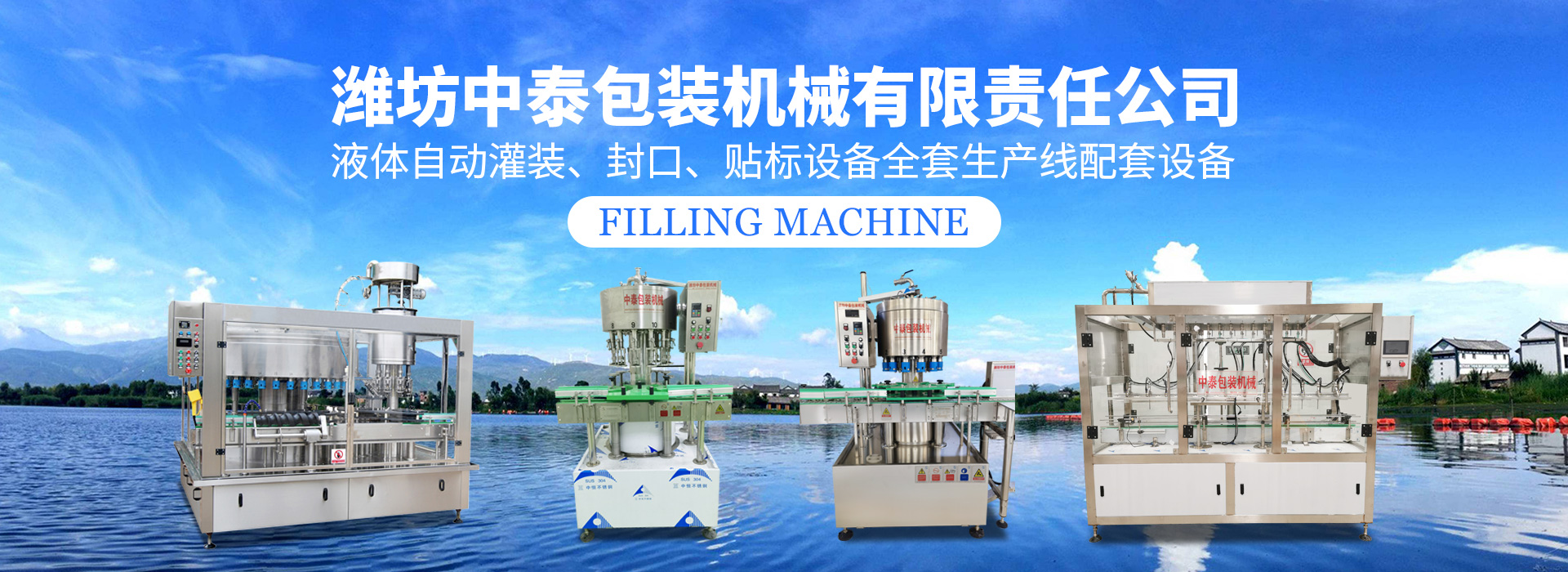


With the proliferation of goods, the diverse range of products has created business opportunities for the packaging industry, enriching our lives with color. However, on the flip side, excessive packaging is becoming an increasing issue, particularly prominent during traditional festivals. From a practical standpoint, it leads to significant waste of resources and is in direct contrast to the concept of low-carbon living. As a manufacturer of packaging equipment, we are striving to adapt to the market and develop customized, non-standard equipment to meet the varied and sometimes uncertain demands of product companies. These non-standard machines often fail to effectively fulfill user needs, causing downtime, impracticality, and even obsolescence, leading to wasted resources. Throughout the process, it is evident that packaging companies design a multitude of unique packaging forms to make products more vibrant. Mechanical producers of non-standard packaging equipment follow suit, investing heavily in R&D to meet the packaging companies' demands. Today, I will provide an overview of the future trends in filling machinery, hoping it will be helpful to you.
Currently, quantitatively packaged goods such as powders, granules, liquids, ointments, and tablets come in various packaging forms, including plastic bottles, glass bottles, and plastic bags. Certain glass bottles have evolved into different bottle shapes, necessitating the development of specialized filling machinery to accommodate these. The equipment can adapt to all bottle types, ensuring precise filling, stability, and practicality. If the packaging industry establishes a standard that dictates packaging forms, specifications, and recommends suitable filling equipment for each product, this would undoubtedly lead to a qualitative change in resources and efficiency. Therefore, the future direction of filling machinery development will be determined by the standardization of the packaging industry.
