

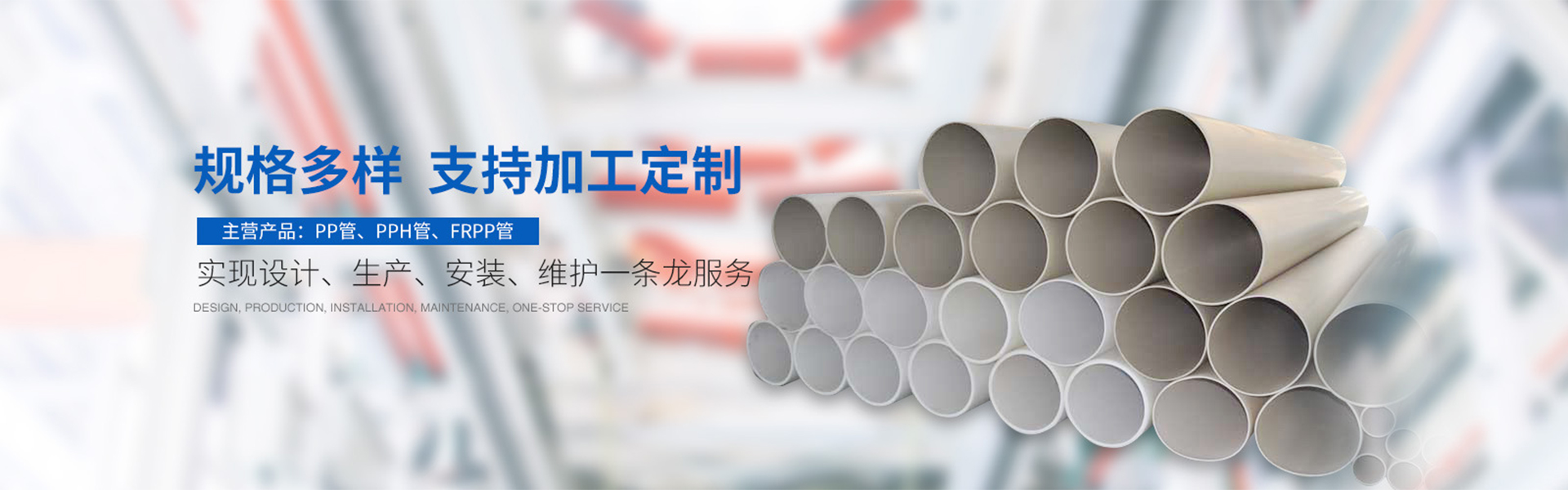
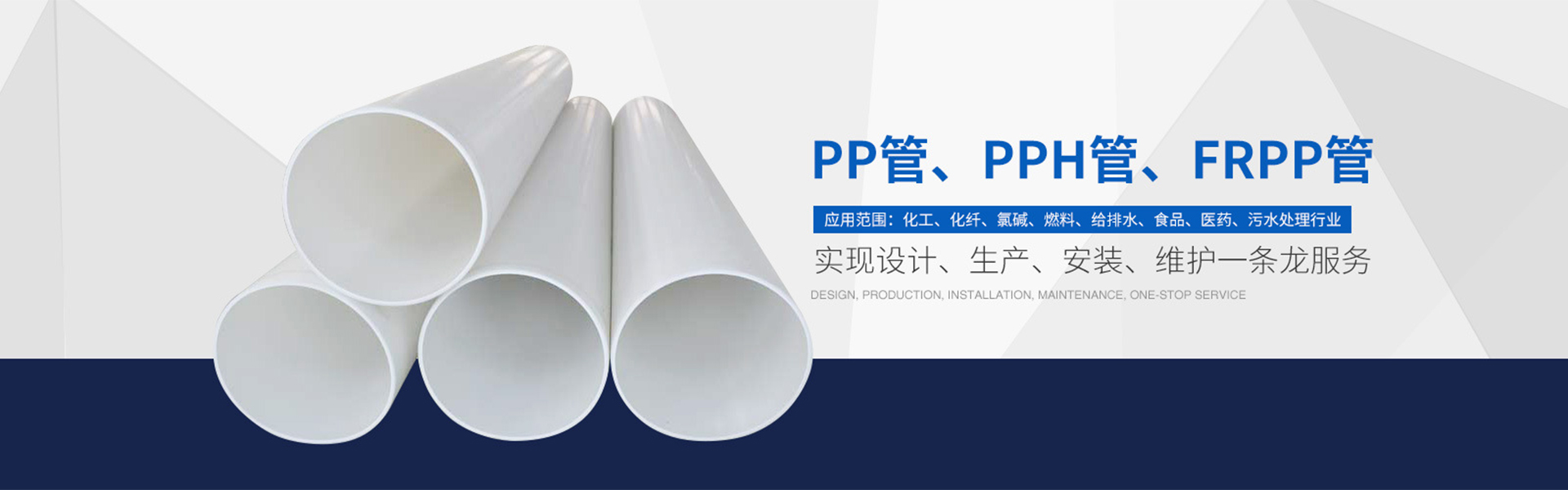
PPH piping is an extension product of FRPP piping, primarily characterized by its β-crystalline molecular structure, which makes it more resistant to high temperatures and corrosion than FRPP. However, it is significantly more expensive. It is mainly used in steel mill pickling processes. Operators should clean the surface of the welding sleeve after the final weld to prevent impurities in the welded area. For pipes with an outer diameter of 40mm or more, which are too large for manual handling, mechanical equipment must be used to ensure the depth and straightness of the pipe insertion into the fitting. On many construction sites, five to six workers weld a 110mm diameter joint, necessitating the selection of qualified and suitable welding sleeves. Qualified welding sleeves are designed with careful consideration of the cross-sectional structure and welding depth of the pipe post-welding, as well as non-stick and smooth surface properties.
Firstly, hot melt welding machines are used for hot melt connections, which is a widely adopted method.
Two types are flange connections, but it is still necessary to perform hot melt welding between the flange head and the pipe or accessories before the connection, and the cost will increase due to the added flange cost.
Thirdly, there is a threaded connection, but this method is rarely used. It is primarily employed when connecting PPH pipes with other materials. Threaded connections have poor pressure-bearing capacity and are only suitable for small-diameter pipelines, generally below DN50.
