




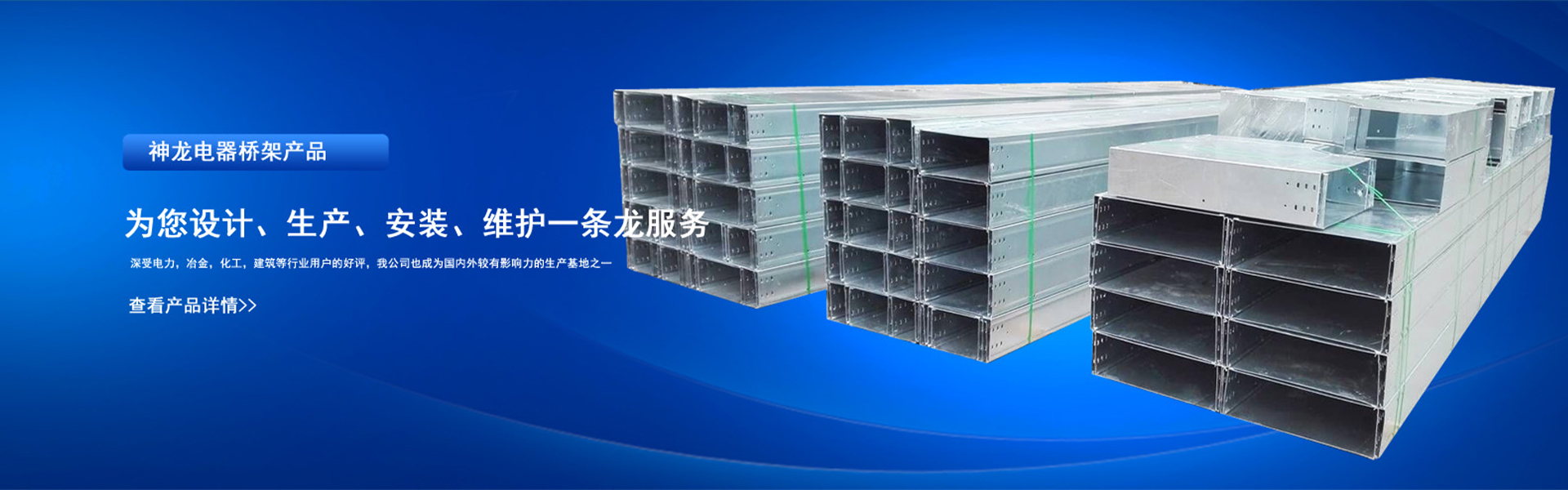
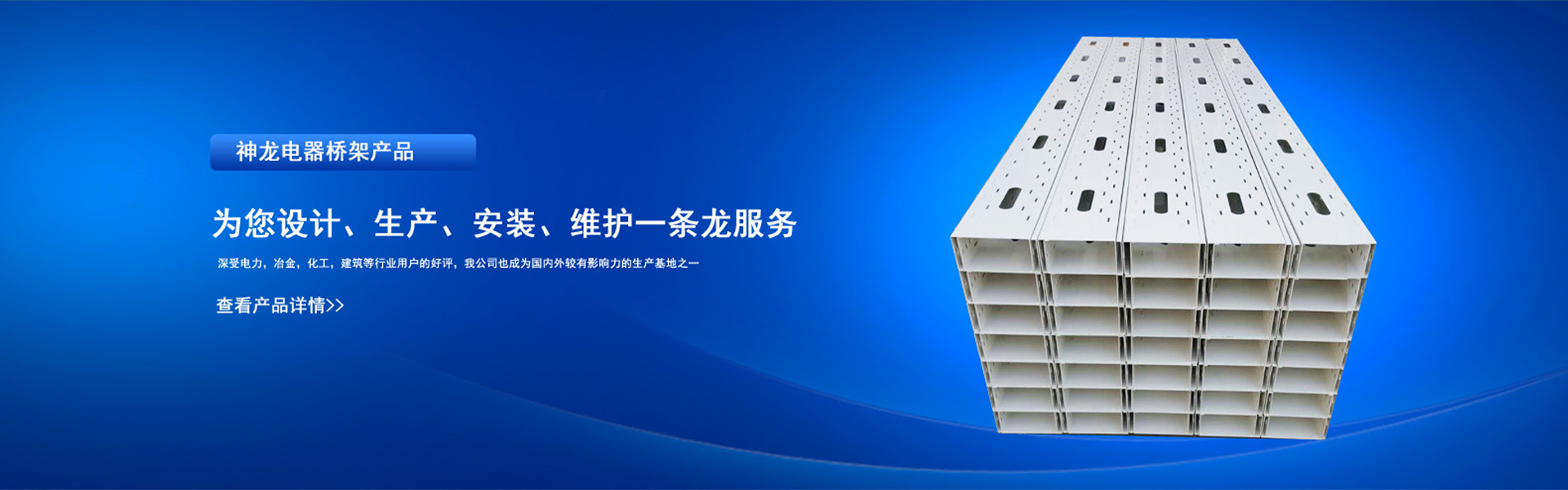
The determination of the hole spacing and aperture dimensions for the anti-corrosion aluminum alloy bridge frame connection plates. When the hole spacing style of the anti-corrosion aluminum alloy bridge frame connection plates overlaps with the side mounting holes of the aluminum alloy bridge frame, it forms a cross pattern. The edge holes of the anti-corrosion aluminum alloy bridge frame are vertical, while the connection plates are horizontal, typically with a 9x20 hole configuration.
Our aluminum alloy corrosion-resistant bridge structures are manufactured using extruded profiles for panel and ladder section processing, enabling the creation of stepped, disc-shaped, and channel-shaped structures to meet various application requirements. Additionally, they can be bent and shaped from aluminum sheets to form channel-shaped raceways and various special bends, catering to cable routing needs. Post-extrusion, the aluminum alloy profiles undergo solidification and artificial aging treatments, enhancing their corrosion resistance and strength, thereby ensuring the load-bearing capacity of the aluminum alloy bridge structures.
However, when in use, such faults can trigger the operation of current relays in the distribution panel, resulting in significant damage to the cable at the fault location, especially when either the entire cable is burnt or a phase is burnt out. These faults cause both current and voltage relays in the distribution panel to activate, leading to short circuits among the cable phases and posing a severe threat to the cable's integrity.
