
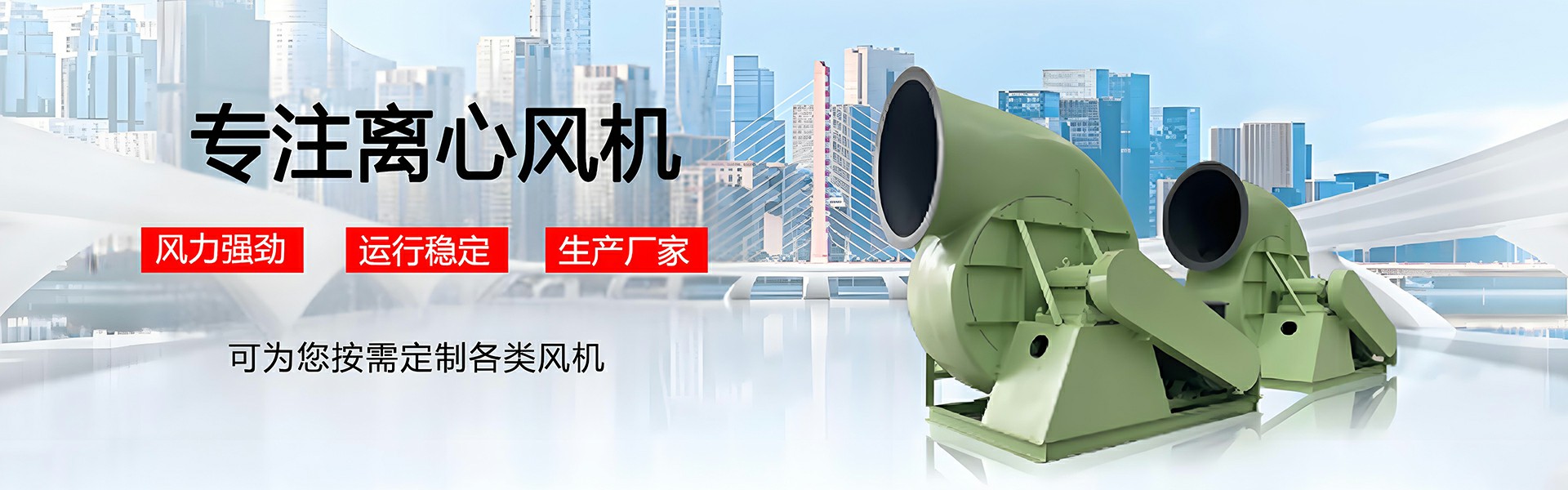
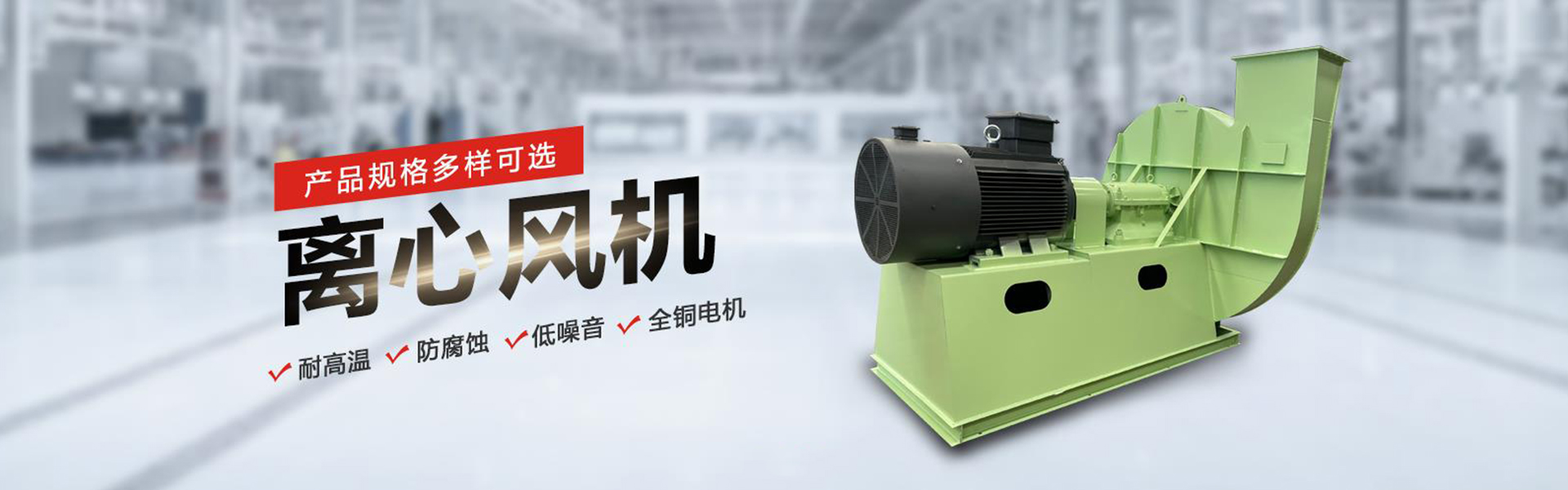

At first glance, centrifugal fans and ionic fans may seem quite similar, leading those unfamiliar with fans to mistakenly believe they are the same type of equipment with slight performance differences. However, this is a significant misconception. Although centrifugal fans and ionic fans only differ by one character, the actual distinctions between them are substantial.
Ionic Blower
The electrostatic eliminator is composed of a high-voltage power supply generator and an electrode. It neutralizes static electricity on the surface of objects by ionizing the air into a large number of positive and negative ions through high-voltage corona discharge.
The DC ion wind machine primarily consists of two sets of electrodes that simultaneously emit positive and negative ions. It emits both positive and negative ions while emitting positive ones, thereby achieving the effect of static electricity elimination.
The Ion Exchange Air Ionizer primarily emits positive and negative ions through a set of electrodes, first emitting positive ions followed by negative ions, or vice versa, all accomplished by the same set of electrodes with a time difference.
Centrifugal Fan
For split air conditioning systems, the indoor unit primarily consists of a heat exchanger and a fan. The fan is designed to accelerate the heat exchange process, typically drawing air in from the sides and expelling it from the bottom. As the air drawn into the exchanger absorbs some heat, the air expelled is cooled. The heat absorbed by the exchanger is transferred to the outdoor unit via Freon, where it is compressed, releasing heat, which is then expelled into the atmosphere by an exhaust fan.
Primarily utilizing the principle that heat is released during gas compression and absorbed during decompression. The system employs a refrigerant to cycle between pressurization and depressurization, drawing heat from indoors to outdoors.
Centrifugal fans are mechanical devices that increase gas pressure and expel gases by relying on input mechanical energy, making them a type of driven fluid machinery. They are widely used for ventilation, dust removal, and cooling in factories, mines, tunnels, cooling towers, vehicles, ships, and buildings; for ventilation and exhaust in boilers and industrial furnaces; for cooling and ventilation in air conditioning equipment and household appliances; for drying and selection of grains; and for inflation and propulsion of wind tunnels and air cushion ships.
