



 通过中商114认证

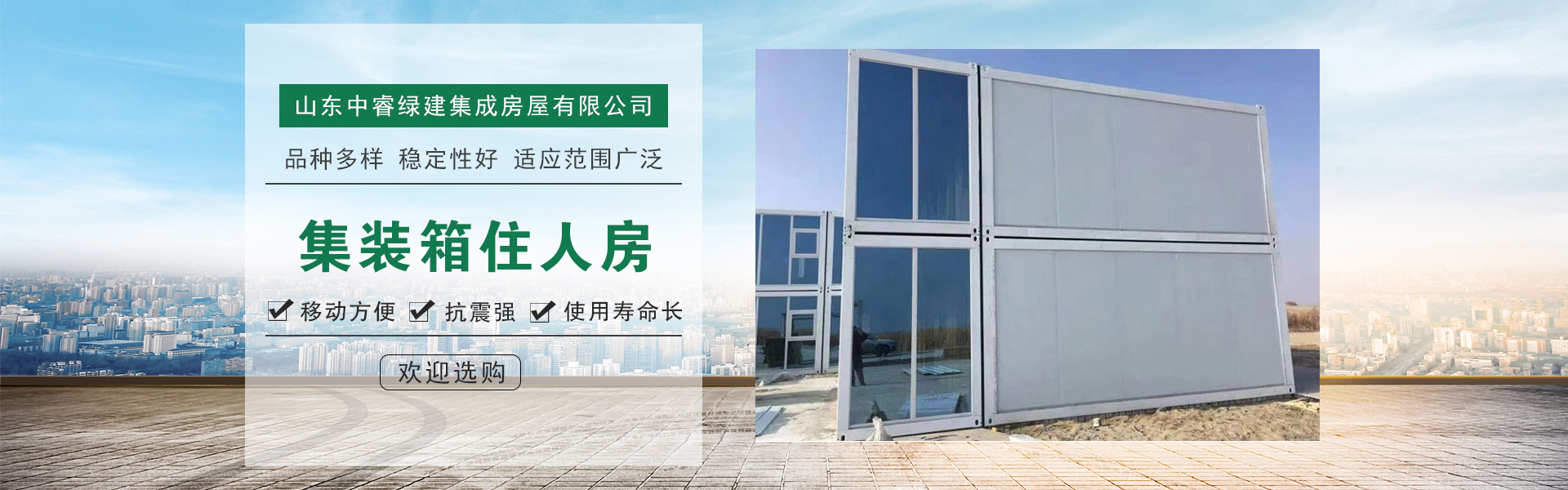
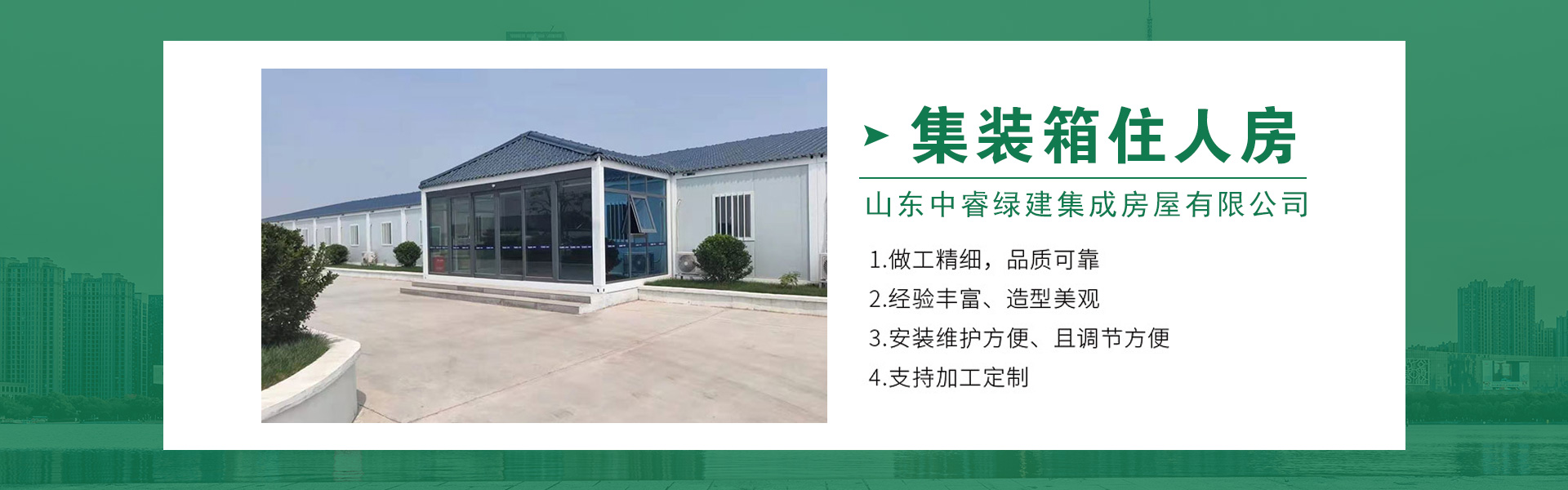
Prefabricated integrated houses are designed, standardized, modular, and mass-produced, featuring ease of dismantling, installation, transportation, storage, and multiple reuse for both temporary and long-term residential use.
Compared to traditional brick-and-mortar construction, the advantages of the new building material system are irreplaceable. Under the same regional conditions, the wall thickness of a typical brick-and-mortar structure is 240 millimeters, while the wall thickness of a modular building is less than 240 millimeters. The usable indoor area of comprehensive residential buildings is much larger than that of traditional brick-and-mortar constructions.
This comprehensive residential complex boasts advantages such as lightweight, low moisture operation, and a short construction cycle. The building has excellent thermal performance, with the entire house's wall panels made of insulated foam sandwiched steel. Most of the building materials used in the residential complex are recyclable, biodegradable, cost-effective, and environmentally friendly. The brick-and-concrete structure is eco-friendly, widely using clay, which can damage ecosystems and reduce arable land. The breakthroughs and applications of technology in this comprehensive residential complex will be long-term, changing traditional construction patterns and making human living costs lower and living environments better. It can play a significant role in environmental protection.
