

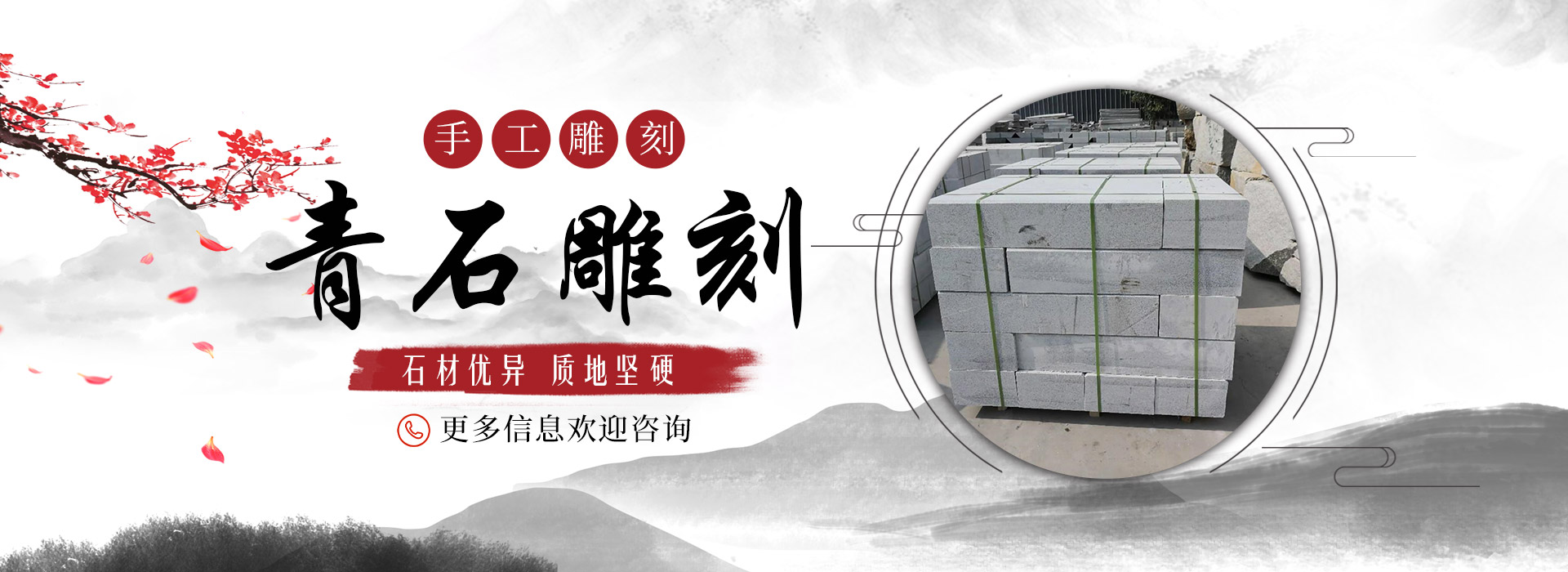


Flagstone is a common type of stone we often encounter, whether it's used as curbing or in flagstone slabs. This widely-used material also has a specific method for installation. Let's take a look together below.

Firstly, preparation is essential. The laying of the bluestone paving requires a comprehensive design plan for the area, along with an accurate grasp of the overall area. Properly selecting the specifications of the stone is the primary issue in the laying of bluestone paving. Secondly, following the construction layout drawing, the origin of the X and Y axes coordinates must be determined first. Then, using a theodolite and a steel ruler, a control grid of the X and Y axes is laid out every 5 meters, and marks are made at the ends of the control lines for future use. The laying is then marked according to the coordinate grid, and after verification, the location and layout records are filled out and reported for supervisor inspection. Please measure the actual ground elevation before the excavation and backfilling of the foundation trench according to the drawing requirements, calculating the fill height, excavation depth, and base data, which will be the vertical layout values.

During the initial construction phase, a layer of crushed stone should be laid, and stones larger than 4cm in diameter must be promptly removed and disposed of. Before the concrete sublayer is constructed, a retest of the raw materials used in the concrete is required. Cement must have a certificate of conformity and inspection report; materials that do not meet the standards are strictly prohibited from entering the construction site. A concrete mix ratio report must be prepared before the concrete construction, and the mix ratio must be strictly controlled during construction. Conduct moisture content tests on sand and stone before construction and adjust the concrete mix ratio accordingly. Calculate the amount of each batch based on the adjusted mix ratio. Before laying and pouring concrete, mark the concrete elevation lines on the curbs; at locations without curbs, a control pile for elevation should be placed every 3-5 meters. Pour continuously according to the height of the control piles, using wooden or aluminum alloy rulers to level the concrete. The thickness deviation of the concrete should not exceed ±10mm, and the elevation should be controlled within ±5mm. Each section should be poured in one go and compacted with a flat vibrator. Afterward, smooth the surface with a wooden trowel. Cover the concrete with salt cotton blankets at night to prevent freezing due to the drop in night temperatures, which could lead to quality issues.
