

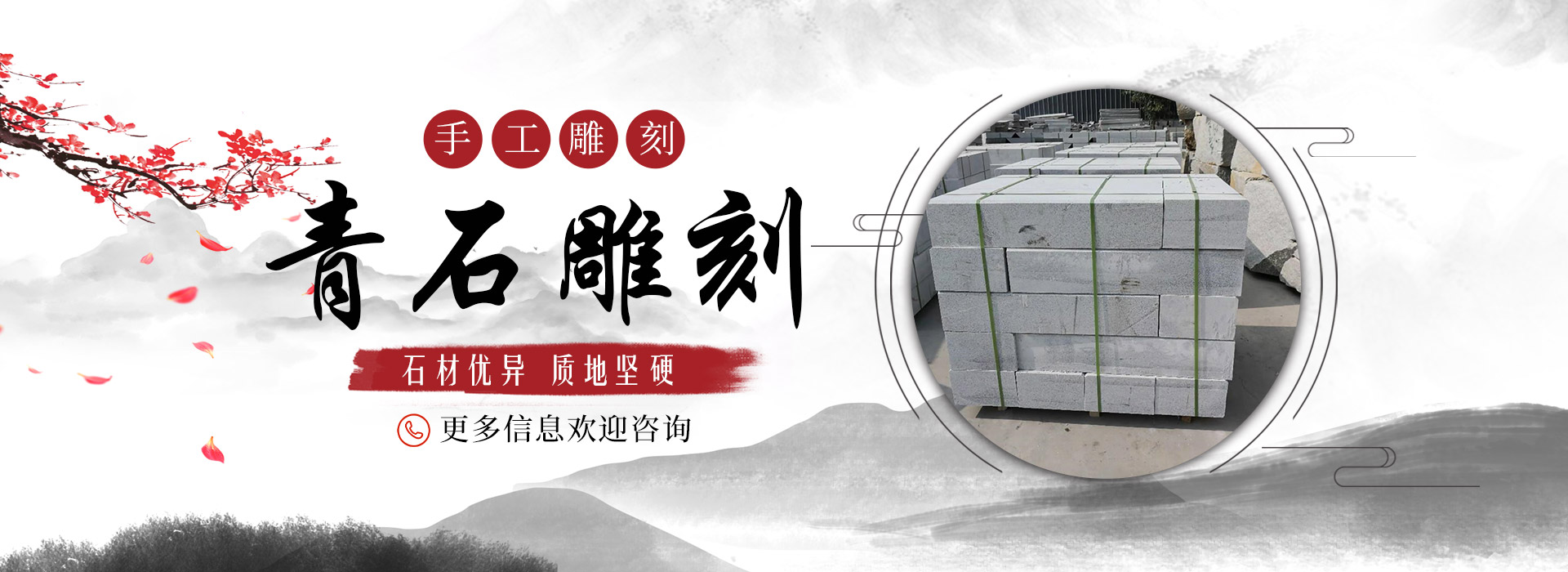


Quartzite applications stand out in various fields, with the manufacturer's output and sales being quite substantial. The production process for high-quality quartzite slabs is relatively complex, with meticulous attention to detail in craftsmanship. The demand for natural stone decorative materials is increasing, and the role of quartzite slabs we discuss today is also significant.

The raw materials for slate tiles typically consist of natural stone, which is excavated using excavators or by hand, then transported to the production site. To produce thin slate tiles, professional technical workers hand-cut the stone. Based on customer requirements and product specifications, the slate tiles are placed on a grinder, water-polished, and waxed, marking the completion of the finished product. However, during transportation, the tiles are often damaged due to collisions with foam boards on the transport trucks.

We typically use bluestone for flooring, walls, countertops, and decorative wall elements due to its non-radioactive nature and the ability to be processed into thin slabs. It can also be specially treated and carved into unique craft items. While the specifications for decorative bluestone are limited, the remaining materials should not be wasted as they can be used as construction materials. Thanks to the inherent characteristics of bluestone, manufacturers can make rational use of resources, thereby improving yield rates, avoiding waste, and reducing costs.
