



 通过中商114认证

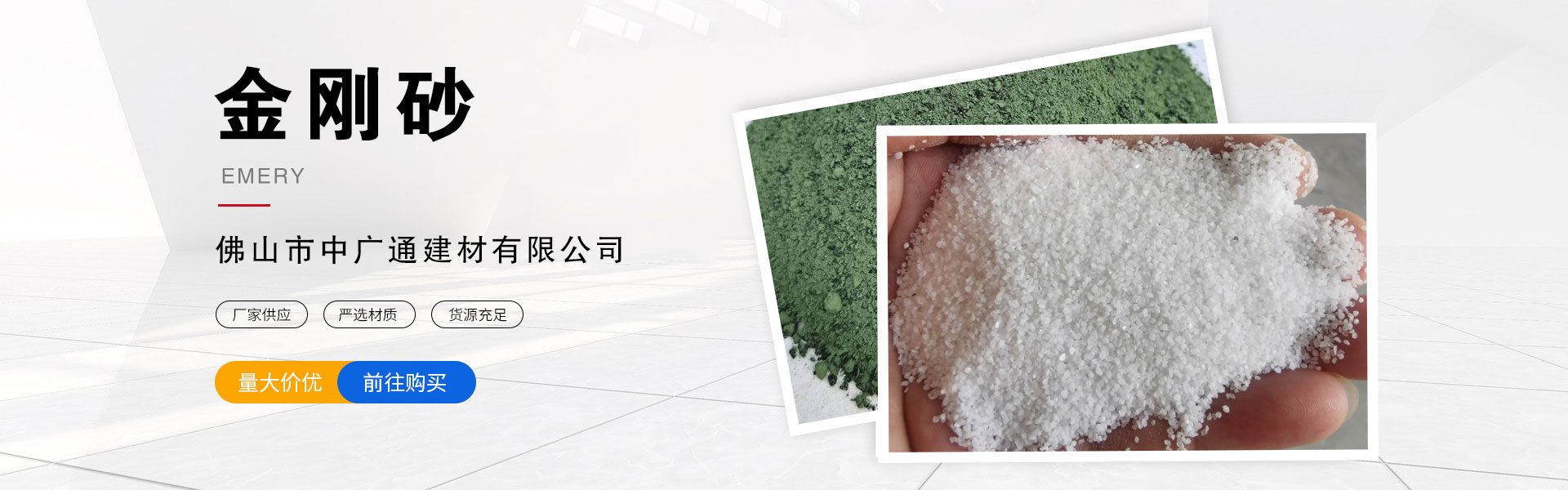
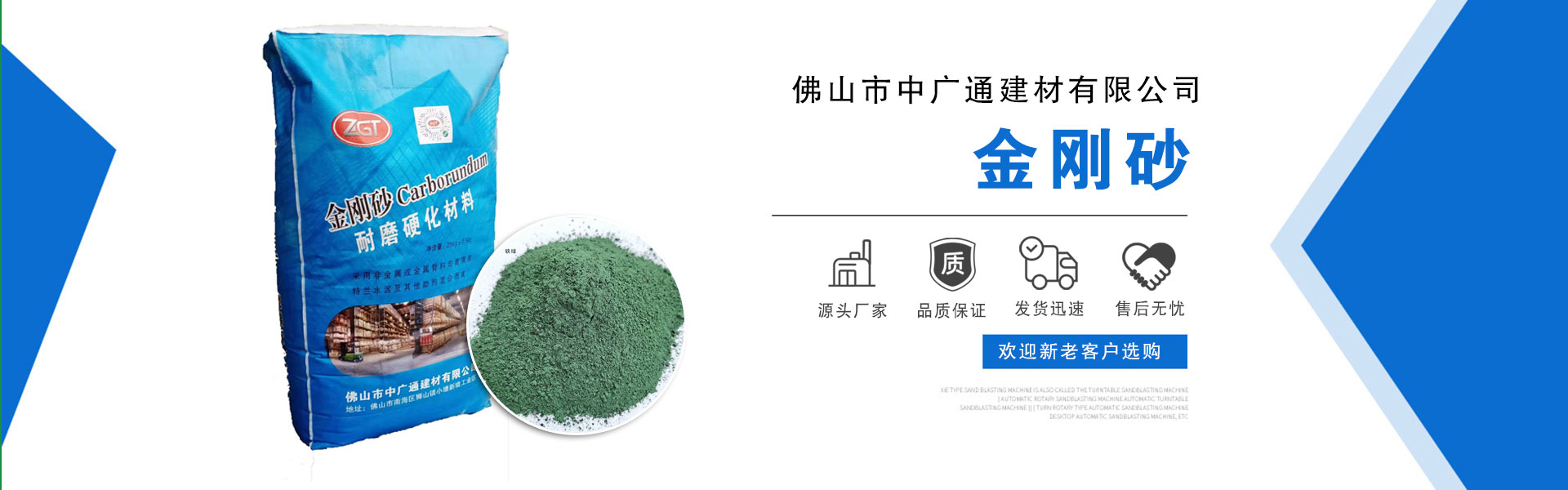
Carborundum, also known as silicon carbide (SiC), is produced through the high-temperature smelting of quartz sand, petcoke (or coal tar), and wood shavings in a resistance furnace. Silicon carbide also exists in rare minerals in nature, such as moissanite. It is also referred to as carborundum stone. In contemporary high-tech refractory materials that are non-oxide-based, such as C, N, and B, silicon carbide is widely used and economically viable. It can be called carborundum or refractory sand. Silicon carbide is produced from quartz sand, petcoke (or coal tar), wood shavings (and salt for green silicon carbide production), etc., through high-temperature smelting in a resistance furnace. Currently, in China's industrial production, silicon carbide is categorized into black silicon carbide and green silicon carbide, both of which are hexagonal crystals with a specific gravity of 3.20 to 3.25 and a microhardness of 2840 to 3320 kg/mm².
Purpose:
Supplies industrial grinding services for marble and other soft materials. Glass industry services include grinding glass burrs, television picture tubes, optical instruments, lenses, prisms, and glass for clocks. Metal industry services include sandblasting, rust removal, and grinding. Printing industry services for grinding printing plates. Also, services for light industry, such as processing plastics, leather, sandpaper, and more.
