



- AllProduct Category
-
Waste Gas Treatment Equipment
Wastewater Treatment Equipment
River Purification Equipment
Laboratory Pure Water Systems
Reclaimed Water Equipment
EDI Ultra-Pure Water Equipment
Deionized/Demineralized Water Equipment
Reverse Osmosis Pure Water System
Water Softener, Ion Exchange System
GMP Pharmaceutical Purification Water Equipment
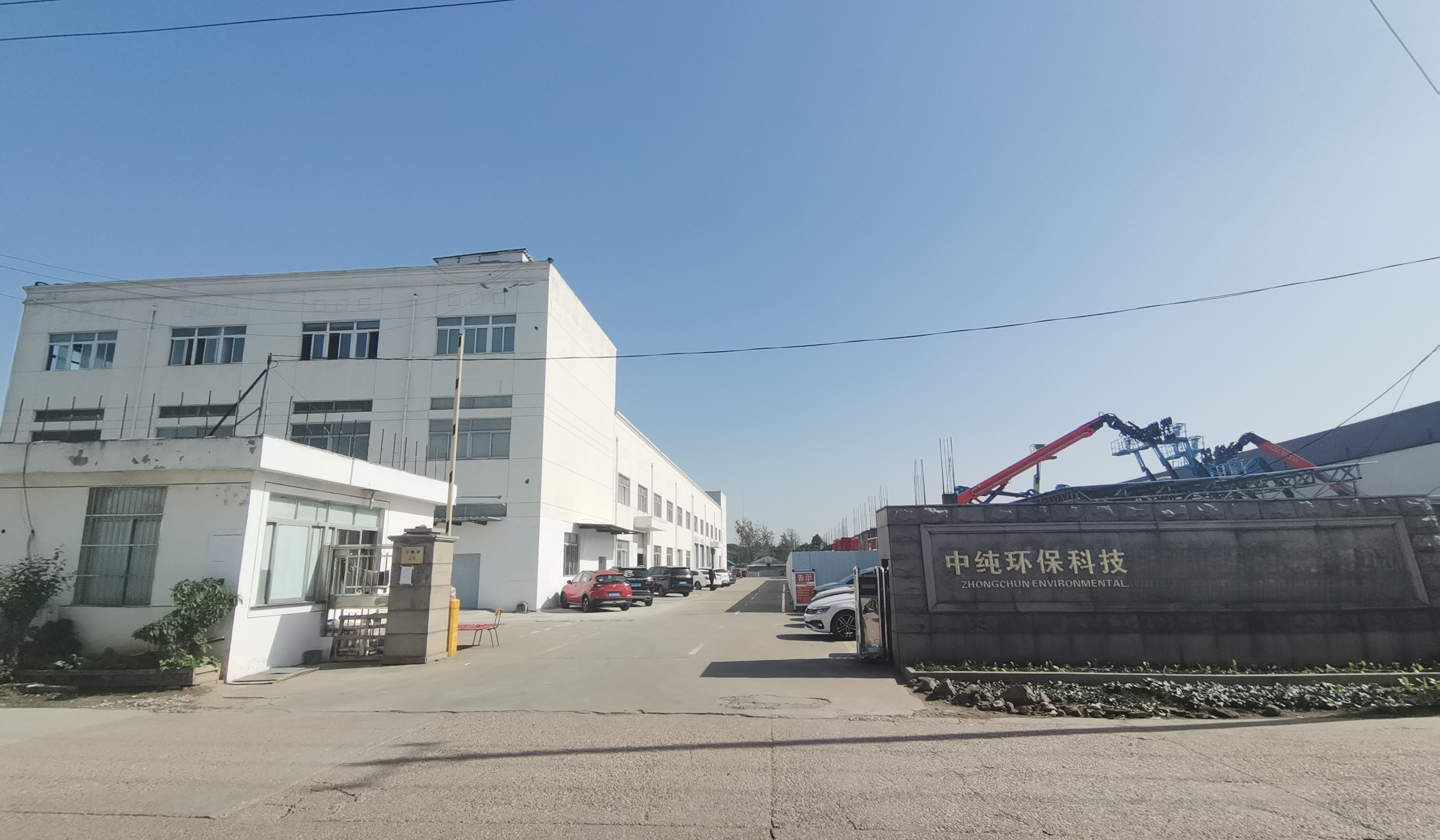


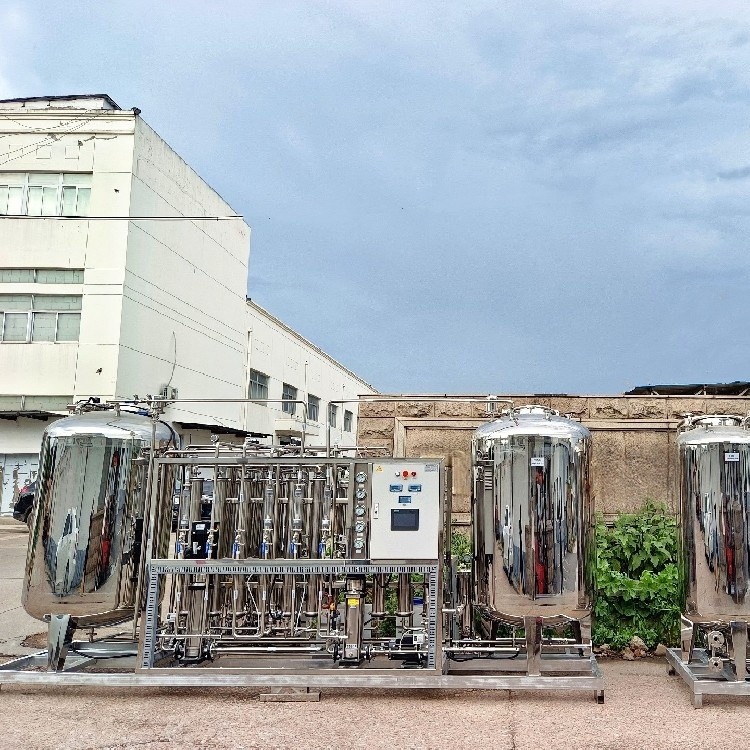
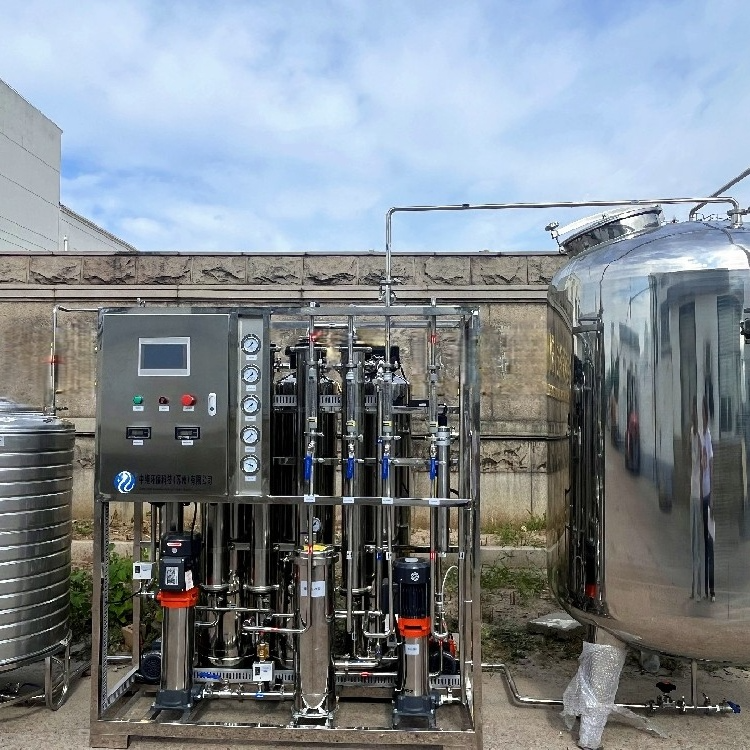
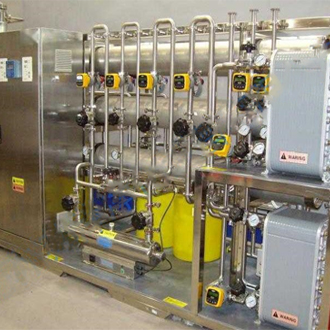
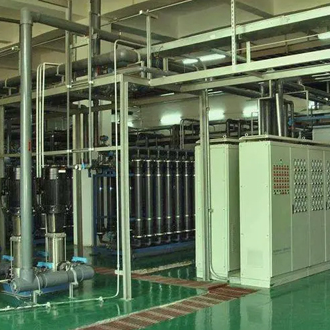
详情描述
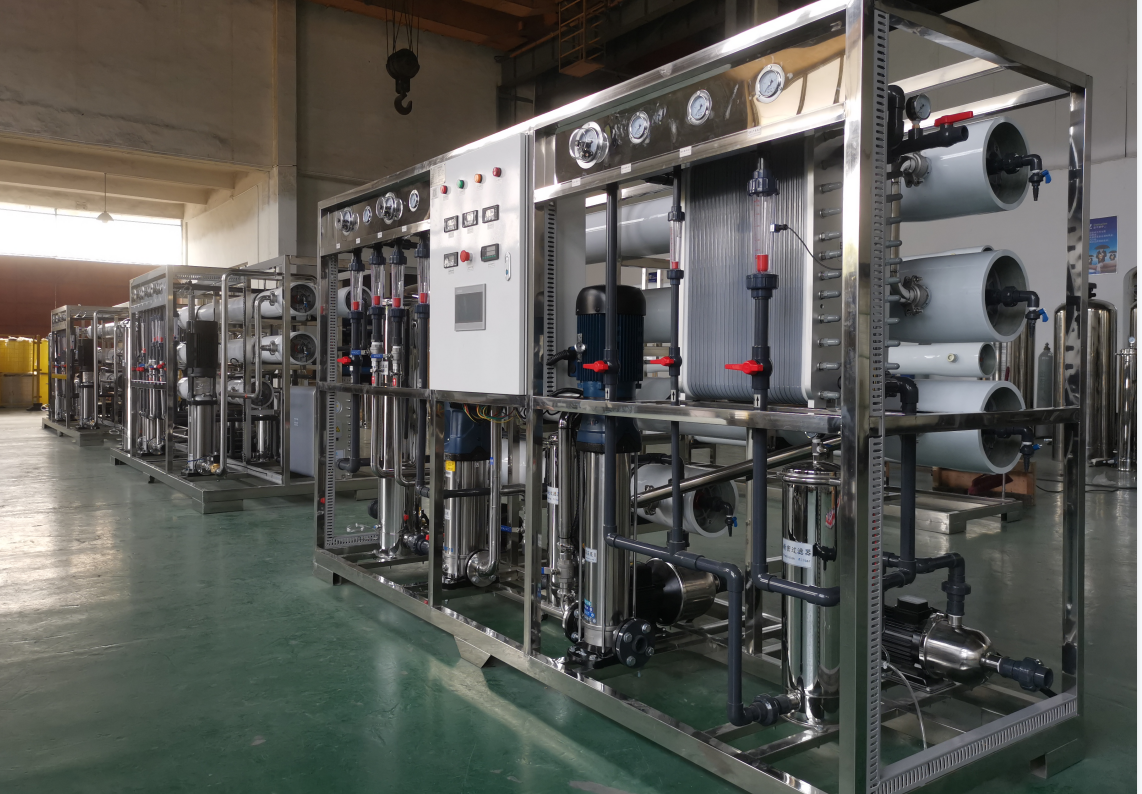
Primary Application of Ultra-Pure Water Equipment:
1. Semiconductor Industry: Used for wafer cutting (6-12 inches), cleaning, regeneration, and sealing & testing water, as well as cleaning of semiconductor equipment and electronic-grade dust-free cloth and cleanroom suits.
2. Solar Photovoltaic Industry: Single-crystalline Silicon, Polycrystalline Silicon Wafers Cleaning, Solar Cells, Quartz Crucibles, Polycrystalline Silicon Carriers, Photovoltaic Glass, High Purity Silicon Powder.
3. LCD, LED, OLED manufacturing cleaning water, optical camera cleaning, optical material cleaning, conductive glass cleaning.
4. Ultra-pure water for cleaning semiconductor integrated circuit boards and printed circuit boards production.
5. Lithium-ion battery materials (lithium iron phosphate, ternary materials, lithium-ion battery separators), lead-acid batteries, and zinc-manganese battery production water.
6. Pure water for electronic-grade ultra-pure chemicals, nano-grade electronic ceramic materials, sharp magnetic materials, and aviation new material production.
7. Non-ferrous metals, precious metal smelting process water, aviation new material production water, capacitor material etching process water, vacuum coating, high-purity inks, etc.
Ultra-pure Water Equipment Design Reference Standards:
Electrical Industry Pure Water System Design Specification GB50685-2011
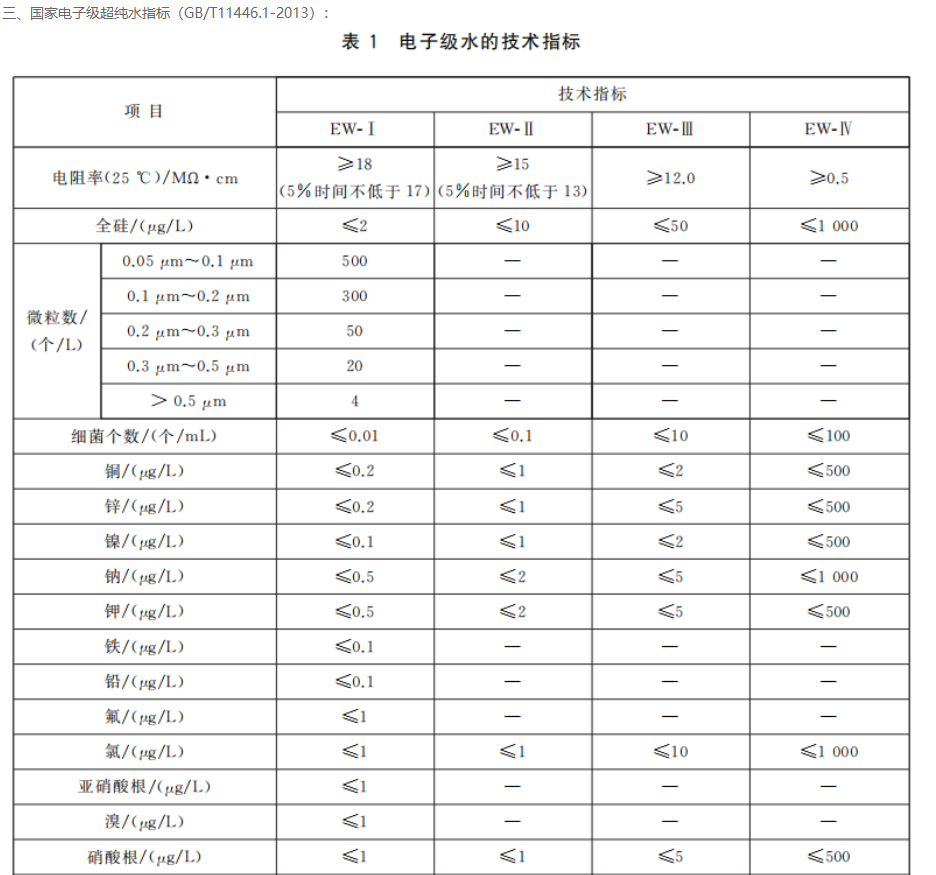
National Standard of China for Electronic Grade Ultra-Pure Water - GB/T11446.1-2013
General Rules for Electronic Grade Water Test Methods - GB/T 11446.3-2013
Testing Method for Resistivity of Electronic Grade Water - GB/T11446.4-2013
Atomic Absorption Spectrophotometric Method for Trace Metals in Electronic Grade Water - GB/T 114465-2013
Method for Ion Chromatographic Analysis of Trace Anions in Electronic Grade Water - GB/T11446.7-2013
Test Method for Total Organic Carbon in Electronic Grade Water - GB/T 11446.8-2013
Method for testing particles in electronic-grade water - GB/T 11446.9-2013
Test Method for Membrane Filtration and Culture of Total Bacterial Count at Electronic Grade - GB/T 11446.10-2013

※Green Pure Environmental Protection Brand 『Design Advantages』:
1. Personalized one-on-one service, complimentary on-site survey, considering placement area and access space, and free original water quality testing.
2. Understand the customer's daily water demand, peak water usage, water quality requirements, and the customer's production process and industry characteristics.
3. A professional team collaborates on design, combines on-site inspections by dedicated service personnel, and offers a one-stop water treatment solution service.
4. Intelligent design with precise control, high degree of automation. Units can achieve automatic normal/rinse/counter-rinse/operation, interlock protection, alarm indication, 4-20mA data open, capable of remote transmission to DCS central control system, truly realizing unattended operation.
5. Segmented testing according to process requirements, capable of measuring conductivity, resistivity, pH, ORP, temperature, flow rate, velocity, pressure, and other parameters. This ensures that the water quality at each process stage meets standards, preventing contamination of the final product water, and emphasizes process control.
6. Design products tailored to customers based on the principle of balancing comprehensive input and usage costs.
※ Pure Environmental Protection Brand 『Production Advantages』:
1. Core components are all imported, and we have established long-term cooperative relationships with many international brands such as the U.S.'s Dow, Hydronix, GE, Siemens, Rhone-Poulenc, Denmark's Grundfos, Rosemount, Japan's Sumitomo, and Schneider, ensuring reliable quality assurance for our products.
2. Suppliers conduct product assessments, eliminating suppliers with poor quality and service, and selecting top-performing ones to enter the qualified supplier system.
3. Strictly adhere to the quality management system; quality is paramount. Conduct incoming material appearance and performance inspections, in-process inspections, and final product quality checks.
4. Production staff produce according to corresponding numbers, organized in shifts for efficient production, with responsibility division and established performance assessment and traceability systems.
5. Pre-shipment trial run inspection, electrical point operation test, to ensure delivery of qualified products to the customer.
※ Pure Eco-Friendly Brand - "After-Sales Advantages":
1. Professional installation and after-sales team, providing one-on-one service, enhancing the timeliness of post-installation after-sales services, and boosting customer satisfaction.
2. Establish a post-installation service and after-sales support system, conduct performance evaluations, set up a customer service department, a complaint channel, and promptly address customer concerns.
3. Full guidance and training throughout the installation and debugging process, including theoretical training, hands-on machine operation training, and general troubleshooting training.
4. Establish customer electronic files, conduct monthly phone follow-ups, and promptly provide methods and suggestions for reducing equipment operation costs.
5. Multi-channel after-sales feedback, nationwide after-sales maintenance services, quick response, fast processing, 24/7 service.
6. Strictly Commitment: Two-year free warranty on the entire unit, lifetime free technical support.
I. Recommended Ultra-Pure Water Production Process:
1. Grade 1 RO + EDI + Mixed: Water production resistivity ≥ 18 MΩ·cm (25°C), other specifications meet the standard for electronic-grade ultra-pure water
Raw Water → Raw Water Tank → Booster Pump → Sand Filter → Carbon Filter → Softener/Scale Inhibitor → Security Filter → High Pressure Pump → First Stage Reverse Osmosis → First Stage Storage Tank → Booster Pump → Fine Filter → EDI Desalination Unit → Ultra-Pure Water Tank (Recommended Nitrogen Protection) → Feed Pump → Polishing Mixed Bed → UV/TOC → Fine Filter → Water Usage Point → Return Water (Recommended Pipe Circulation, No Dead Water)
Note: This process requires good quality of raw water; otherwise, it may cause irreparable damage to the EDI desalination system.
2. Grade 2 RO+EDI+Mixing: Product water resistivity ≥18 MΩ·cm (25℃), all other specifications meet the electronic grade ultra-pure water standard.
Source Water → Source Water Tank → Boost Pump → Sand Filter → Carbon Filter → Softener/Scale Inhibitor → Security Filter → High-Pressure Pump → Primary Reverse Osmosis → Primary Storage Tank → PH Adjustment → High-Pressure Pump → Secondary Reverse Osmosis → Secondary Storage Tank → Boost Pump → Fine Filter → EDI Deionization Unit → Ultra-Pure Water Tank (Recommended Nitrogen Protection) → Feed Pump → Polishing Mixed Bed → UV/TOC → Fine Filter → Water Point → Return Water (Recommended Pipeline Recirculation, No Dead Water)
Note: If there is a high requirement for particulate matter and TOC, it is recommended to set a dedicated ultrafiltration (UF) membrane (Asahi Kasei from Japan) for removing particulate matter and TOC in the downstream section.
3. Cartridge Filter + UF + Second RO + EDI + Mixed Flow: Product water resistivity ≥ 18 MΩ·cm (25℃), other specifications meet the standard for electronic-grade ultra-pure water.
Source Water → Source Water Tank → Boost Pump → Disk Filter → Bag Filter → Ultrafiltration UF → Ultrafiltration Tank → Intermediate Pump → Security Filter → High-pressure Pump → First Stage Reverse Osmosis → First Stage Tank → PH Adjustment → High-pressure Pump → Second Stage Reverse Osmosis → Second Stage Tank → Boost Pump → Precision Filter → EDI Desalination System → Ultra-Pure Water Tank (Recommended Nitrogen Protection) → Feed Pump → Polishing Mixed Bed → UV/TOC → Precision Filter → Water Usage Point → Return Water (Recommended Pipeline Recirculation, No Dead Water)
Note:
1. If the particle and TOC requirements are high, it is recommended to set up a dedicated ultrafiltration (UF) membrane for particle and TOC removal in the downstream process (Made by Asahi Kasei, Japan).
2. The above process is the full-membrane process
3. Grade 1 RO + Grade 3 mixed: Product water resistivity ≥ 18 MΩ·cm (25°C), all other indicators meet the specification of electronic grade ultra-pure water
Raw Water → Activated Carbon Filter Core → 10um Filter Core → 5um Filter Core → High-Pressure Pump → Reverse Osmosis (RO) System → First-Stage Polishing Mixed Bed → Second-Stage Polishing Mixed Bed → Third-Stage Polishing Mixed Bed → Fine Filter → Ultra-Pure Water Tank (recommended with nitrogen protection) → Transfer Pump → UV/TOC → Fine Filter → Water Usage Point → Return Water (recommended with pipeline circulation, no dead water)
Note: Applicable to small ultra-pure water systems: Flow range: 50L/H - 200L/H
For more product details, please call our 24-hour hotline: 18550863818; or the national hotline: 0512-69390898.
We will provide you with detailed plans, drawings, and competitive quotes for your reference and selection!
Call for consultation, enjoy 10% off! Welcome to call!
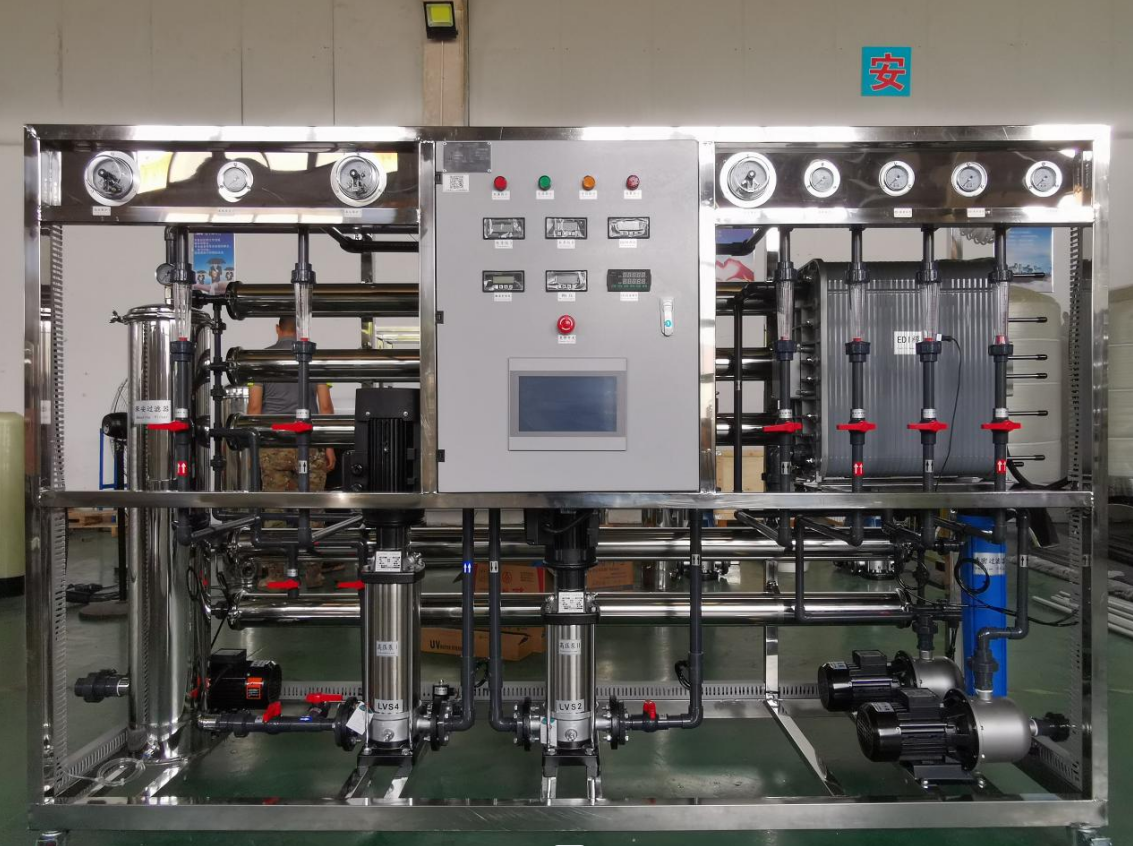
Section II: Introduction to the Core Technology of EDI Ultra-Pure Water
Ultrafiltration UF System
The primary function of the ultrafiltration system is to separate suspended large molecules, colloids, slime, microorganisms, organic matter, and other impurities that can cause fouling of reverse osmosis membranes. This includes the backwash disinfectant dosing system, ultrafiltration unit, and backwash pump, etc. Ultrafiltration (abbreviated as UF) is a physical sieve separation process that uses pressure as the driving force to separate liquids by utilizing the different pore sizes of ultrafiltration membranes. Ultrafiltration membranes are typically asymmetric in structure, consisting of a thin, extremely thin layer (usually less than 1μm) with a certain size of pores serving as the skin layer, and a thicker layer (usually 125μm) with a spongy or finger-like structure serving as the porous layer. The former plays a separation role, while the latter supports the structure. The typical pore size of ultrafiltration membranes is between 0.01 to 0.1 micrometers, offering a high removal rate for bacteria, most pathogens, colloids, sludge, etc. The smaller the nominal pore size of the membrane, the higher the removal rate. The materials commonly used for ultrafiltration membranes are high molecular polymers. For ultrafiltration, the widely used metaphorical analysis of the separation mechanism is the "sieve" theory. An ideal ultrafiltration membrane separation sieve process involves the solvent and small solute particles in the feed stream passing through the low-pressure side of the membrane due to pressure, while macromolecules and microparticles larger than the membrane pore size are blocked, causing the feed stream to gradually concentrate. Large molecules, colloids, proteins, and microparticles in the solution are retained by the ultrafiltration membrane and recovered as concentrate. However, in practice, the pore size of the membrane and the chemical properties of the membrane surface play different retention roles, so the ultrafiltration phenomenon cannot be simply analyzed. Ultrafiltration membranes have important characteristics of pore structure and also possess chemical properties on the membrane surface. The performance indicators of ultrafiltration membranes include permeate flux and retention rate. The pressure resistance, cleaning resistance, and temperature resistance of ultrafiltration membranes are very important for industrial applications.
Membrane component structures include plate, rolled, tubular, and hollow fiber types, and are divided into three categories based on the position of the separation layer: internal pressure, external pressure, and internal and external pressure. Hollow fiber membranes are one of the main types of ultrafiltration membranes, having a capillary-like structure and being spun from filaments. The inner or outer surface is a dense layer, also known as the active layer, with a porous support structure inside. The dense layer is densely packed with micropores, and the separation is achieved based on whether the solution components can pass through these micropores. The feed solution flows under pressure within the hollow fiber membrane's inner or outer pores, while the filtered liquid exits from the opposite side.
2. Reverse Osmosis (RO) System
Reverse osmosis membranes, also known as RO, are a high-tech membrane separation technology invented by Loeb and Sourirtajan of the University of California, Los Angeles in 1960. With pores as small as the nanoscale (1 nanometer = 10^-9 meters), under certain pressure, H2O molecules can pass through the RO membrane, while inorganic salts, heavy metal ions, organic matter, colloids, bacteria, viruses, and other impurities in the source water cannot. This effectively separates pure water that can pass through from concentrated water that cannot.
Principle: Osmosis is a physical phenomenon where water molecules from two bodies of water with different salt concentrations, separated by a semi-permeable membrane, will move through the membrane until the salt concentrations are equalized. However, this process takes a long time and is known as natural osmosis. If pressure is applied to the side with higher salt concentration, the osmosis can be halted, and this pressure is called osmotic pressure. Increasing the pressure can even reverse the osmosis, leaving the salt behind. Thus, the principle of reverse osmosis desalination involves applying a pressure greater than the natural osmotic pressure to saltwater (such as raw water), causing the water molecules to be forced through the membrane in the opposite direction, resulting in clean water on the other side. This process effectively removes salt from the water.
The reverse osmosis membrane uses an aromatic polyamide spiral wound composite membrane. The reverse osmosis unit consists of composite membrane elements, high-pressure pumps, fiberglass pressure vessels, chemical cleaning equipment, supports, and an instrument control cabinet. Equipped with a local control panel, which is fitted with various local instruments and control buttons. The reverse osmosis desalination unit is controlled by a PLC and operates automatically. It is equipped with flowmeters, pressure gauges, conductivity meters, and more.
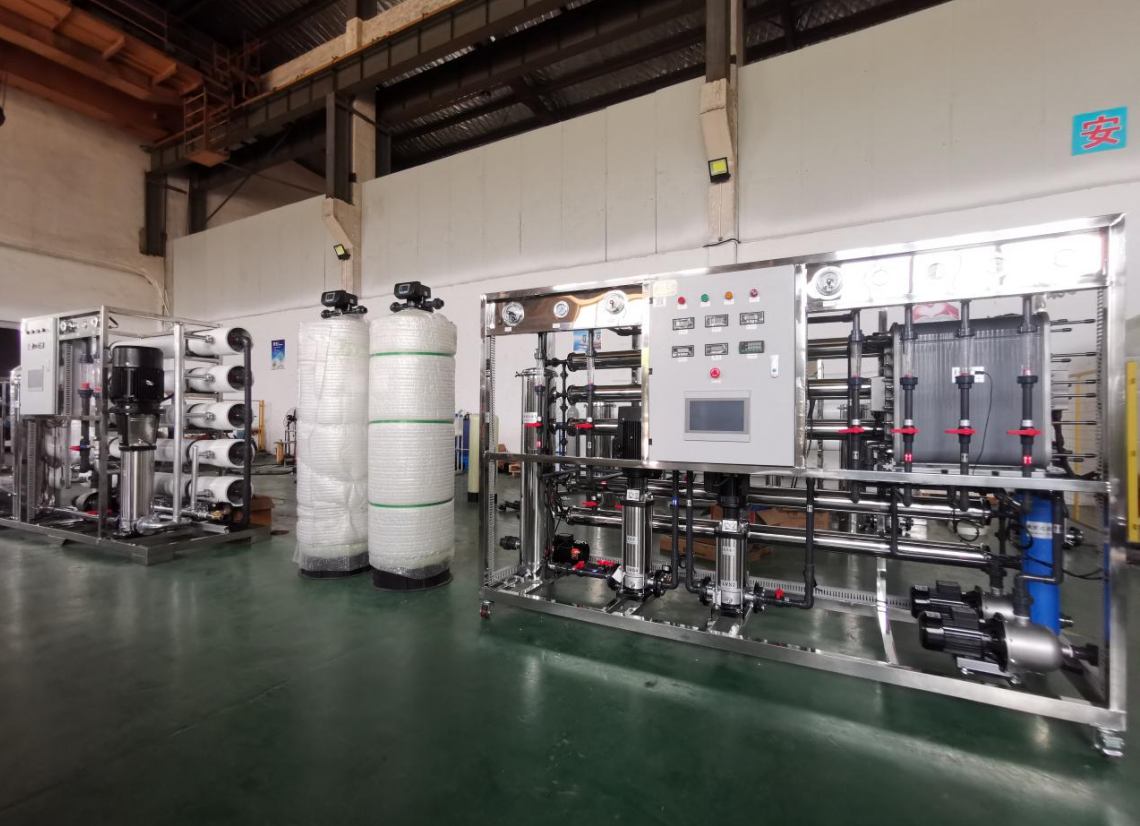
3. pH Adjustment System
Due to the inability of the RO membrane to remove carbon dioxide, it remains in the reverse osmosis permeate, forming carbonic acid and increasing conductivity. By adding alkali to the primary RO permeate and adjusting the pH to around alkaline (8.2), carbon dioxide can be converted to bicarbonate ions, which can then be removed by the secondary RO membrane, ensuring the secondary RO permeate meets specifications.
The pH adjustment system operates fully automatically, equipped with a metering pump to inject diluted NaOH solution into the pipeline. It offers precise measurement, a lightweight overall design, and accurate speed control, unaffected by heat sources or electromagnetic interference. With real-time monitoring by a pH online monitoring instrument, the system automatically adds chemicals to ensure the stable water quality of the secondary RO product.
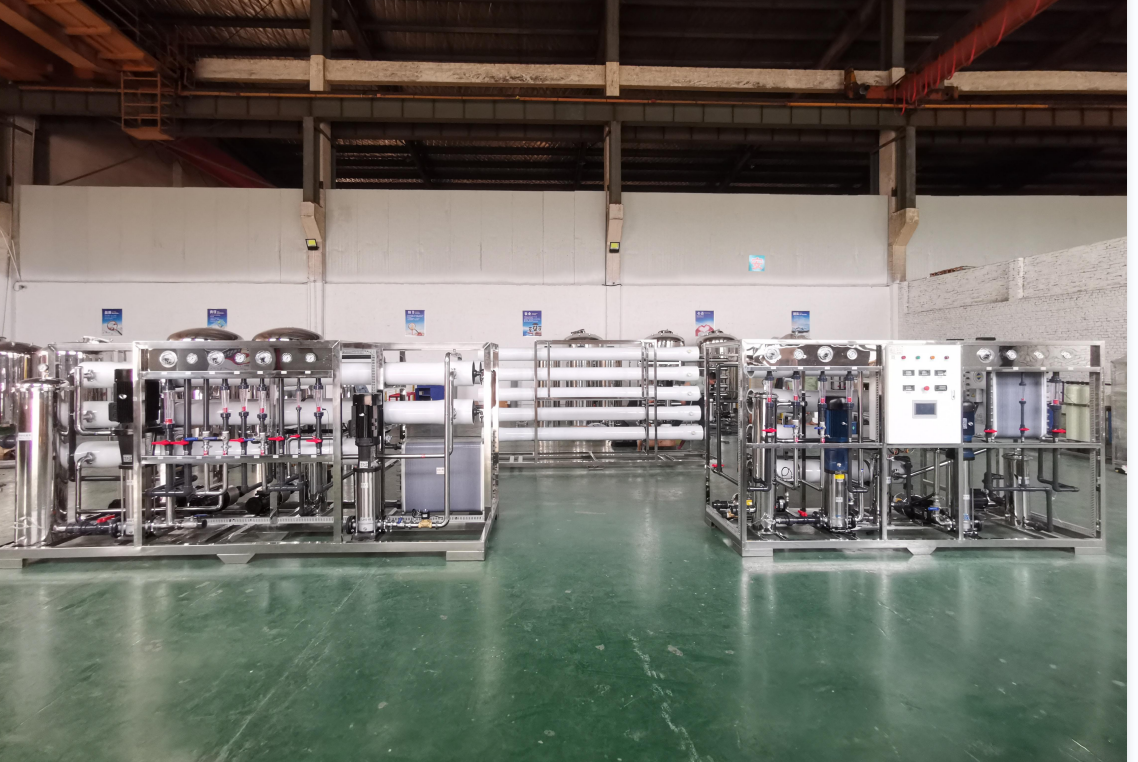
4. EDI Electrodeionization System
EDI equipment, Continuous Electrical Deionization (EDI), utilizes mixed ion exchange resins to adsorb the positive and negative ions in the feedwater. Simultaneously, these adsorbed ions are separated under the action of direct current voltage, passing through the anion and cation exchange membranes, respectively, and being removed. This process involves the continuous electrical regeneration of the ion exchange resins, eliminating the need for acid and alkali regeneration. This new technology can replace traditional ion exchange (DI) units, producing ultra-pure water with a resistivity of ≥15MΩ.CM. The working principle of the ion exchange membrane is similar to that of the ion exchange resin, selectively allowing ions to pass through. The anion exchange membrane only allows anions to pass through, while the cation exchange membrane only allows cations to pass through. Filling the space between a pair of anion and cation exchange membranes with mixed ion exchange resins forms an EDI unit. The space occupied by the mixed ion exchange resins between the anion and cation exchange membranes is called the freshwater chamber. Arranging a certain number of EDI units in a row, alternating the anion and cation exchange membranes, and adding special ion exchange resins between the membranes, the formed space is known as the concentrate chamber. Under the push of the given direct current voltage, in the freshwater chamber, the positive and negative ions in the ion exchange resins migrate towards the positive and negative poles, respectively, passing through the anion and cation exchange membranes into the concentrate chamber. At the same time, the ions in the feedwater are adsorbed by the ion exchange resins, occupying the space left by the ion electrical migration. In fact, the migration and adsorption of ions occur simultaneously and continuously. Through this process, the ions in the feedwater pass through the ion exchange membranes into the concentrate chamber and are removed to become desalinated water. Negatively charged anions (e.g., OH-, Cl-) are attracted to the positive pole (+) and pass through the anion exchange membrane into the adjacent concentrate chamber. Later, these ions encounter the adjacent cation exchange membrane during their continued migration towards the positive pole, which does not allow anions to pass through, thus blocking these ions in the concentrate. In a similar manner, cations in the freshwater are blocked in the concentrate chamber. In the concentrate chamber, the ions passing through the anion and cation membranes maintain electrical neutrality. The electrical current and ion migration in the EDI components are proportional. The electrical current consists of two parts: one from the migration of the removed ions, and the other from the migration of H+ and OH- ions produced by the electrical ionization of water itself. In the EDI components, there is a high voltage gradient, under which water is electrolyzed to produce a large amount of H+ and OH-. These locally produced H+ and OH- continuously regenerate the ion exchange resins. The ion exchange resins in the EDI components can be divided into two parts: the working resin and the polishing resin, with the boundary between them being the working front. The working resin is responsible for removing most of the ions, while the polishing resin is responsible for removing difficult-to-remove ions such as weak electrolytes.
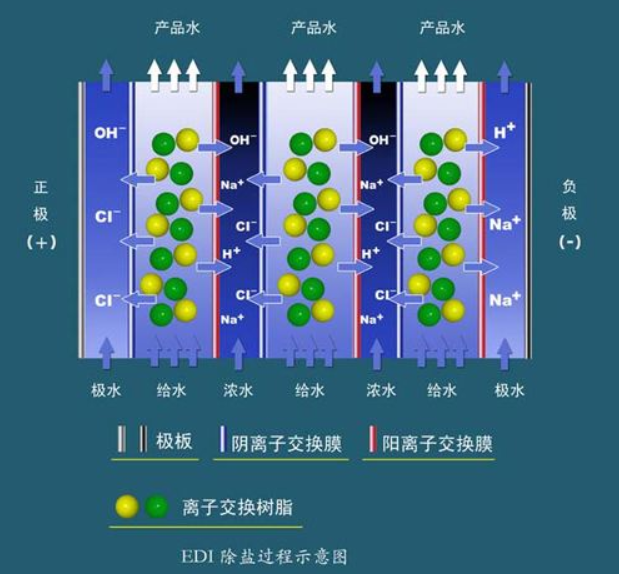
Features of EDI
1. No need for acid/base regeneration, no acid/base storage or dilution transportation facilities, safe and reliable to use, avoiding worker exposure to acids and bases.
2. Saves regenerative water and facilities for regenerative wastewater treatment
3. Reduced operation and maintenance costs
4. Compact land area, easy installation, and high water yield (up to 90-95%)
5. Continuous operation, stable product water quality, no shutdown due to regeneration
5. Polished Mixed Bed System
Polished mixed bed is generally used at the end of ultra-pure water treatment systems, based on the principle of resin ion exchange. The container is filled with non-regenerable polishing mixed bed resin, with all ions in H and OH forms. As a terminal desalination unit, it can elevate the resistivity of the pretreatment water to the user's required level and also has certain control capabilities over TOC and SiO2.
Polished mixed bed ion exchange requires specific feedwater, which must be the product water from an anion, cation, or mixed bed ion exchange system, or the product water from a continuous EDI (Electrodeionization) salt removal system. Only with feedwater conditions that meet its requirements can the polished mixed bed ion exchange operate stably and long-term.
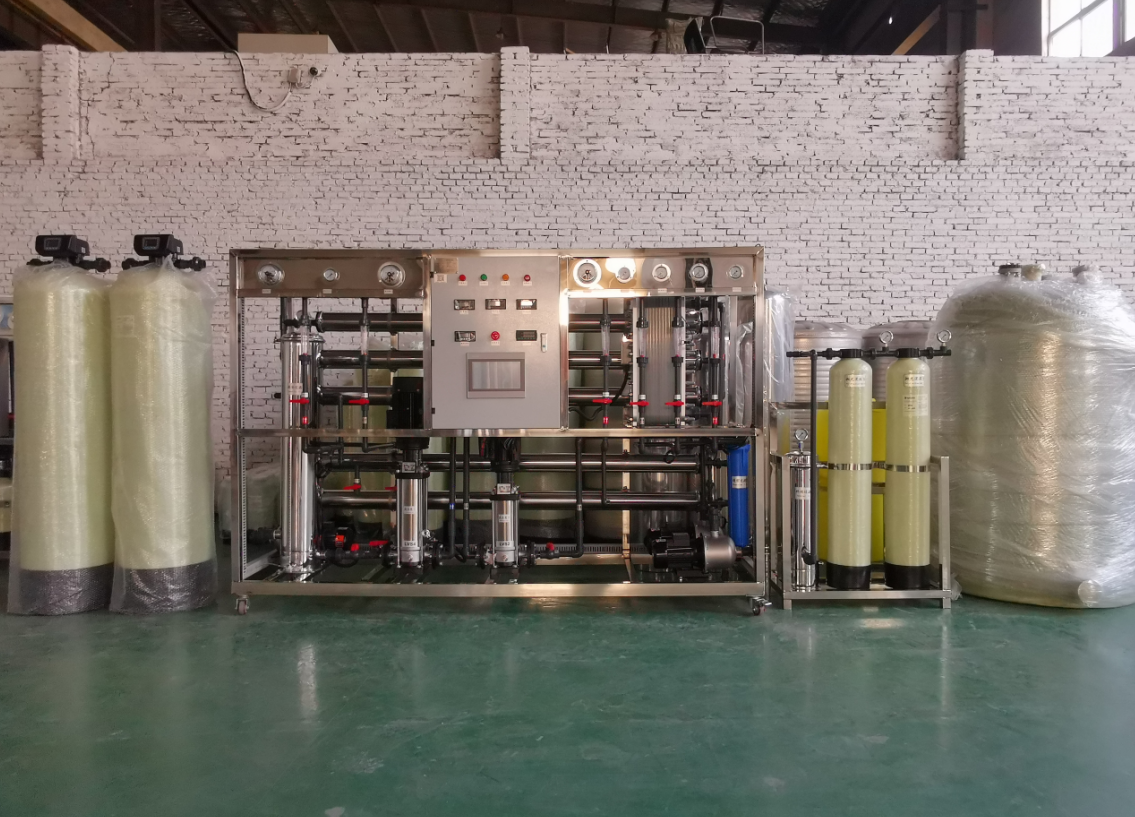
6. UV Sterilizer/TOC Remover
UV Sterilizer/TOC Remover is a physical sterilization method. After bacteria are exposed to ultraviolet light, the energy of the ultraviolet spectrum is absorbed by the bacterial nucleic acids, altering their vitality. This leads to obstacles in the synthesis of proteins and enzymes within the bacteria, causing the microorganisms to mutate or die. According to tests, UV light with a wavelength of 200-250nm has sterilization capabilities, with the most effective sterilization occurring at a wavelength of 253.7nm. UV light with a wavelength of 185nm is particularly effective for TOC removal. The equipment consumes lamps as consumables, which need to be replaced regularly and have a lifespan of ≥9,000 hours.
Section 3: National Standard for Electronic Grade Ultra-Pure Water (GB/T11446.1-2013)

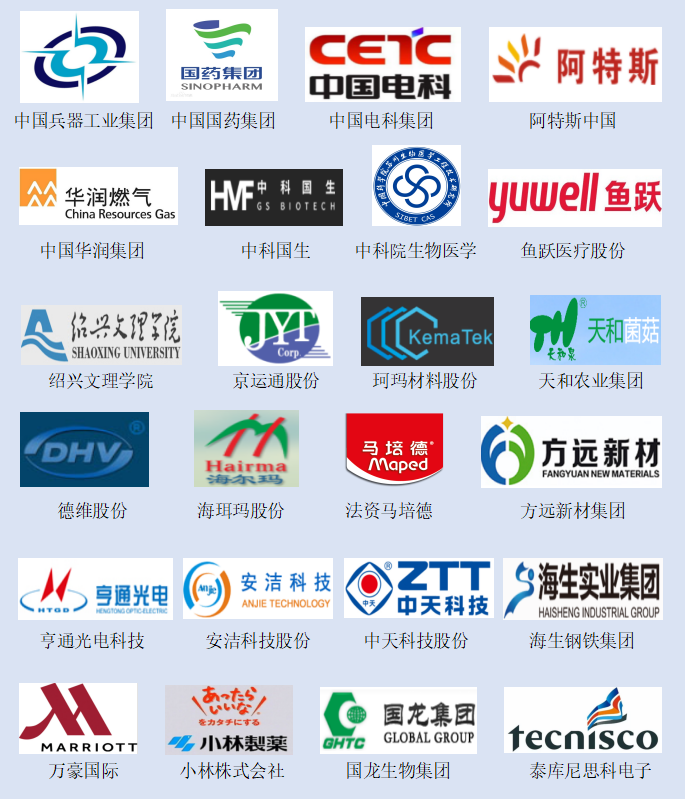
Section 4: Selected Classic Customer Cases:
Section 5: National Warranty and Service Network
1. A professional installation and after-sales team provides one-on-one service, enhancing the timeliness of post-installation after-sales support and improving customer satisfaction.
2. Establish a post-installation after-sales service mechanism, conduct performance evaluations, set up a customer service department, a complaint window, and promptly address customer concerns.
3. Full guidance and training throughout the installation and debugging process, including theoretical training, hands-on machine operation training, and general troubleshooting training.
4. Establish customer electronic profiles, conduct monthly phone follow-ups, and promptly provide methods and suggestions for reducing equipment operation costs.
5. Multiple channels for after-sales feedback, offering nationwide after-sales maintenance services, quick response, fast processing, 24/7 service.
6. We solemnly promise: two-year free warranty on the entire unit and lifetime free technical support.
For more product details, please call our 24-hour hotline: 18550863818; or the national hotline: 0512-69390898.
We will provide you with detailed plans, drawings, and competitive quotes for your reference and selection!
※ Phone consultation, enjoy 10% off! Welcome to call!


