
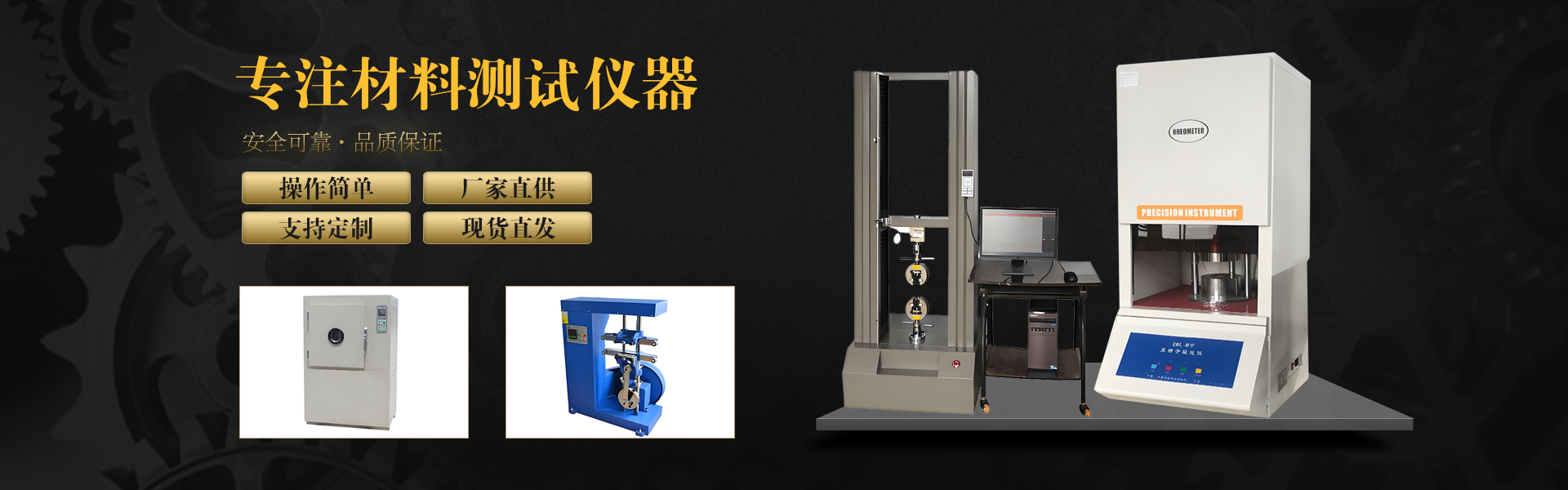
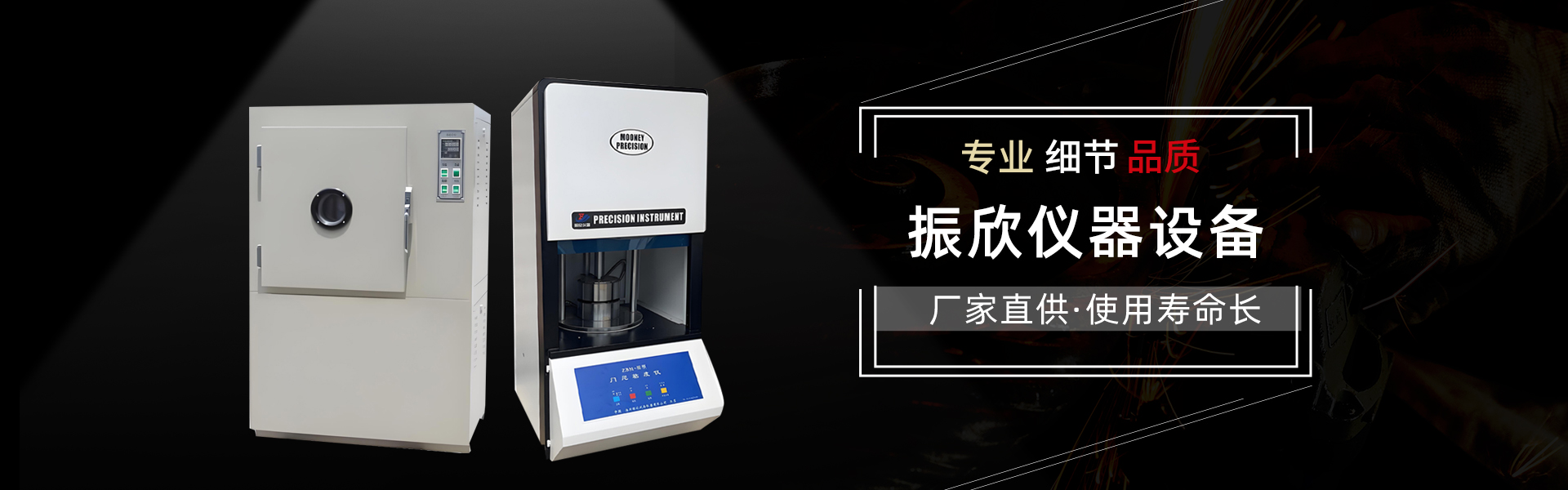

Rubber testing machines, also known as rubber tensile testing machines, plastic and rubber industry testing machines, adhesive industry testing machines, electronic tensile testing machines, and electronic universal testing machines, etc.
What is a rubber tensile testing machine?
The rubber tensile testing machine is primarily used for material inspection and analysis in industries such as plastics, metals, rubber hoses, copper beams, gloves, and rubber rings. During the testing process, it employs a fully digital control system for force, displacement, and speed in three closed loops, utilizing AC servo motors and control drive systems. It is paired with a high-precision reducer and Taiwan TBI precision ball screw transmission to achieve optimal transmission efficiency and a superior signal-to-noise ratio. This machine is mainly used to test the mechanical properties of metals and non-metals, and with the addition of fixture attachments, it can test physical properties such as tensile strength, compression resistance, peel strength, tear resistance, bending resistance, three-point bending resistance, and shear resistance. It can also conduct tests and data processing according to various standards including GB, ISO, JIS, ASTM, DIN, and user-provided standards.
Rubber Testing Machine Control and Data Processing Software Features:
1. Advanced chip integration technology, a professional-designed data acquisition and amplification system featuring high integration, stability, reliability, and ease of use. The control software can automatically calculate test data such as tensile strength, yield strength, fracture strength, elastic modulus, and elongation. The open formula editor can automatically compute force, stress, displacement, and deformation data at any specified point during the test process. The control of the testing process and data processing comply with the national standards for metallic and non-metallic materials.
2. Control Methods: options include setting speed, positioning, load, load increase rate, stress, stress increase rate, strain, and strain increase rate, etc.
3. Auto-zero: The measurement system automatically zeroes out after the start of the test.
4. Automatic Gear Shift: Switches to the appropriate range based on load size to ensure accuracy of measurement data.
5. Auto-Save: Test data and conditions are automatically saved, eliminating data loss caused by forgetting to save.
6. Batch Testing: Once set for samples with the same parameters, a series of tests can be sequentially completed in one batch.
7. Display Method: Data and curves are dynamically displayed throughout the testing process.
8. Curve Traversal: After the test is completed, the curve can be re-analyzed, and the corresponding data for each point on the test curve can be found using the mouse.
9. Curve Selection: Choose from stress-strain, force-displacement, force-time, displacement-time, and other curves for display and printing.
10. Unit Switch: Force Units: (g, kg, N, lb), Stress Units: (kg/mm², N/mm², MPa, lbf/in²), Displacement Units: (m, mm, in)
11. Test Report: Programming and printing of test reports can be customized to user requirements, and Excel files can be exported.
12. Safety Protection: Automatic safety protection is initiated when the load exceeds 2-10% of the maximum capacity.
13. The system can automatically detect and calculate the mechanical property indicators of samples, and also allows for manual intervention in the analysis process. It can correct the automated analysis results according to relevant standards to enhance data accuracy.
