

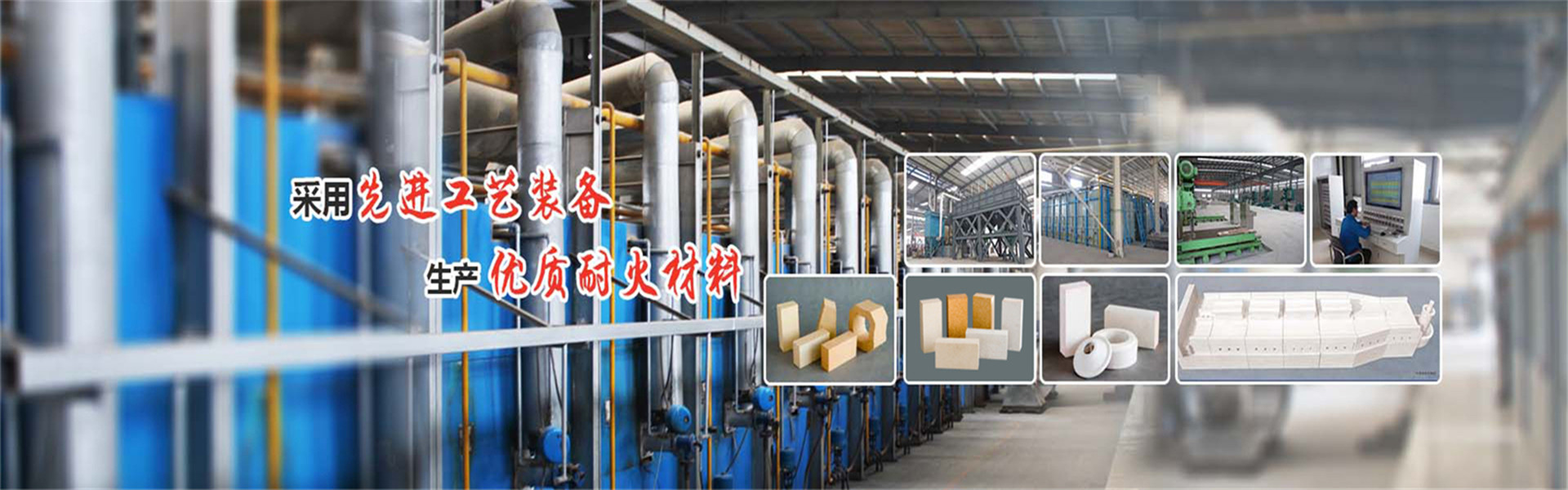

Firebrick, as a primary refractory material in the construction industry, boasts numerous advantages such as wear resistance, thermal conductivity, high density, excellent destructiveness, and robust compressive and seismic performance. In masonry work, it's not only about aesthetic appearance but also about its functionality. Let us introduce the issues you should pay attention to when constructing.
Misalignment: refers to the unevenness between layers and blocks.
2. Slope: Not level in the horizontal direction.
3. Uneven grout: The grout varies, which can be adjusted to the appropriate width by selecting refractory bricks.
4. Escalation: The surface irregularity of the circular wall should be controlled within 1mm.
5. Separation: In the curved masonry, the brick rings and the shell are not concentric.
6. Reassembly: This involves overlapping the upper and lower gray seams, allowing only one gray seam between the two layers.
7. Through seams: It is not permitted to combine the horizontal joints of the refractory bricks inside and outside, nor should exposed metal shells be present.
8. Open Wide: Mortar joints in the curved masonry are small and large.
9. Hollow: This means that the mortar does not fill the spaces between layers, bricks, and the shell, and is not permitted for use in the linings of fixed equipment.
10. Rough Joints: The brick joints didn't grip properly, and the walls were not clean.
Snake pattern: vertical seams, circular seams, or horizontal seams are wavy rather than straight.
12. Masonry Bulging: This is caused by equipment deformation, and the relevant surfaces of the equipment should be made smooth during the masonry process. When using double-lining refractory bricks, insulation layer can be used for leveling.
Mud Mixing: No improper use of mud is permitted.
The issue I mentioned earlier, often overlooked during the construction of refractory bricks, is worth emphasizing. Firstly, the masonry must be neat, and secondly, attention must be paid to the gaps. A particularly common and low-level mistake is using the wrong mortar. What seems like a simple problem can easily lead to errors, so everyone involved in the construction process must exercise caution.
