
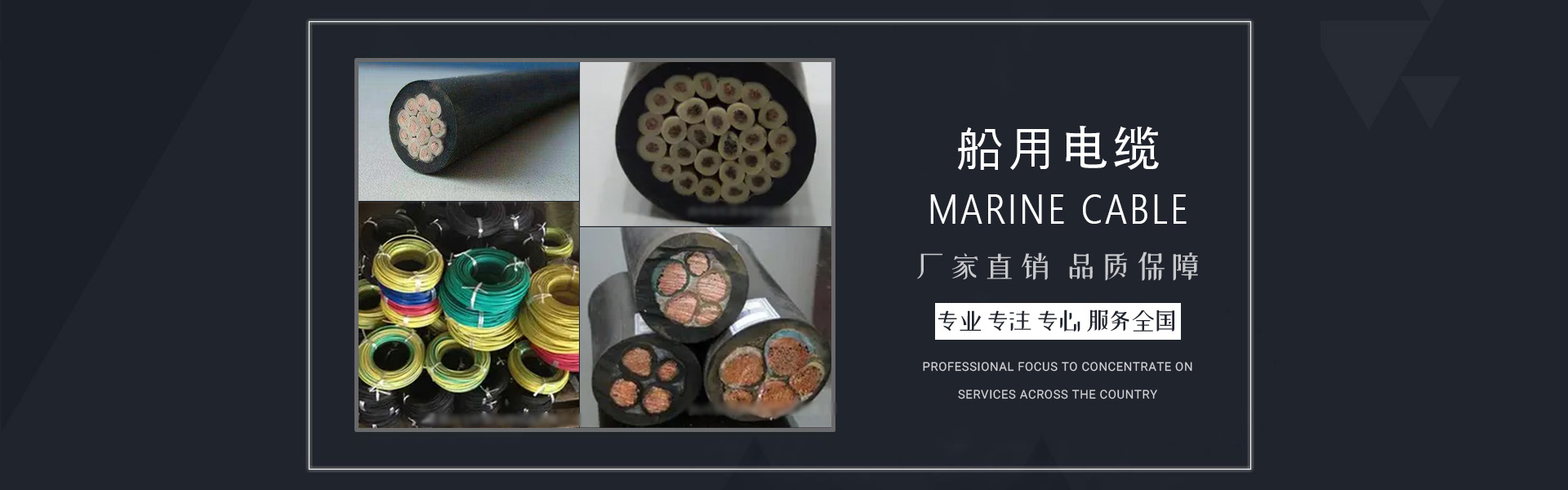
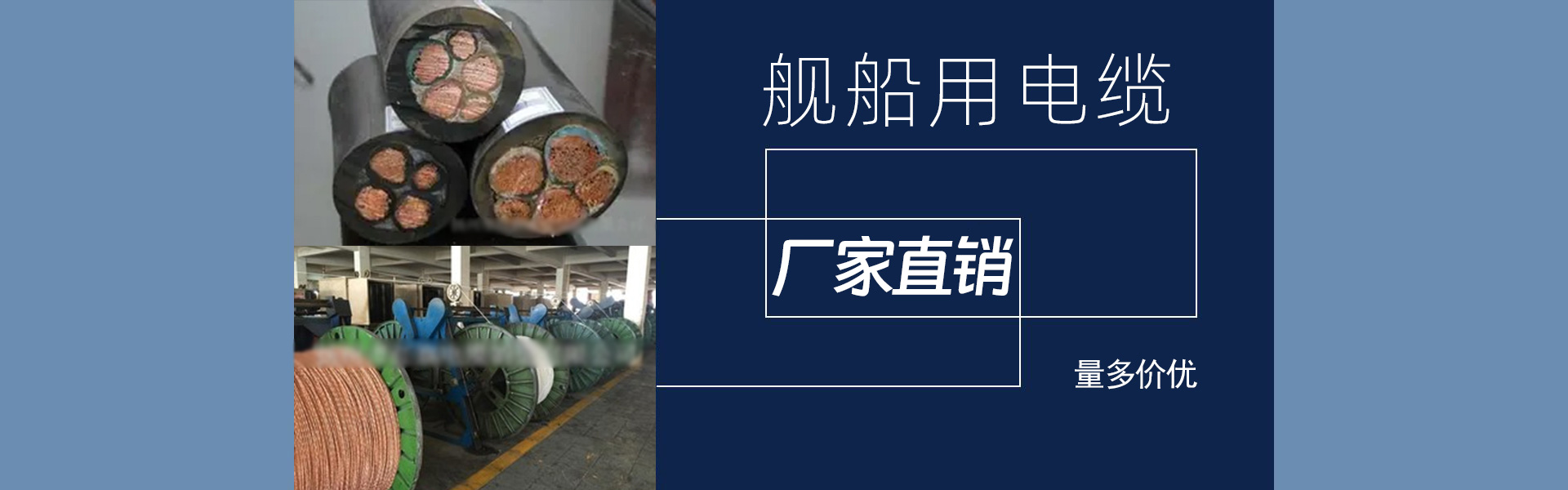



The cores of multicore cables must be filled with substances (such as non-absorbent materials). During filling, the filler can be separated from the sheath, integrated with the sheath, or wrapped with non-absorbent ties between the cores and the sheath. Additionally, the cable is equipped with a shielding layer to optimize the internal electric field distribution. The conductors are typically composed of multiple wires twisted together, which inevitably leave gaps between them and the insulation. Local electric fields can concentrate, so an internal shielding layer between the conductor and insulation effectively resolves this issue and prevents local discharge between the cores and insulation. An external shielding layer between the insulation and sheath ensures equal potential between the sheath and the shielding layer, and good contact between the insulation and the shielding layer, thus avoiding the occurrence of local discharge.
The sheath of power cables (marine power cables) is typically divided into two types: non-metallic and metallic armor sheath. The types and corresponding codes of the sheaths are shown in Figure 3. The primary purpose of the cable sheath is to prevent mechanical damage to the cable and to avoid the effects of environmental factors such as oil, salt, moisture, etc., on the cable's insulation layer. The performance requirements and usage conditions for various cable sheaths are also clearly stipulated in GB7594.
