


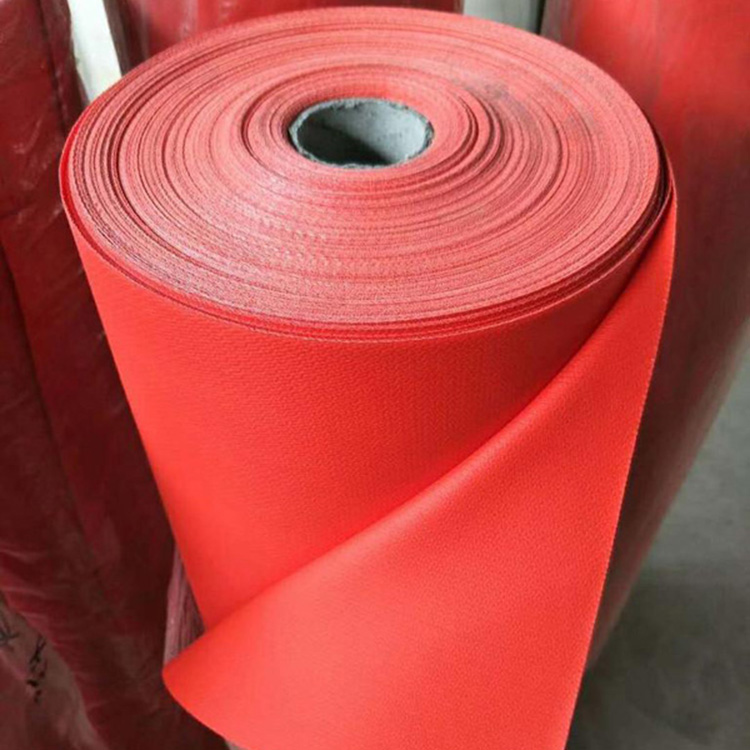
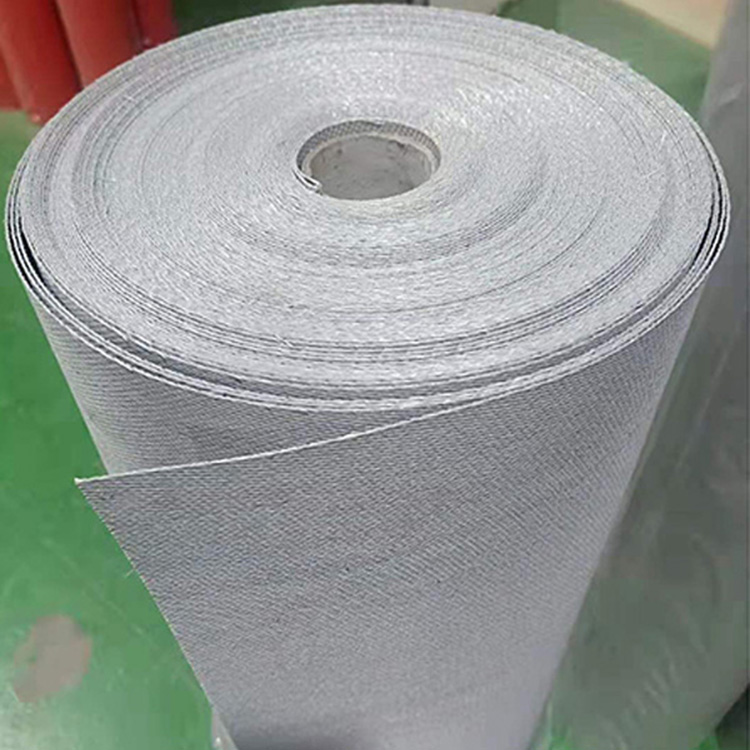
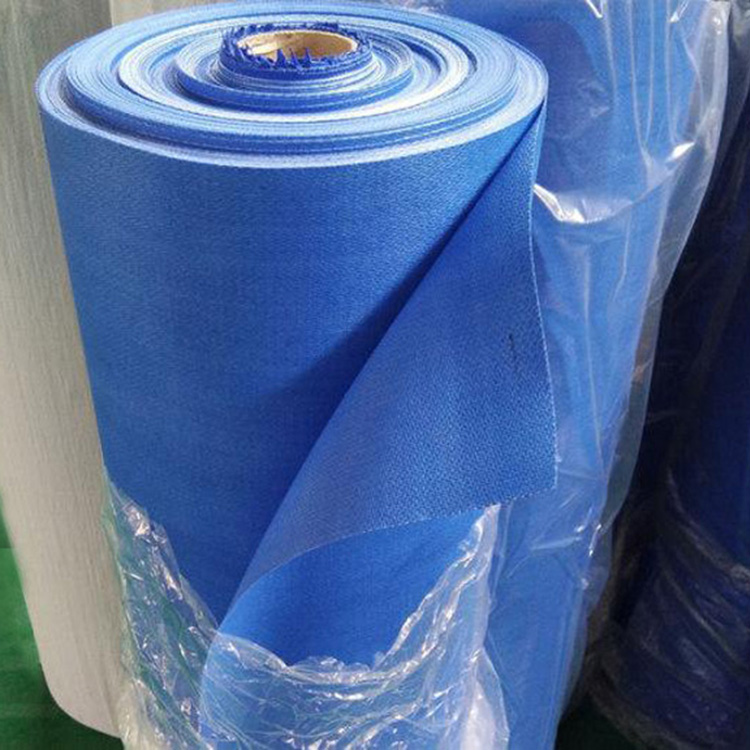
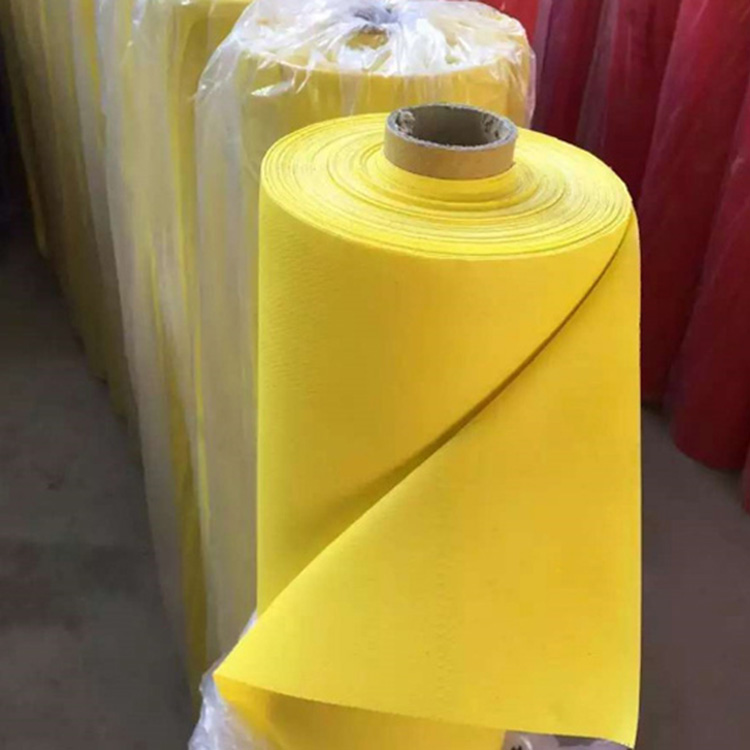
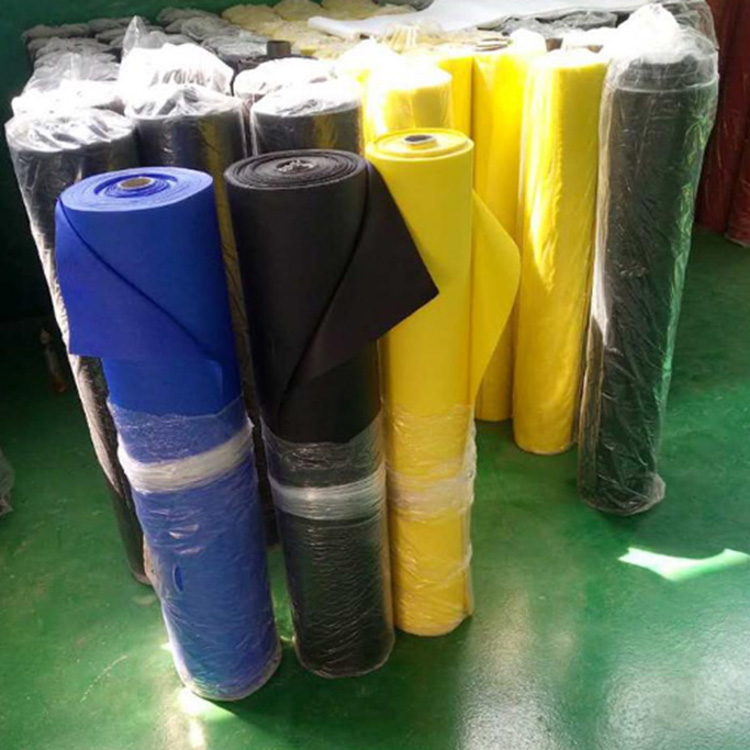

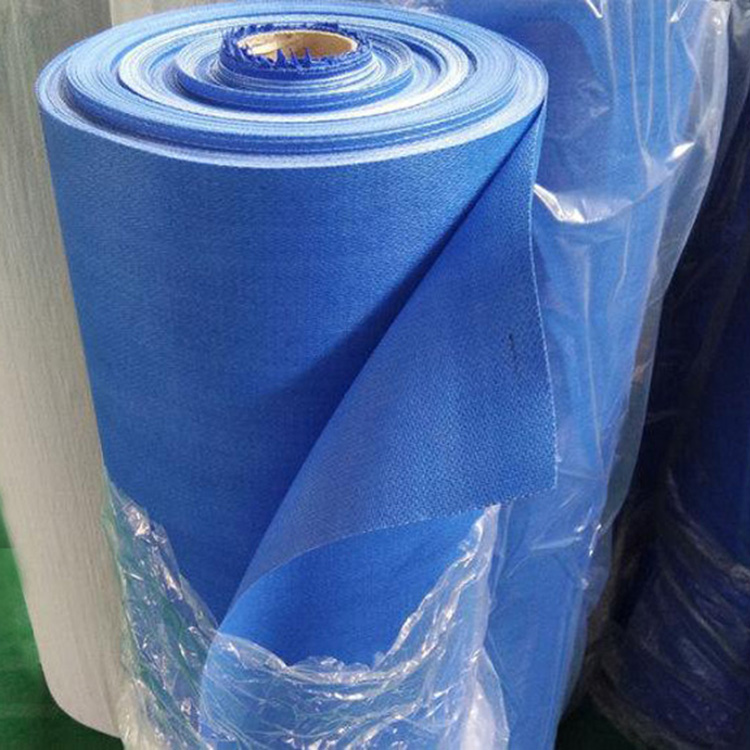
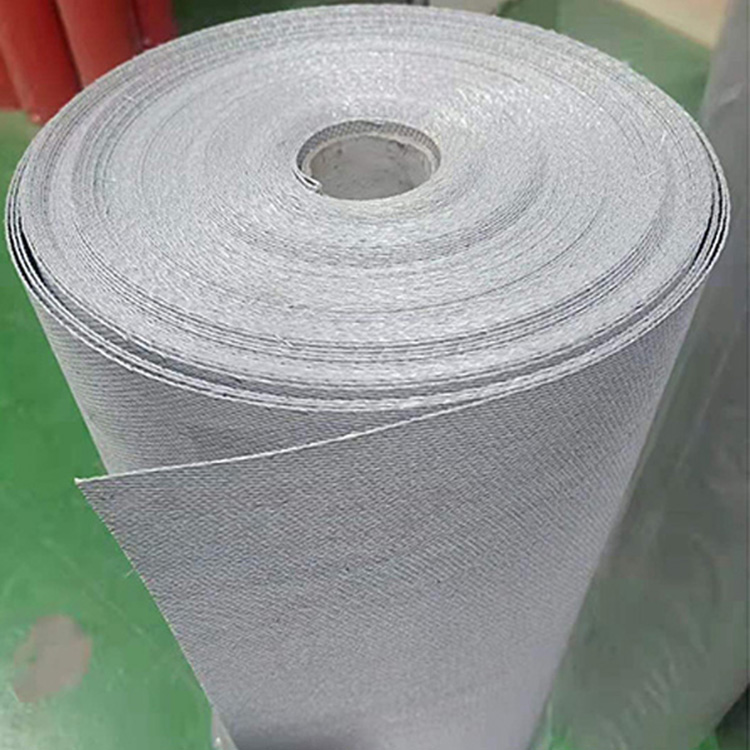
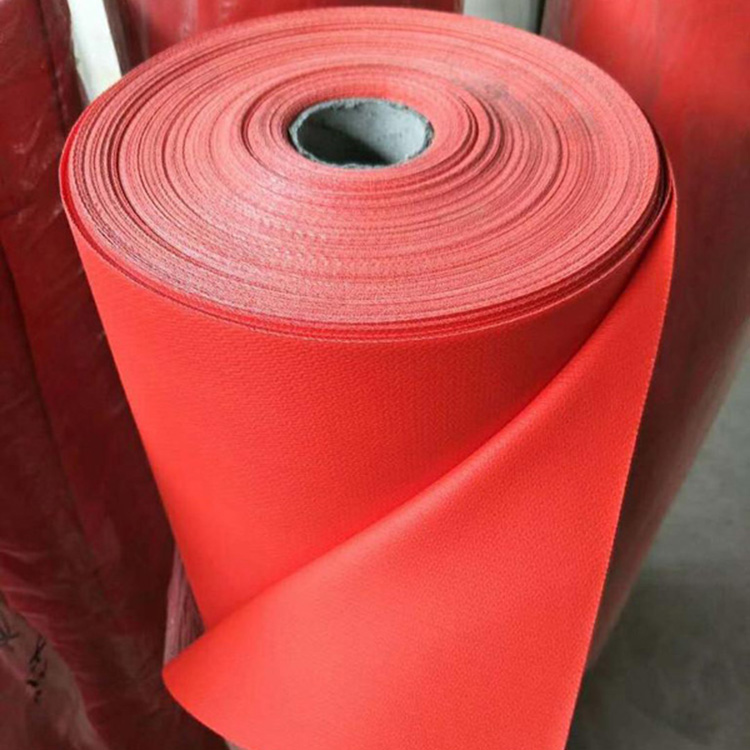
Fire-resistant fabric
Fire-retardant fabric, also known as flame-retardant fabric, can shield us from many external injuries during fires, electrical sparks, and other hazards. It is particularly crucial when workers operate near fire sources, as it can protect both their lives and property during emergencies.
Advantages
1. Electrical Insulation: Fire-resistant fabric offers a high electrical insulation grade, capable of withstanding high voltage loads, and can be made into insulating fabrics, sleeves, and other products.
2. Non-metallic compensator: Fire-resistant fabric can be used as a flexible connecting device for pipelines, which can address the damage caused by thermal expansion and contraction to the pipelines. Silicone fabric has high temperature resistance, corrosion resistance, aging resistance, good elasticity, and flexibility, and can be widely used in the oil, chemical, cement, energy, and other fields.
3. Corrosion Protection: Fire-resistant fabric has strong corrosion resistance, serving as a pipeline, inner and outer protective layer for storage, with excellent corrosion performance and high strength, making it an ideal material for corrosion protection.
4. Temperature Resistance: Strong temperature resistance, serving as fire blanket, fire curtain, and flame-retardant materials.
5. Fire Retardant: The fire-resistant fabric boasts excellent fire-resistant properties, soft texture, and can be made into high-performance firefighting products.
6. Aging Resistance: Fire-resistant fabric exhibits excellent weather resistance, withstands ozone, oxygen, light, and climatic aging, and is widely used for outdoor covering and camping purposes.
7. Other Fields: Fire-resistant fabric materials can be used in construction sealants, high-temperature corrosion-resistant conveyor belts, packaging materials, and other fields.
The above details the uses of fire-resistant fabric, its wide applications have made it an indispensable material in fire prevention fields.
