
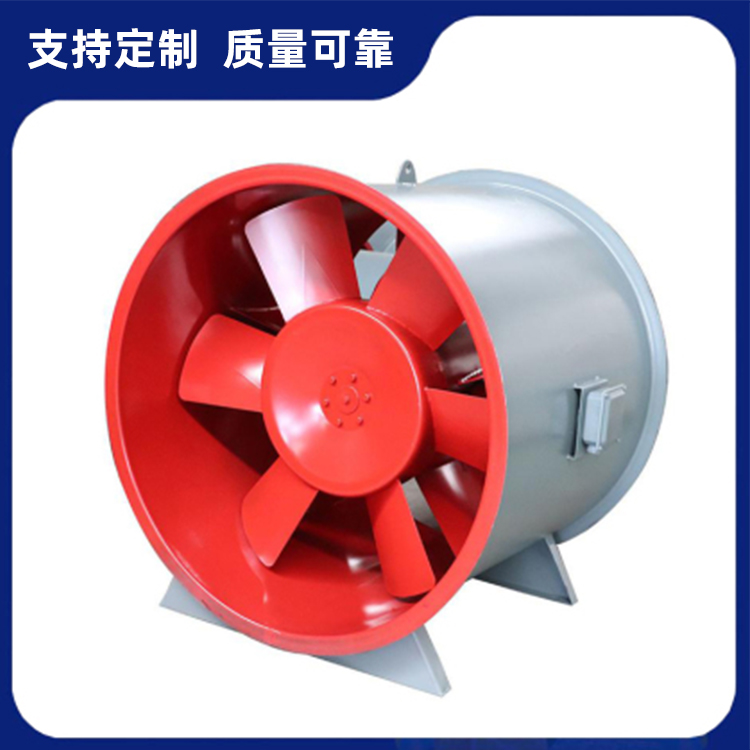
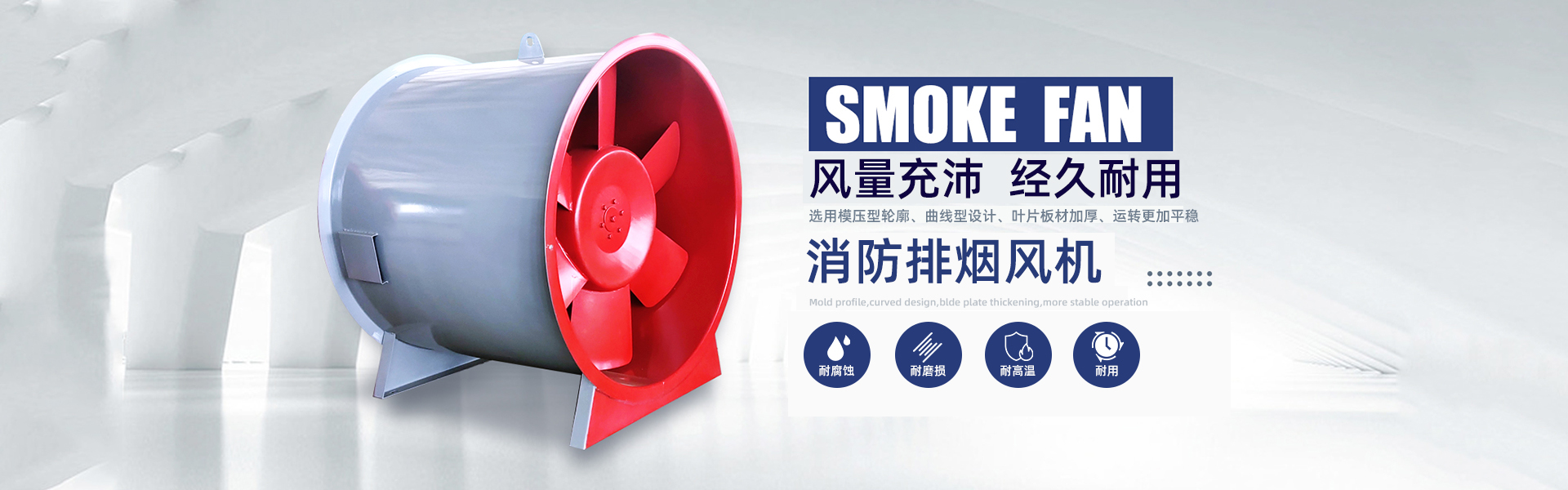
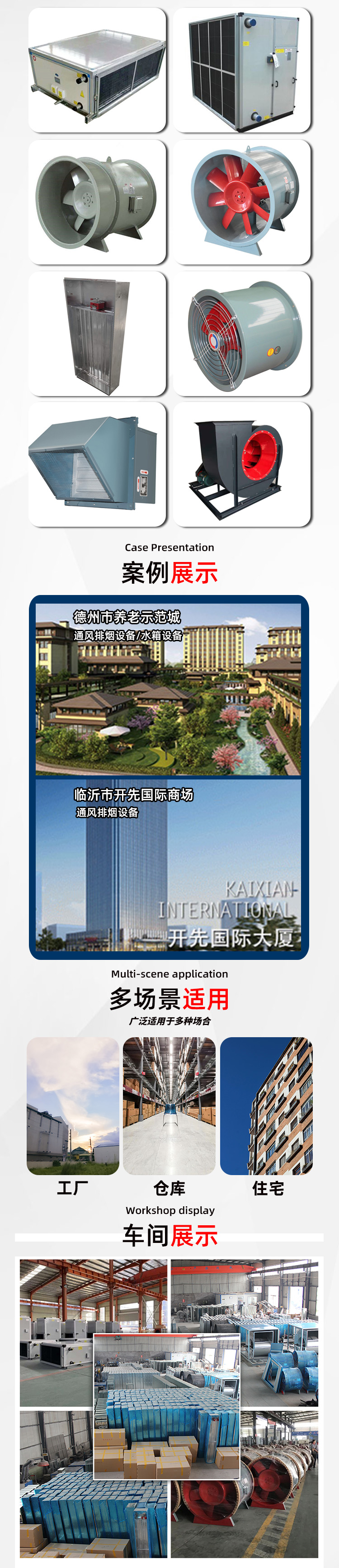
 HTF High-Temperature Fire Duct Smoke Extractor Fan
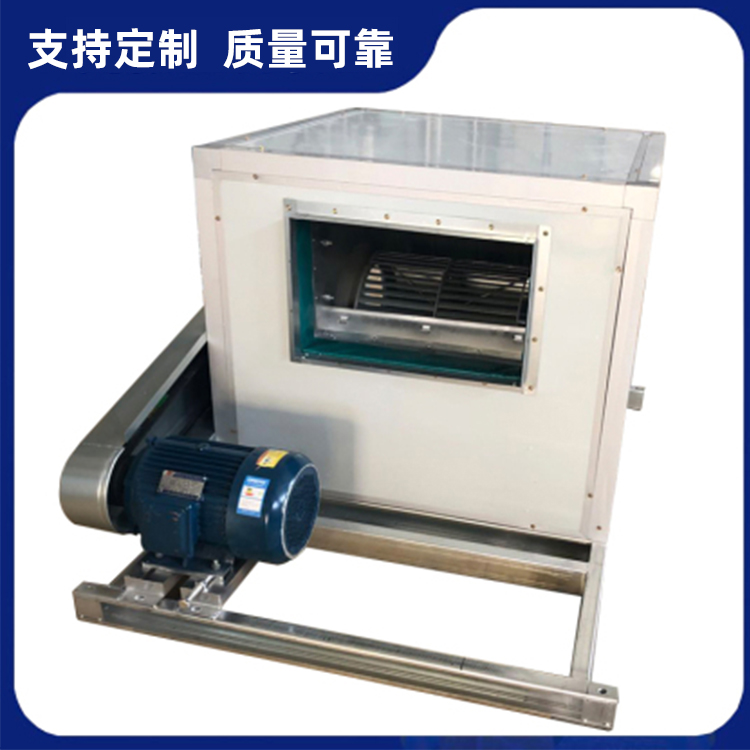 HTFC Package-type Centrifugal Fan Cabinet
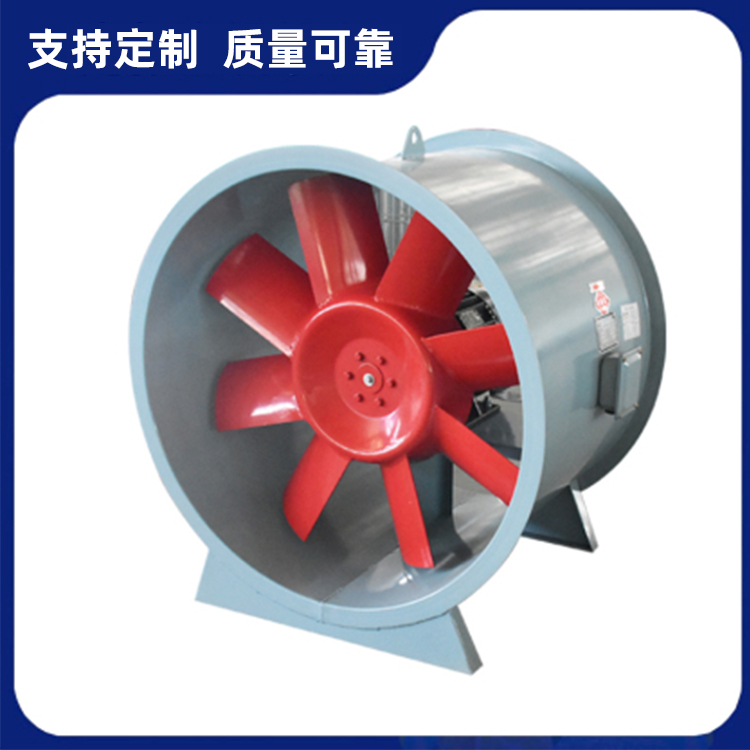 Mixed Flow Fan (SWF)
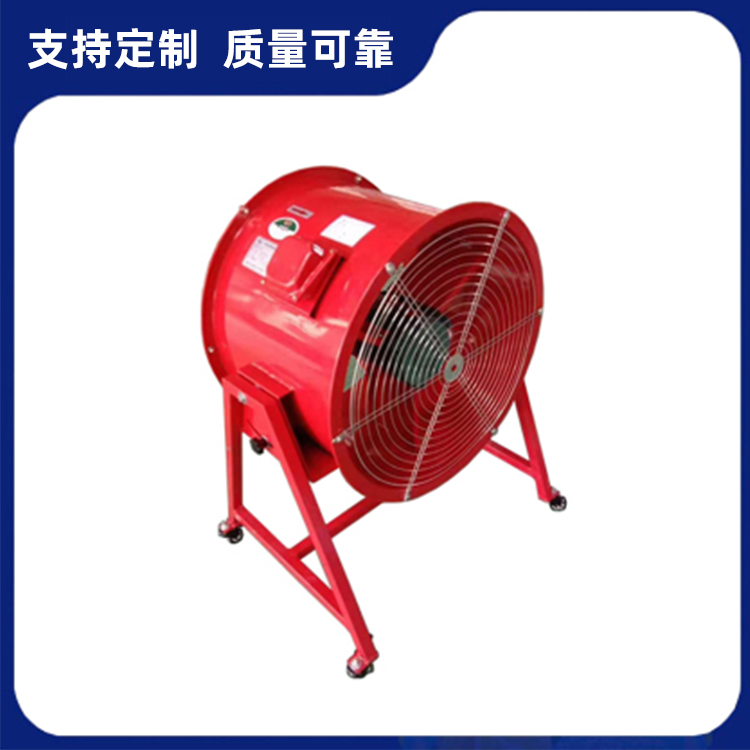 Axial Flow Fan
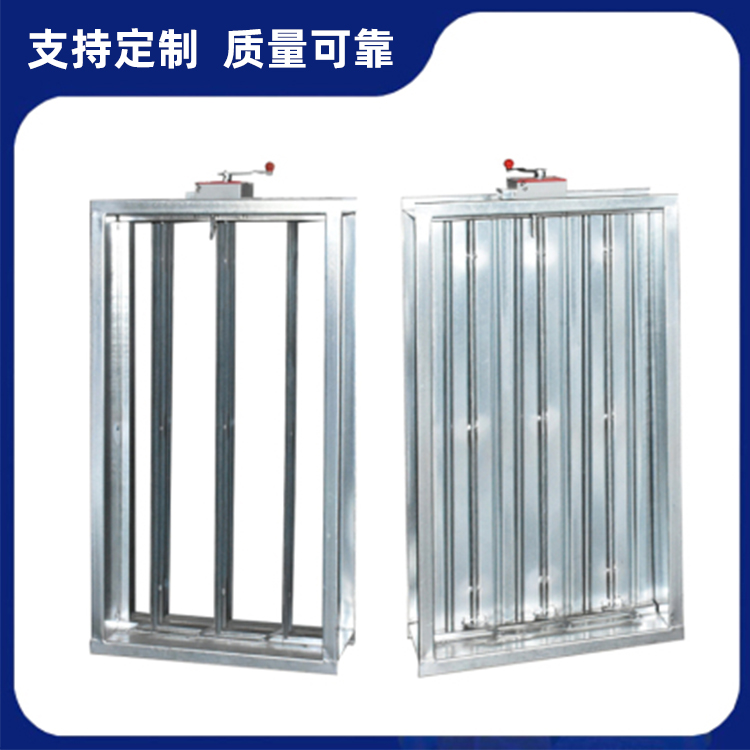 3C Fireproof Valve
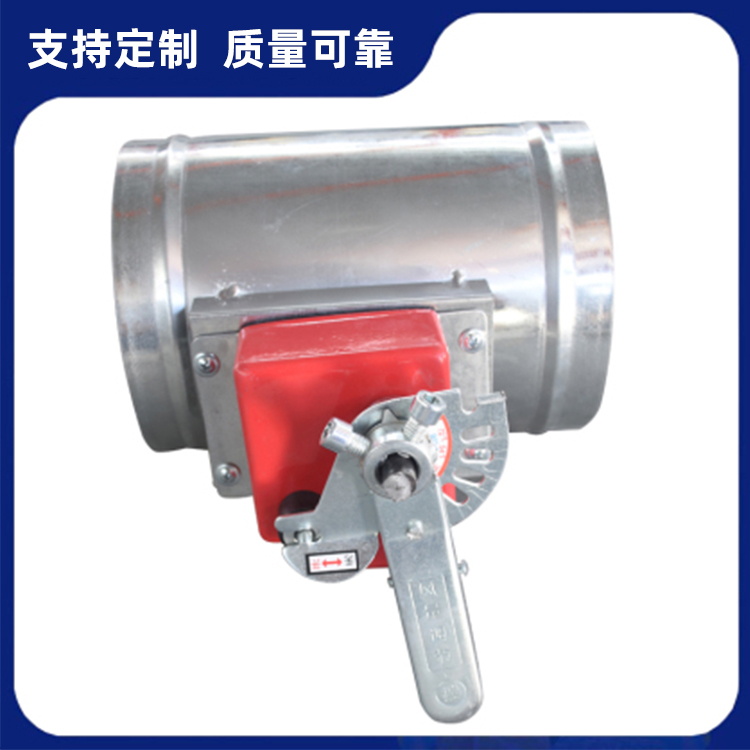 Recessed fire damper
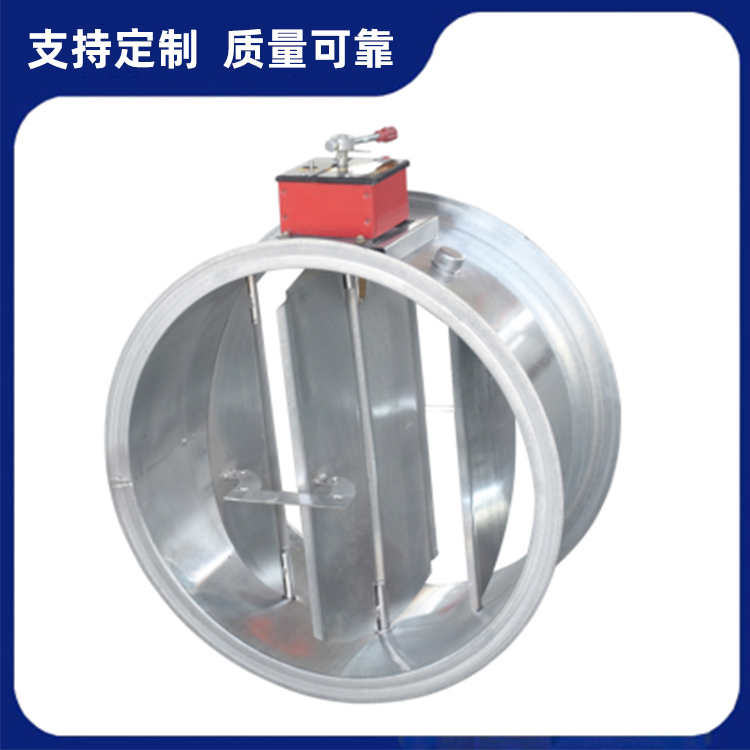 Circular fire damper
Product Details


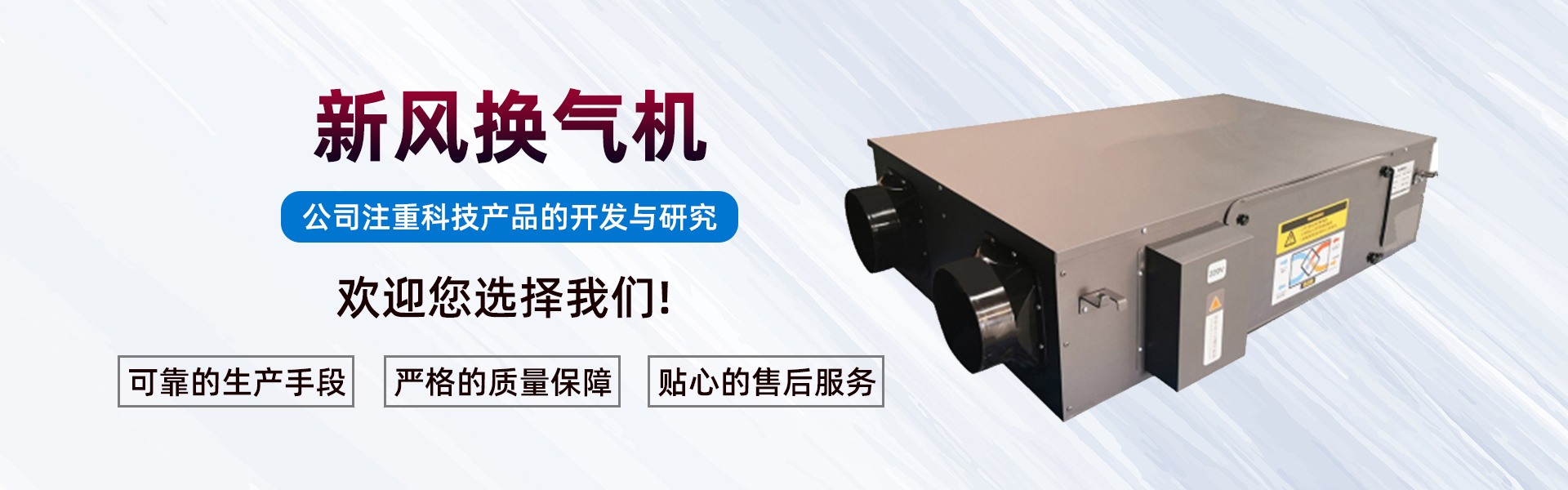
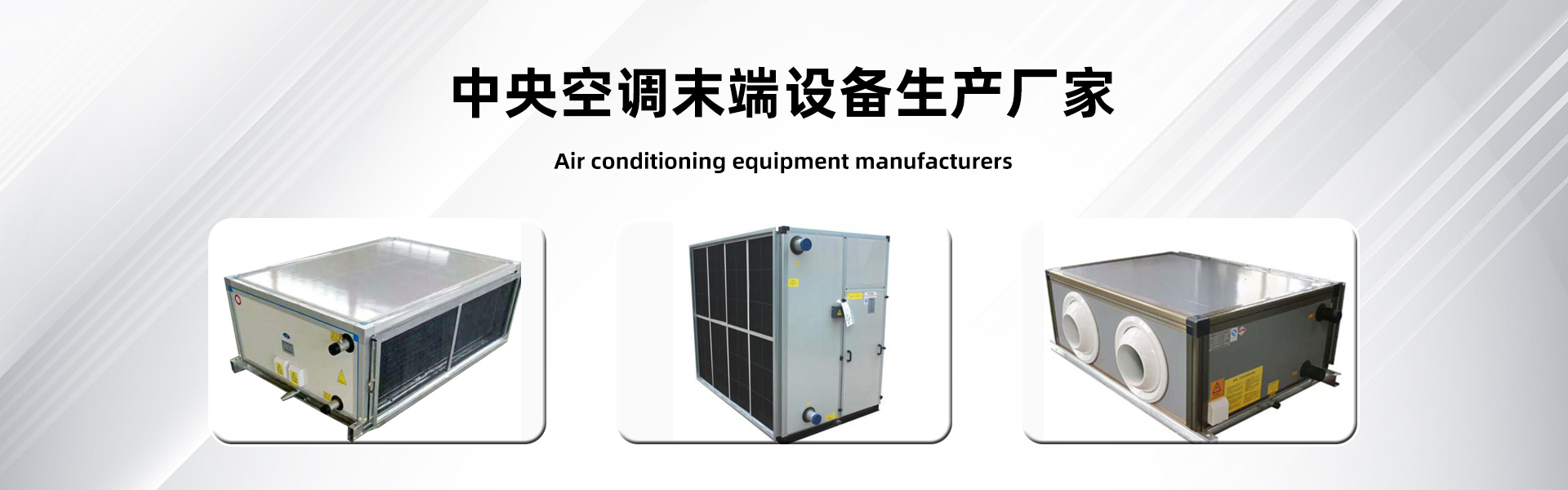
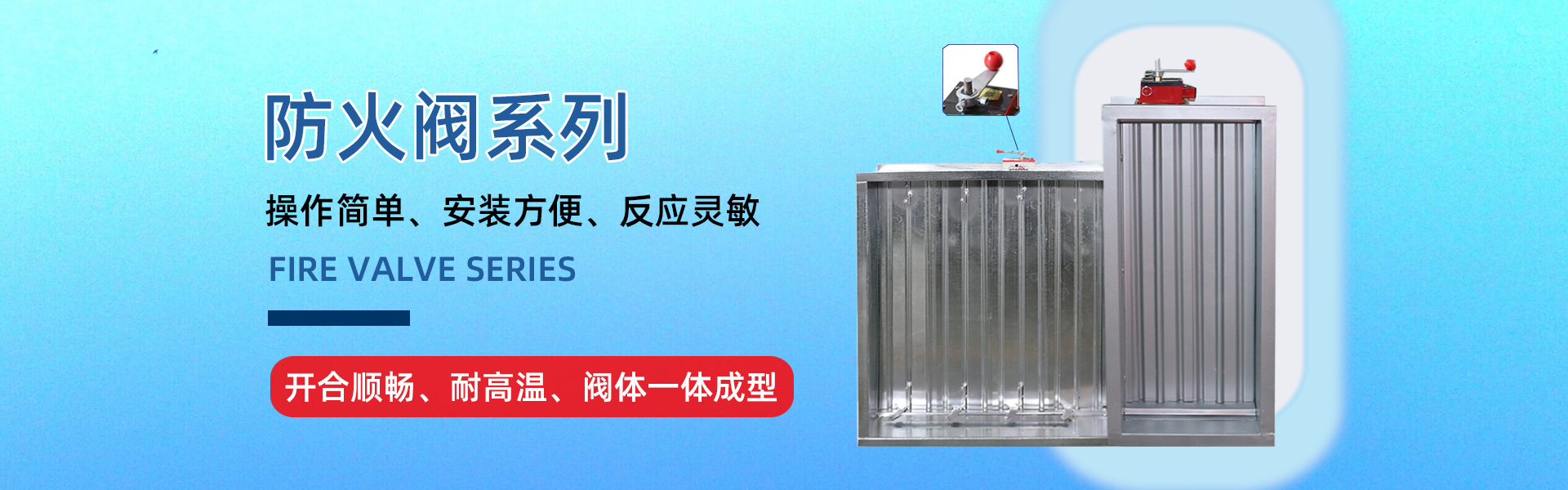
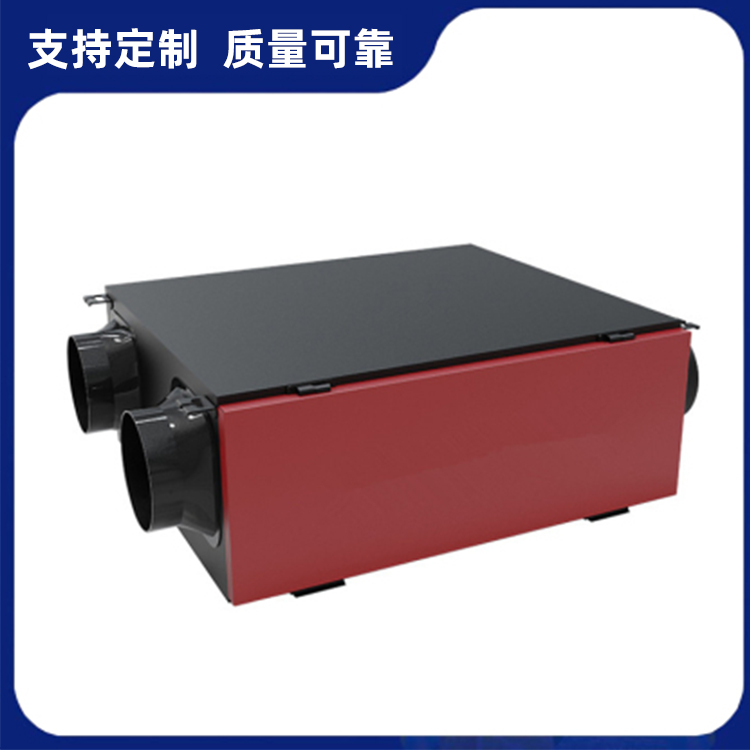
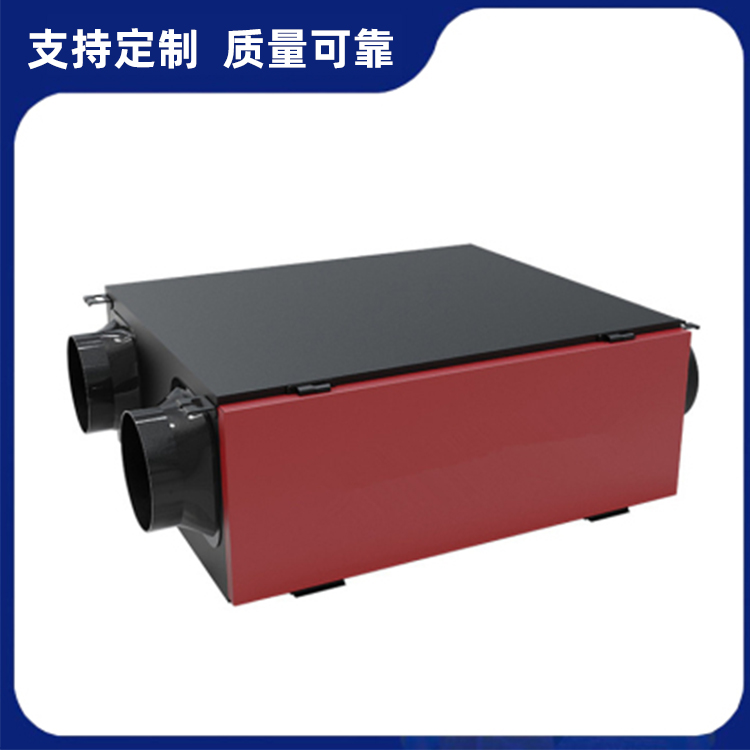
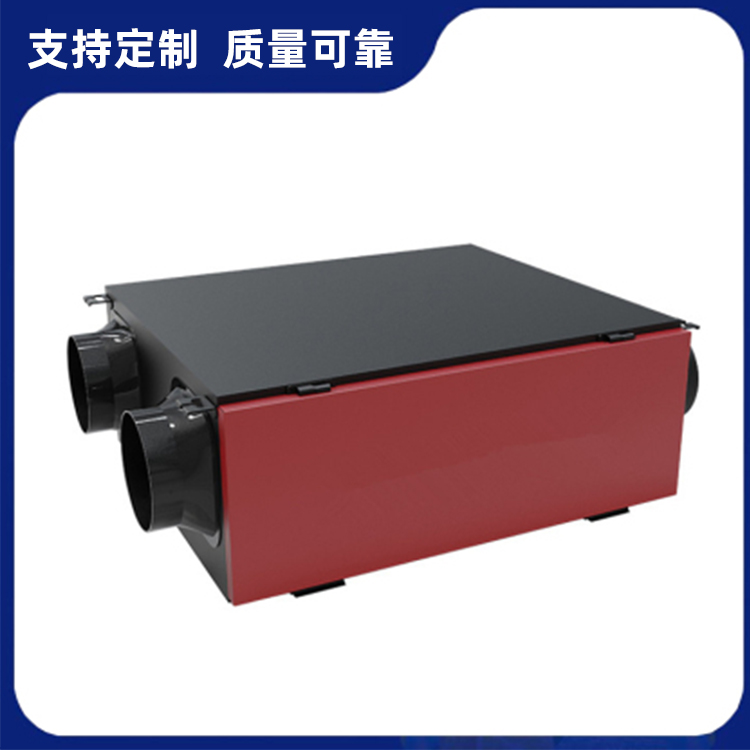
产品Price Negotiable
最小起订Quantity: 供货总Quantity:


Product Performance |
|
Product Quality |
Reliable |
Specs |
Comprehensive |
Heat transfer is primarily achieved through direct contact of cold and hot fluids. Generally, with no solid walls or dirt on both sides, the heat transfer rate is relatively high. Therefore, for normal operation, it is necessary to maintain good contact between the fluids to ensure optimal equipment performance. The air-to-air heat exchanger operates based on the "reversed Carnot" principle. To put it visually, the "outdoor unit" acts like a compressor, compressing air to raise its temperature. This heated air then transfers heat to the indoor storage tank through a liquid that boils at -17°C, and the heat is released and conducted into the water. Using the heat pump's heating principle, it contrasts with air conditioning cooling—where the national refrigeration standard is 1000 watts, electric cooling requires 2800 watts. According to the principle of heat balance, it also generates 2800 watts less heat, plus the input of 1000 watts of electricity, resulting in a total heat output of 3000 to 4000 watts. These heat are then transferred to the insulation tank, with an energy consumption just one-fourth of an electric water heater.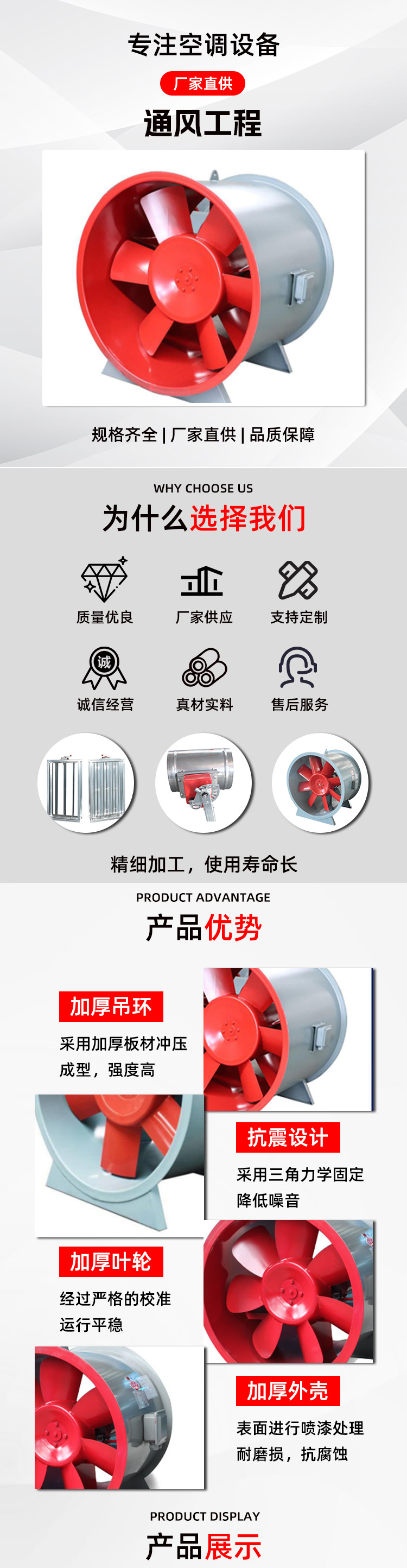

Phone Consultation