
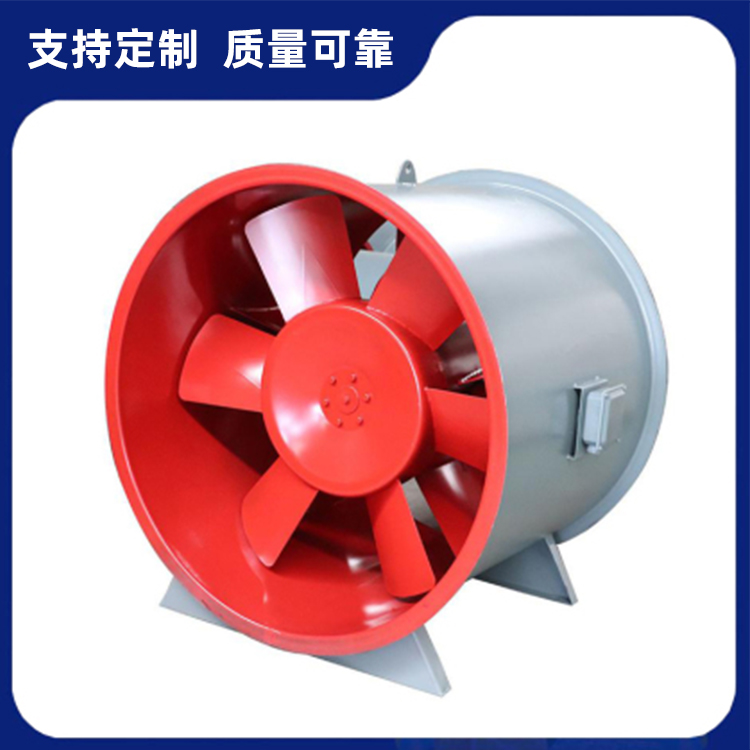
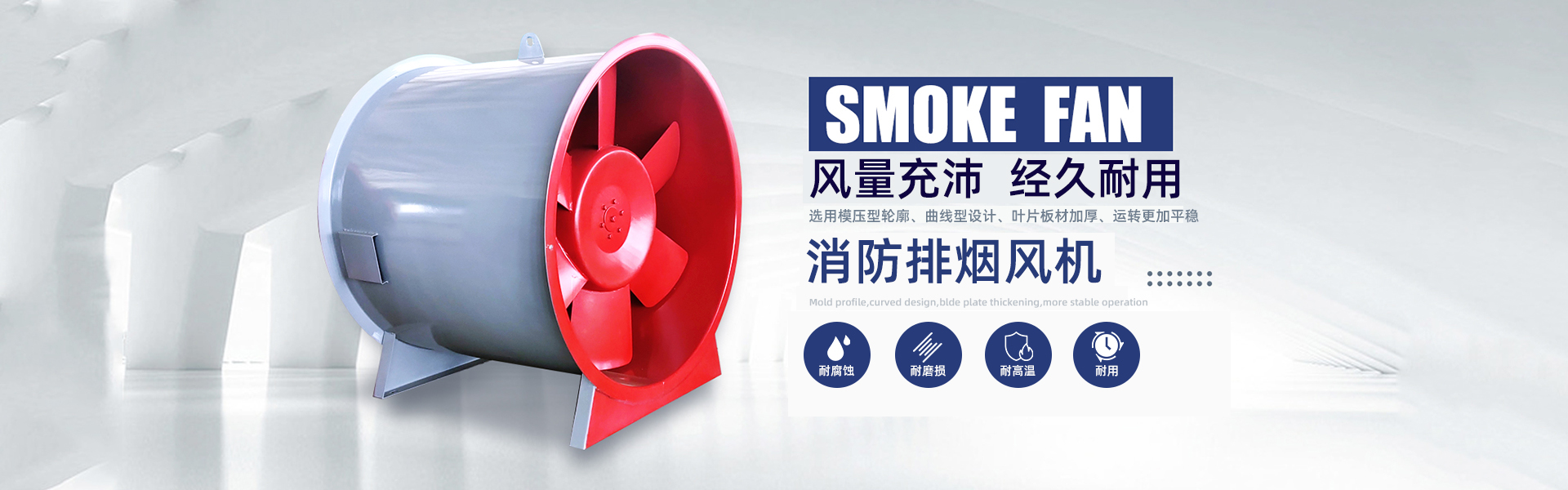
 HTF High-Temperature Fire Duct Smoke Extractor Fan
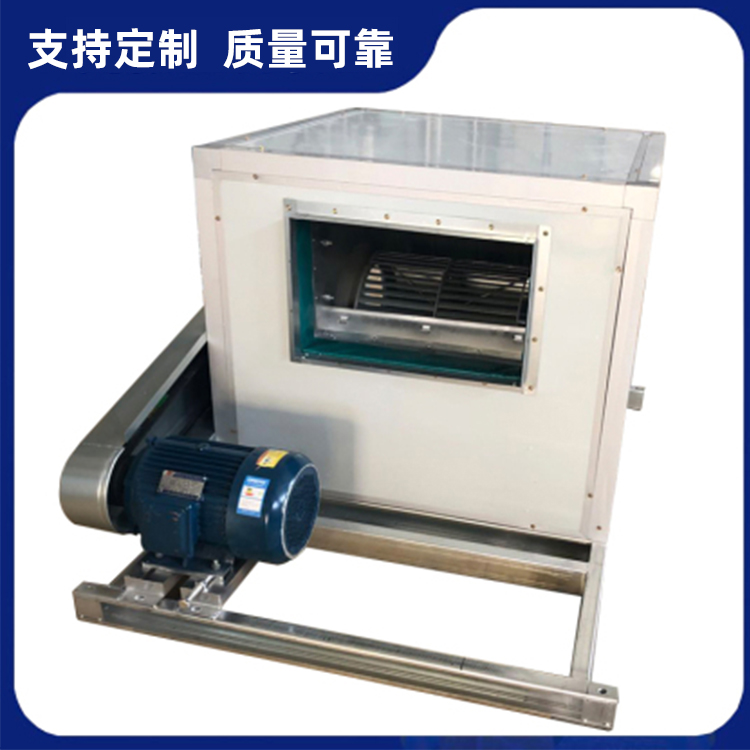 HTFC Package-type Centrifugal Fan Cabinet
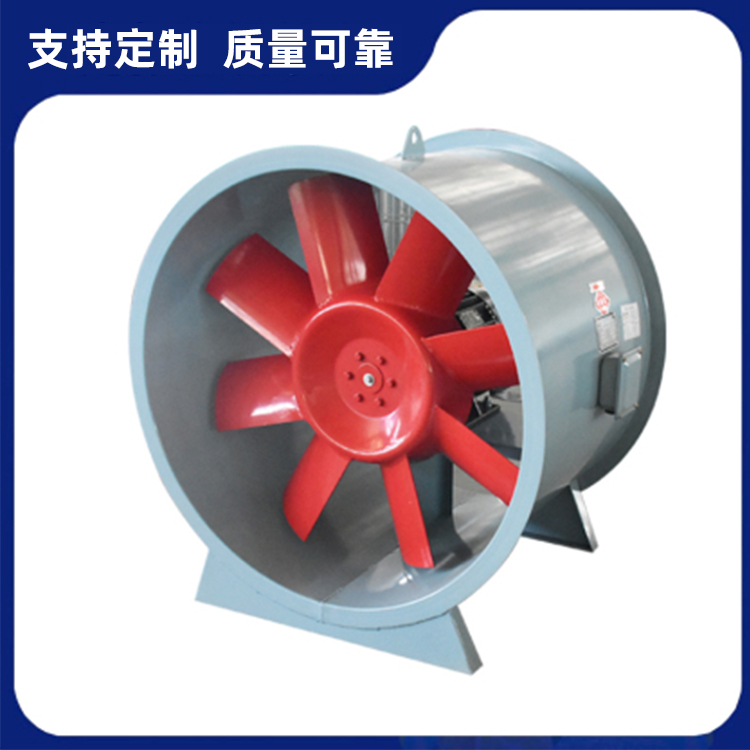 Mixed Flow Fan (SWF)
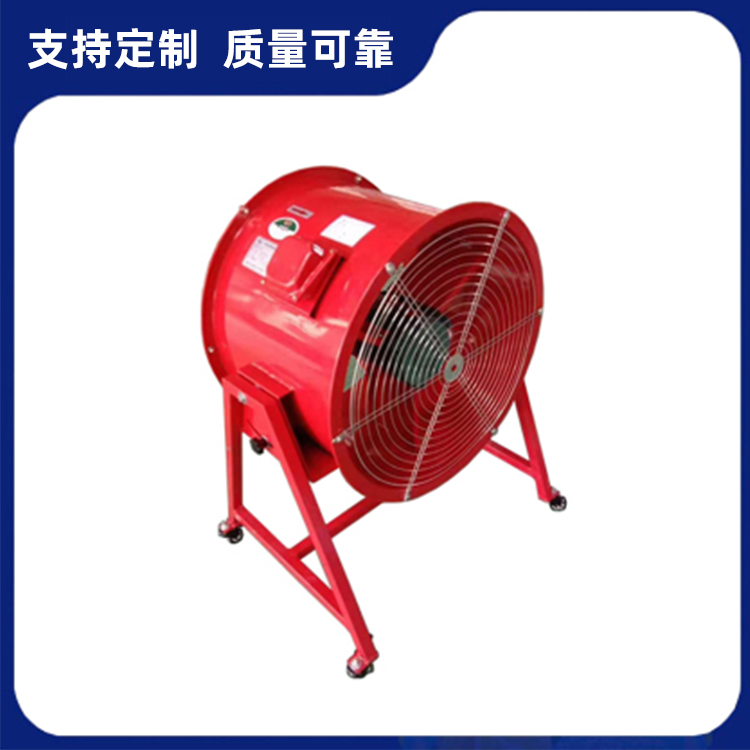 Axial Flow Fan
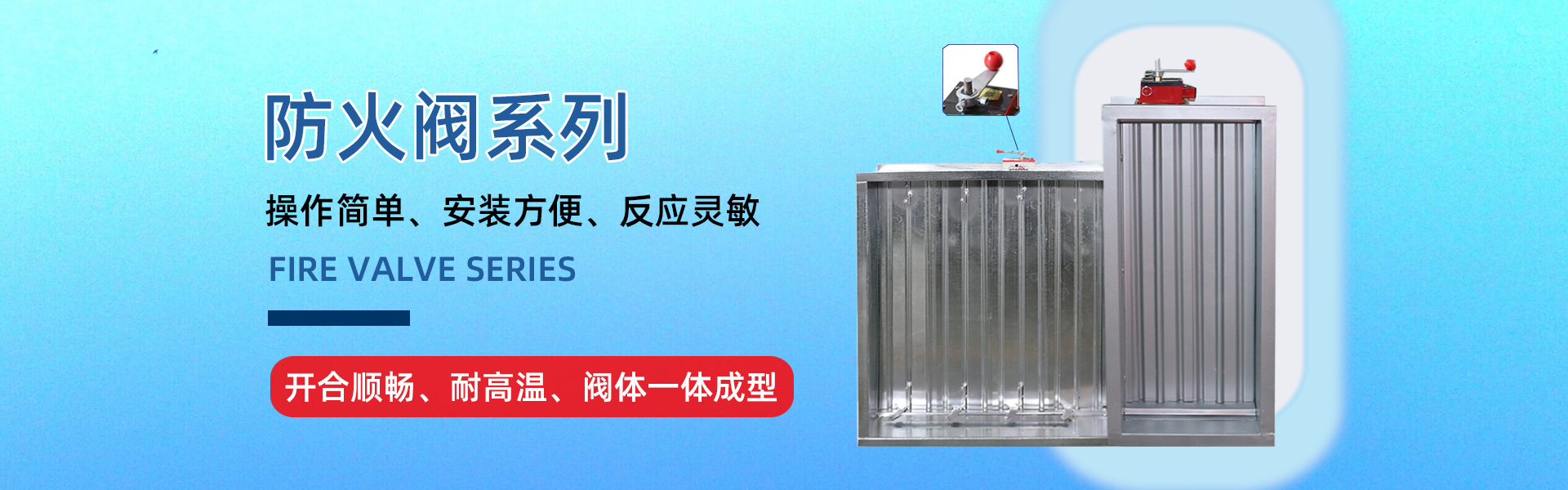
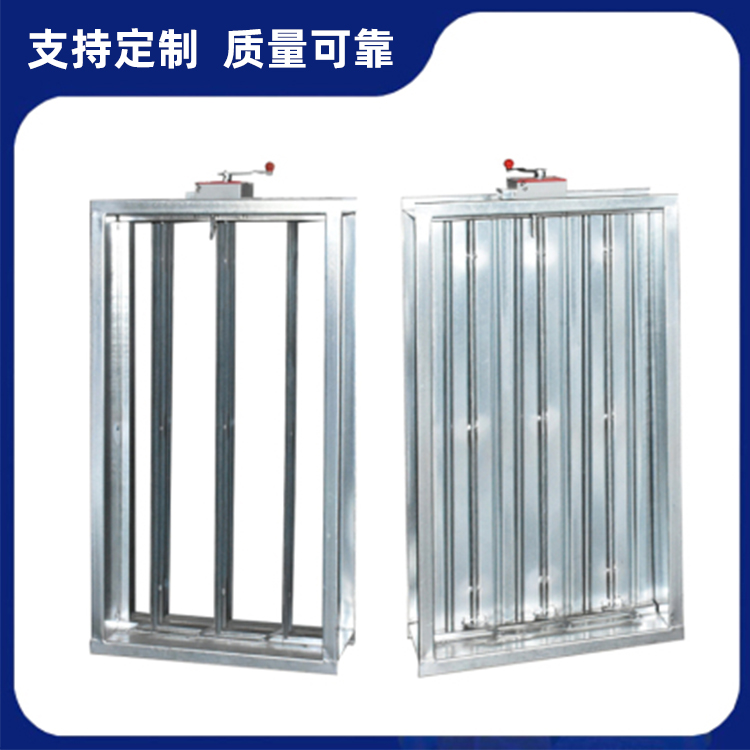 3C Fireproof Valve
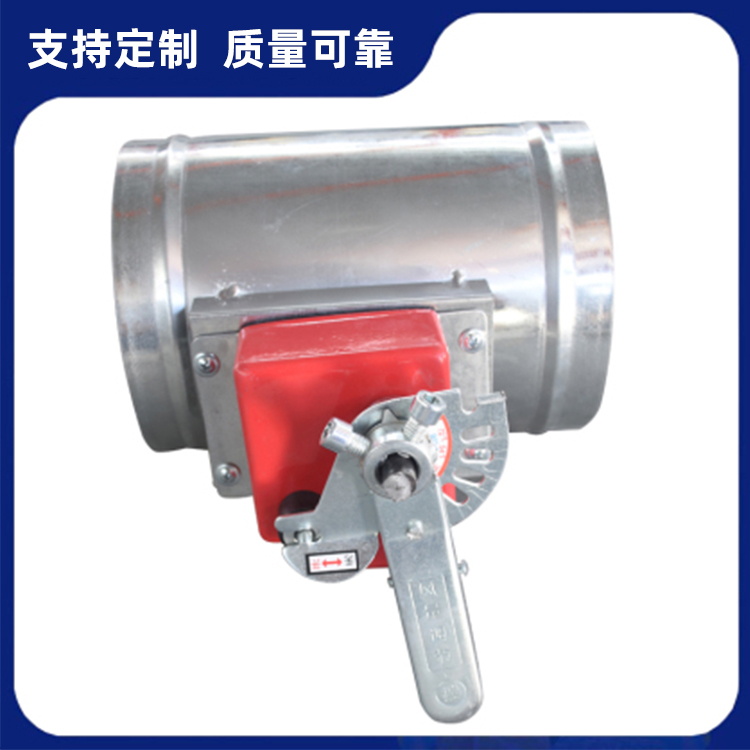 Recessed fire damper
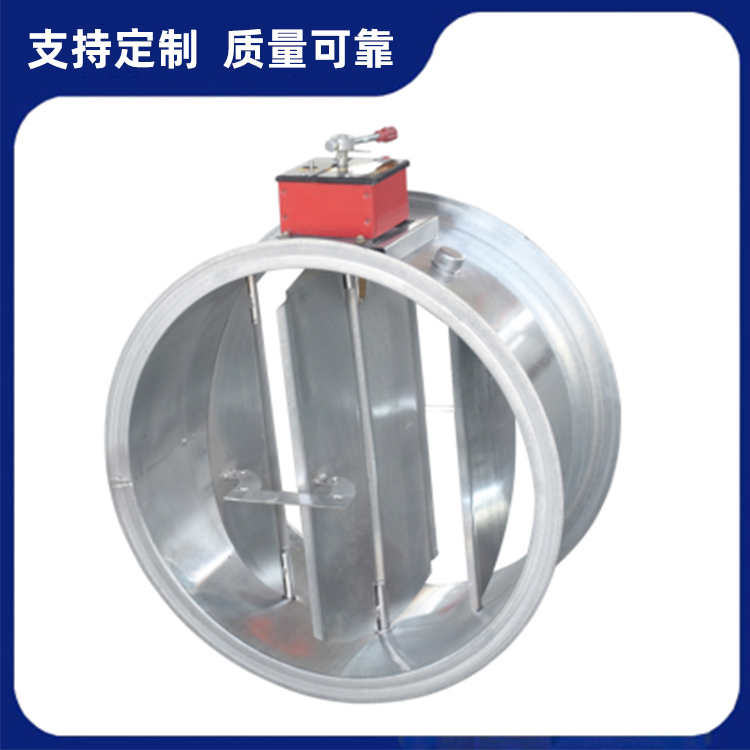 Circular fire damper
Product Details



产品Price Negotiable
最小起订Quantity: 供货总Quantity:


Product Performance |
|
Product Quality |
Reliable |
Specs |
Complete |
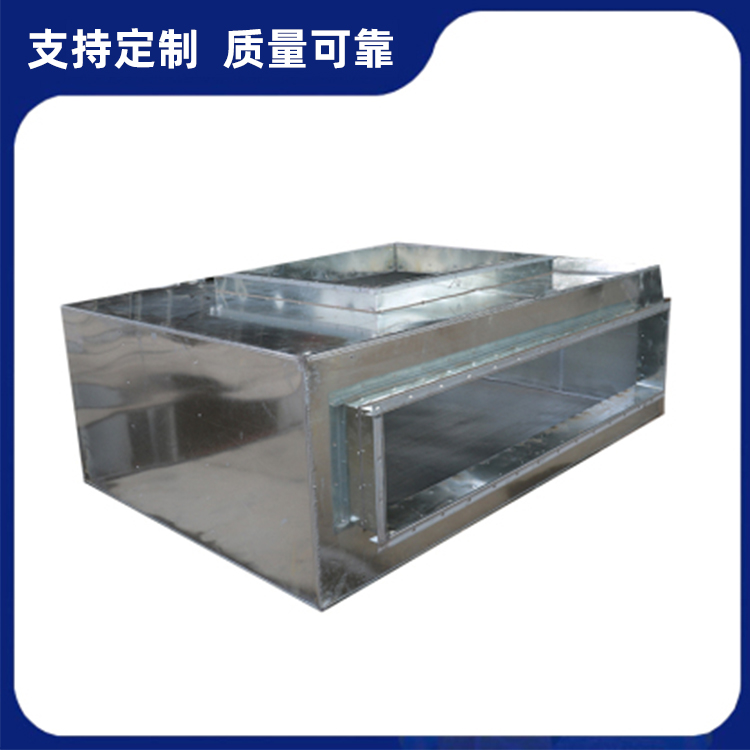
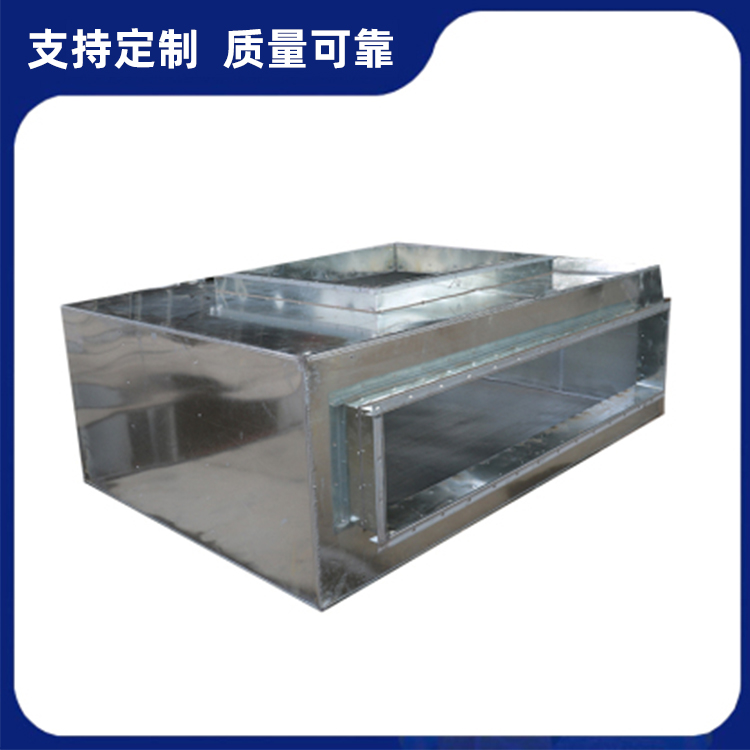
The silencer-quiet box is a necessary accessory for the air supply system to reduce dynamic pressure, increase static pressure, stabilize airflow, and decrease airflow vibration, making the air supply effect more ideal. A static pressure box is a device that allows airflow to pass through while effectively preventing or reducing the transmission of sound energy outward. Silencing Classification 1. Damping muffler: It absorbs sound energy to reduce noise by incorporating absorbent material within the enclosure, typically used to eliminate high and mid-frequency noises. However, due to its structure, it is not suitable for high temperature, high humidity, and high-speed conditions. 2. Resonant muffler: It reduces noise by altering the cross-section. The silencing static pressure boxes we commonly use operate on this principle. Typically, it reduces medium and low-frequency noise and has no specific requirements for the air system. 3. Impedance Composite Type: It combines the structural principles of both. It can eliminate low, medium, and high-frequency noises. However, it has the same requirements for the air system as resistive silencers. Resistive silencers have good medium and high-frequency noise reduction performance. Depending on the geometric shape of the airflow channel, they can be categorized into straight tube, plate, corrugated plate, labyrinth, honeycomb, acoustic flow, baffle, elbow, and other types. Resistive silencers are suitable for eliminating medium and low-frequency noises or narrowband noises. According to their different working principles, they can be divided into expansion type, resonance cavity type, and interference type, among others. The impedance composite silencer incorporates resonant cavities, expansion chambers, perforated screens, and other acoustic filter devices, combining the good medium and high-frequency noise reduction characteristics of resistive silencers with the better low-frequency noise reduction characteristics of impedance silencers, thus offering a broad noise reduction frequency range. It is one of the commonly used standard silencer series. Suitable wind speed ranges from 6 to 8 meters per second, with a maximum of up to 8 to 12 meters. It can be used independently or in series. 1. Convert some dynamic pressure to static pressure for the wind to travel further. 2. Noise reduction capability 3. Uniform air volume distribution 4. The static pressure box can be used to reduce noise and achieve uniform static pressure airflow, thereby reducing dynamic pressure loss. It also serves as a universal connector. Properly integrating the static pressure box into the ventilation system can enhance the overall performance of the ventilation system. Establishment Principles: 1. When a larger diameter change is required for the ductwork but the installation distance on-site is insufficient to meet the required length for the change, consider manufacturing a static pressure box. 2. When interfacing ductwork with air conditioning equipment (PAU, AHU, FAN, etc.), they are typically connected via a static pressure box.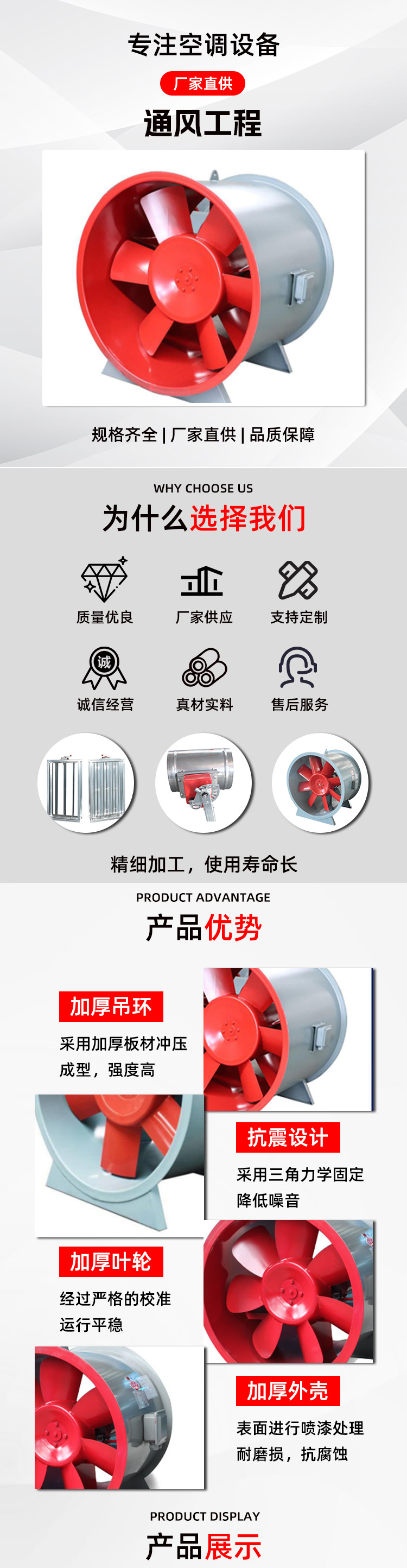

Phone Consultation