
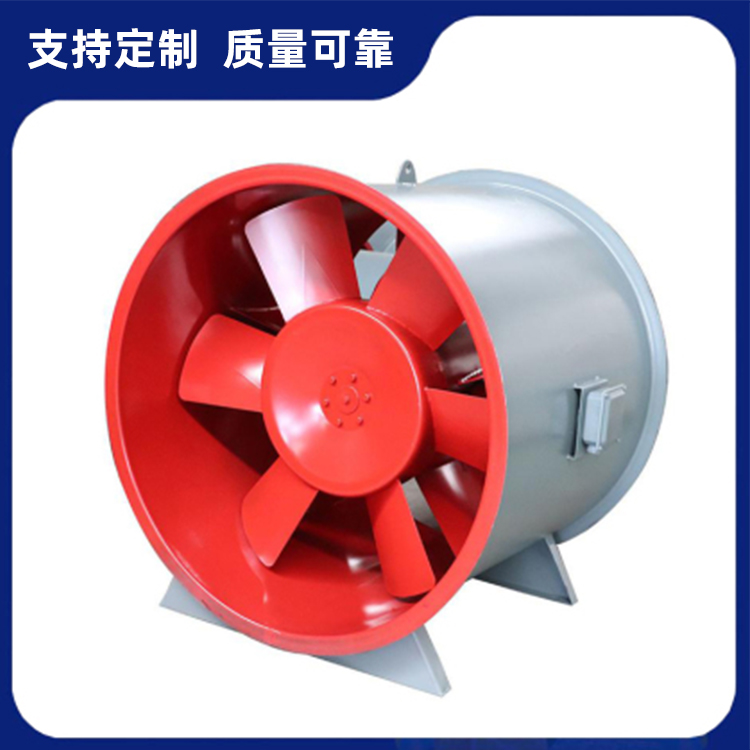
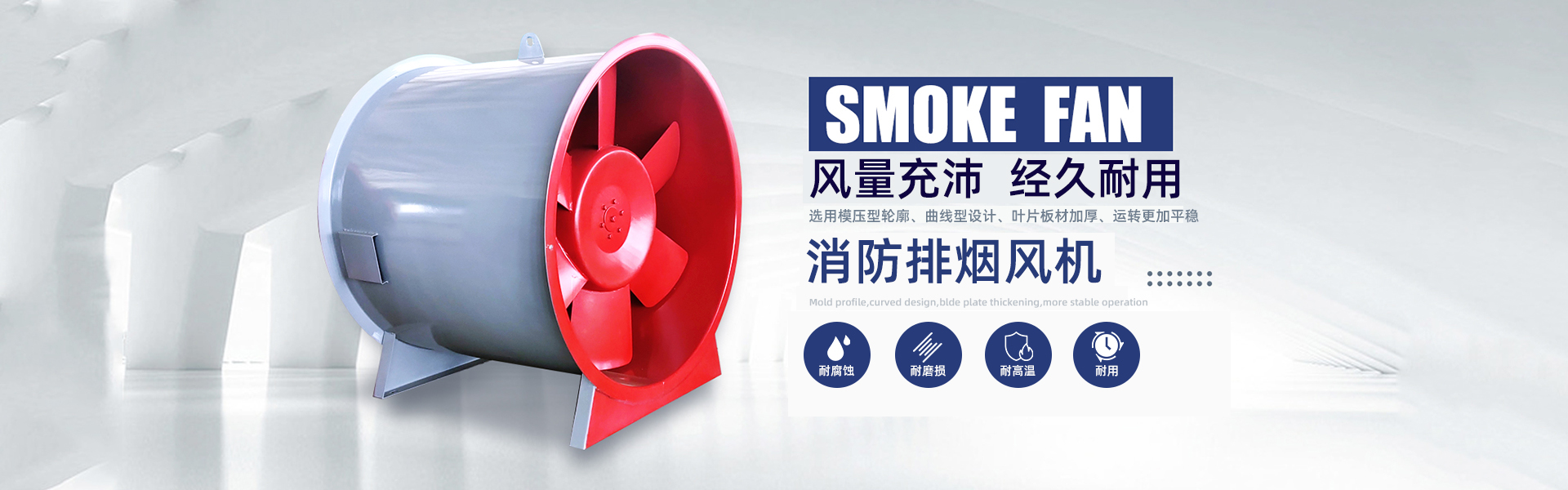
 HTF High-Temperature Fire Duct Smoke Extractor Fan
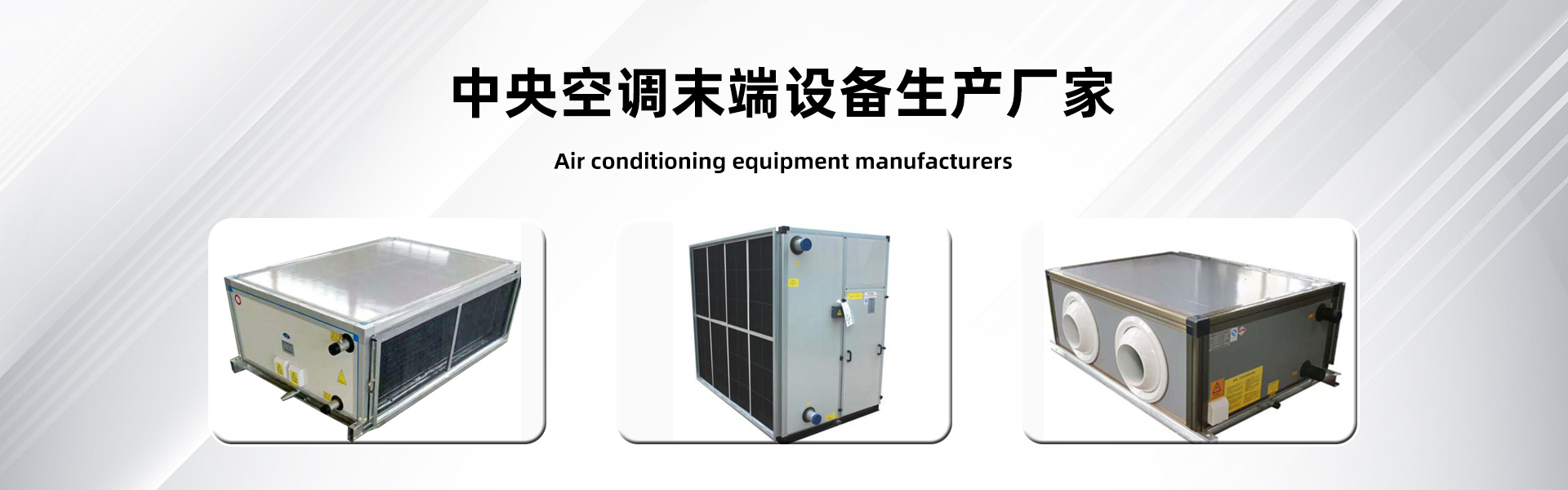
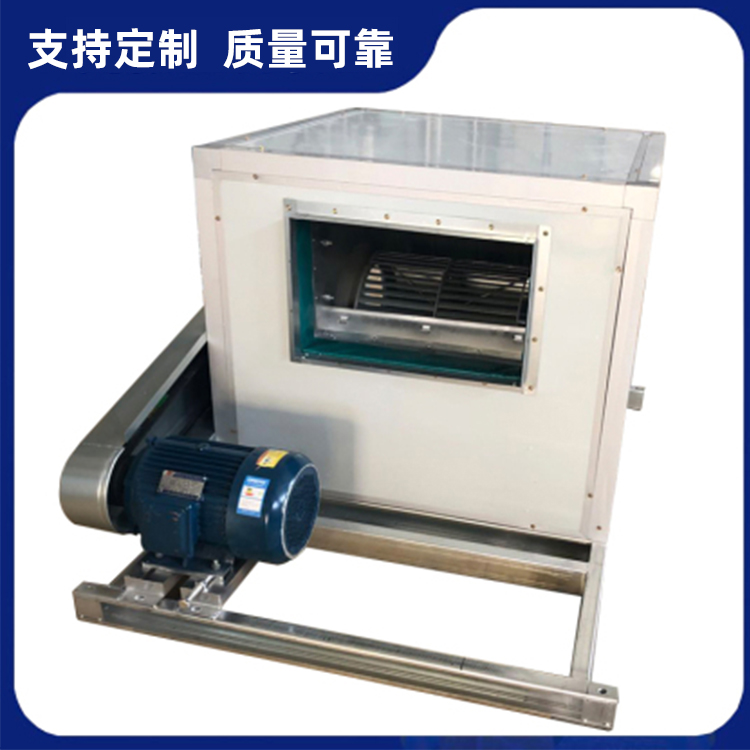 HTFC Package-type Centrifugal Fan Cabinet
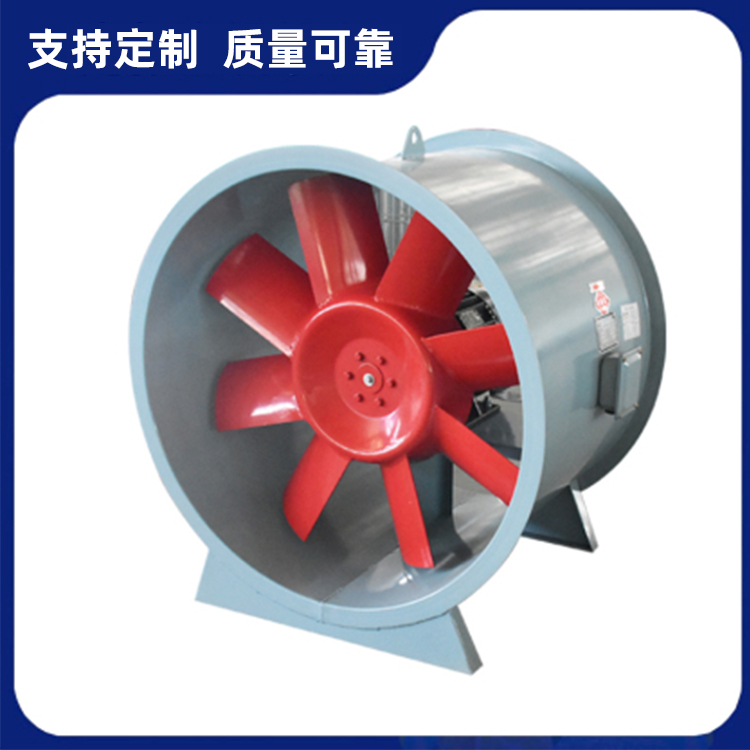 Mixed Flow Fan (SWF)
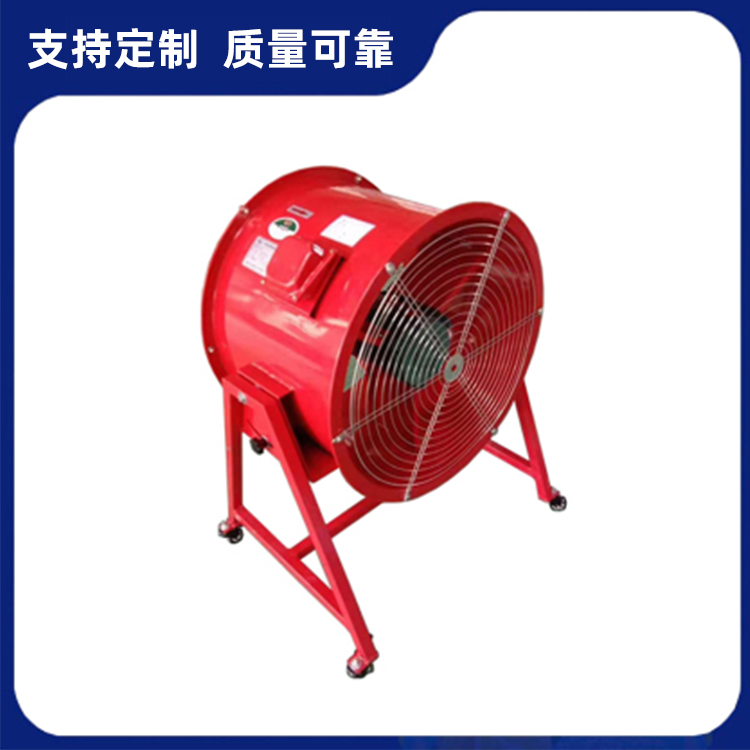 Axial Flow Fan
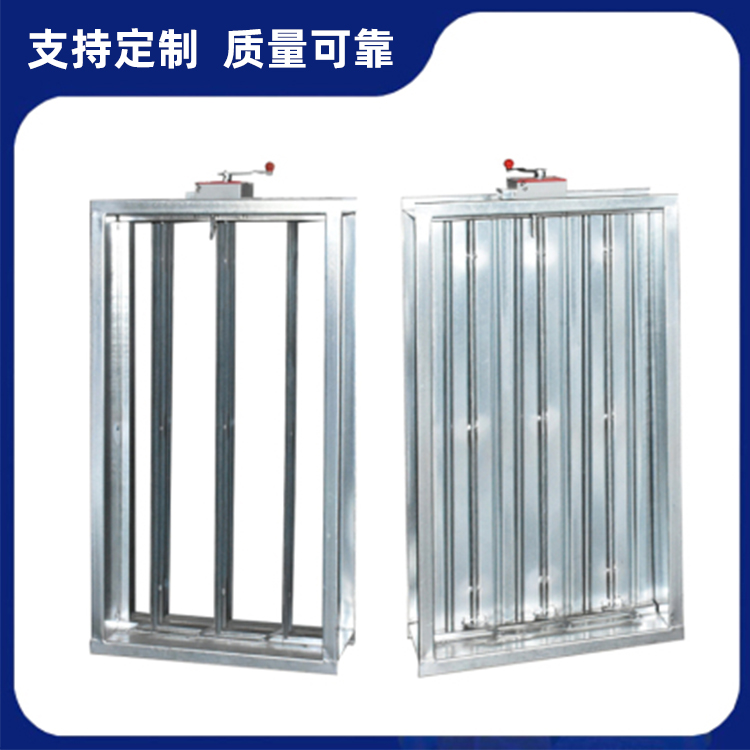 3C Fireproof Valve
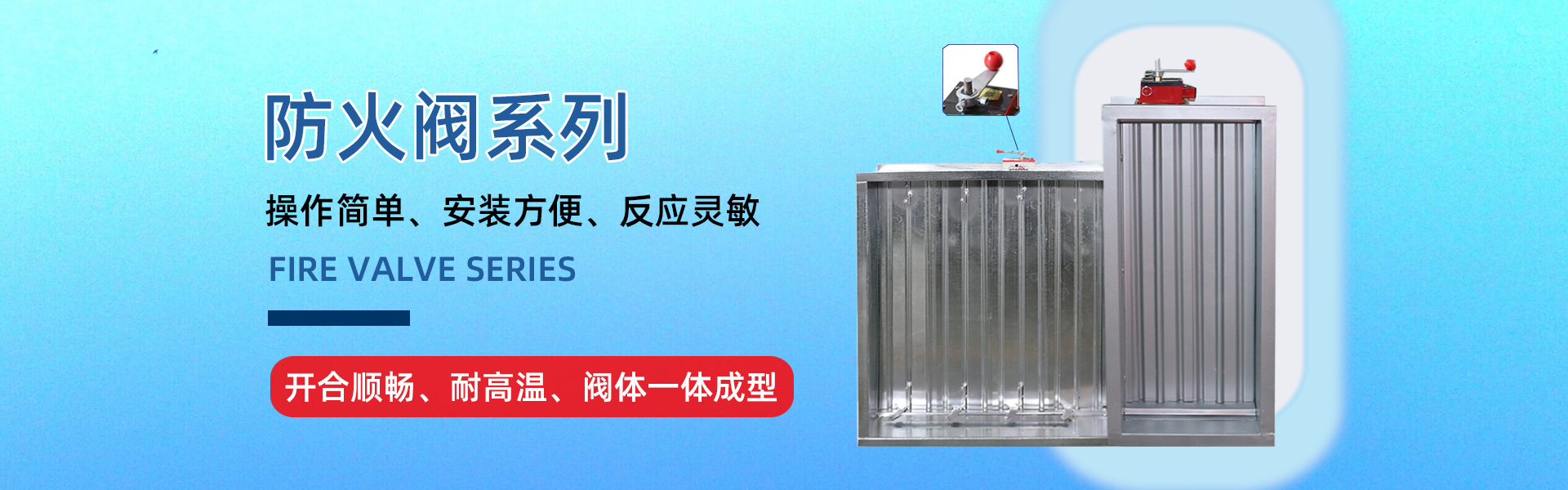
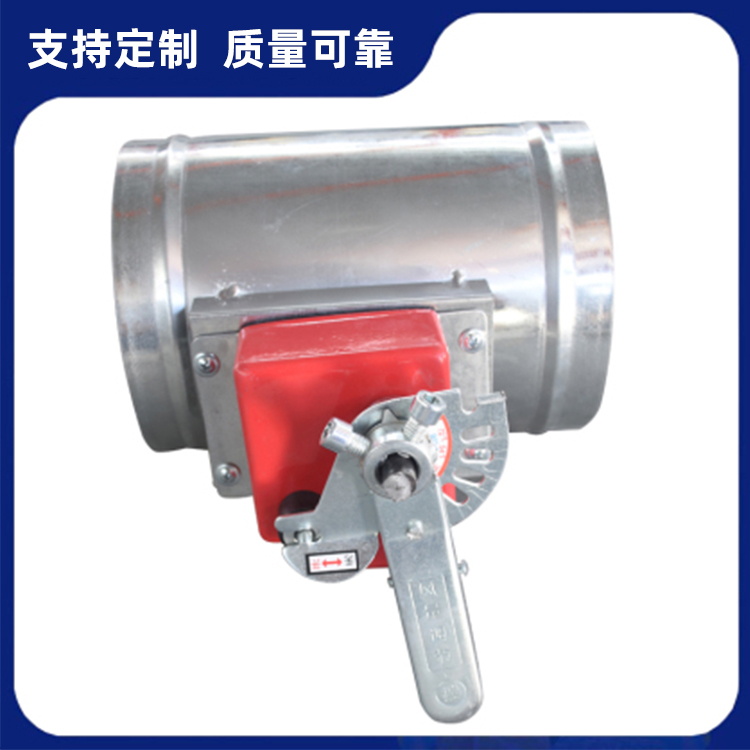 Recessed fire damper
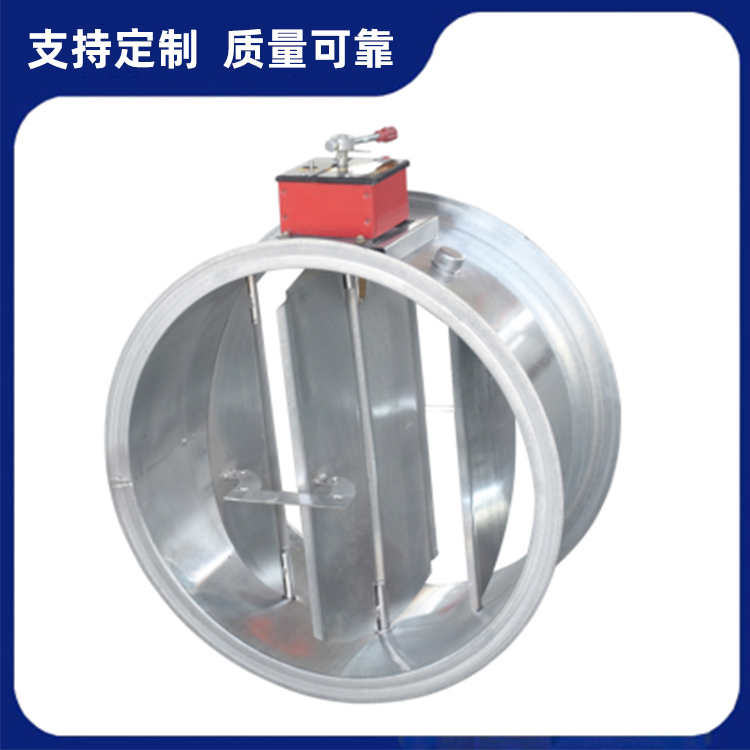 Circular fire damper
Product Details



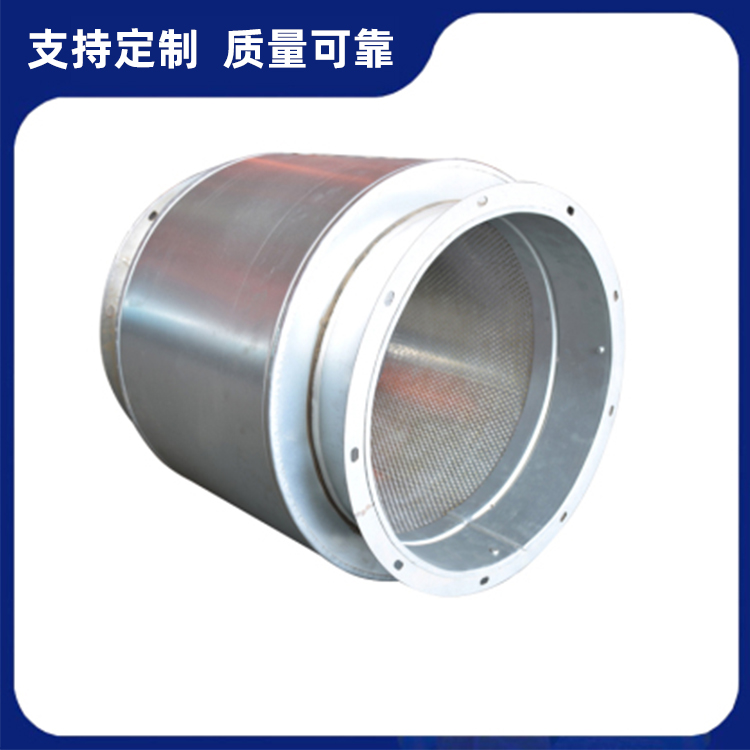
产品Price Negotiable
最小起订Quantity: 供货总Quantity:


Product Performance |
|
Product Quality |
Reliable |
Specs |
Comprehensive |
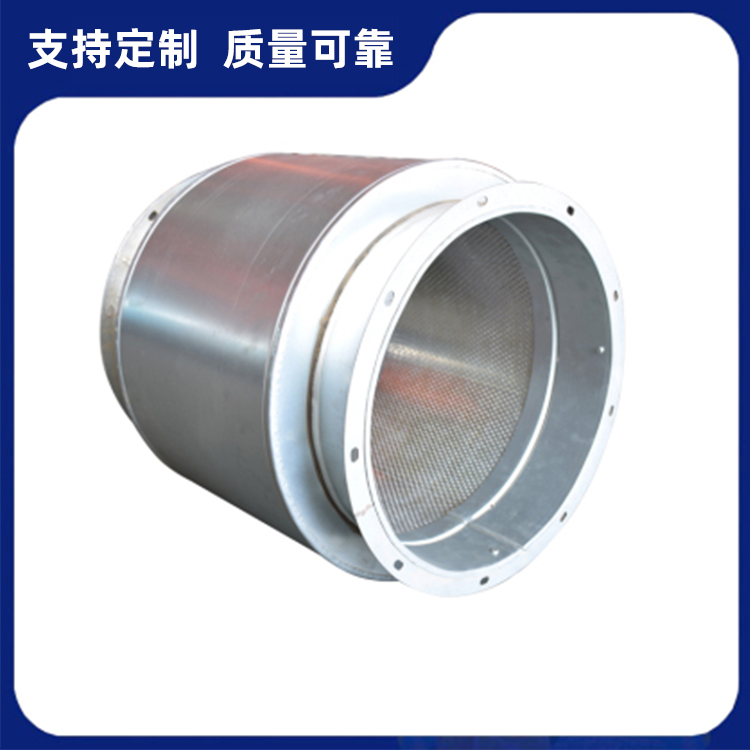
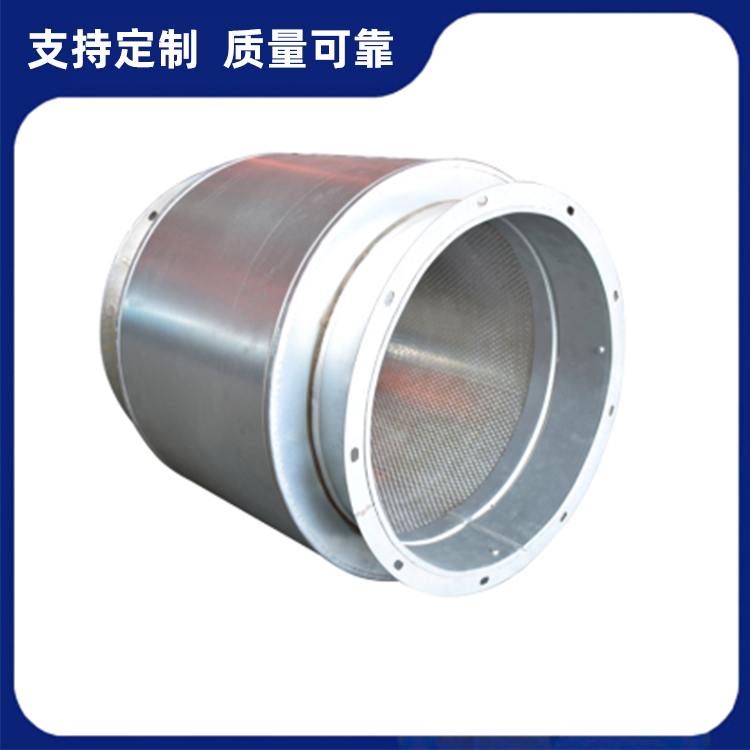
A muffler refers to noise-reduction devices for air ducts with noise propagation, which can be achieved using pipes and elbows lined with sound-absorbing materials, or by utilizing sudden changes in cross-sectional area and other discontinuities in acoustic impedance. These devices help to attenuate or reflect noise within the pipe. The former is called a resistive muffler, the latter is called a reactive muffler, and there are also impedance-matching mufflers. Variety There are many types of mufflers, but in terms of their noise reduction mechanism, they can be categorized into six main types: resistive mufflers, reactive mufflers, impedance composite mufflers, micro-perforated plate mufflers, small-hole mufflers, and active mufflers. Structure Product Features The muffler is primarily composed of components such as the muffler tube, muffler plate, top and bottom covers (or caps), rain cap, throttle tube, throttle plate, connecting pipe (or flange), bracket, lifting ring, and nameplate, etc. 2. Features include easy installation, excellent soundproofing, and long service life. 3. The muffler can be independently supported, allowing for free expansion during operation and shutdown. This ensures that the exhaust pipe is not subjected to additional loads due to the muffler's installation, guaranteeing the safety and reliability of the exhaust pipe's operation. 4. Special moving connection devices can be adopted according to design or customer requirements. 5. The muffler is made from materials like carbon steel or stainless steel, offering sufficient heat resistance and corrosion resistance, ensuring the equipment is durable and long-lasting. Primary function Reduce engine exhaust noise and ensure safe and effective exhaust of high-temperature exhaust gases. As a part of the exhaust system, the muffler should ensure smooth exhaust, low resistance, and sufficient strength. The muffler must withstand exhaust temperatures of 500℃ to 700℃ to guarantee no damage and retention of the muffling effect throughout the car's specified mileage. Automotive noise primarily originates from exhaust noise. Without a muffler, the noise level can exceed 100 decibels. Next come engine and tire noise, with engine noise reaching over 90 decibels during normal operation, and tire noise reaching about 95 decibels at speeds above 90 km/h. Therefore, adding a muffler to the exhaust system can reduce exhaust noise by 20-30 decibels. In terms of the engine, replacing a diesel engine with a gasoline engine can lower engine noise by 6-8 decibels.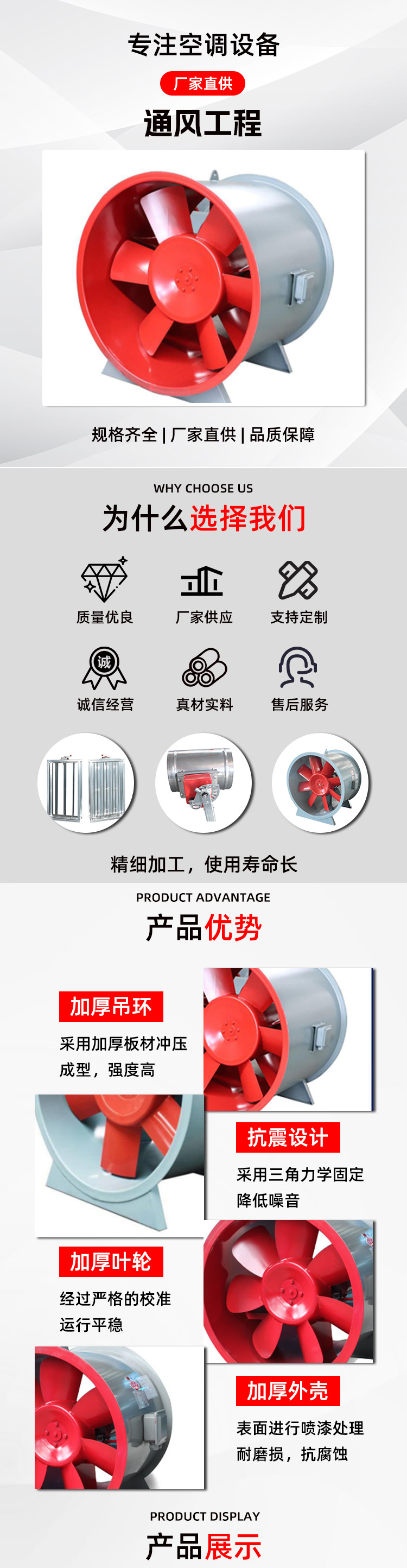

Phone Consultation