


Wood Fiberboard vs. Eco-Board; What Are the Pros and Cons of Wood Fiberboard?
Wood fiber boards are made by selecting a specific type of dried wood, chemically impregnated and stabilized, then the wood fibers are immersed in cement slurry and pressed into cement fiber boards. Also known as万里板.
Eco-boards are also known by various common names in the industry, such as paintless boards and melamine boards. The original name was melamine board, but due to the milk product contamination incident in China, it was renamed as paintless board, although the term is too general. Since many boards that meet eco-friendly standards can also be called eco-boards, confusion often arises.
What's the difference between wood wool board and eco-board?
Wood fiber boards are a type of hardboard among fibrous sound-absorbing materials, featuring sound absorption, heat insulation, moisture resistance, anti-mold, and anti-dew condensation properties. They are known for their high strength, high sound-absorption rigidity, ease of installation, and low cost. The sound-absorbing performance of wood fiber boards is related to the depth of the cavity behind the board. The surface should be coated with a thin paint, such as latex paint, which does not affect the board's sound-absorbing characteristics but serves as a coloring decorative function for the wood fiber board surface.
MDF is akin to melamine-faced panels. Its full name is melamine-impregnated decorative paper-based artificial board, where various colored or textured papers are soaked in MDF resin adhesive. After drying to a certain extent, it is placed on the surface of particleboard, moisture-resistant board, medium-density fiberboard, plywood, thin wood, or other hard fiberboards. In a narrow sense, MDF refers exclusively to melamine decorative panels, such as meranti, cedar, poplar, etc. It is primarily used in furniture cabinets, wardrobe cabinets, bathroom cabinets, and other domains.

What are the advantages and disadvantages of wood wool board?
If the surface coating is thicker, the absorption coefficient at medium and high frequencies will be lower, but the low-frequency coefficient may increase. Increasing the cavity depth on the back of the board can also affect the absorption coefficients at both high and low frequencies. The volume density of wood wool board is actually related to the porosity of the wood wool board. Too high or too low volume density is不利于 sound absorption. The correct volume density should be maintained.
Over the past 20-30 years, the production and development of inorganic fibers such as glass wool, rock wool boards, and mineral wool boards have not only achieved high sound absorption coefficients and excellent fire resistance. The increase in quality and decrease in price have almost replaced wood wool boards in sound absorption applications. However, in recent years, some significant construction projects have adopted expensive imported wood wool boards as indoor sound absorption and decorative materials. The performance of these materials and their surface decorations have greatly enhanced architects' return to the design philosophy of nature.
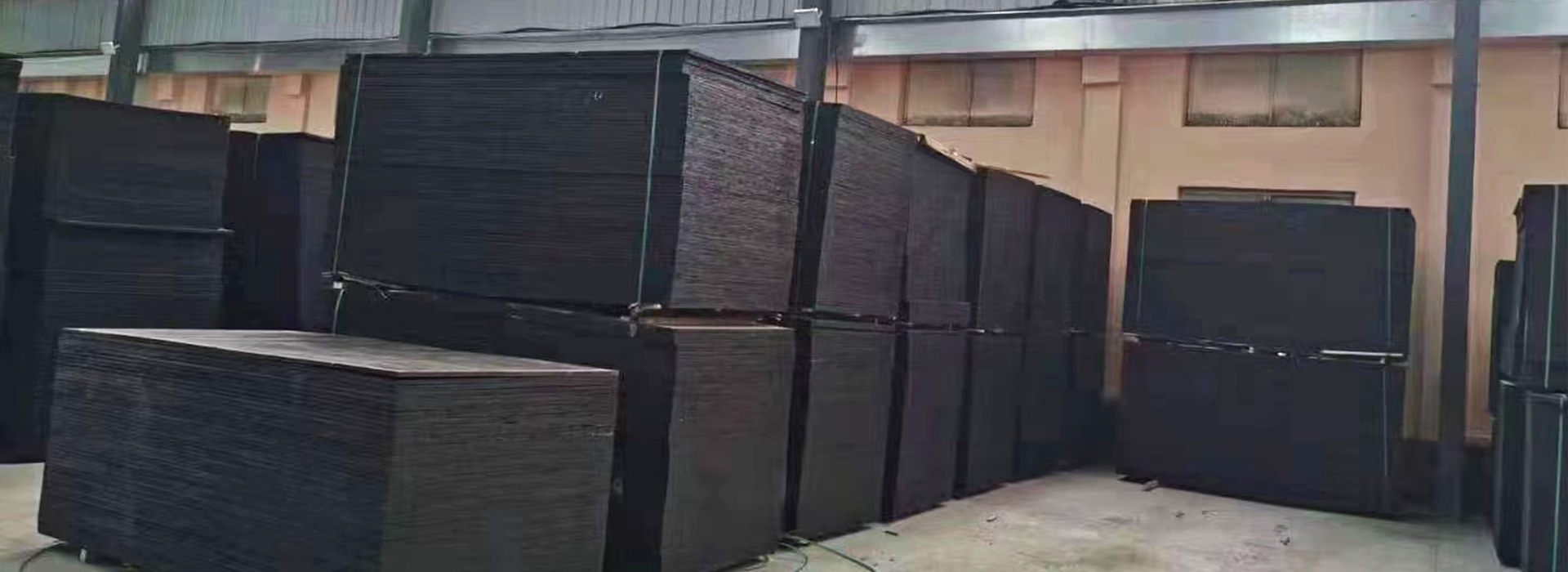
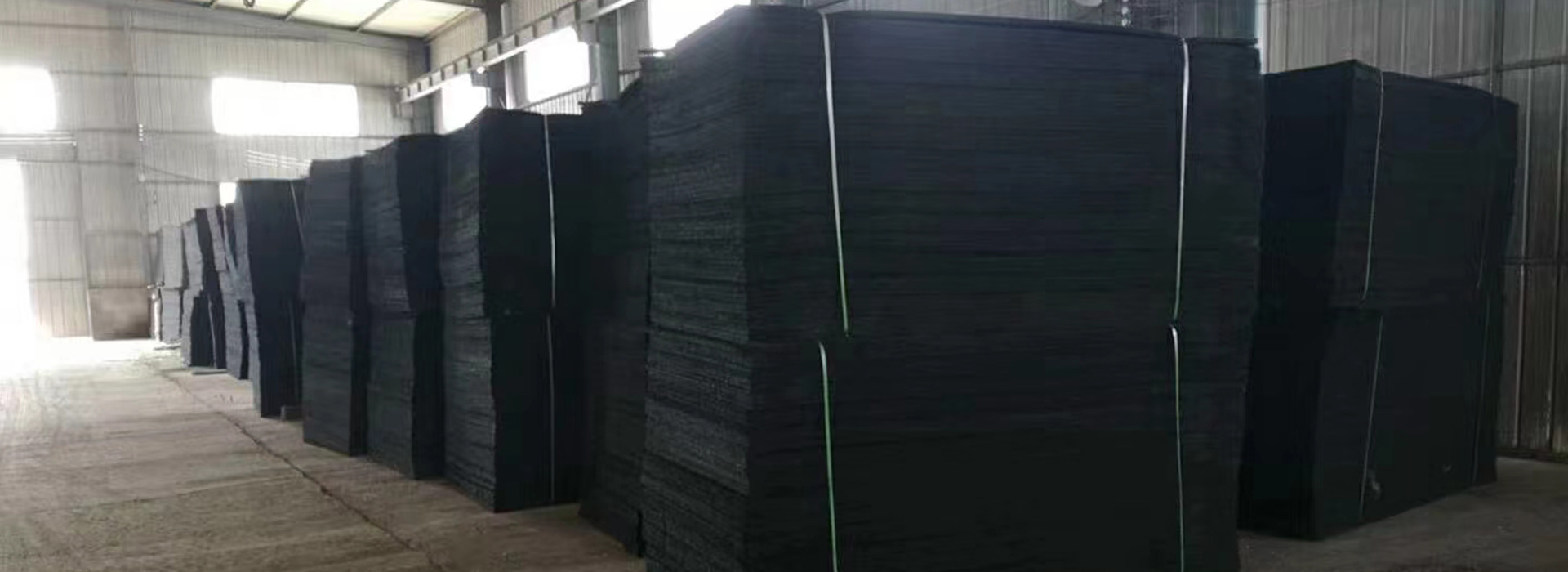
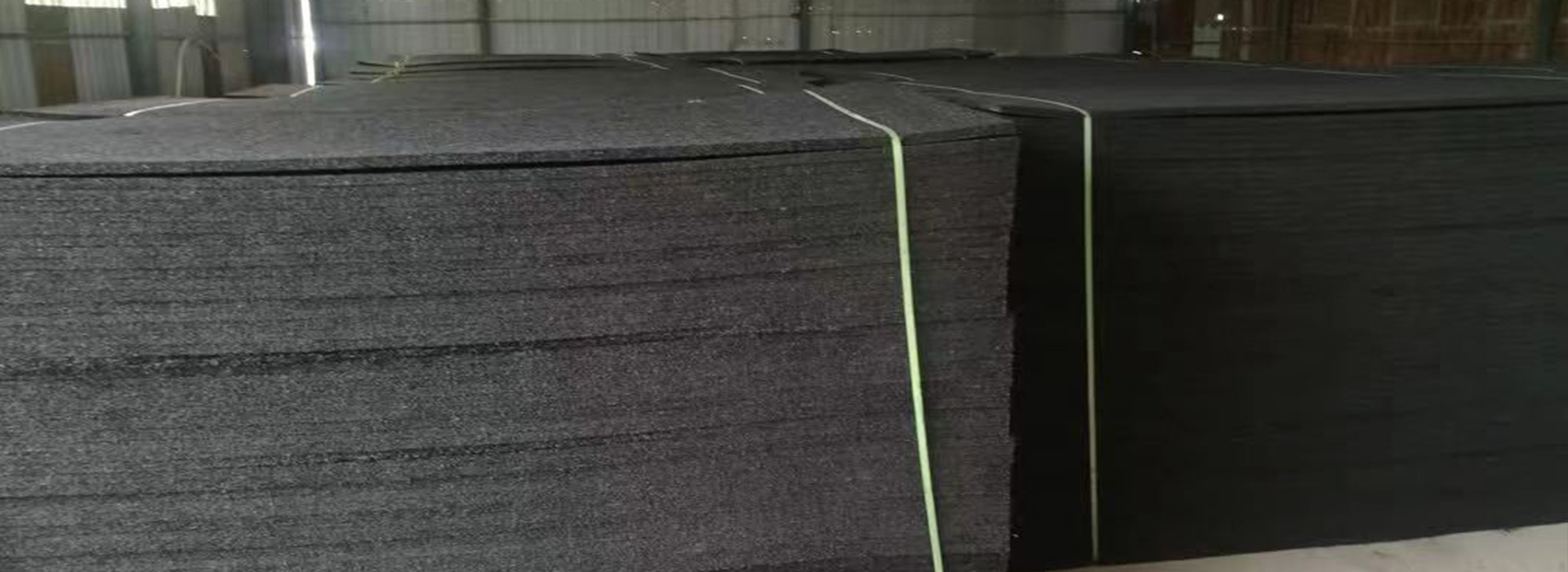
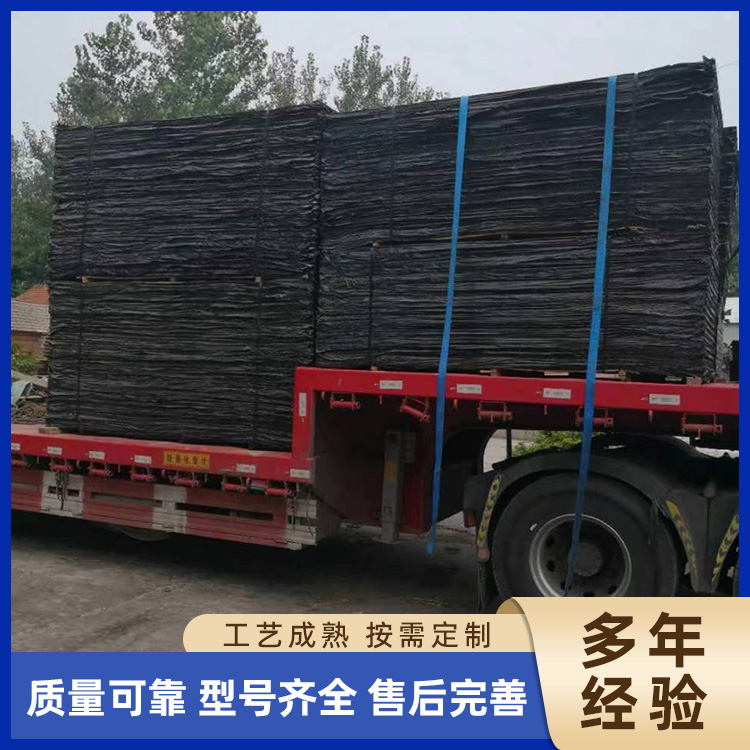
Xuyang County Guandun Town Zhou Chunhua Plywood Factory is committed to service and innovation. Through their own efforts and collaboration with national scientific research departments, they have developed regular asphalt wood wool board products. The wood wool boards are primarily made from coarse wood fibers, ensuring high quality. The company mainly produces asphalt wood wool boards, asphalt wood boards, asphalt cedar boards, asphalt hemp wool boards, and asphalt fiber boards, etc. Their products are mainly used in infrastructure construction projects such as water conservancy, railways, tunnels, bridges, highways, airports, ports, and underground buildings, earning a good market reputation!
