


Lavender, with its purple romance and as a popular herb plant, is favored for its easy cultivation and low maintenance. As a result, lavender estates, lavender sea landscapes, and extensive lavender planting bases have emerged across our country. How can we improve the germination rate of large-scale lavender sowing and manage seedlings effectively? Below, we introduce the sowing and management methods for lavender.
1. Water the flat ground thoroughly, select well-draining soil, and the size of the leveled fields can be determined based on the amount of seeds, with approximately 100 square meters of planting area per kilogram of seeds. Subsequently, water the fields thoroughly again and add a sufficient amount of malathion to prevent pests.
2. Seed Treatment: To improve the germination rate of lavender seeds, they must be soaked prior to sowing. First, soak in clean water for 12 hours, then soak in gibberellic acid for 6 hours. Gibberellic acid should be dissolved in high-proof alcohol or alcohol, with a ratio of 4 pounds of water to each gram of gibberellic acid.
3. Sow and cover with soil: To ensure even sowing, mix the seeds with a pot of fine soil. Then scatter them. Cover with soil, making sure it is evenly distributed, with a thickness of 2-3 times the size of the seeds.
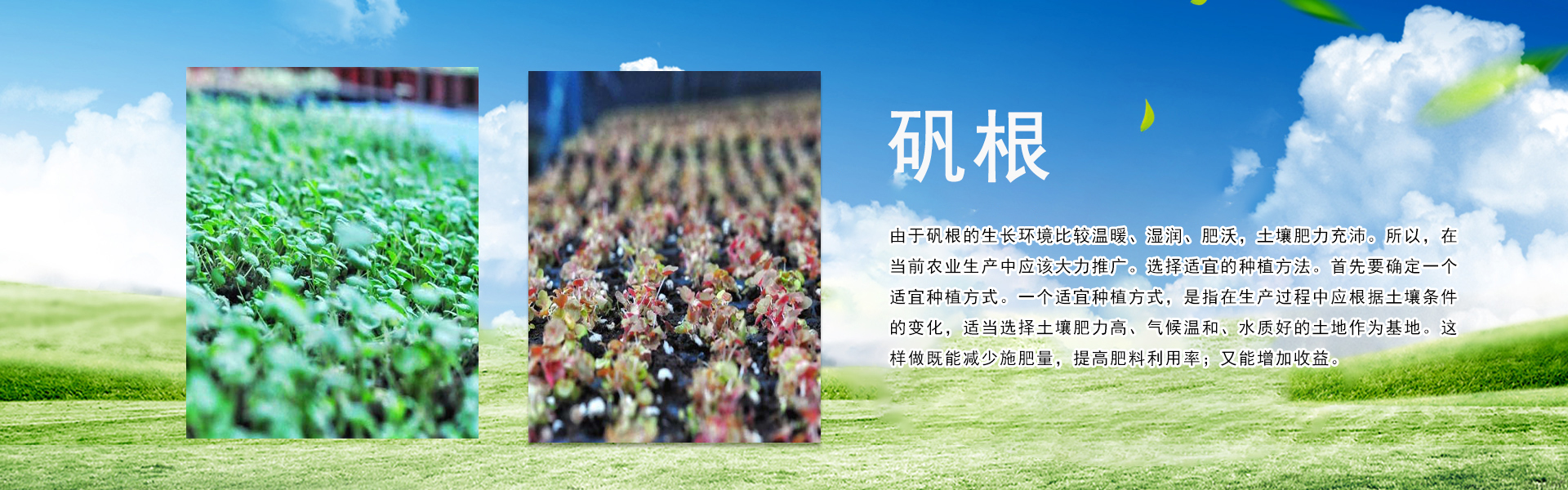
4. Insulation: Cover the entire field with plastic film to retain moisture, and use shading nets to prevent direct sunlight. In the lunar months of August and September, when the temperature is around 20°C, seedlings can emerge within 5-6 days, and the seedlings will be mostly grown out within 7-8 days.
5. During the seedling stage management, after the lavender seedlings emerge, we remove the plastic film and shading net, and simultaneously spray fungicides to prevent seedling rot. Typically, we use one bag of Jingjia·Luojunqing mixed with 15 kilograms of water, spraying three times with an interval of five days. Once the seedlings grow to about 10 centimeters, they are ready for transplanting.
The above lavender sowing method is a summary of years of experience and can serve as a reference for large-scale sowing.
