

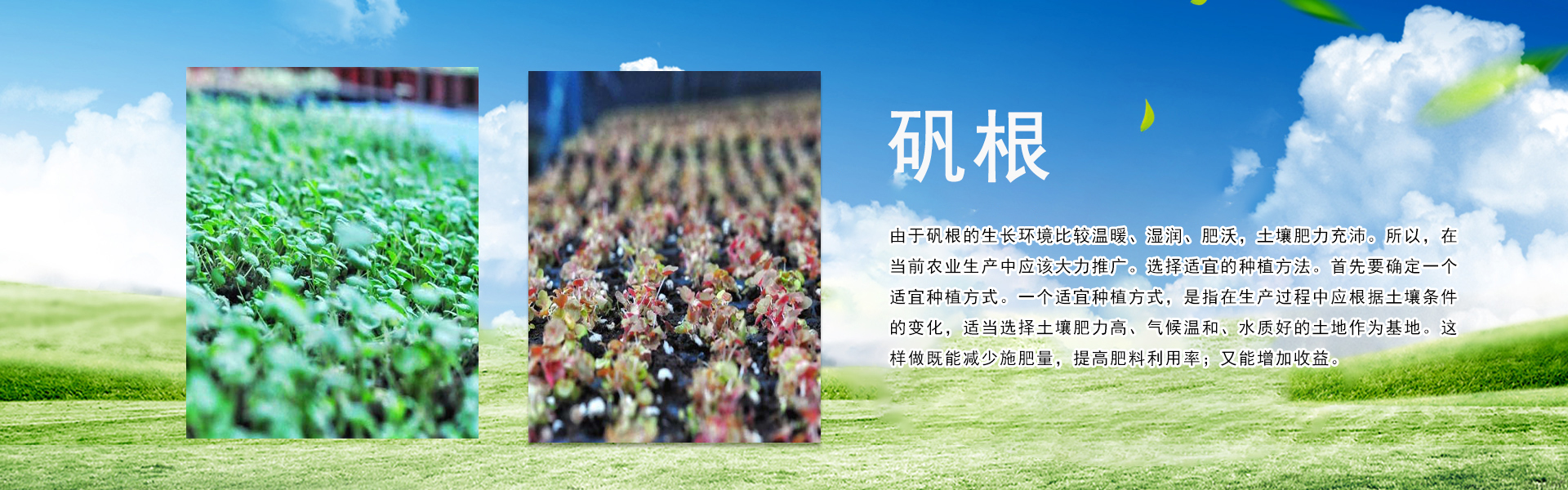

Perennials are flowering plants whose roots overwinter in the soil, allowing them to rebloom and regrow in spring. The daily care of perennials is similar to that of most plants, with the management during the dormant period being a key aspect of their cultivation. Ground cover plants consist of low shrubs, small vines, ferns, creeping bamboo, and perennial herbaceous plants, designed to cover the ground and prevent soil exposure. Since ground cover is valued for its collective beauty, they are generally planted densely.
Care and Management of Perennials
Irrigation
Root flowers, although they can obtain the necessary water from natural rainfall, are often unable to meet their growth needs due to the uneven distribution of rainfall. Especially during seasons of drought and lack of rain, it has a significant impact on the normal growth of root flowers, making irrigation a crucial part of their maintenance and management. Irrigation water should ideally be soft and avoid using hard water, opting for river, pond, or lake water. Well water often has a temperature significantly different from ground temperature, so it is generally recommended to store it for a period before use; industrial wastewater is often polluted and harmful to plants, and should not be used. During the seedling stage of root flowers, due to their small size, it is advisable to use a fine-pored sprayer or a misting irrigation system to avoid uprooting the seedlings with excessive water pressure and soiling the foliage. Irrigation after seedling planting is crucial for survival, as seedlings can be hindered or even killed by drought. Typically, a thorough watering should be done immediately after transplantation; then, water again after 3-4 days; and again after 5-6 days. After watering, it is important to loosen the soil promptly. For root flowers prone to diseases in the peak of summer, controlling the environmental humidity is essential.
(II) Fertilization
In the cultivation of herbaceous perennials, nutrient management can refer to the section on green space maintenance. It should be emphasized that herbaceous perennials are more sensitive to fertilizer nutrients than woody plants. There are also differences between herbaceous perennials and lawns; insufficient soil nutrients can severely affect their blooming and景观 effects. 1. Base Fertilizer: Base fertilizer primarily consists of organic matter, commonly including manure, compost, cake fertilizer, bone meal, and dried animal dung. Organic fertilizers play a crucial role in improving soil physical properties. Typically, the compost application rate for herbaceous perennials is 1-2.25 kg/m². Manure and compost are often incorporated into the soil during land preparation, while cake fertilizer, bone meal, and dried animal dung can be applied at the bottom of planting trenches or holes. Currently, inorganic fertilizers are also being used as part of the base fertilizer in perennial cultivation, mixed with organic fertilizers. 2. Top Dressing: Top dressing is used to supplement the base fertilizer to meet the needs of different growth and development stages of herbaceous perennials. Commonly used are chemical fertilizers, such as compound fertilizers like peat moss and water-soluble cake fertilizer. During the peak growth period and the early stages of flowering, chemical fertilizers can be applied to the foliage, with concentrations generally not exceeding 0.1% to 0.3%. Common foliar fertilizers include urea, potassium dihydrogen phosphate, and superphosphate. For herbaceous perennials during the seedling stage, the primary purpose of top dressing is to promote stem and leaf growth, with a slightly higher nitrogen content. During the reproductive growth stage, phosphorus and potassium fertilizers should be the main focus. Herbaceous (bulbous) perennials require fewer top dressings, usually only 3-4 times, including after the start of growth in spring, before flowering, after flowering, and after the autumn dormancy period. The fourth top dressing should be with organic matter like compost, manure, and soybean cake. For some herbaceous (bulbous) perennials with long flowering periods, such as canna lilies and dahlias, appropriate top dressings should also be provided during flowering to supplement the nutrient needs for continuous blooming, which is beneficial for extending the flowering period.
(3) Cultivation and Weed Removal
Aeration and weed control are crucial steps in flower care. The topsoil of the planting area can become compacted over time due to factors like rainfall, watering, and fertilization, thereby hindering the soil's water and aeration properties. The purpose of aeration is to create ideal conditions for the growth of perennial flower root systems and nutrient absorption. The depth of aeration depends on the depth of the root systems and the growth stage of the perennials to prevent damage to the roots. During aeration, the middle of the rows should be deeply tilled, while near the plants, the tilling should be shallow, generally between 3-5 cm deep. Mulching, weeding, and fertilizing should be done simultaneously. Weeds compete with flowers for water and nutrients, significantly affecting garden aesthetics, and must be removed promptly. To meet manual weeding requirements, weeds should be removed early, when they are small, and completely without leaving seeds or causing future issues. Weeding involves not only clearing weeds from the cultivation area but also ensuring that weeds in the surrounding environment are also removed. Perennial weeds must be pulled out by the roots. Chemical weed control is not used, as there are rarely herbicides specifically designed to protect perennial flowers, and they pose a significant threat to other garden plants. Additionally, using "ground cover" methods such as peat moss or plastic ground cover can prevent weed growth.
(4) Pruning and Shaping
Many perennial flowers generally do not require pruning, growing naturally without human intervention. Some varieties of perennials have both flowers and lush foliage, with rapid and dense branching growth. Naturally growing plants are taller, with lower branches and leaves turning yellow, making the plants prone to toppling and becoming disorderly. Proper low pruning can control the height within an appropriate range, resulting in finer foliage, more flower branches, an increased number of flowers, and synchronized blooming periods. Some flowers must be pruned to showcase their unique ornamental features. The pruning techniques mainly include topping, removing buds, twisting tips, bending branches, removing buds, and trimming. For instance, topping chrysanthemums can ensure abundant branches, while removing lateral buds from Portuguese flowers aims to eliminate excessive axillary buds, restrict the increase in branch numbers, and prevent excessive flower bud formation, resulting in larger and more delicate flowers. Twisting tips is also used to inhibit excessive growth of new branches and promote flower bud formation. Twisting techniques are commonly used during the shaping of upright chrysanthemums, bending strong, upright branches to the side and supporting weak branches to remain upright. Removing flower buds refers to removing lateral buds while retaining the top bud, a method commonly used in chrysanthemums and dahlias. Pruning involves removing stems and fruits that no longer have ornamental value, as well as dead branches and branches affected by pests and diseases, thereby improving ventilation and lighting conditions for the plants and reducing nutrient consumption.
