
 Flexible Perforated Pipe
 Continuous filament woven geotextile
 Long-fiber Geotextile
 3D Composite Drainage Mesh
 Rigid Perforated Pipe
 Plastic Drainage Channels
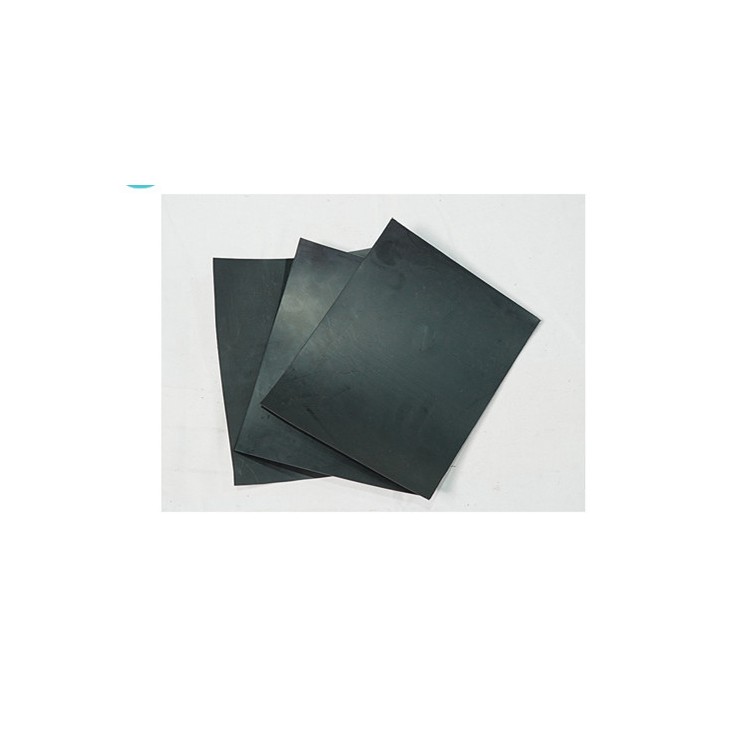 HDPE Geomembrane
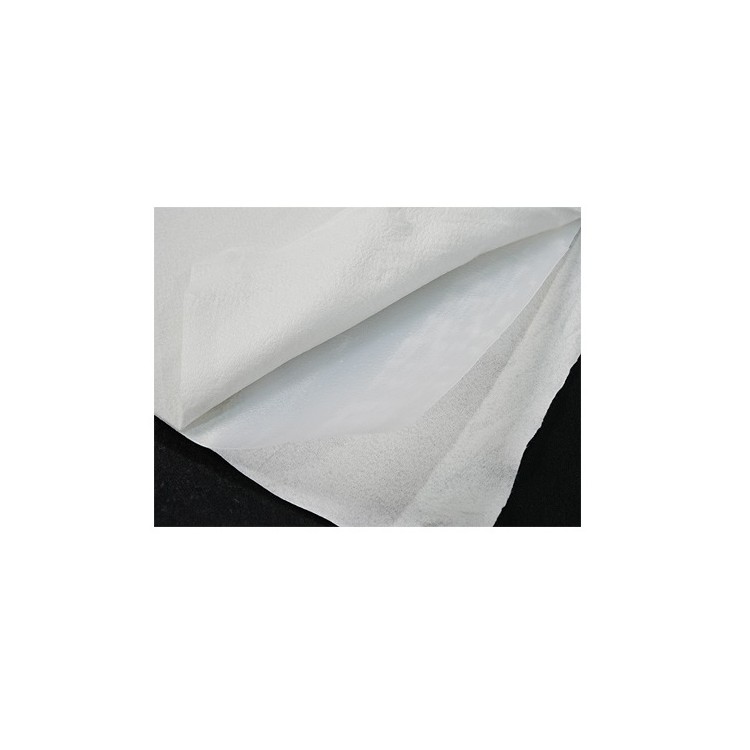 Composite Geomembrane
Product Details

Geotextiles, geogrids, geomembranes, flexible drainage pipes, rigid drainage ...




产品Price Negotiable
最小起订Quantity: 供货总Quantity:


Origin |
|
Are Custom Orders Available? |
Is |
Available Regions |
National |
Free Shipping |
No |
Brand |
Kang Shun |
Specs |
Customer-Specified |
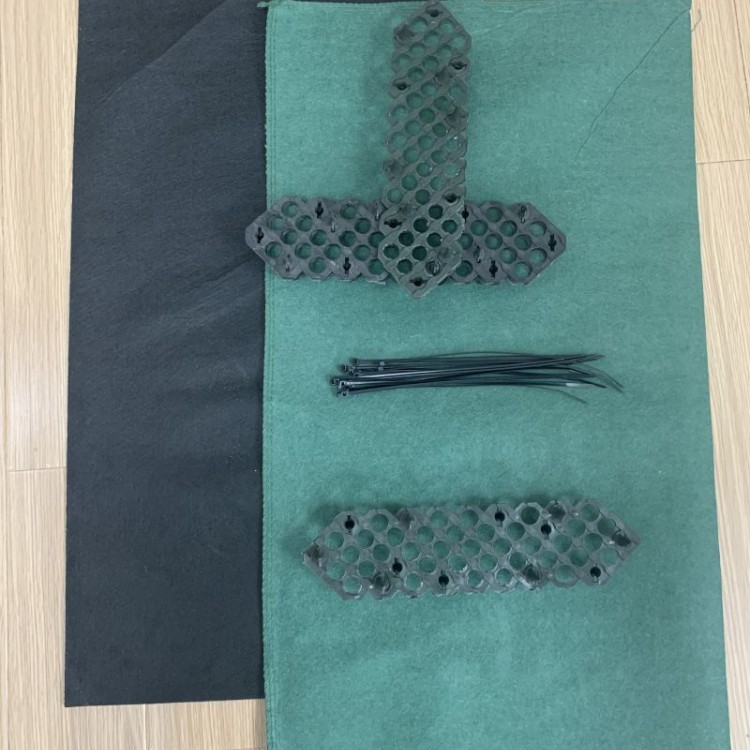
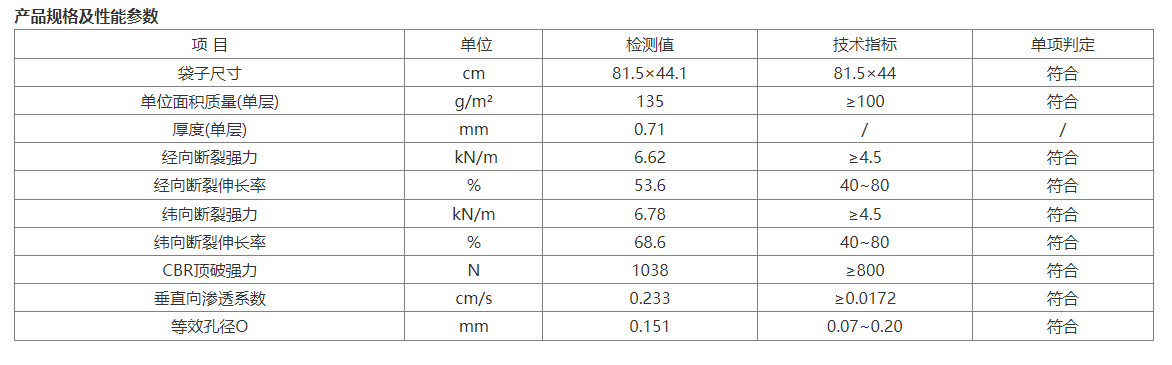
Eco-bags are made from non-woven fabric processed from double-sided heat-set needle-punched material, primarily composed of polypropylene (PP) or polyester fiber (PET). These bags undergo strict selection for indicators such as thickness, unit weight, physical and mechanical properties, shape, fiber type, load-bearing method, direction, geometric dimensions, and water permeability, as well as equivalent aperture to meet plant growth requirements. They feature UV resistance, anti-aging, non-toxicity, non-flammability, and the characteristic of not spreading rips, truly achieving zero pollution. They are mainly used for constructing flexible eco-slopes. Eco-bag slope protection and greening is one of the important construction methods for restoring barren mountains, mining areas, highway slope greening, riverbank slope protection, and river improvement. The Eco Bags possess excellent physical and chemical properties. This specially formulated material can withstand UV degradation, is unaffected by chemical substances in the soil, does not undergo quality change or rot, is non-degradable, and can resist pest infestation. It is resistant to aging, non-toxic, and can withstand erosion from acids, alkalis, salts, and microbial decomposition. It allows water to pass through but not soil, is plant-friendly, and promotes vegetation greening. As a new type of slope construction material, it offers the following environmental versatility advantages: Key Features Moisture-resistant Eco-bags are made from materials that do not absorb moisture, so when moisture appears, it does not damage the bag, and the bag does not deform or dissolve in polluted liquids. Chemical Resistance (PH) Extensive research and testing show that eco-bags exhibit strong resistance to certain concentrations of acidic and alkaline chemicals, making them suitable for the majority of solid waste and heavily polluted sites. Our biodegradable and animal-resistant ecological bags are made of special formulated materials that do not support, absorb, or aid in the growth of fungi. They do not rot, mildew, or degrade. The bags are not digested by insects or related animals and are not food for rodents, termites, beetles, shell beetles, silverfish moths, and other similar creatures. Anti-ultraviolet high polymer Eco-bags can withstand temperatures up to 150 degrees Celsius without melting and can endure temperatures as low as -40 degrees Celsius. UV Protection Eco-bags contain carbon ink and other UV-resistant ingredients. Key Features In slope engineering, this new material can completely replace stone, cement, and other materials, significantly reducing engineering costs. The treated slope surface is vegetation-friendly, achieving a greenery effect on the excavation area and forming a natural ecological slope. It features a filter function that allows water to permeate but retains soil, resulting in a highly permeable slope. This slope offers robust protection and stability against soil erosion, local mudslides, and slope collapses, making it a high-stability natural slope. Application Fields Ecological Restoration River Banks: A Natural Riparian Environment of Coexistence Between Humans and Wildlife Revegetation of Mining Areas: Comprehensive utilization of ore gangue, scientific remediation of subsidence areas, greening barren hills, purifying air and water, pioneering the ecological restoration of mines, and ushering in a new era of barren hill greening. ◎ Coastal lakeside, landslide control, culvert inlets, drainage ditches, soil erosion, irrigation systems, etc. Artificial Wetland: Ecological Restoration Roof greening Infrastructure Road Slope Protection: Suitable for railway and highway slopes, applicable to excavation and embankment slopes. River and Lake Embankments: Suitable for river, lake, and reservoir slopes. Special Applications: Facilities for flood emergency, shelters, and flood embankments. Landscaping and residential Vertical Greenery, Landscape Art Commercial Residential Community Roof garden greening. Specs and Parameters Flat size range: (Customizable according to design and engineering requirements) Fabric weight range: Broad range, commonly including 100g, 125g, 150g, etc. Tensile strength of fabric: ≥4.5 kN/m Fabric elongation at break: ≥40% Volume calculation formula for soil shaped in eco-bags: Length = Bag length - (12~15) cm Width = 0.7 x the width of the eco-bags Height = 0.4 x Eco Bag Height For example, a bag with an outer diameter of 810mm x 430mm will be approximately 65cm in length, 30cm in width, and 15cm in height after filled with soil (The specifications of the eco-bags and their formed sizes after filled with soil can be customized according to actual requirements. Allowable deviation is 2%). Technical specifications refer to There is currently no national or industry standard for ecological bags in our country. The technical parameters are referenced from the National Standard of the People's Republic of China for Geotextiles—Continuous Filament Spunbond Nonwoven Geotextiles, GB/T 17639-2008. Development Timeline Eco-bags are bags made from double-bonded needle-punched non-woven fabric, which is produced from raw materials such as polypropylene (PP) or polyester fiber (PET). They are used in vegetation slope protection technology and complete the system component synthetic material engineering, becoming eco-bags. Since then, eco-bags have demonstrated excellent physical and chemical properties. Manufacturing Requirements With comprehensive consideration of requirements from various disciplines such as material mechanics, hydraulics, biology, and botany, strict selection has been made for the thickness, unit mass, physical and mechanical properties, appearance, fiber type, load-bearing method, direction, geometric dimensions, and water-permeability of the eco-bags, as well as the equivalent aperture for plant growth. They feature UV resistance, aging resistance, non-toxicity, non-flammability, and non-spreading of cracks, truly achieving zero pollution. The eco-bags feature targeted permeability, allowing water to pass through while keeping soil and nutrients in, effectively preventing loss of fill and enabling normal water exchange within the soil. This ensures that the water needed for plant growth is preserved and replenished promptly, being highly friendly to plant growth, allowing plants to freely grow through the bags. The root systems penetrate into the engineering foundation soil, where countless anchor rods reinforce the connection between the bags and the main structure, becoming increasingly stable over time. This further achieves the goal of constructing stable slopes, significantly reducing maintenance costs. Eco-bags with special functional requirements, where the design of their functional features is a must for the stability of flexible slope structures. Illustrate with equivalent aperture examples: One: Hole diameter too large (sack body, material too thin) ⑴Bagged goods can suffer significant loss due to rainfall or running water, resulting in a substantial decrease in unit weight. The mechanical design values undergo a dramatic change, and the mechanical structure is damaged. ⑵ The packaged material is significantly lost under water flushing, with the settling extent greatly exceeding its natural settling range, which does not match the original design plan, causing collapse. 2. The aperture is too small (the bag body material is too thick) It hinders vegetation growth and root extension, severely affecting the structural stability of flexible slopes. ⑵ Under certain specifications, the weight of the packaged contents is a fixed value in the design of the flexible slope mechanics structure. The small aperture reduces its permeability. When a large amount of water seeps in, its unit weight is significantly increased, leading to a higher stress on the original structure, causing deformation and collapse.

Phone Consultation