

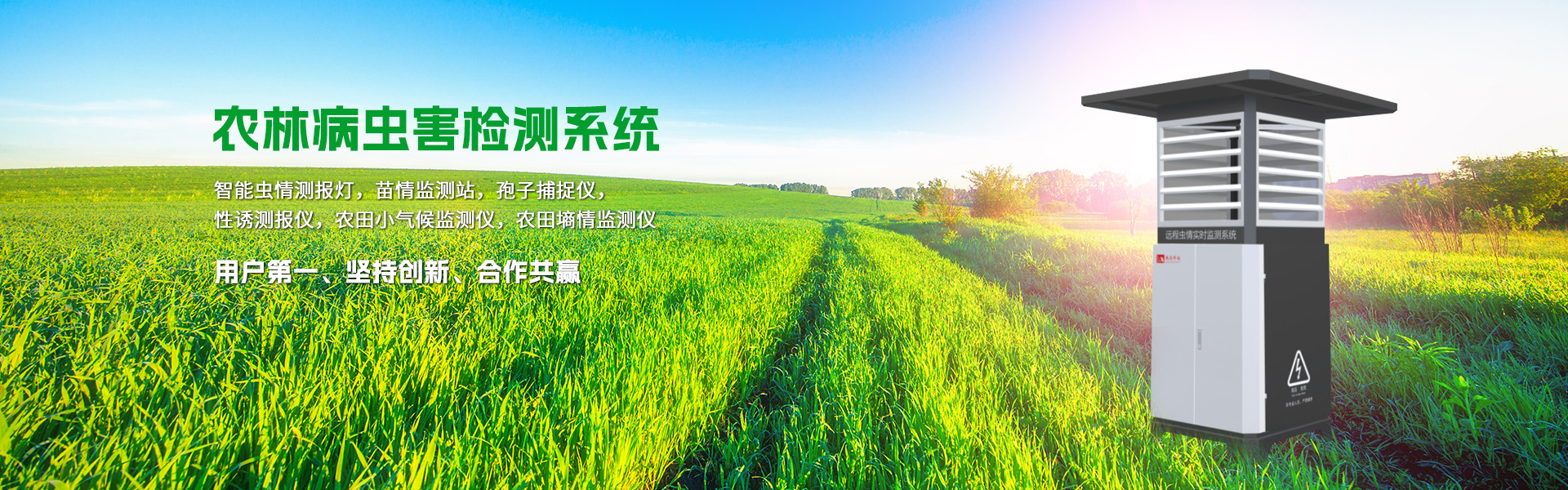

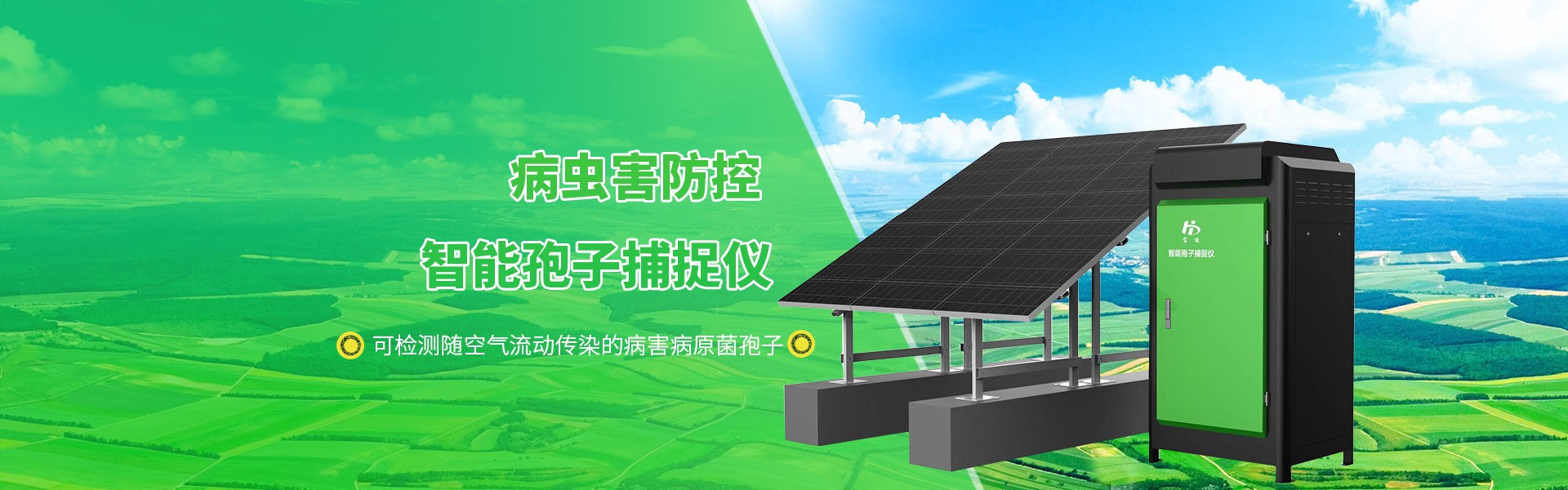
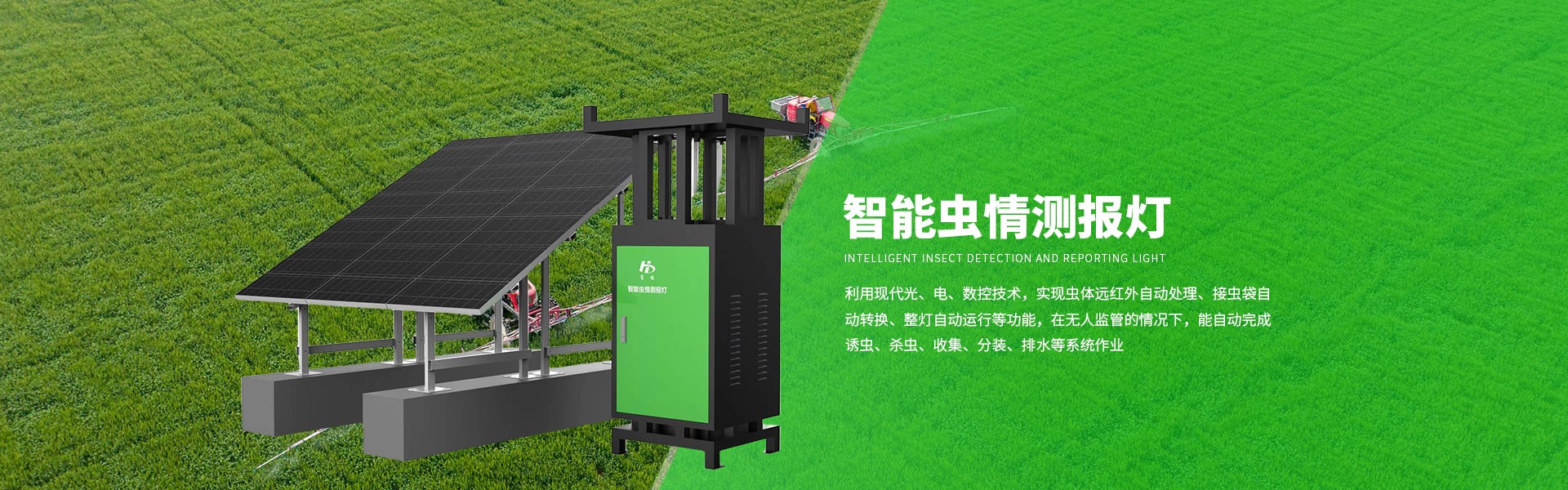


The Solar Insect Killer Light is a green agricultural equipment that combines photovoltaic power generation technology with pest control needs. Its core principle is to trap pests using specific wavelengths and eliminate them through physical or chemical means. The device typically consists of five main parts: solar panels, energy storage batteries, LED insect-attraction lights, high-voltage grids or sticky insect boards, and an intelligent control system.
Technical Principle
Solar panels convert light energy into electricity, storing it in lithium batteries. At night, the system automatically activates an insect-attraction light source (operating at wavelengths of 320-680nm, predominantly 365nm ultraviolet light) to draw in phototactic pests. Upon contact with the device, the pests are either electrocuted by a high-voltage grid or fall into a bottom collection bag. Some high-end models are equipped with a rain-sensing module, which automatically shuts off the grid during rainfall to conserve energy.
2. Technological Advantages
Energy Efficiency: Monocrystalline silicon modules achieve a conversion rate of 22%, with a 5W LED light source covering 15 acres of farmland.
Precision Control: Adjustable Pulse Frequency for Optimized Spectrums Targeting Main Pests like Lepidoptera and Coleoptera
Eco-Friendly: Reduces carbon emissions by 90% compared to chemical pesticides, maintaining ecological balance.
3. Application Cases
A tea garden in Yunnan installed 30 frequency vibration insecticide lamps, resulting in a 72% decrease in density of tea small leafhoppers, a 45% reduction in pesticide use, and an increased pass rate of agricultural residue in tea leaves to 99.8%. The equipment features adjustable tilt brackets (15°-50°) to accommodate mountainous terrain, and can operate for 10 hours daily, with a rainy-day endurance of up to 5 days.
This technology has passed the GB/T24689-2022 standard certification, demonstrating significant promotional effects in orchards, paddy fields, and other scenarios, and has become an important part of the green prevention and control system in modern agriculture.


