
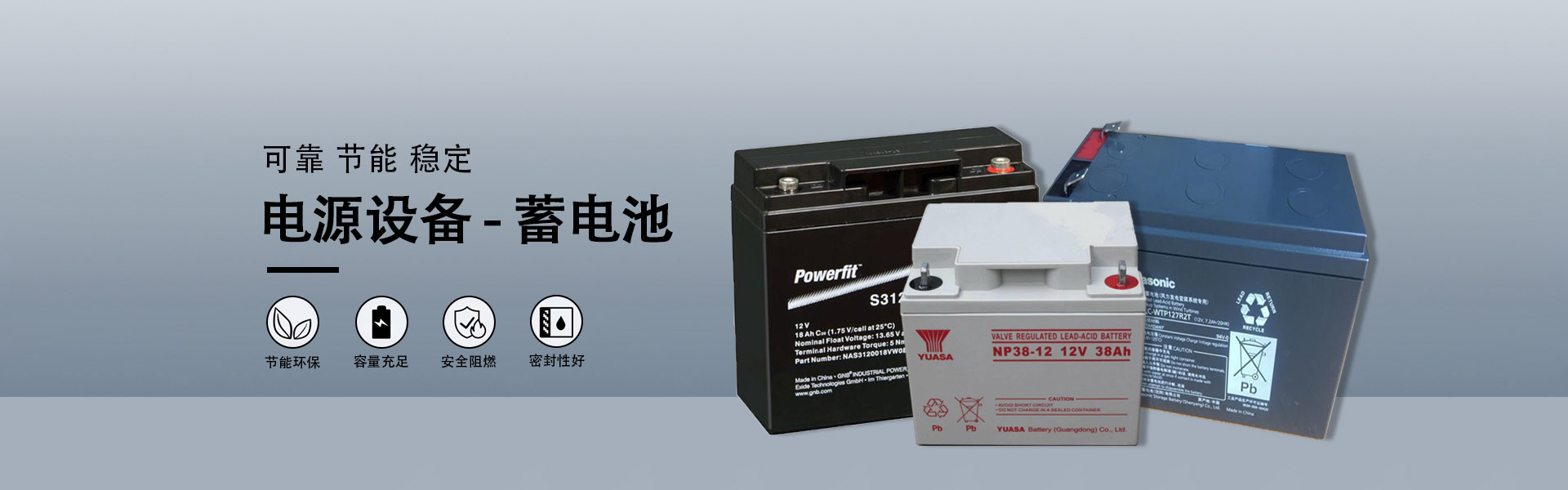
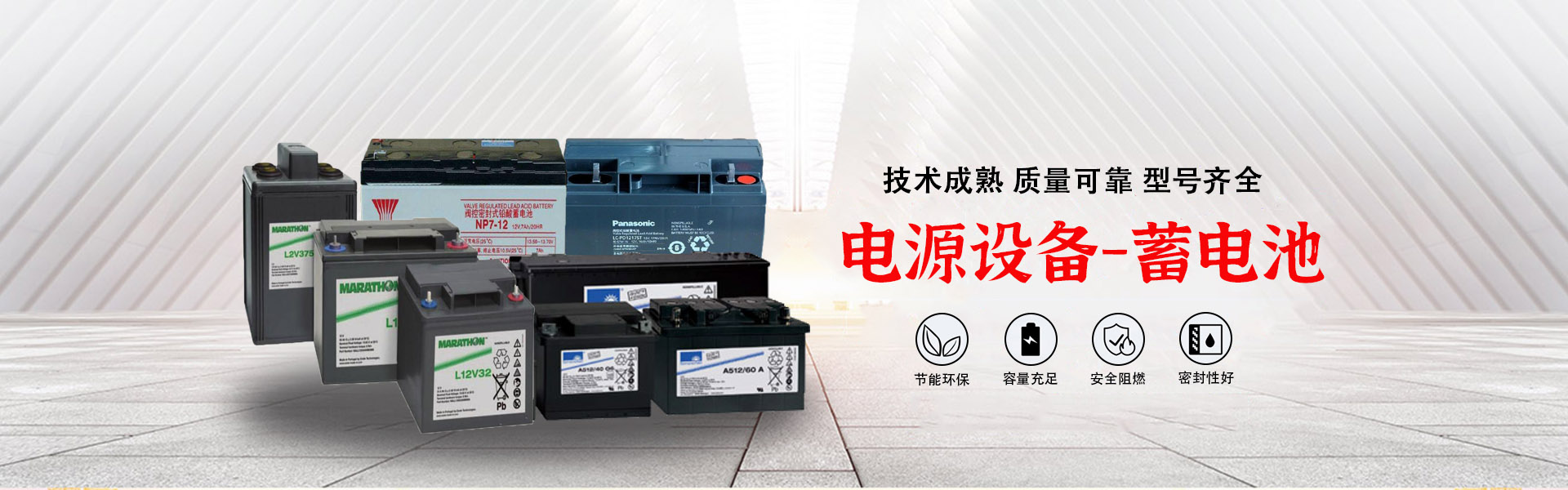

Our commonly used batteries are mainly categorized into three types: standard batteries, dry cell batteries, and maintenance-free batteries.
1) Standard batteries; Standard batteries are composed of lead and lead oxides in their plates, with an electrolyte consisting of a water solution of sulfuric acid. Their main advantages are stable voltage and low cost; however, they have the drawbacks of low energy density (i.e., the amount of electrical energy stored per kilogram of battery), short lifespan, and frequent routine maintenance.
2) Dry Cell Battery: Also known as the dry charged lead-acid battery, its main feature is that the negative plate has a high storage capacity. In a completely dry state, it can retain the charge for up to two years. When in use, simply add electrolyte, and it's ready to use after 20-30 minutes.
3) Maintenance-Free Batteries: With inherent structural advantages, maintenance-free batteries have a very low consumption of electrolyte, requiring minimal addition of distilled water throughout their lifespan. They also feature shock resistance, high-temperature resistance, compact size, and low self-discharge. Their lifespan is typically twice that of standard batteries. There are two types of maintenance-free batteries on the market: one that requires a one-time electrolyte addition at purchase and no further maintenance (addition of topping fluid); and another that is sealed with electrolyte already added at the factory, making it impossible for the user to add any topping fluid. Standard lead-acid batteries are composed of positive and negative plates, separators, cases, electrolyte, and terminals, with their discharge chemical reaction relying on the active substances (lead dioxide and lead) on the positive plate and the active substances (spongy pure lead) on the negative plate, all acting under the influence of the electrolyte (dilute sulfuric acid solution). The grid of the plates, traditionally made of lead-tin alloy in conventional batteries, is made of lead-calcium alloy in maintenance-free batteries. The use of antimony in the former and calcium in the latter is the fundamental difference between the two. Different materials lead to different phenomena: conventional batteries may experience a decrease in liquid, as antimony on the grid can contaminate the spongy pure lead on the negative plate, reducing the back electromotive force within the battery after full charge, causing excessive water decomposition, with large amounts of oxygen and hydrogen escaping from the positive and negative plates, respectively, leading to a reduction in electrolyte. Replacing antimony with calcium can alter the back electromotive force of the battery after full charge, reduce overcharging current, decrease the rate of liquid vaporization, and thus reduce electrolyte loss. Due to the use of lead-calcium alloy grids in maintenance-free batteries, there is less water decomposition during charging, lower moisture evaporation, and with a sealed case, minimal release of sulfuric acid gas. Compared to conventional batteries, this results in the advantages of not requiring any liquid addition, reduced corrosion of terminals and wires, strong resistance to overcharging, high starting current, and long-lasting energy storage.
