
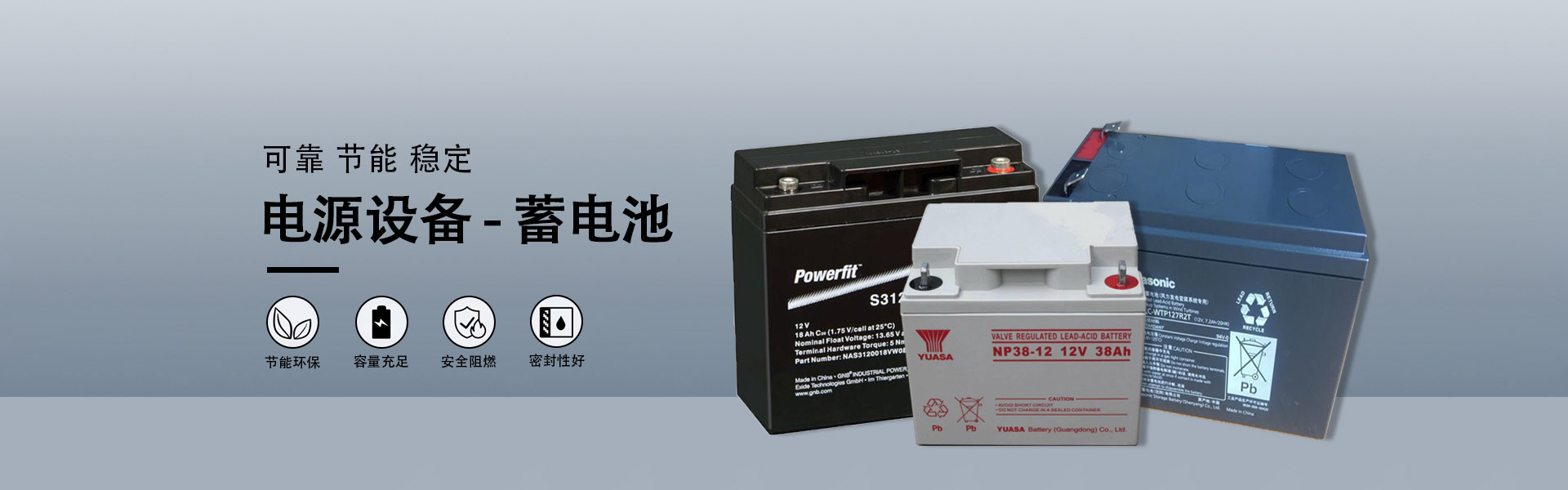
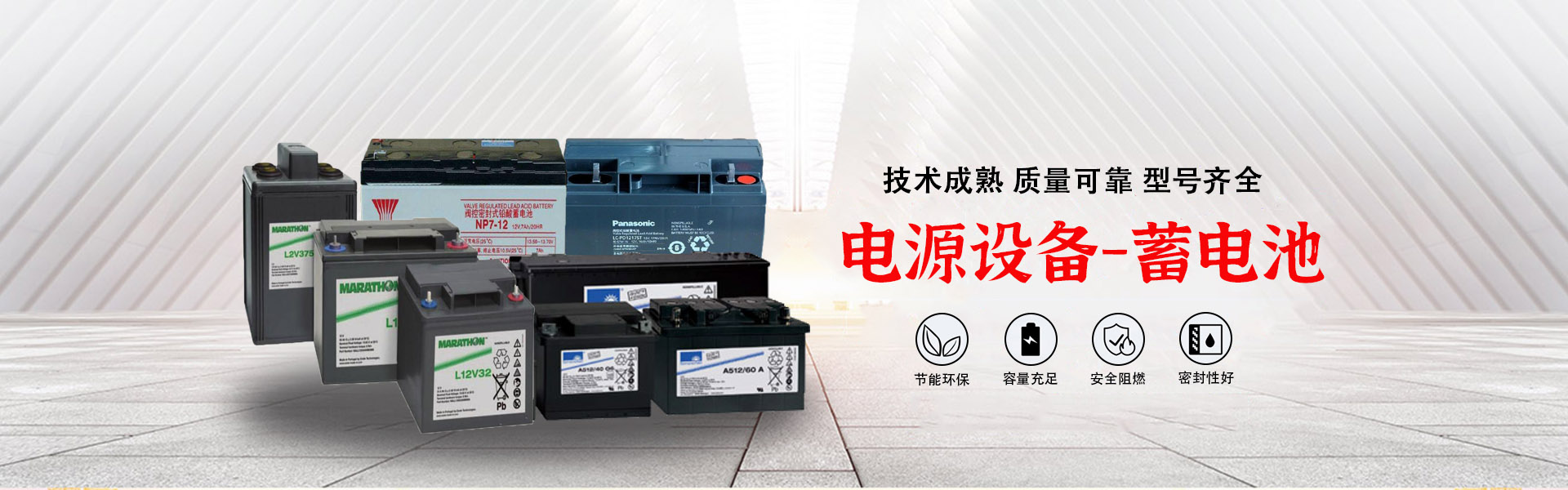

BOADD's lead-acid battery has achieved tremendous progress in maintenance-free and sealed battery technology over the past 20-plus years. This advancement has extended the application of lead-acid batteries not only to traditional fields like transportation but also to solar photovoltaic power generation, wind power, communication power supply, electric power transformation and distribution systems, railway communication, ship communication, starting, lighting power, and UPS power. Technological advancements have propelled the rapid development of the battery industry, making it one of the emerging sunrise industries. However, due to the significant increase and sustained high prices of the primary raw material for lead-acid batteries, lead, in the latter half of 2004, the industry's profit trend for lead-acid batteries has shown a downward slope.
BOADD Battery Product Detailed Introduction: Technical Specifications:
The critical technical indicator for the rapid charging of lead-acid batteries is the time it takes to complete charging. It is generally considered rapid charging if the charging time is within 5 hours. The charging current used for various batteries is related to their capacity, usually expressed as the numerical value of the 10-hour rate of the nominal capacity C of the battery. For example, the charging current used for conventional charging in China is 0.1C amp or 0.2C amp. Charging with such a small current would take at least 15 hours to complete a full charge.
Foreign research is exploring high-current charging to complete battery charging within one hour, which is known as rapid charging. There is also a method using extremely high currents to charge batteries, allowing for a full charge within one minute, termed as instantaneous charging. Rapid and instantaneous charging are only suitable for small capacity batteries. When using rapid or instantaneous charging for large capacity batteries like starting or power types, the charging power source requires a substantial current, making the rapid charging equipment quite large, and the structure of our country's batteries is not adapted to such high currents.
2. Gas Volume and Gas Generation Rate: Gas generation is a crucial issue during the battery charging process. Gas volume refers to the total amount of gas evolved from the positive and negative plates during the entire charging process to fully charge the battery, under one atmosphere, measured in "liters." Gas generation rate is the amount of gas evolved from the positive and negative plates per unit time during a specific stage of battery charging, under one atmosphere, measured in "liters/minute."
During the charging process, due to gas evolution, it will force the electrolyte to flow out of the pores in the electrode plates, resulting in a localized lack of electrolyte on the surface of the plates. This will reduce the charging speed. Excessive gas evolution can also scour the plates, damaging the plate structure and causing the active material to fall off.
During the latter stages of charging, venting is inevitable. However, to extend the lifespan of the battery and increase charging speed, reducing the venting rate has become a crucial goal for any charging system. Some rapid charging methods, due to high venting rates, are not advisable as they can damage the battery and waste energy. The high venting rate during rapid charging should be lower than that during the "boiling" stage of conventional charging. The total venting volume during rapid charging should be less than the total venting volume during conventional charging.
3. Lead-acid batteries may experience significant temperature rise during rapid charging. High temperatures can shorten the battery's lifespan.
During the charging process, the electrochemical polarization, internal resistance of the battery, and thermodynamic processes of the chemical reactions are the three heat sources contributing to the battery's temperature rise, which can cause thermal effects during charging. Rapid charging should also limit the temperature rise of the electrolyte to the range permitted by conventional charging. The electrolyte temperature should not exceed 45°C.
