
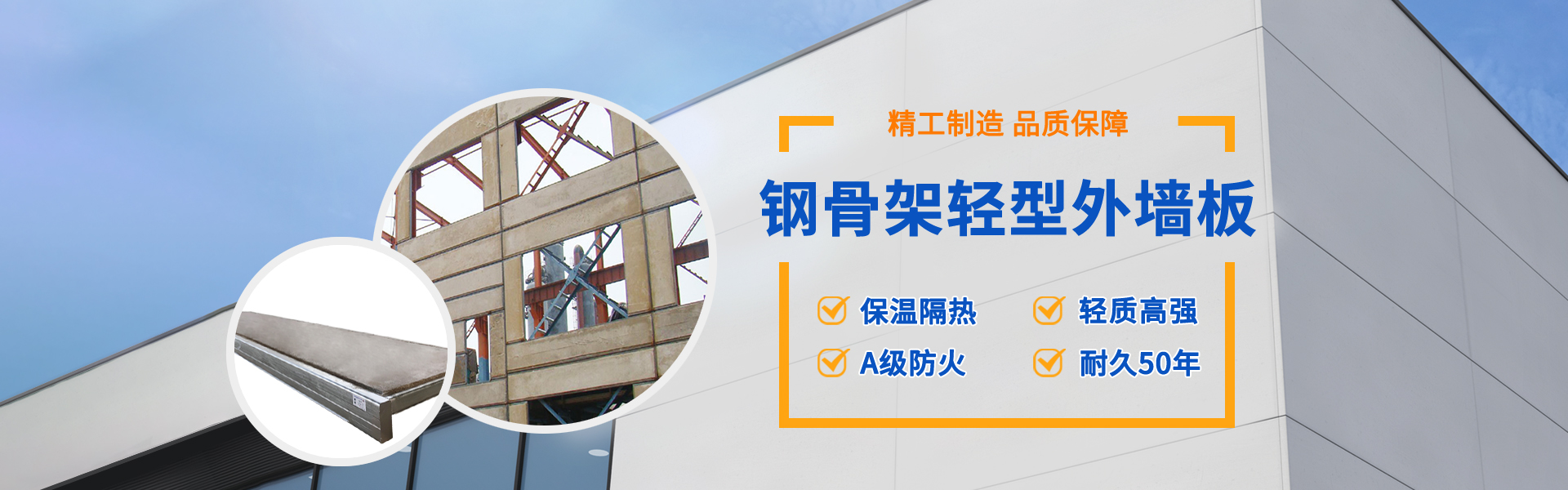
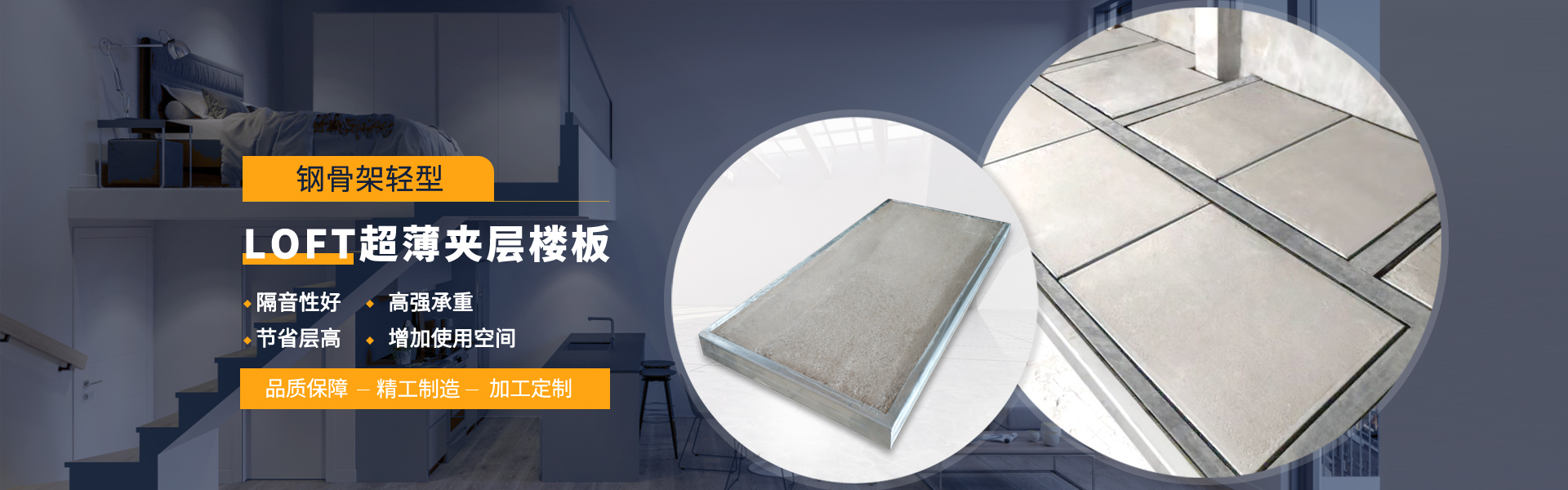

Steel-framed lightweight panels are a widely used building material that combines various features in the present stage. They are commonly employed in large and medium-sized industrial zones, residential buildings, light rail transportation, coal mine bridges, and various other construction sites. Their unique production process makes these materials stronger, safer, and more durable than traditional reinforced concrete, capable of withstanding natural disasters such as earthquakes. Moreover, they are lighter and easier to install than general construction materials. What should be noted when applying and installing these panels?
1. The steel frame lightweight panel should be placed on the support with a length of no less than 60mm during installation. Once in place, the main rib of the panel should be securely welded to the support.
The weld seam length should not be less than 60mm, with a weld seam height of 4mm, and three-point welding should be ensured.
Section 3: Sheets requiring seismic fortification should be reinforced according to the specified connection node methods.

4. For the installation of steel frame lightweight panels, the roof should be sloped structurally, with a slope not less than 2%. The waterproofing layer can be directly applied to the panels.
5. Prior to construction, measurements of the main structure should be taken. The allowable deviation for the main structure is ±10mm in the vertical direction and ±25mm in the horizontal direction. If the deviation is excessive, consult with the respective construction company to discuss a resolution plan.
6. For the installation of this board material, all preparatory work must be completed before construction, ensuring that all connecting components and matching materials are in place, and horizontal and height control lines are marked out.
7. Steel frame lightweight panels should be properly aligned and positioned. Pay attention to the installation sequence, secure the wall panels temporarily after aligning them, then detach the hoisting hooks, and subsequently fix them according to the connection methods specified in the relevant architectural collection.
