

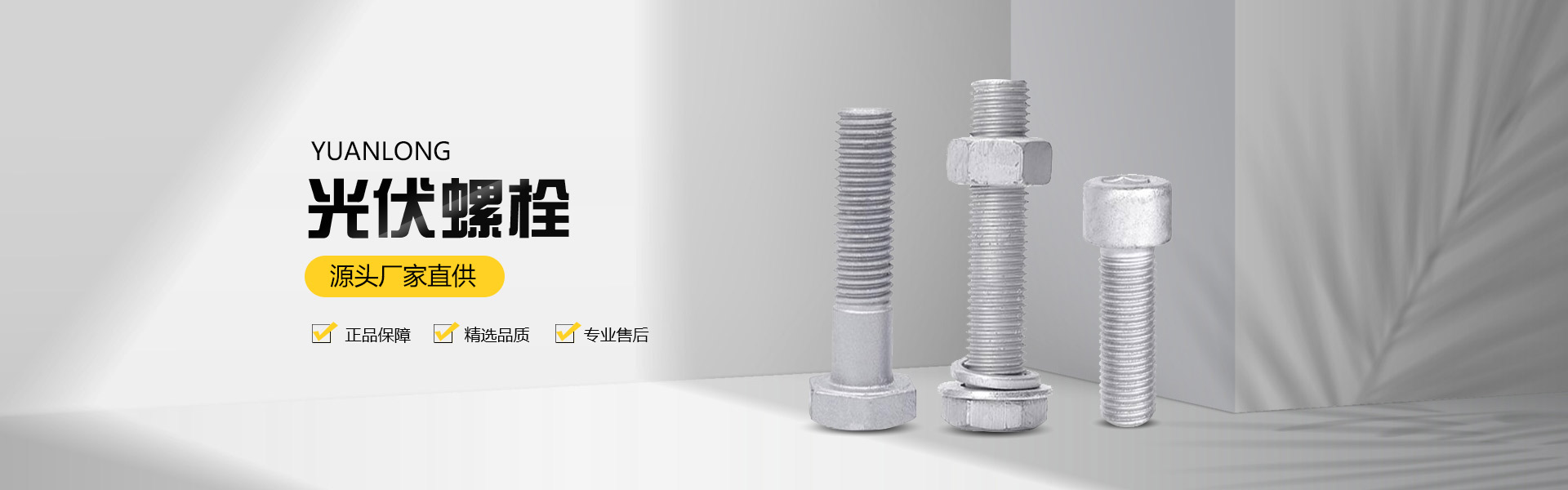
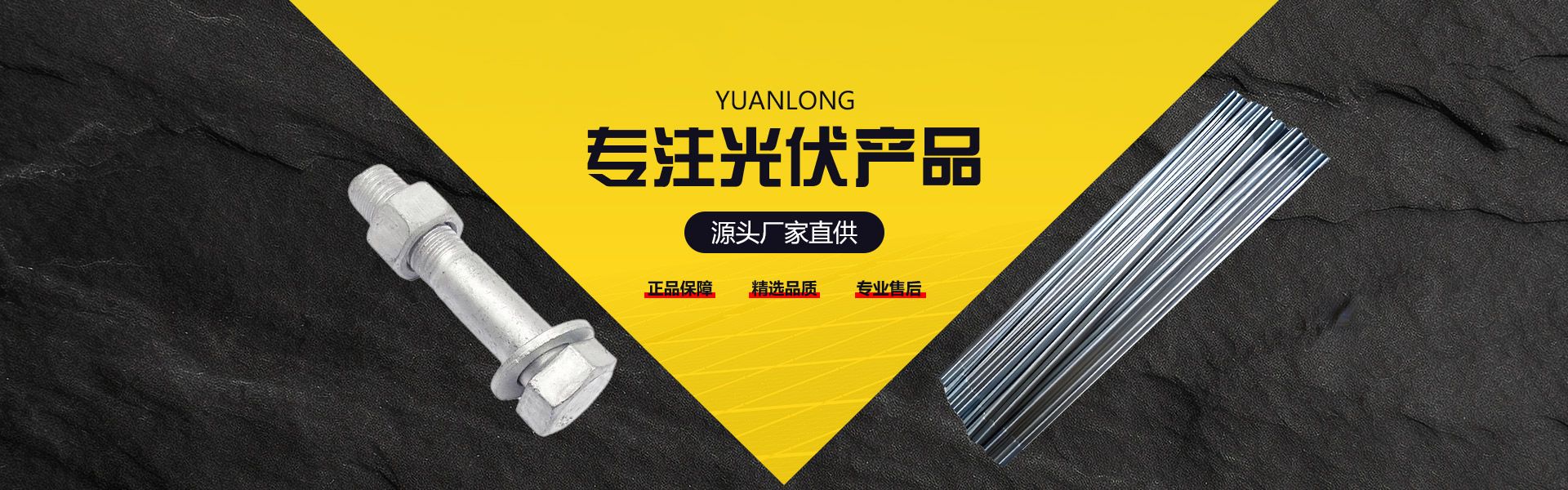


The specifications and selection criteria for photovoltaic bolts primarily depend on the actual installation requirements of the photovoltaic system, environmental conditions, service life, mechanical properties, and corrosion resistance, among other factors. The following are some of the main specifications and selection criteria:
Specs-wise:
Diameter and Length: The diameter and length of photovoltaic bolts are determined based on actual requirements. Common diameter specifications include M6, M8, M10, M12, etc., with varying lengths according to specific installation needs. For instance, an M6x50 bolt has a wire diameter of 6mm and a length of 50mm, typically used for installing tripods and large photovoltaic panel frames; while an M8x40 bolt has a wire diameter of 8mm and a length of 40mm, usually used for installing large photovoltaic panels.
Material: The material of photovoltaic bolts is part of the specification as well. Common materials include stainless steel and carbon steel. Stainless steel bolts offer better corrosion resistance but are more expensive, making them suitable for use in corrosive environments like seaside areas. In contrast, carbon steel bolts are relatively cheaper and ideal for general environments.
Criteria for selection:
Installation Environment: Consider factors such as altitude, climate conditions, and pollution levels when selecting the installation location. For instance, in higher-altitude areas, it may be necessary to choose bolts with larger diameters and higher strengths to ensure they can withstand greater tension and shear forces.
Load Requirements: Select bolts with sufficient strength based on the size of the photovoltaic mounting structure and its upper load. Ensure that the bolts can withstand the expected loads after installation, to avoid structural damage and other safety hazards.
Corrosion Resistance: As photovoltaic supports are commonly used in outdoor environments, high requirements for the bolts' corrosion resistance are necessary. When selecting bolts, their corrosion resistance should be considered to avoid corrosion and rusting phenomena caused by long-term exposure to moist, polluted, and changing climatic conditions.
Economic Viability: Under the premise of meeting the aforementioned requirements, the economic viability of the bolts must also be considered. Select bolts that offer the best value for money based on the project's budget and actual needs.
In summary, selecting the appropriate specification and material for solar bolt requires a comprehensive consideration of installation environment, load requirements, corrosion resistance, and cost-effectiveness to ensure the stable and safe operation of the solar system.
