

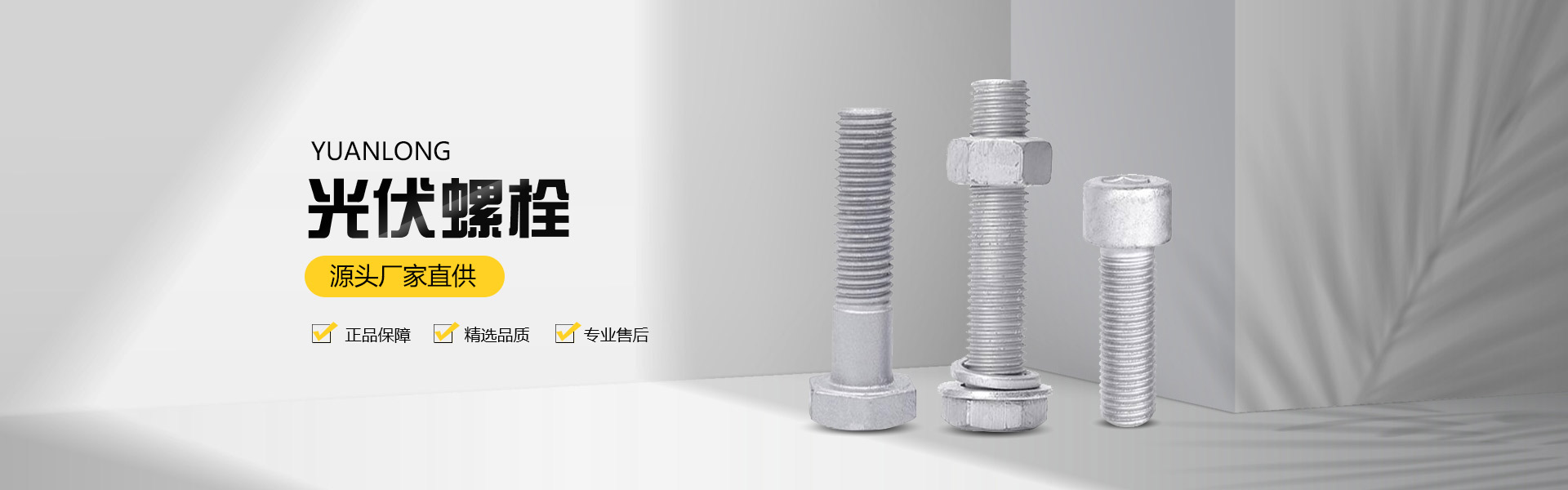
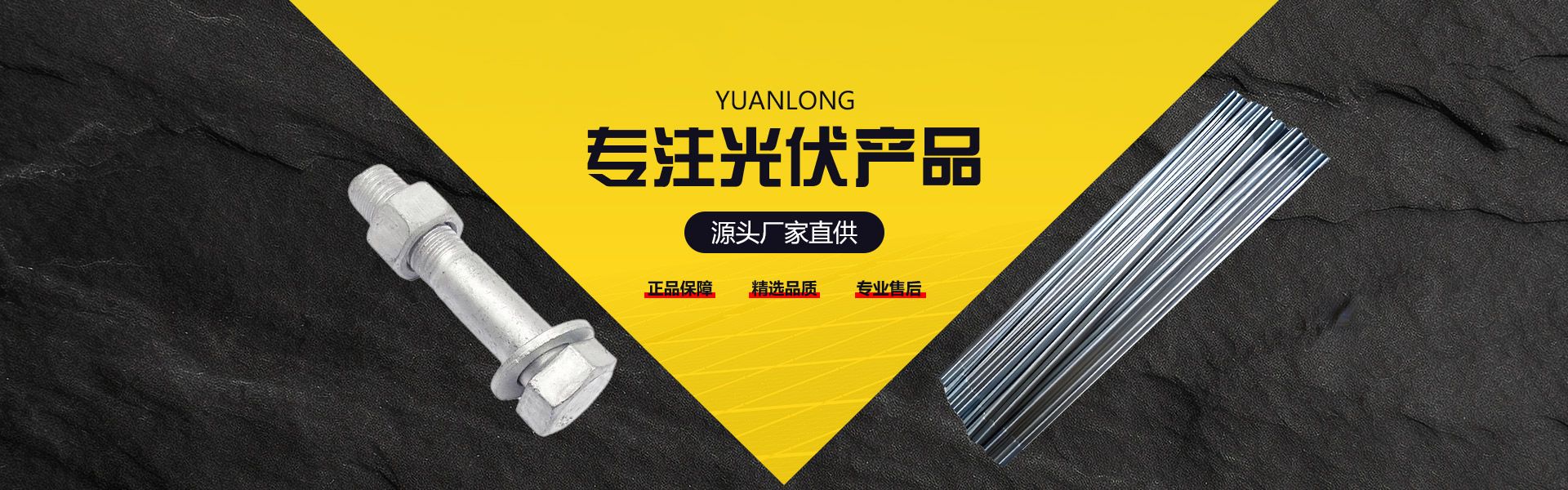


Soil and geological conditions:
Soil Type: The type and hardness of the soil can affect the fastening effect of bolts. In loose or sandy soil, it may be necessary to choose longer bolts or employ special fastening techniques to ensure the stable installation of photovoltaic panels.
If the groundwater level at the installation site is high, consider anti-rust and anti-corrosion measures for the bolts to prevent rusting due to long-term contact with moisture.
Altitude and Terrain:
At high altitudes, due to the influence of climate conditions and wind, larger diameter and higher-strength bolts may be required.
Topography Variations: In mountainous or hilly regions, the uneven terrain may necessitate the use of bolts and installation techniques with better adaptability.
Corrosive Environment:
Chemical Pollution: If there are chemical factories or other locations that may cause chemical pollution near the installation site, it is necessary to choose bolts made of materials with higher corrosion resistance, such as stainless steel or special alloys.
Marine Environment: In coastal or marine environments, due to salt雾 and humid air, corrosion issues with bolts are particularly severe. Under such conditions, stainless steel bolts are a better choice.
Bolt specifications and materials:
Diameter and Length: Select the appropriate bolt diameter and length based on the size, weight, and installation structure requirements of the photovoltaic panels.
Material: After considering factors such as climate, soil, and corrosive environments, a bolt material with excellent weather resistance, high strength, and corrosion resistance was selected.
Comply with local standards and regulations.
When selecting photovoltaic bolts, it is also essential to refer to local building codes, photovoltaic installation standards, and industry requirements to ensure the selection of bolts that meet the necessary specifications.
When selecting photovoltaic bolts, it is recommended to consult and collaborate with professional photovoltaic installation companies or suppliers. They can provide more detailed and specialized advice based on the specific installation environment and requirements.
