 Gravity-free Blender
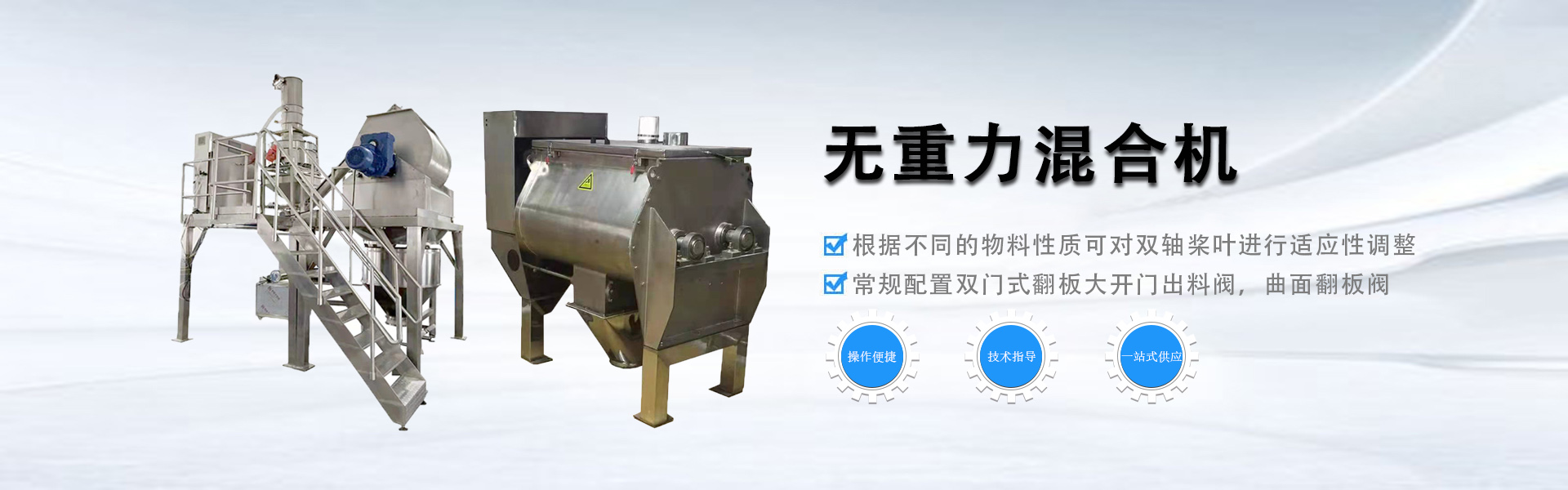
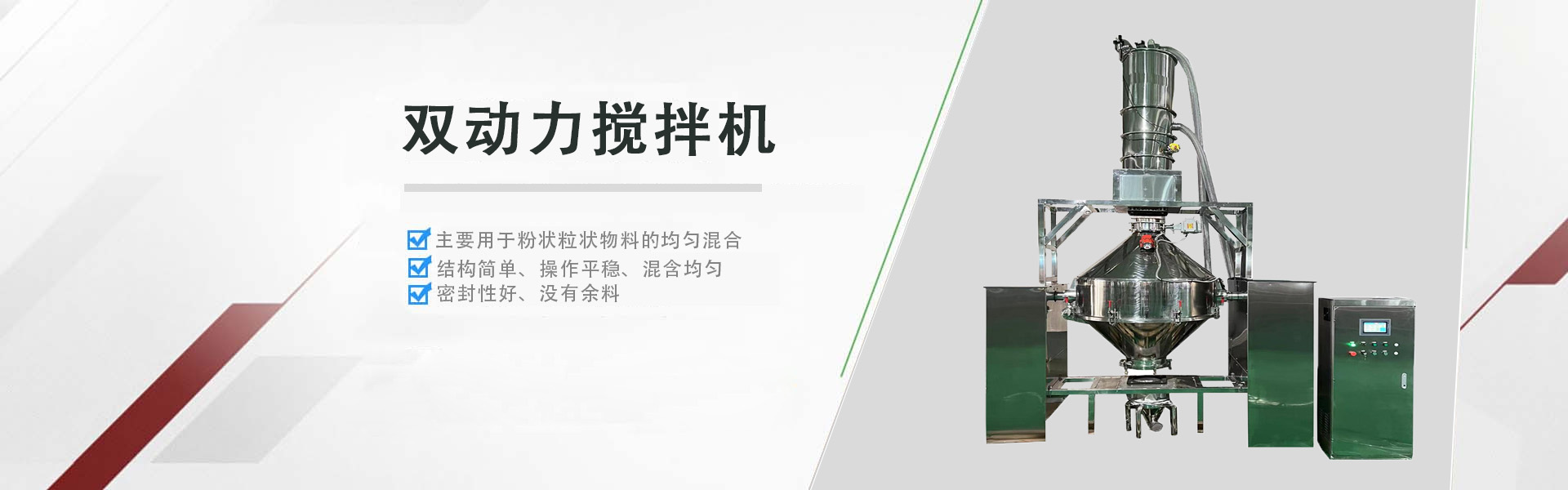
 Gravity-Free Dual-Axis Stirrer
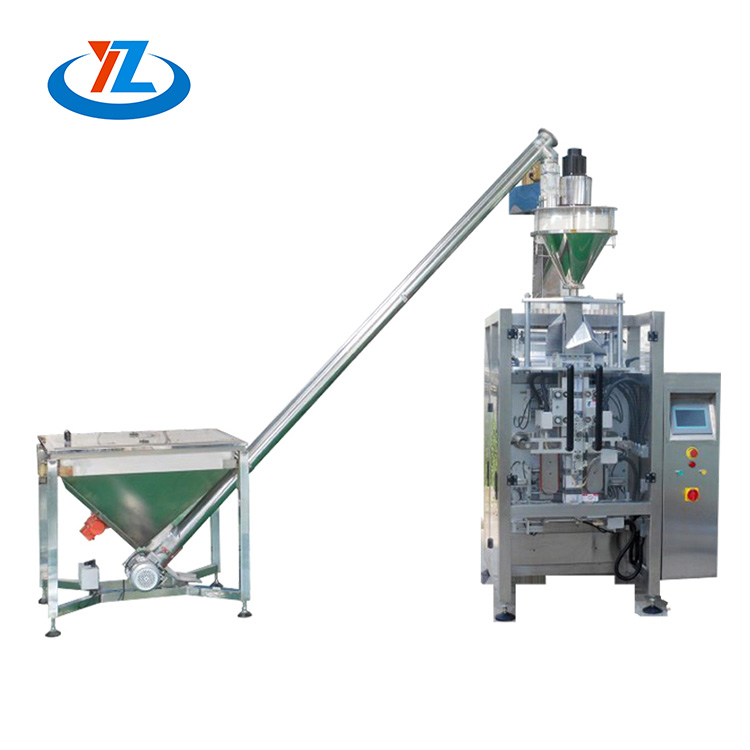 Automatic Powder Packing Machine
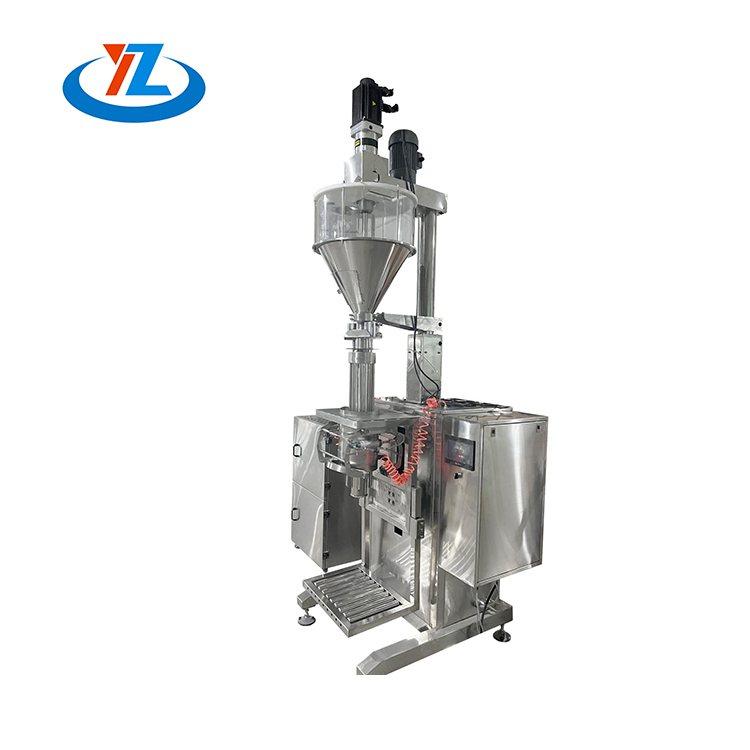 Fine powder packaging machine
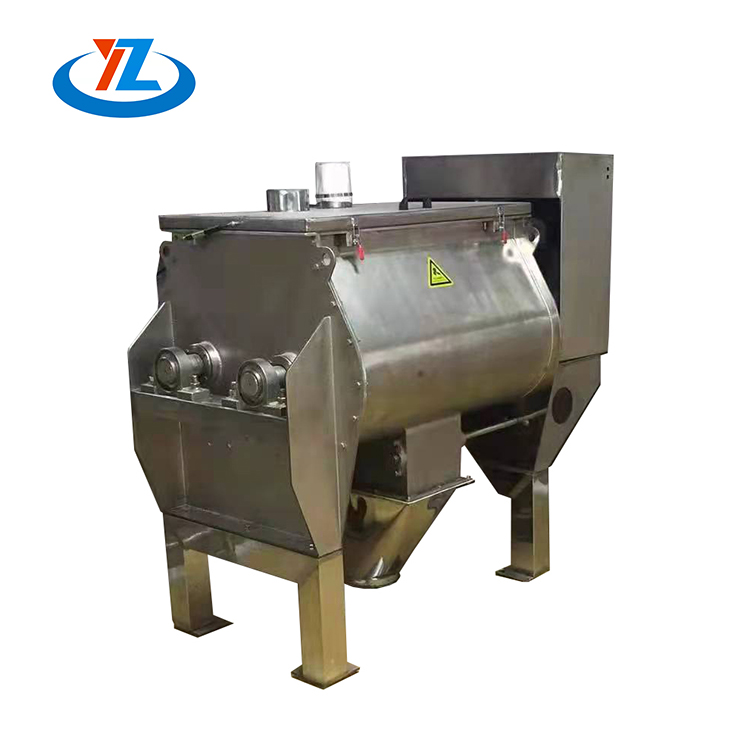 Gravity-Free Single-Axis Stirrer
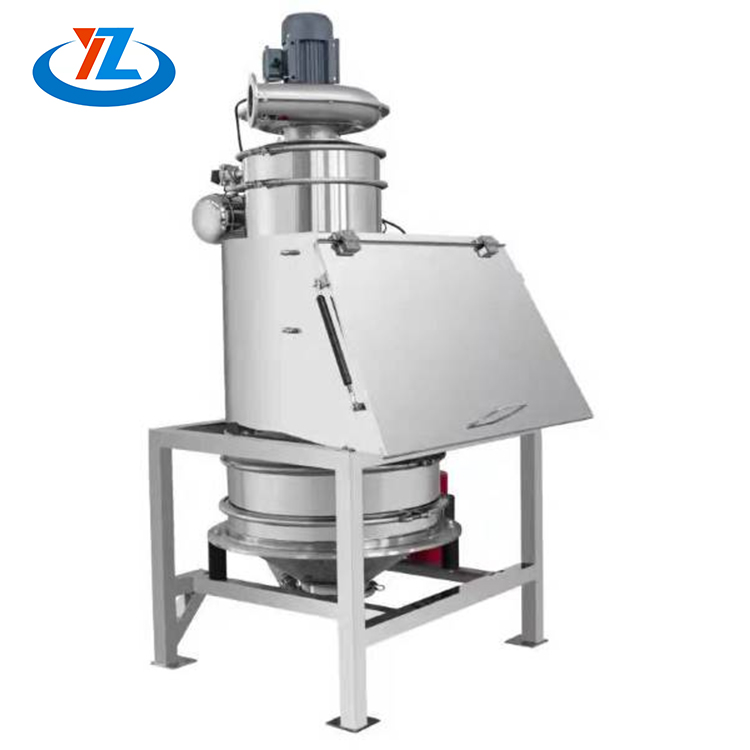 Cleanroom Feeding Station
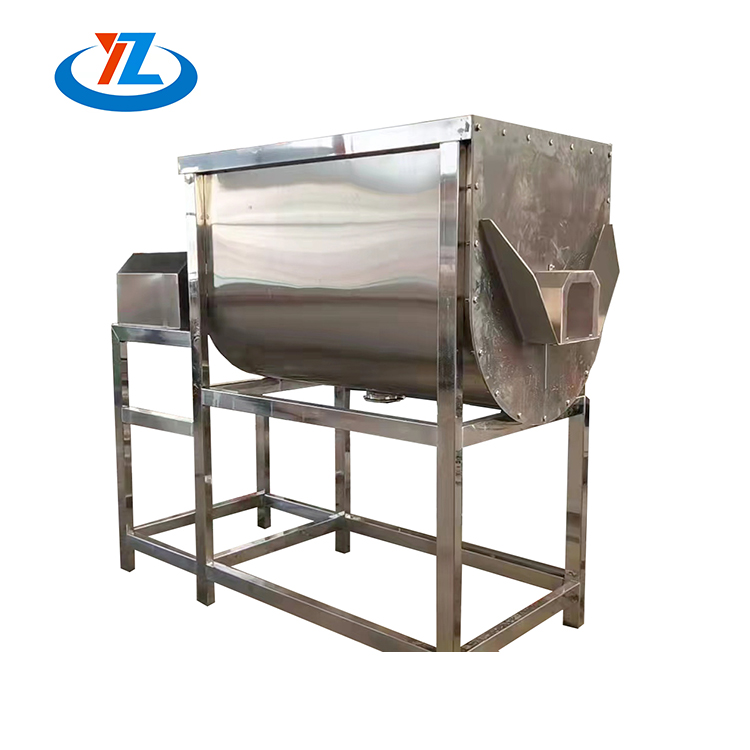 Horizontal Screw Conveyer Blender
Product Details

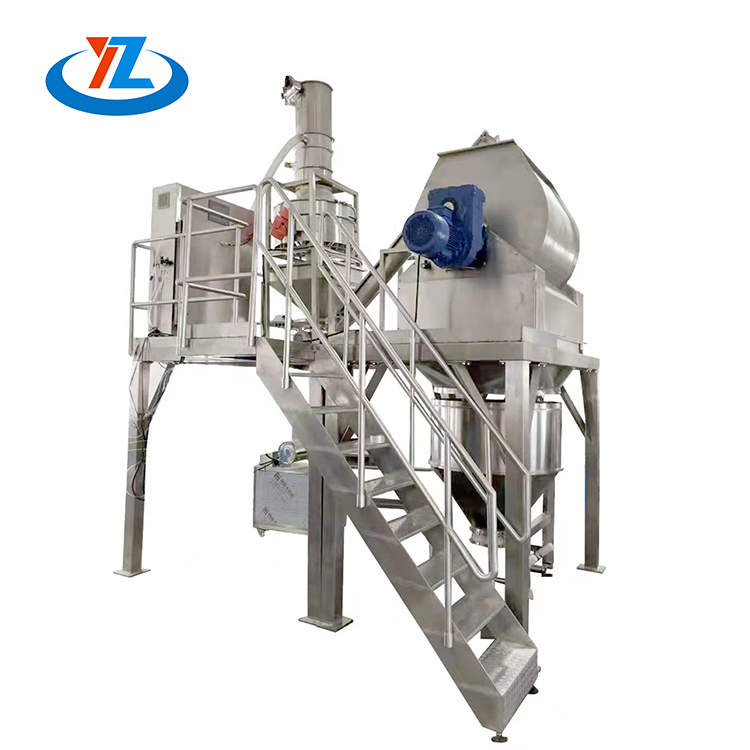
Powder conveying, mixing, and quantitative packaging systems; dust-free feedi...


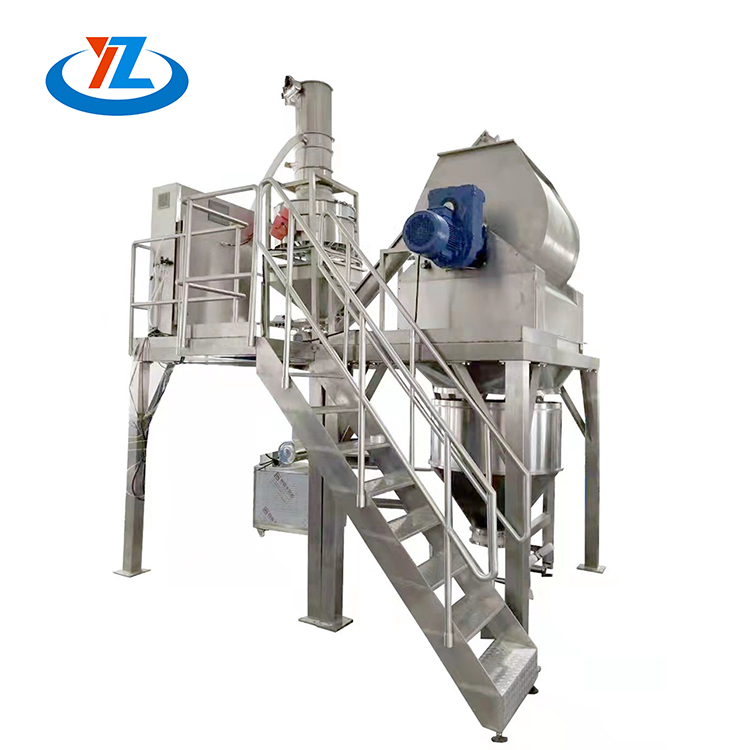
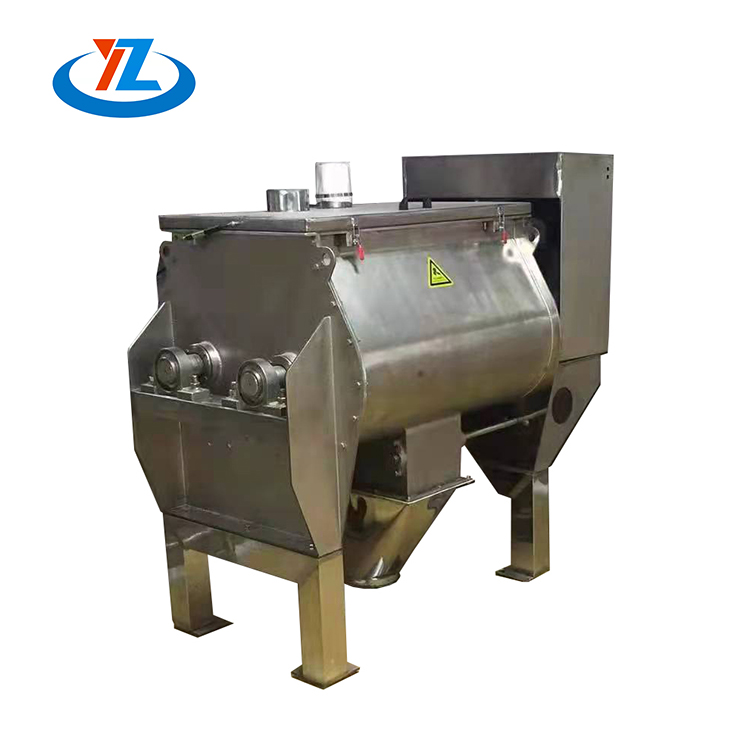
产品Price 38000.00/Tai
最小起订Quantity:1 Tai 供货总Quantity: 9999 Tai


Brand |
|
Customized |
Inquire |
Material |
Stainless Steel |
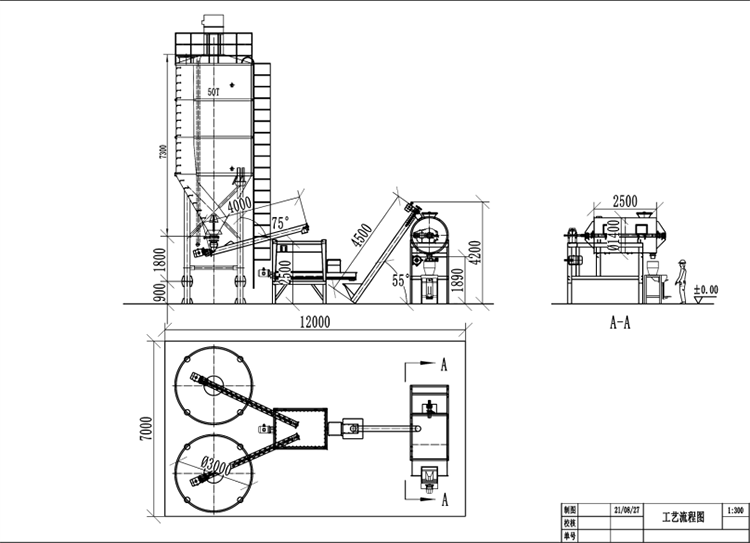
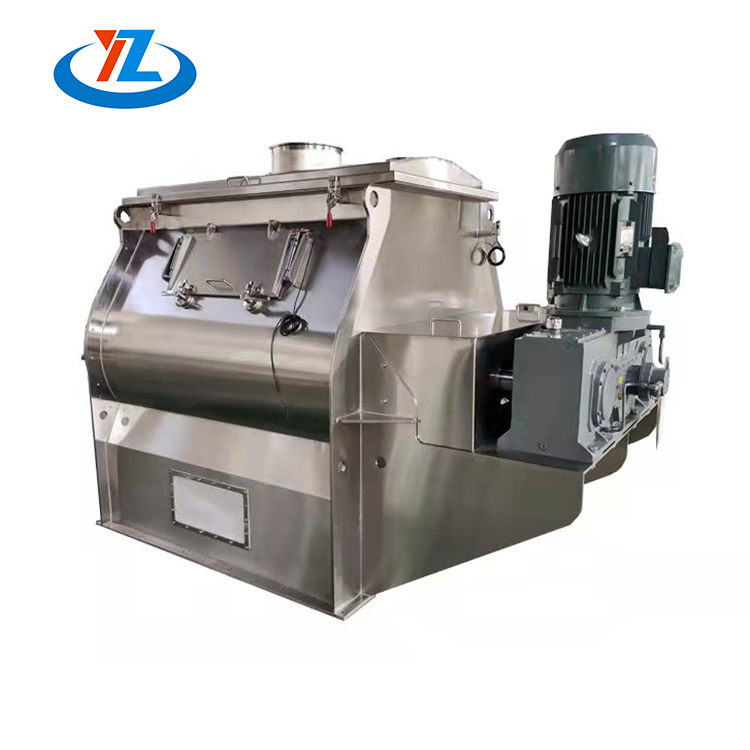
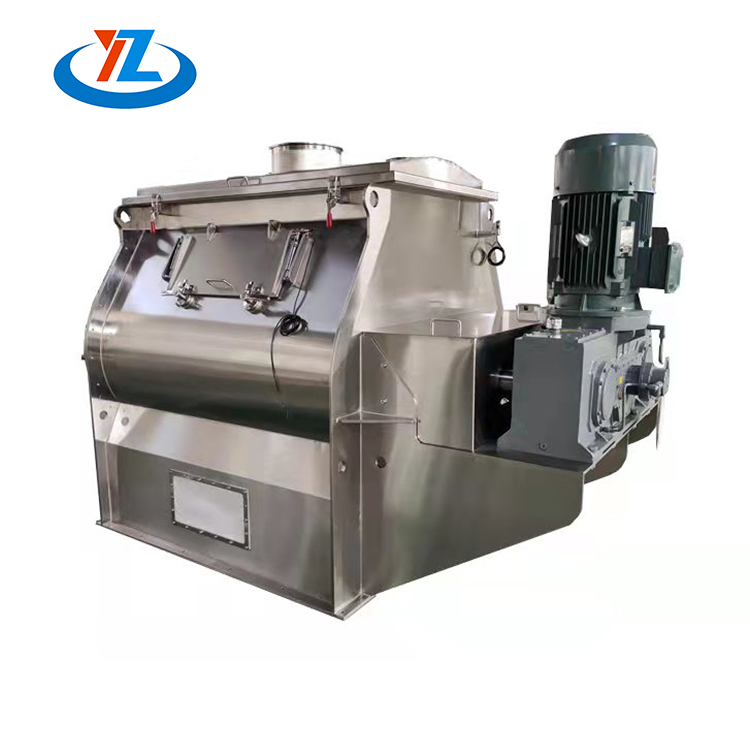
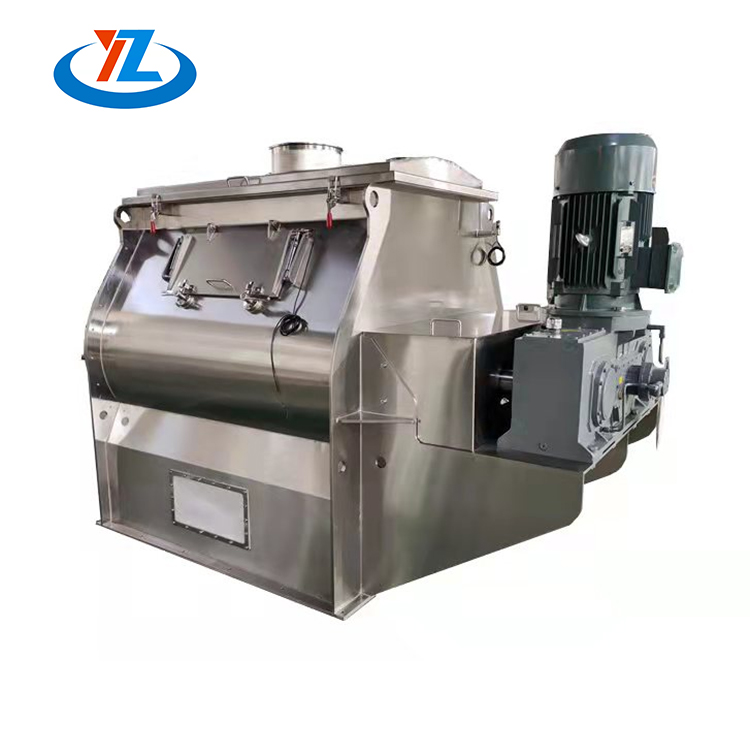
One. Working Principle of the Gravity-Free Blender The gravity-free mixer is equipped with two parallel shafts, each rotating in opposite directions. Each shaft carries a cruciform blade. Under the synchronization of the driving unit, the paths of the cruciform blade shafts intersect and engage in a misaligned manner. The driving unit causes the shafts to rotate rapidly, generating centrifugal force that effectively disperses the material to the upper part of the drum. After reaching the parabolic peak (also known as the instantaneous zero-gravity state), the material falls down. The material is then propelled by the blades, mixed in a reciprocating cycle within the drum, and mixed, sheared, and separated by the engagement space of the double shafts, resulting in uniform material mixing. Section 2: Gravity-Free Blender Introduction Material Selection Plan 2. Drive Configuration 3. Agitator Equipment 4. Material Feeding Device 5. Dynamic shaft seal Section 2: Selection of Gravity-Free Blenders 1. Determine the volume of each batch of mixed materials, ranging from 0.1 to 20 cubic meters, and select the appropriate equipment size. 304/316L Stainless Steel
The mixer can be customized with carbon steel, manganese steel, 304 stainless steel, 316L stainless steel, and other types of steel, and different materials can be combined as needed. Material selection for the equipment is differentiated: parts in contact with the material and parts not in contact with the material. The interior of the mixer can also be targeted with functional coatings or protective layers, such as corrosion resistance, anti-adhesion, isolation, and wear resistance. Surface treatment for stainless steel includes sandblasting, brushed finish, polishing, and mirror finish, which can be applied to different parts of use.
Mixers are configured with different drive units featuring varying capacities, power ratings, and output speeds based on material properties, startup methods, and mixing techniques. The twin-shaft gravity-free mixers, due to the interlocking blades inside, require a drive system with synchronization capabilities. Shengli Company offers four drive combinations suitable for different capacity requirements: dual-gearbox synchronous assembly, single-gearbox double-output, twin-planet gear synchronous, and bridge chainwheel chain drive.
The Sk series dual-gearbox synchronous assembly is configured for gravity-free mixers.
The gravity-free mixer can adapt the twin-blade impeller according to the properties of different materials.
The gravity-free mixers can be equipped with wear-resistant mixing blades, spray mixing blades, and serrated mixing blades. They can also have a crushing shaft installed inside the drum to assist in breaking up materials during the mixing process.
Standard configuration of gravity-free mixer features a double-door hinged flap large opening discharge valve, curved flap valve, perfectly fitting the cylinder's curved surface to ensure thorough mixing without dead spots, resulting in uniform blending of materials.
Three common sealing modes for mixers: stuffing sealing, integrated gas sealing, and mechanical sealing.
Main shaft seal for solving particle, powder, micron powder, liquid, and slurry states.
2. Select equipment material, categorized as: parts in contact with materials, and parts not in contact with materials. Other equipment components maintain the original material.
Material selection is based on factors such as material properties, working conditions, and hygiene levels, with common options including carbon steel.
After material selection, determine the surface treatment requirements as per specifications.
3. Determine the driving capacity based on the material's specific gravity, fluidity, and other properties, as well as the startup standards.
Starting Standards: Fully Loaded Start, No Load Start.
4. Depending on the actual process, add auxiliary function components such as spray liquid, heating/cooling, etc.
5. Specify the opening requirements for design equipment, such as feed ports, cleaning ports, exhaust holes, etc.
6. Select the material feeding mode and drive method, including manual, pneumatic, and electric.
Friendly Reminder: Equipment selection is a crucial step. Please provide detailed material information and process arrangements for ease of reference.
Our staff provides you with technical services.