

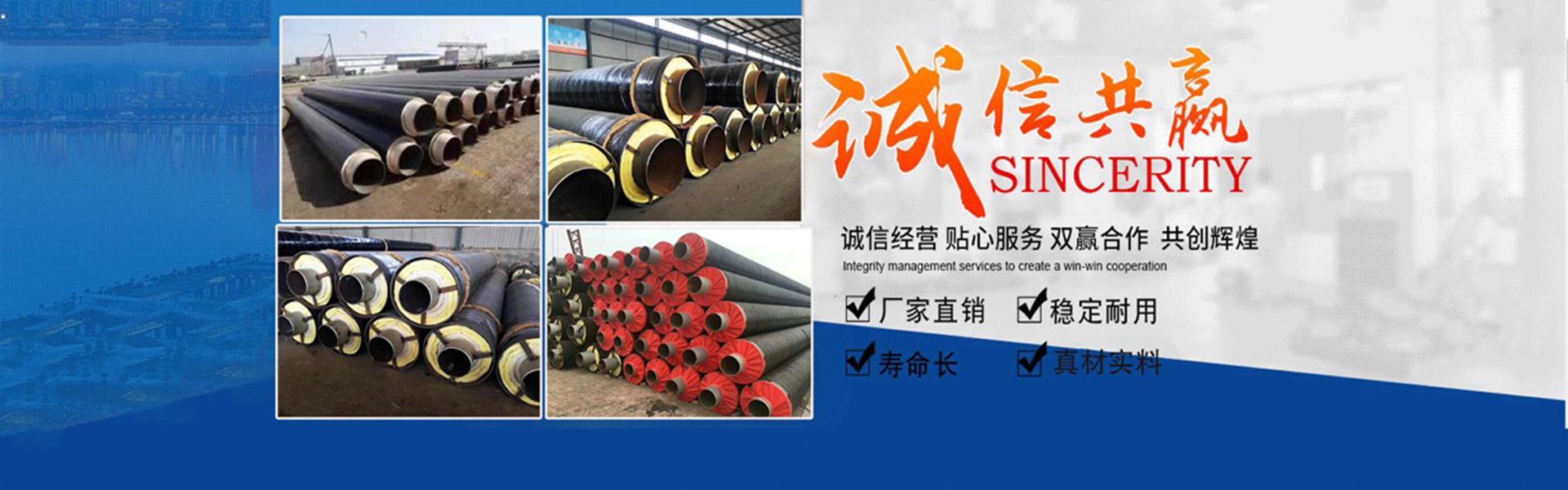


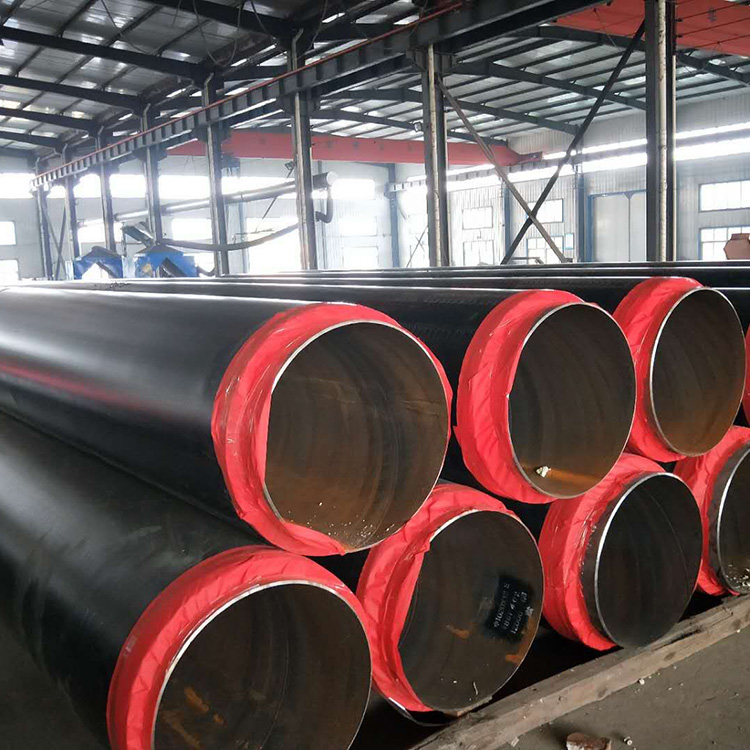
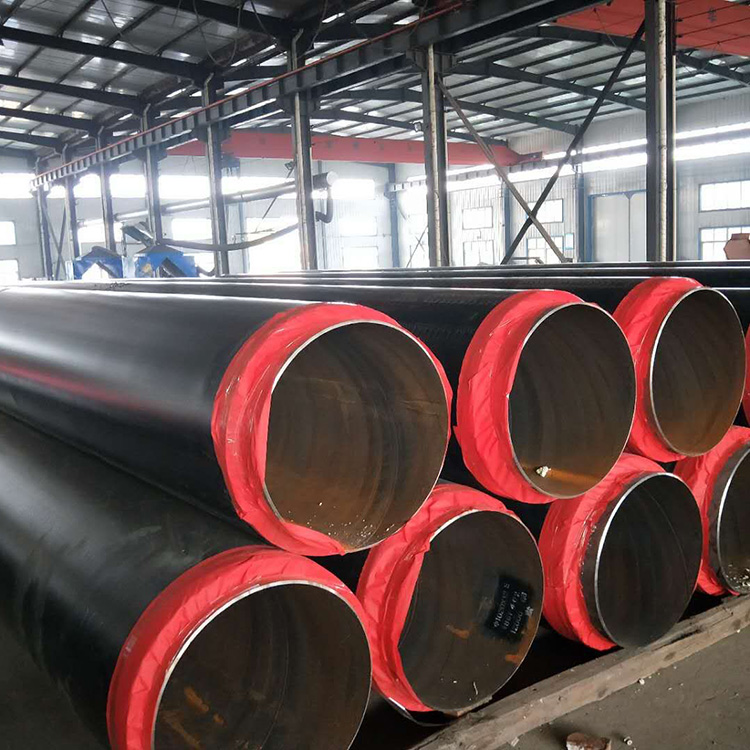
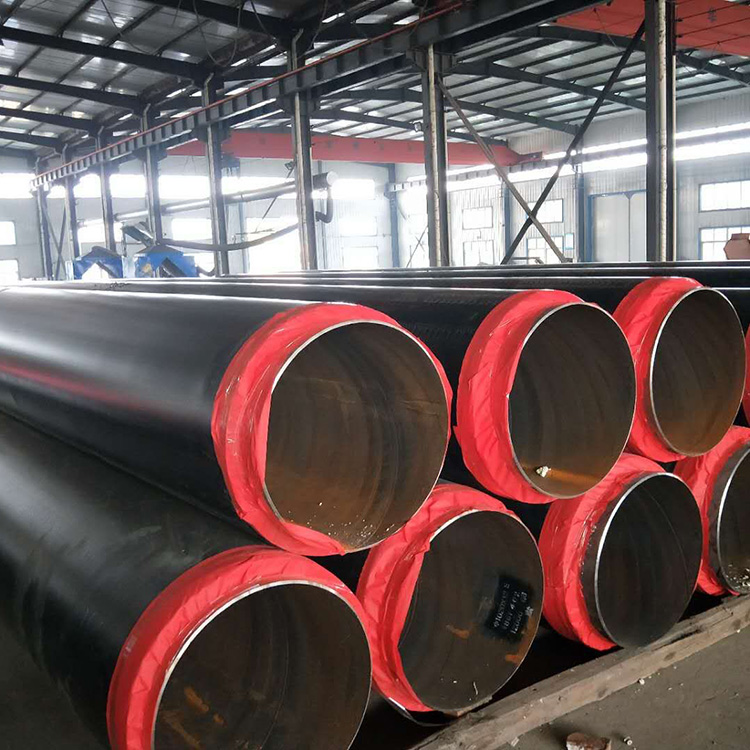
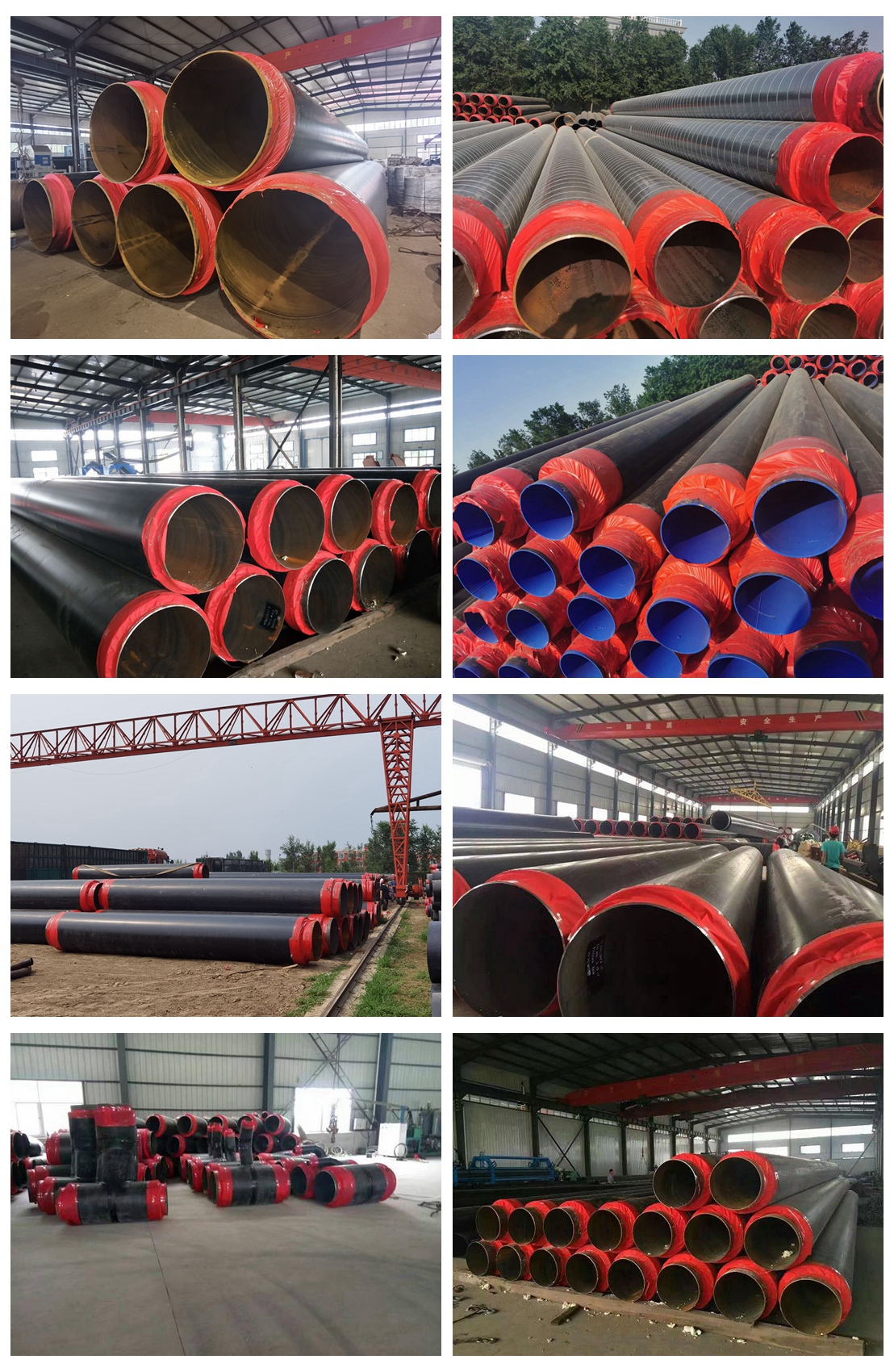
Polyurethane insulated pipeline, also known as pre-insulated pipeline, is composed of a working steel pipe for conveying medium, foam insulation layer, and polyethylene plastic sheath, which are sequentially combined outwardly by equipment.
Construction Features
Lower construction costs
According to estimates by relevant authorities, dual管制heating pipelines can typically reduce the construction cost by around 25% (using glass fiber as the protective layer) and 10% (using high-density polyethylene as the protective layer).
Low thermal loss, energy-saving
High-temperature pre-insulated buried thermal insulation pipes have a thermal conductivity coefficient of λ=0.013-0.03 kcal/m·h·°C, which is significantly lower than that of other commonly used pipe insulation materials in the past, providing excellent thermal insulation. Additionally, their water absorption rate is very low, approximately 0.2 kg/m². The low water absorption rate is due to the closed cell rate of the polyurethane foam being around 92%. The low thermal conductivity and low water absorption, combined with the high-density polyethylene or glass fiber protective shell with good waterproofing properties, alter the traditional trench-laid heating pipeline's "wearing wet cotton jacket" condition, greatly reducing the overall heat loss of the heating pipeline. The heat loss of the heat network is 2%, which is less than the international standard requirement of 10%.
3. Good corrosion and insulation properties, long service life
High-temperature pre-insulated buried thermal pipes, with their polyurethane insulation layer tightly bonded to the steel pipe outer surface, effectively block air and water intrusion, providing excellent corrosion resistance. Additionally, their foam pores are all closed, resulting in minimal water absorption. Both high-density polyethylene and glass fiber reinforced plastic sheaths offer good corrosion resistance. Consequently, the outer surface of the working steel pipe is hardly susceptible to erosion by external air and water.
4. Low land use, quick construction, and environmentally friendly
Direct-burial heating pipelines require no massive excavation of trenches; simply bury the insulated pipes underground, significantly reducing the land area needed for the project by over 50% and cutting the amount of earthwork and concrete by 90%. Additionally, the processing of insulated pipes and on-site trenching can be carried out simultaneously, requiring only on-site connections, which can shorten the construction period by over 50%. Pre-fabricated direct-burial insulated pipes are widely used in liquid and gas transmission networks, chemical pipeline insulation projects, oil and chemical industry pipelines, central air conditioning ventilation pipelines, and municipal engineering. Direct-burial insulated pipes are cost-effective, reliable, and offer superior insulation performance. They effectively address the issues of insulation, sliding lubrication, and waterproofing at the exposed ends of pre-fabricated direct-burial insulated pipes used for high-temperature (130℃-600℃) heat transmission in urban centralized heating systems. These pipes not only possess advanced technology and practical performance that surpass traditional trench and overhead pipeline installations but also provide significant social and economic benefits, making them a powerful measure for heating energy conservation. The use of direct-burial heating pipeline technology in pre-fabricated insulated pipes marks a new starting point for the development of China's polyurethane-insulated heating pipe technology.
