



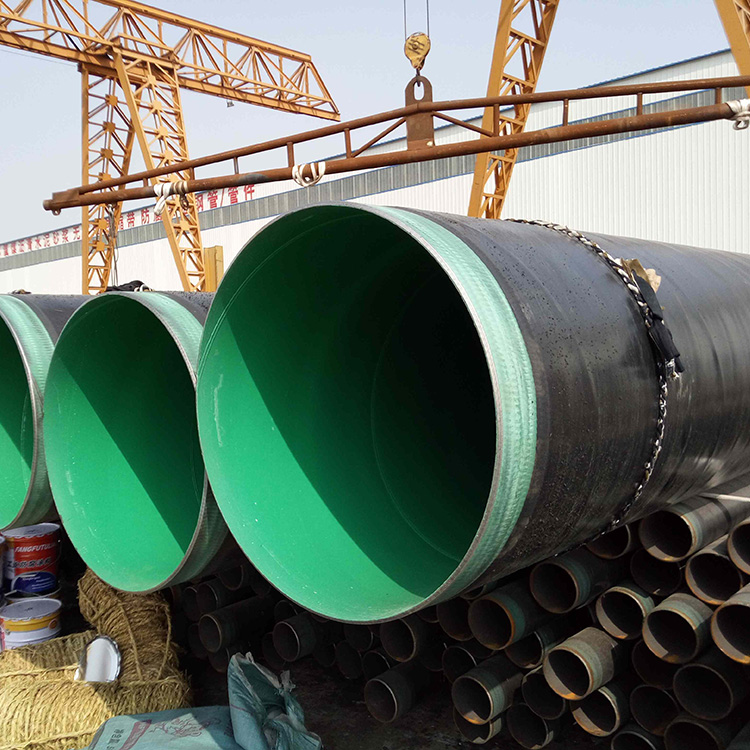
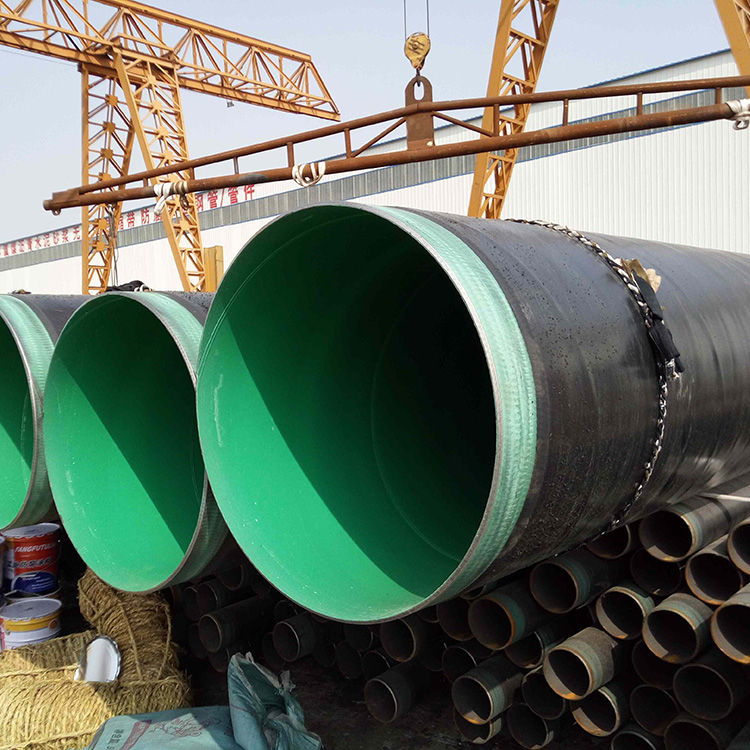
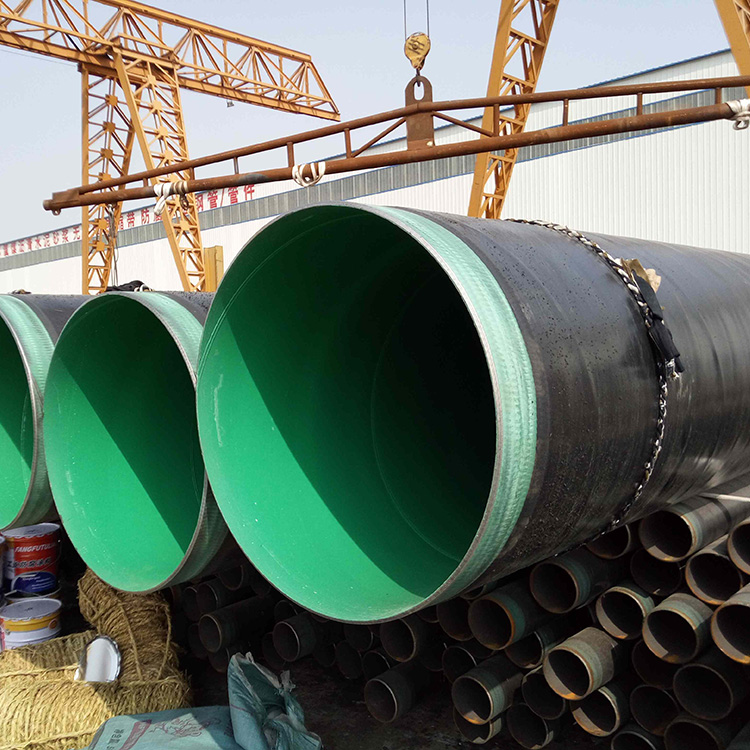
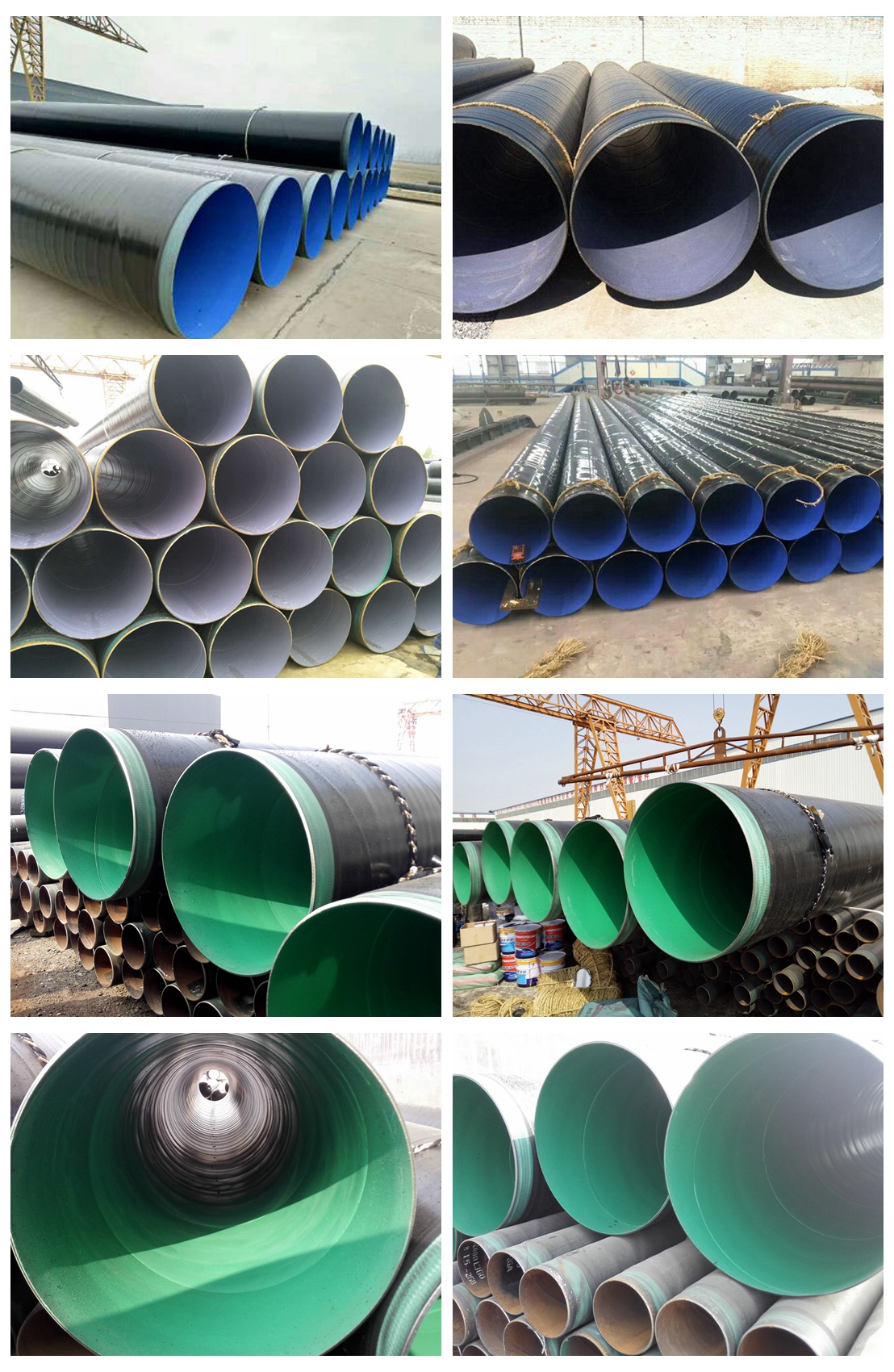
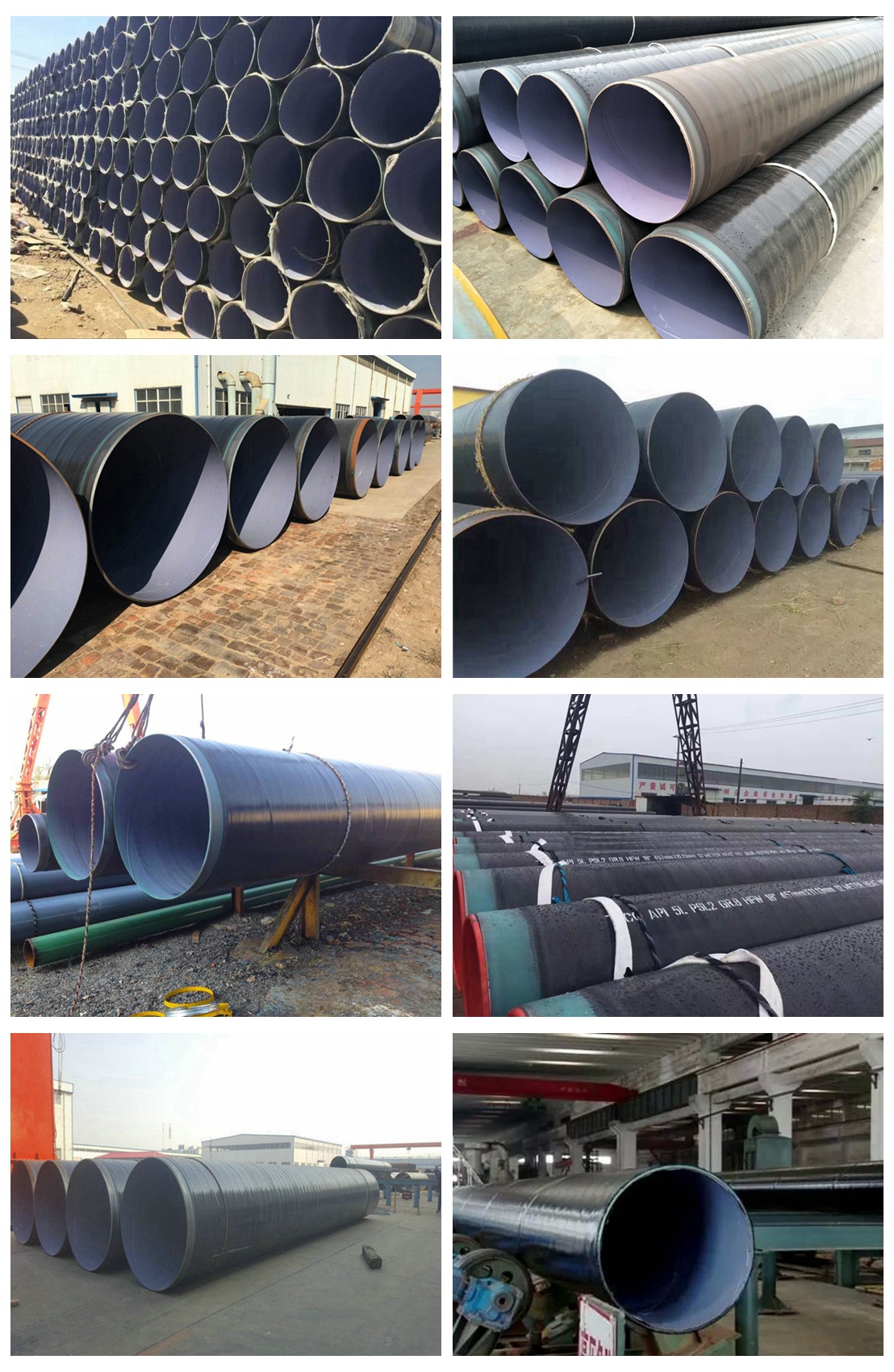
TPEP anti-corrosion pipeline coatings involve applying a dense, uniform layer of paint onto the metal pipeline surface after it has been rust-removed, creating a barrier against various corrosive media. This is one of the fundamental methods for steel pipeline anti-corrosion. The use of composite materials or composite structures for TPEP anti-corrosion pipeline coatings is increasingly common. These materials and structures must possess good dielectric properties, physical characteristics, stable chemical performance, and a wide temperature adaptability range.
(1) External Pipeline Coating: Types of coating materials for pipeline exteriors and their application conditions.
(2) Internal anti-corrosion coating: A thin film applied to the inner wall of pipes to prevent internal corrosion, reduce friction resistance, and enhance flow capacity. Common coatings include amine-cured epoxy resins and polyamide epoxy resins, with a coating thickness of 0.038 to 0.2 millimeters. Surface treatment of the inner pipe wall is required to ensure a strong bond between the coating and the pipe wall. Since the 1970s, there has been a trend towards using the same material for both internal and external wall coatings to facilitate simultaneous application.
TPEP anticorrosive pipeline is an upgraded version based on the inner layer of single-layer polyethylene and epoxy coated steel pipe. It is currently an excellent anticorrosive form for buried long-distance pipeline. The new anticorrosive production line for large-diameter pipelines features a three-layer structure consisting of a heat melted and wound base layer of epoxy resin, a middle layer of adhesive, and an outer layer of polyethylene. The inner surface is coated with a heat-sprayed epoxy powder anticorrosive method, uniformly applying the powder onto the pipe surface after high-temperature melting and bonding, forming a steel-plastic alloy layer, abbreviated as TPEP steel pipe (T stands for Three, PE for polyethylene, and EP for epoxy resin). This improves the adhesion and thickness of the coating, enhancing its ability to withstand impacts and corrosion. TPEP steel pipe fills the gap in domestic steel pipe anticorrosion, with a price comparable to that of single-layer polyethylene inner melt-bonded epoxy coated steel pipe, but with corrosion resistance increased by 3-5 times.
Advantages of TPEP anti-corrosion pipelines:
1. The TPEP anticorrosion pipeline is of excellent quality both domestically and internationally, with a service life of over 50 years. The 3PE anticorrosion, which引进ed Russian technology, boasts nearly a century of history. The internal coating, a thermally fused epoxy powder coating, also incorporates Japanese technology with a 70-year track record of use.
2. Inside wall smooth, roughness 0.0081-0.0091 (Science Research Institute tested), with minimal head loss. For the same flow rate medium transmission, the diameter can be reduced by one grade.
3. Strong adaptability to terrain. High flexibility of steel pipes.
4. Easy installation, reliable. Single pipe length up to 12 meters, connection points reduced by half.
5. The inner wall is smooth and non-adhesive.
