

Different products have varying structures. To make the most of a good product, understanding its structural content is quite necessary. So, let's dive in together below.
What is the structure of a jet suction dredger? Have you ever wondered about this? Those who have questions, take this opportunity to join the editor for a brief introduction to understand it.
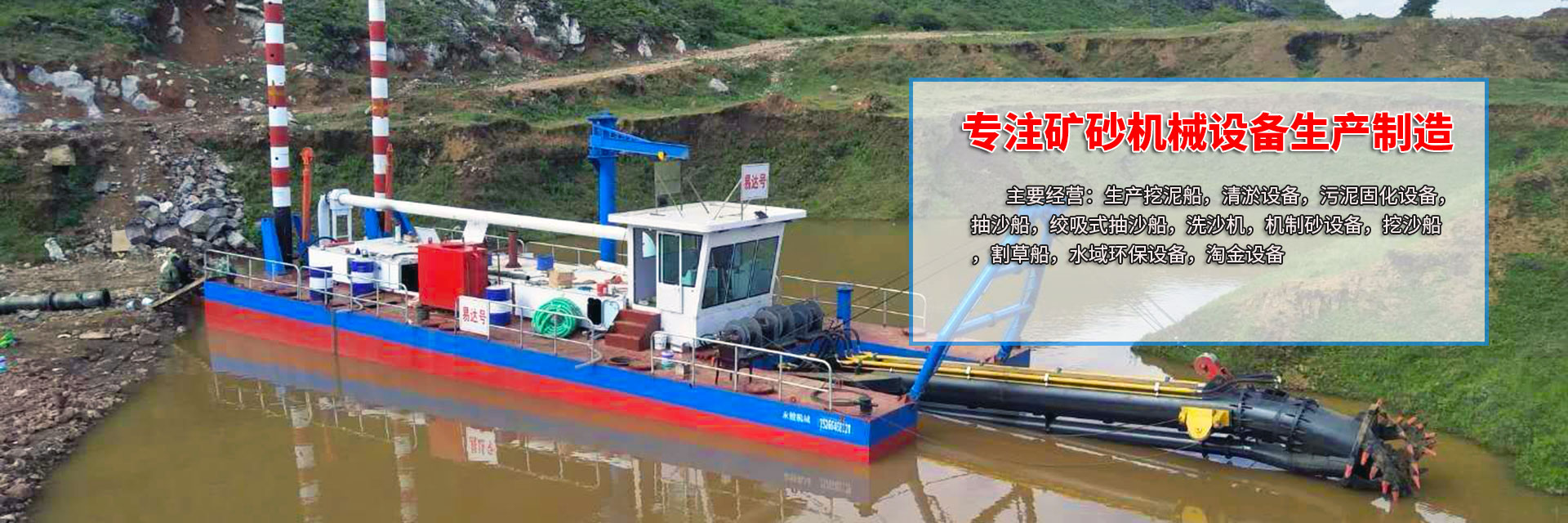
The hull structure primarily consists of the main engine room and side appendages. Such hull dimensions generally allow for the transport of dredgers via land and rail. The bolts and flanges connect the side appendages and the deck section of the main cabin to the front and rear, thereby achieving the purpose of quick disassembly and assembly.
Typically, engineering vessels are involved in water-based activities such as dredging river channels, extracting sand, clearing silt,挖掘mud, and constructing harbors by blowing fill. Due to the solitary nature of their working environment, the workload is relatively heavy. Being exposed to the elements, they constantly interact with water and sand over time, leading to severe damage to various components like ships, machinery, and engines.
To extend the lifespan of our dredging vessels, we must diligently enhance the maintenance and care for our dredging ships.
The outlet of the sand dredging vessel has been raised to provide sufficient space for the installation and selection of ore processing equipment, primarily used for separating gold from the sand.
In the event of a single situation during equipment operation, a temporary shutdown is required. First, stop feeding the mine, then cease the backwash water, and finally, proceed with the shutdown.
If this progress requires a longer downtime, sand mining must be cleared before inspection and maintenance, primarily to prevent sand and gravel from solidifying on the equipment. When restarting after shutdown, water should be supplied before slurry.
