


Secondary vulcanization, also known as post-vulcanization or two-stage vulcanization, refers to...Rubber ProductsThe process of continuing to vulcanize at a certain degree of sulfurization after removing the heat source. Broadly speaking, rubber products can continue to deepen the vulcanization process, even without heating, under the influence of residual heat or during the storage process, or through dynamic actions, resulting in continuous cross-linking phenomena.
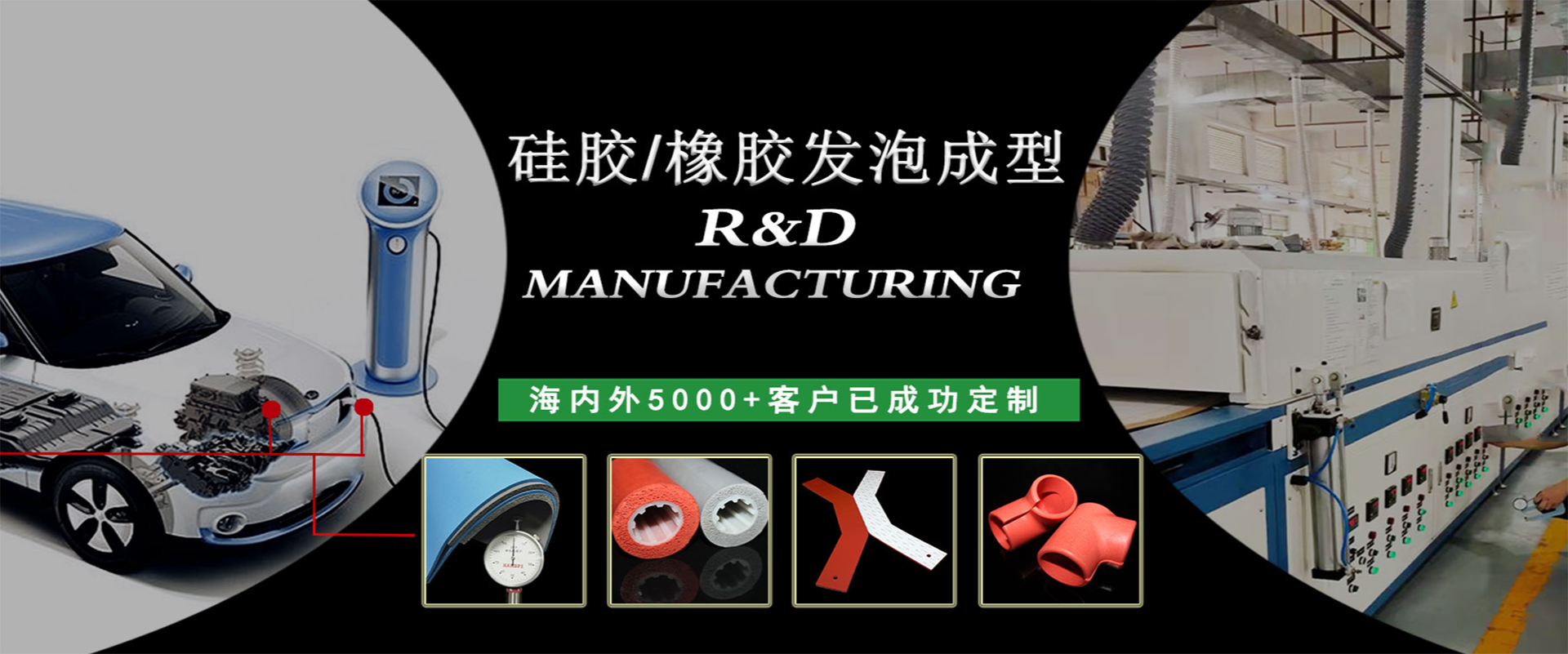
Naturally, this includes the continued heating process for secondary sulfur curing; the purpose of secondary curing is to further cross-link rubber products, enhancing their mechanical properties and compression deformation characteristics; secondary curing methods include oven hot air curing or using a curing pot for hot air secondary curing; currently, many rubber sealing component or rubber product manufacturing units are utilizing secondary curing technology to produce rubber sealing products. The technology is continuously evolving with the times, being updated and optimized!

SiliconeThe role of secondary vulcanization: When silicone rubber is vulcanized using peroxides, the decomposition of peroxides triggers a polymer reaction, resulting in low molecular compounds (such as benzene and benzoic acid) present in the rubber, which can affect the rubber's mechanical properties. Moreover, after the silicone rubber is heat-formed in stages, its cross-linking density is insufficient. Further vulcanization reactions are necessary to increase the density of the silicone rubber. The tensile strength, resilience, hardness, swelling degree, density, and thermal stability are all significantly improved compared to primary vulcanization. Without secondary vulcanization, the performance of the produced silicone may be affected, and a product with better performance may not be achieved.
Parameters for primary vulcanization may differ from those for secondary vulcanization, which is related to actual operation! There are various types of silicone vulcanization, including high temperature and room temperature. Taking high-temperature silicone as an example, before vulcanization, it is what we commonly refer to as raw rubber. Mixed rubber involves blending many additives like vulcanizing agents and release agents with the raw rubber. This can be easily seen from its appearance. It breaks easily when pulled, lacking elasticity. By vulcanizing the mixed rubber at a specific temperature, you can form the product, such as silicone bottle sleeves, silicone wristbands, silicone bottle caps, silicone seals, silicone trays, silicone pads, and silicone phone cases, etc. Generally, products from legitimate manufacturers using qualified silicone raw materials are non-toxic.
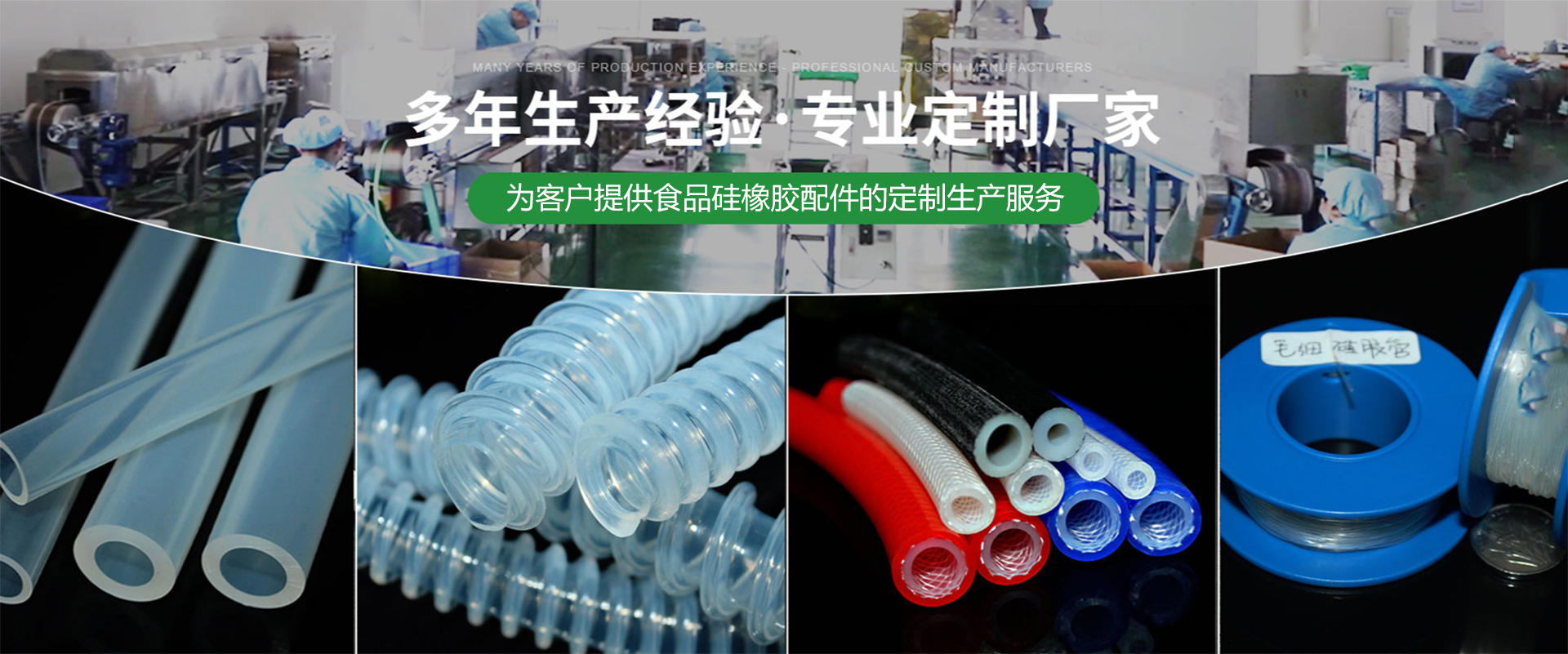
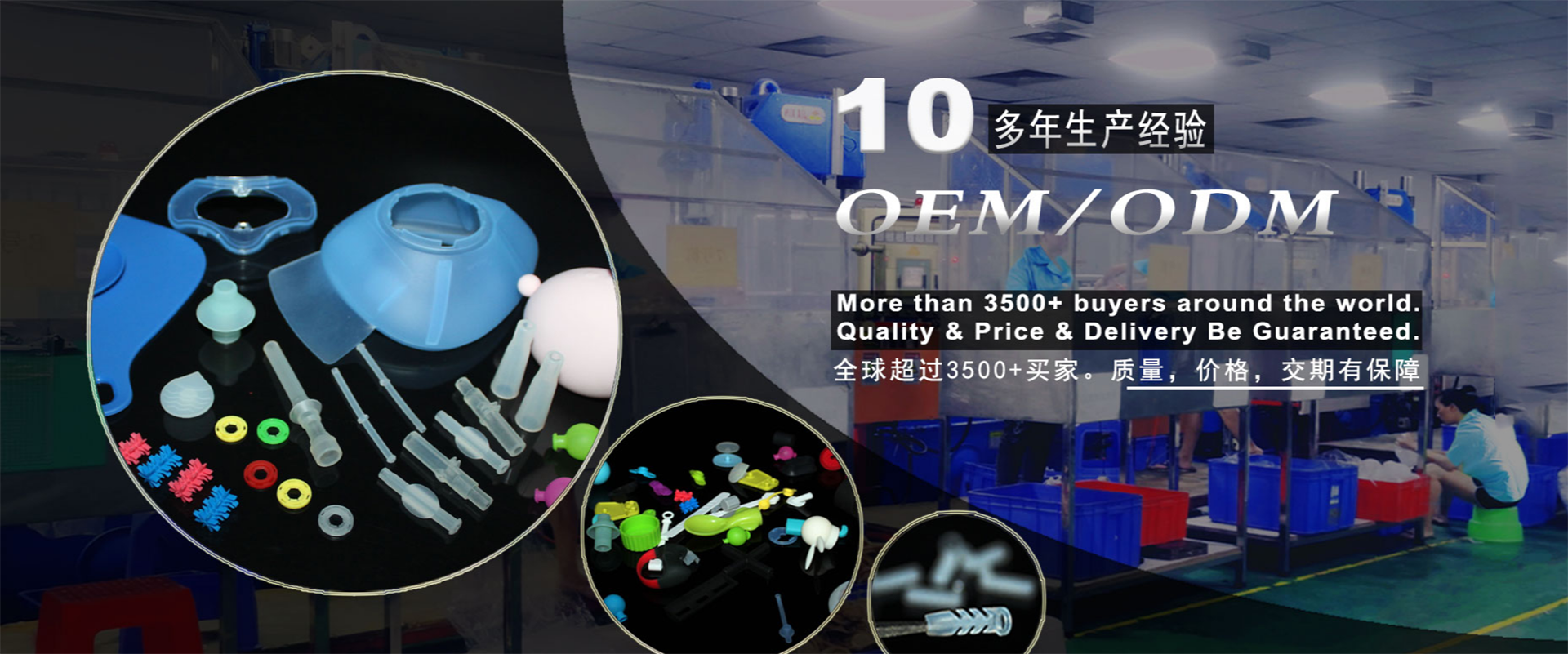
Yongle Rubber & PlasticWe have successfully passed the ISO9001 certification. Our main products include platinum silicone tubes, peristaltic pump silicone tubes, food-grade silicone molding parts, and silicone as well as customized production of seal components for plastic products. With a competitive strategy focused on "better product development, better service provision, and better image creation," we continuously drive transformation and management innovation to enhance our overall corporate competitiveness.
