


Manufacturing Method for Conductive Rubber Keypads
Typical conductive rubber key switches utilize a resin matrix that can be bonded with various adhesive types, commonly including epoxy resins, silicone resins, polyimide resins, phenolic resins, polyurethane, and other thermosetting adhesive systems. Once cured, these adhesives form the molecular skeletal structure of the conductive rubber key switch, ensuring mechanical and adhesive properties, thus creating pathways for conductive fillers. Epoxy resins can cure at room temperature or below 150°C, offering extensive design flexibility. Currently, conductive rubber key switches based on epoxy resin matrices are predominant. The conductive particles of the rubber key switches require excellent conductivity and should be within an appropriate particle size range, which can be integrated into the matrix to form conductive paths. Conductive fillers can include powders of gold, silver, copper, aluminum, zinc, iron, and nickel, as well as graphite and certain conductive compounds. The working principle and manufacturing methods of conductive rubber key switches.
Conductive rubber is a胶粘剂 that possesses conductivity after curing or drying. It is primarily composed of matrix resin and conductive fillers, such as conductive particles, which are bonded together by the matrix resin's adhesive properties to form conductive pathways, thereby achieving conductive connections for the bonded materials.
Conductive rubber is primarily composed of a resin matrix, conductive particles, dispersing additives, and auxiliary agents. Currently, the conductive rubber switches used in the market are mostly filled types.

Conductive rubber buttons operate on two key conduction principles.
The tunneling effect forms certain current pathways within conductive rubber keypad particles. When the directed movement of free electrons in the conductive particles is obstructed, this obstruction can be regarded as a potential barrier. According to the principles of quantum mechanics, for a microscopic particle, even if its energy is less than the energy of the barrier, it is possible not only to be reflected but also to tunnel through the barrier. The phenomenon of a microscopic particle tunneling through a barrier is known as the tunneling effect or tunneling phenomenon.
Electrons, being microscopic particles, can potentially be blocked by an insulating layer between conducting particles. The probability of electrons passing through the insulating layer depends on the layer's thickness and the difference in energy between the potential barrier of the insulating layer and the electron's energy. The thinner the layer and the smaller the difference, the higher the probability of electrons passing through. When the insulating layer becomes sufficiently thin, electrons can easily penetrate it, turning the insulating layer between conducting particles into a conductive layer. The conductive layer caused by tunneling effect can be equated to a resistor and a capacitor.
Conductive particles form a conductive path through intercontact, enabling the conductive rubber keypad to conduct electricity. The stable contact between particles within the adhesive layer is caused by the curing or drying of the conductive adhesive. Prior to the curing or drying of the conductive adhesive, the conductive particles exist individually within the adhesive, without continuous contact, thus remaining in an insulated state. After the curing or drying of the conductive adhesive, due to the evaporation of solvents and the curing of the adhesive, the adhesive volume shrinks, placing the conductive particles in a stable and continuous state, thereby exhibiting conductivity.。
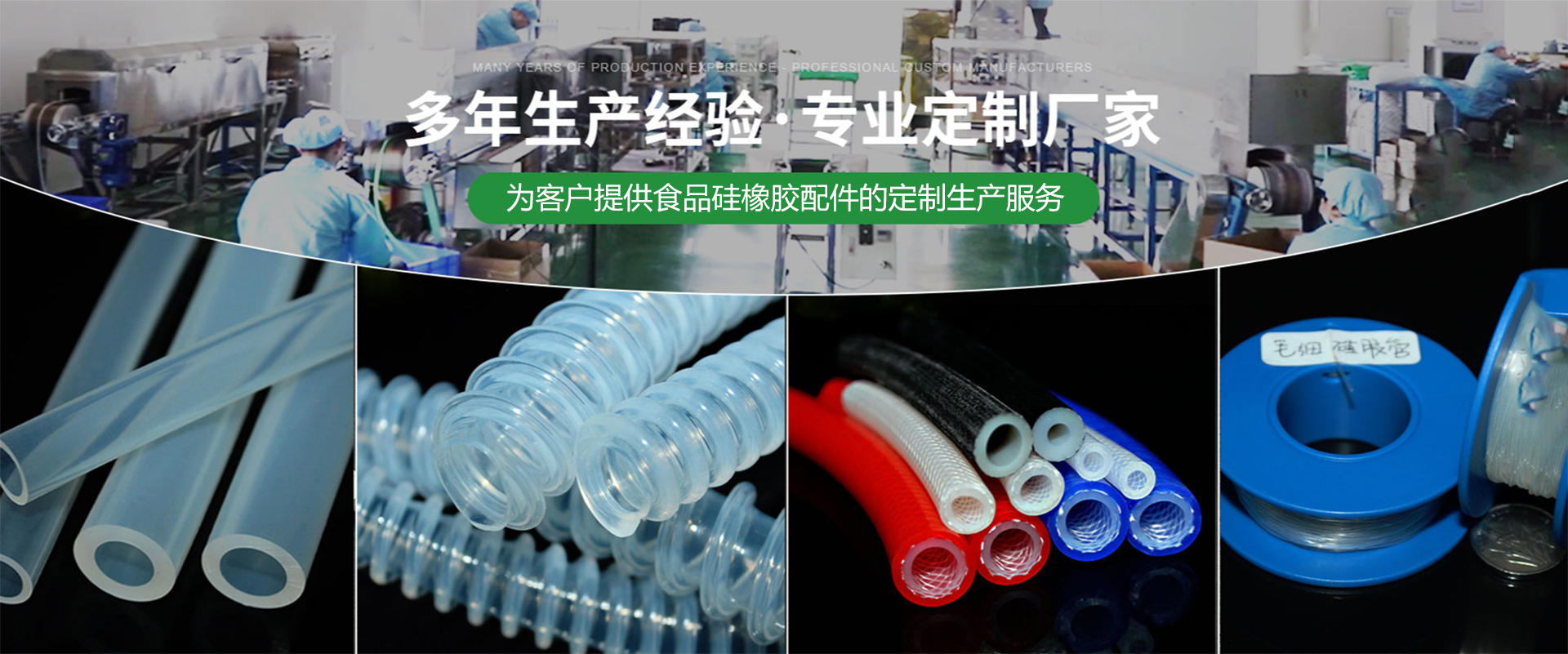
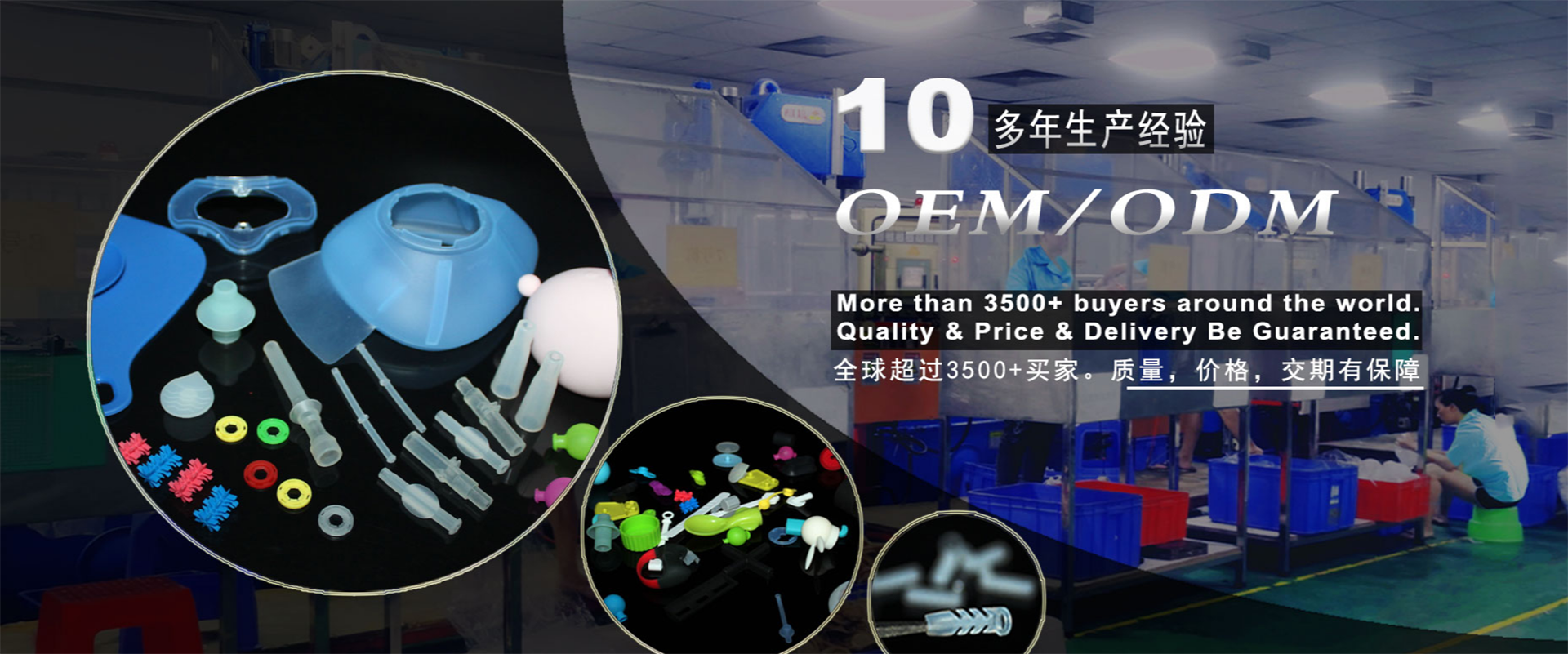
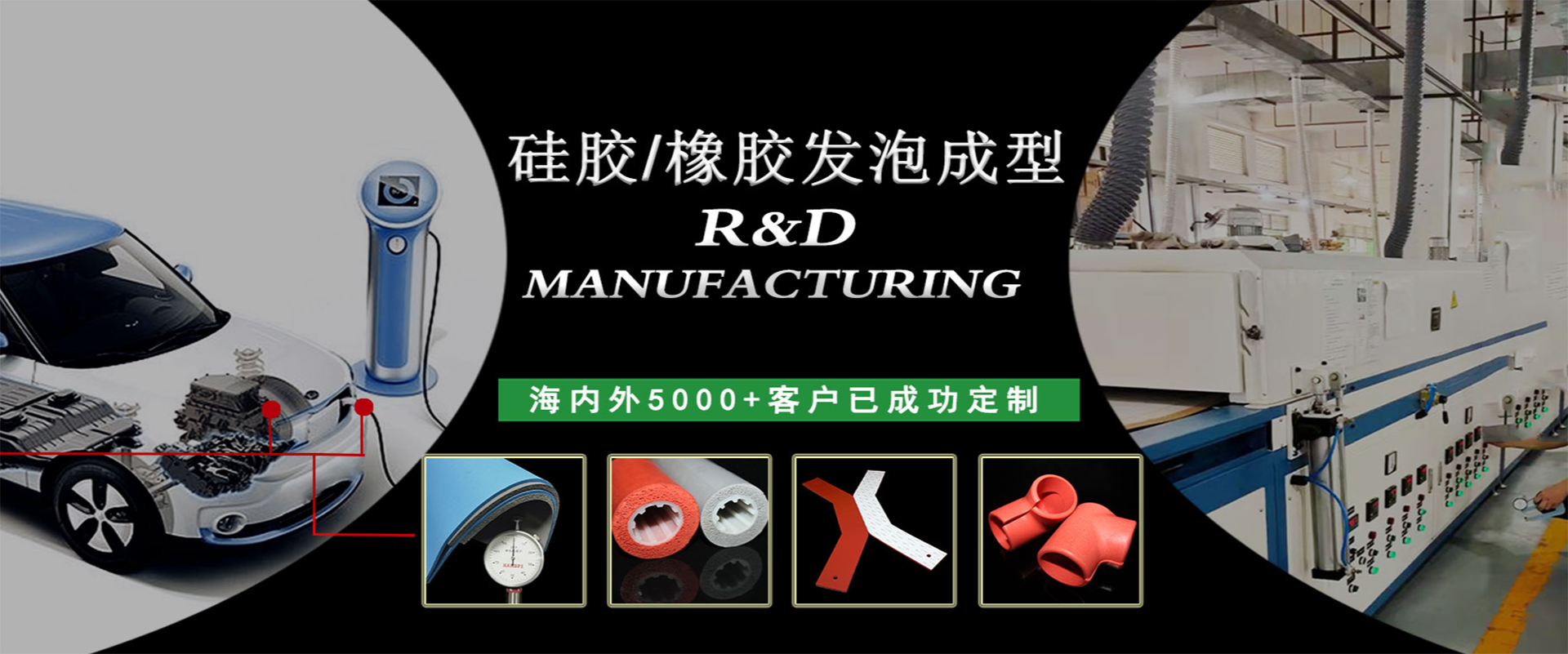
Yongle Rubbers & PlasticsThe company has successfully passed the ISO9001 certification. Our main products include platinum silicone tubes, peristaltic pump silicone tubes, silicone food molding components, and silicone products, as well as custom production of sealing components for plastic products. With the competitive strategy of "Better Products, Better Service, Better Image," we continuously innovate in management and undergo transformations to enhance our comprehensive corporate competitiveness.
